Category
page 1Usurpers

Wu Zetian
founding empress of Zhou dynasty (r. 690–705); de facto ruler of Tang dynasty from 665 to 690
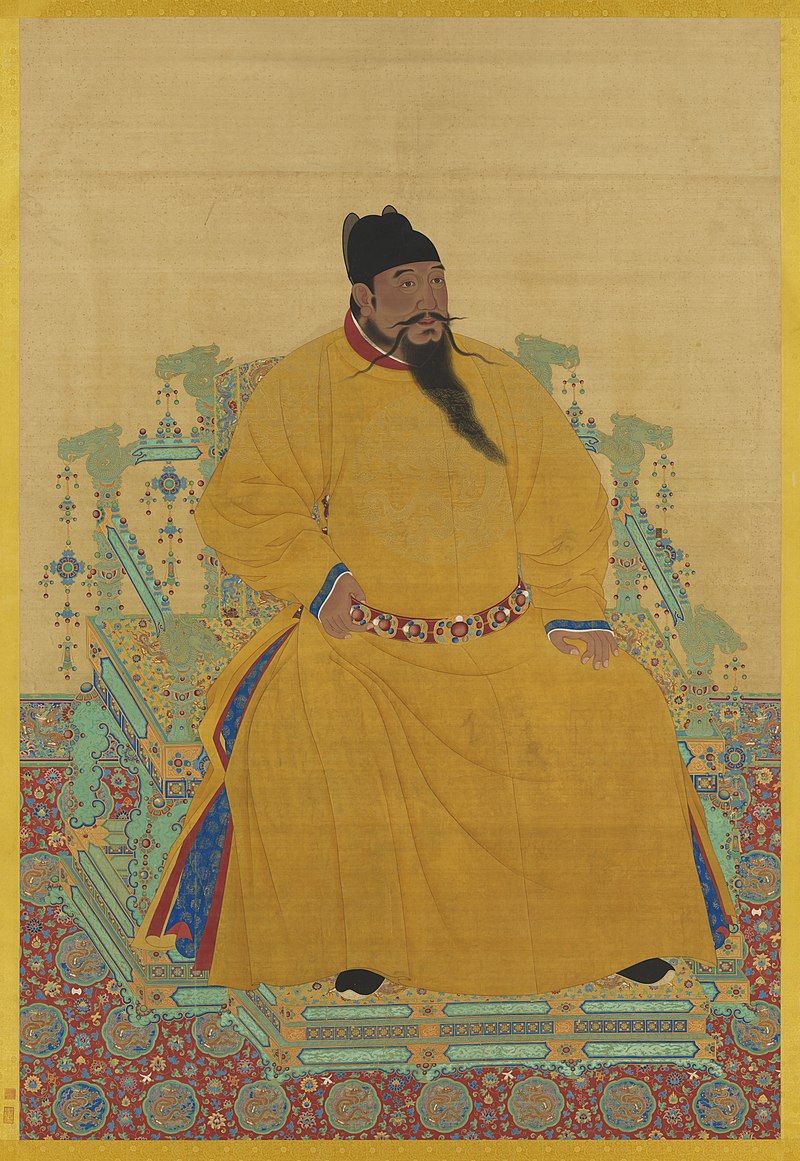
Yongle Emperor
emperor of Ming dynasty China from 1402 to 1424

Tiglath-Pileser III
King of Assyria who ruled 745-727 BCE

Cao Pi
Cao Wei Emperror (187-226)

Wang Mang
Han dynasty official and founding Emperor of the Xin Dynasty (c.45 BC-23 AD)

Emperor Xuanzong of Tang
7th emperor of the Tang dynasty, reigning from 713 to 756 CE

Emperor Taizu of Song
founding emperor of the Song Dynasty (reigned 960-976)
Bahram Chobin
Sasanian general and political leader (died 591)
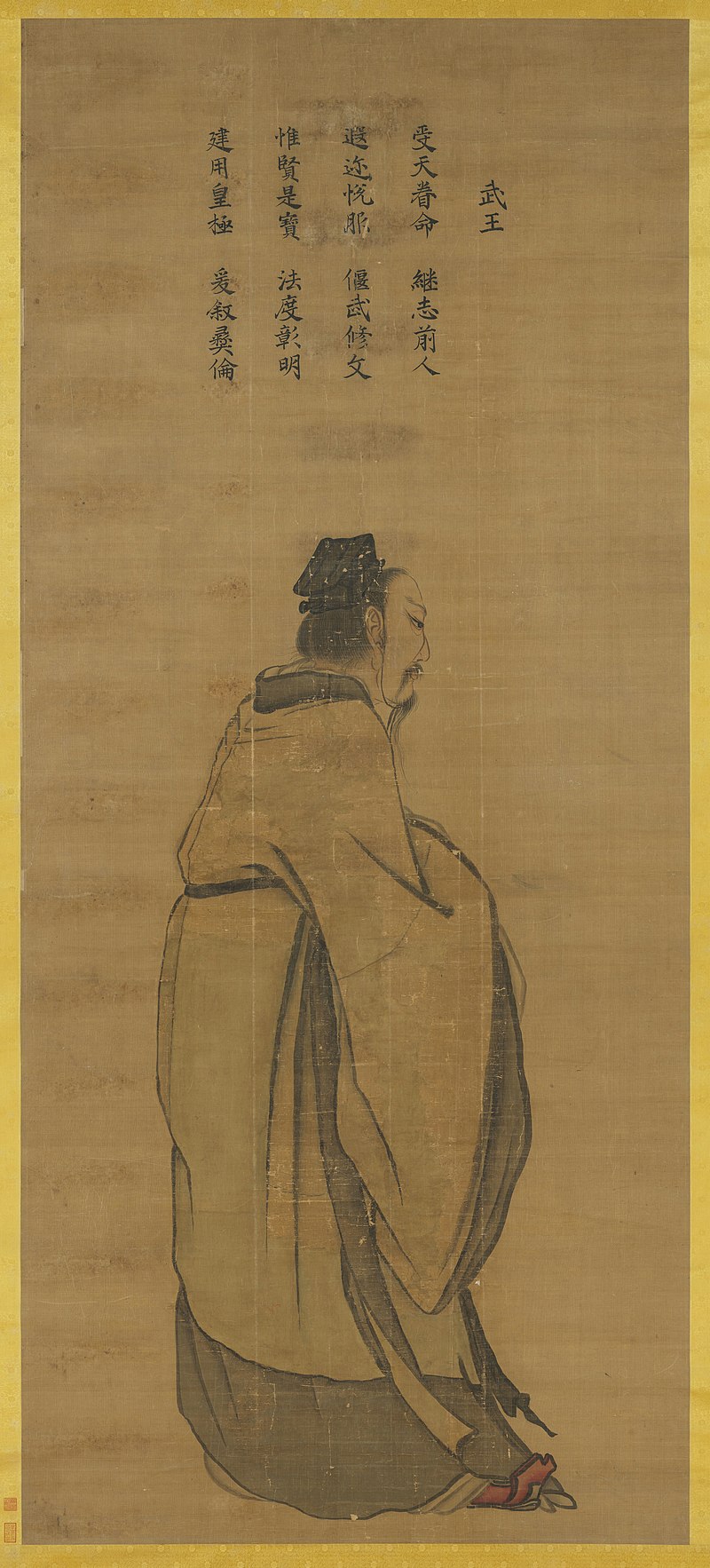
King Wu of Zhou
founder of China's Zhou dynasty

Ladislaus II of Hungary
King of Croatia and Hungary (1131-1163)

Emperor Wu of Jin
Emperor of the Jin Dynasty from 266 to 290

Tang
Legendary first king of the Shang dynasty in ancient China

King Andrianampoinimerina
Andrianampoinimerina () (c. 1745–1810) ruled the Kingdom of Imerina on Madagascar from 1787 until his death. His reign was marked by the reunification of Imerina following 77 years of civil war, and the subsequent expansion of his kingdom into neighboring territories, thereby initiating the unification of Madagascar under Merina rule. Andrianampoinimerina is a cultural hero and holds near mythic status among the Merina people, and is considered one of the greatest military and political leaders in the history of Madagascar.
Habibullāh Kalakāni
Reaver of Afghan Nation (1929)
Ashraf Hotaki
Hotak emir of Afghanistan (died 1730)

Treniota
Treniota (also spelled Troniata; ; – 1264) was Grand Duke of Lithuania from 1263 to 1264.
Canute II of Sweden
King of Sweden

Amulius
thumb|Miniature from the Constantine Manasses portraying Amulius' rape of his niece Ilia (14th century)
In Roman mythology, Amulius () was king of Alba Longa who ordered the death of his infant, twin grandnephews Romulus, the eventual founder and king of Rome, and Remus. He was deposed and killed by them after they survived and grew to adulthood.
usurper
A usurper is an illegitimate or controversial claimant to power, often but not always in a monarchy. In other words, one who takes the power of a country, city, or established region for oneself, without any formal or legal right to claim it as one's own. Usurpers can rise to power in a region by often unexpected physical force such as via a coup d'état, as well as through political influence and deceit.
Eucratides I
Greco-Bactrian king from 172/171 BC to 145 BC
Wu
Founding Liang emperor from 502 to 549
Simeon Uroš
politician (1326-1371)
Emperor Taizu of Later Liang
Chinese warlord and Later Liang emperor from 907 to 912

Gezo
thumb|The Royal flag of Ghezo
Ghezo, also spelled Gezo, was King of Dahomey (present-day Republic of Benin) from 1818 until 1858. Ghezo replaced his brother Adandozan (who ruled from 1797 to 1818) as king through a coup with the assistance of the Brazilian slave trader Francisco Félix de Sousa. He ruled over the kingdom during a tumultuous period, punctuated by the British blockade of the ports of Dahomey in order to stop the Atlantic slave trade.
Otto Witte
German circus acrobat and fantasist (1872-1958)
Timarchus
Timarchus (Greek: Τίμαρχος, Tímarchos) also known as Timarch, was a Greek noble and a satrap of the Seleucid Empire during the reign of his ally King Antiochus IV Epiphanes. After Antiochus IV's death, he styled himself an independent ruler in his domain in the Persian east of the Empire from around 163–160 BC, and may have even sought to entirely usurp leadership of the entire empire. He gained an alliance with the Roman Republic, which sought to weaken the Seleucid Empire by promoting internal divisions; both Rome and Timarchus distrusted the new king Demetrius I. Demetrius rode east a
Ashur-dugul
Aššūr-dugul, inscribed maš-šur-du-gul, “Look to (the god) Aššur!”, was the king of Assyria probably during the 18th century BC, a period of confusion in Assyrian history. Reigning for six years, he was the 44th ruler to be listed on the Assyrian Kinglist, and was designated by the list as a usurper succeeding the dynasty founded by Shamshi-Adad I.
Vlad I the Usurper
Romanian ruler of Wallachia
Ramadipathi I
Cambodian King (1642-1658)
Scribonius
claiment to the throne of the Bosporan Kingdom in 17 BC
Jean-Baptiste Dutrou-Bornier
French mariner
Fer Corb
Irish sovereign
Mug Corb
Irish sovereign
Úgaine Mór
66th High King of Ireland
Nyaung-u Sawrahan
king of Pagan
Cobthach Cóel Breg
mythical character

Nia Segamain
Irish High King
Adamair
Adamair (Adammair, Adhamair, Amadir), son of Fer Corb, was, according to medieval Irish legends and historical traditions, a High King of Ireland. He came from Munster, killed the previous incumbent, Ailill Caisfhiaclach, and reigned for five years, until he was killed by Eochaid Ailtleathan. The Lebor Gabála Érenn synchronises his reign with that of Ptolemy V Epiphanes in Egypt (204–181 BC). The chronology of the Annals of the Four Masters dates his reign to 418–414 BC, the chronology of Geoffrey Keating's Foras Feasa ar Éirinn to 290–285 BC. He was the husband of the presumed goddess Flidais
Connla Cáem
Irish sovereign
Rechtaid Rígderg
Irish sovereign
Óengus Ollom
Irish sovereign
Mohnyin Thado
King of Ava
Meilge Molbthach
Irish king
Énna Aignech
Irish sovereign
Miecław
Miecław (; 10th/11th century – 1047) was a cup-bearer of king Mieszko II Lambert, who in c. 1038 had proclaimed independence of the state that he ruled, from the Duchy of Poland, beginning the rebellion that lasted until his death in 1047.
Bresal Bó-Díbad
Supposed High King of Ireland
Eochaid Ailtlethan
Irish sovereign
Dui Dallta Dedad
Argimund
Argimund was a Visigothic usurper who briefly claimed the kingship in 589–590 before being put down by the legitimate sovereign, Reccared I.
Óengus Tuirmech Temrach
Irish sovereign
Iudila
thumb|300px | Tremissis de Iudila
Iudila was a noble Visigoth who proclaimed himself king between the years 631? and 633?.
Bodbchad
Badbchaid, son of Eochu Buadach, son of Dui Ladrach, was, according to late sources, briefly a High King of Ireland. The Lebor Gabála Érenn says Bodbchad murdered his brother, the High King Úgaine Mór, who was succeeded directly by his son Lóegaire Lorc. However, Geoffrey Keating and the Annals of the Four Masters agree that, after killing Úgaine, Bodbchad took the throne for a day and a half, after which Lóegaire killed him. The Lebor Gabála synchronises Úgaine's reign to that of Ptolemy II Philadelphus (281–246 BC). The chronology of Keating's Foras Feasa ar Éirinn dates Bodbchad's reign to
Duke Xian of Qi
ruler of Qi
Crimthann Coscrach
monarch
Kunhsaw Kyaunghpyu
king of Pagan
Yeshe Gyatso
6th Dalai Lama
Lugaid Luaigne
Sale Ngahkwe
King of Pagan dynasty of Burma
Rudraige mac Sithrigi
High King of Ireland
Duke Tai of Tian Qi
ruler of the Chinese state of Qi from 386 to 384 BC