Category
page 1Veils

burqa
thumb|Women wearing burqas in Afghanistan

niqab
A niqāb, niqab, or niqaab (; ), also known as a ruband () or rubandah (), is a long garment worn by some Muslim women, in order to cover their entire body and face, excluding their eyes. It is an interpretation in Islam of the concept of hijab, and is worn in public and in all other places where a woman may encounter non-mahram men. Most prevalent in the Arabian Peninsula, the niqab is a controversial clothing item in many parts of the world, including in some Muslim-majority countries.

veil
thumb|right|upright|Roman statue of a veiled Vestal Virgin
.jpg)
chador
thumb|Girls planting trees in [[Mashhad on Arbor Day wearing chador]]

paranja
thumb|Uzbek paranja
thumb|Tajik faranji on display in the

mantilla
thumb|Side angle shot of a blond mantilla
yashmak
A yashmak, yashmac or yasmak (from , "a veil") is a Turkish, Egyptian and Turkmen type of veil or niqāb| worn by women to cover their faces in public. During the Ottoman Empire, the garment eventually became transparent in the middle part of the 19th century. Upper-class women wore the transparent yashmak, while the peasants still had to cover their faces.
Veil of Veronica
sweat cloth relic of St. Veronica
World Hijab Day
awareness day and annual event founded by Nazma Khan which encourage women to wear the hijab, to acquaint with the experience of wearing it, to educate and spread awareness on why hijab is worn, to promote wider acceptence of hijab wearing
tagelmust
REDIRECT Litham#Tagelmust or Afrwal or litham
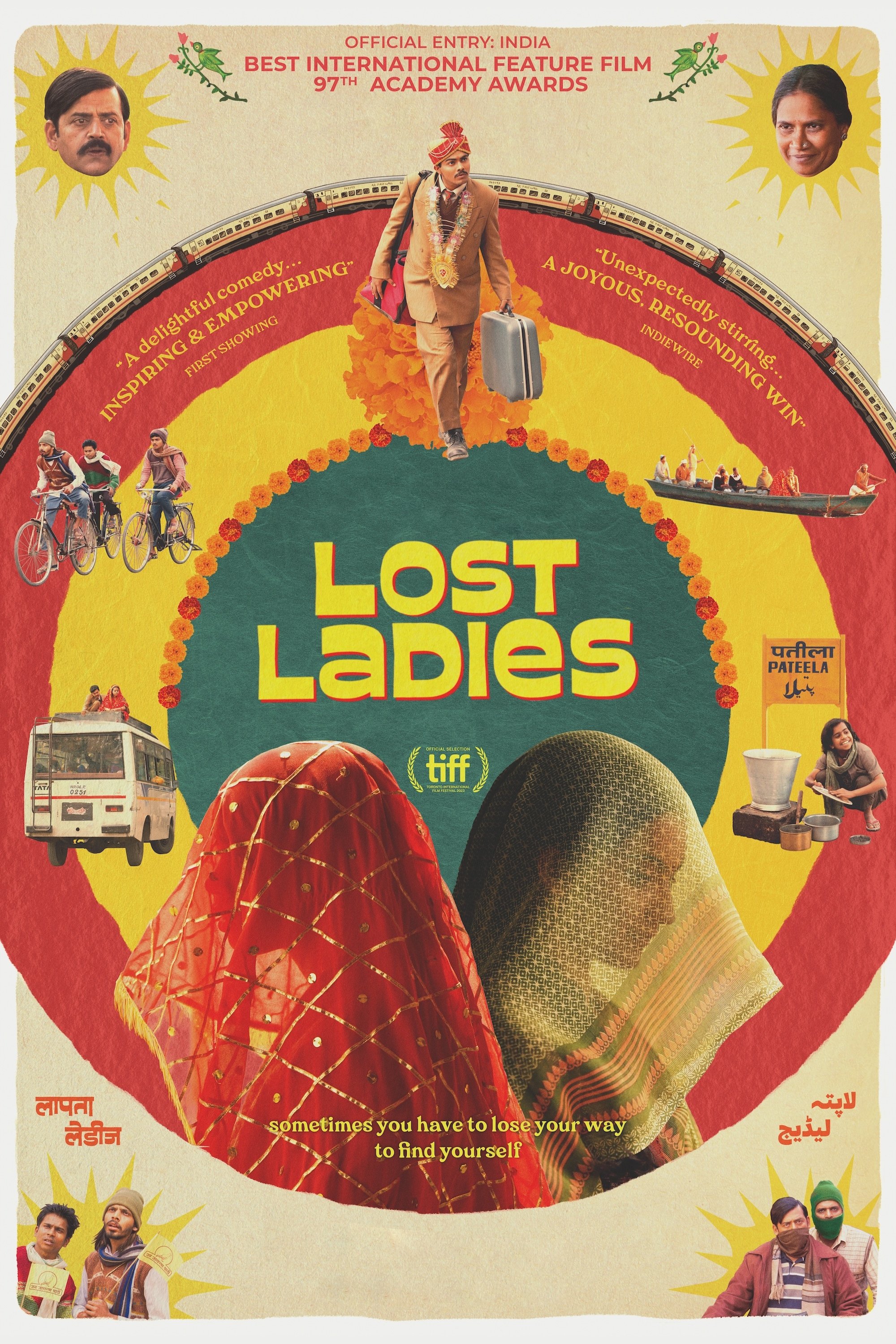
Laapataa Ladies
2023 film by Kiran Rao
Christian headcovering
religious head covering for women in Christianity

Shayla
Shayla () is an Islamic head covering worn by some Muslim women in the presence of any male outside of their immediate family. It is different from a khimar, because it is usually wrapped and pinned. Sometimes it is worn in the form of a half niqab with part of the face still appearing.
thumb|Two mannequins with the left wearing a shayla and the right wearing a niqab

boshiya
thumb|Boshiya
A boshiya (also called a bushiyyah or ghatwa) is a Middle Eastern garment that, though see-through by the wearer, covers the wearer's face completely by a veil without openings for their eyes. It is traditionally worn with an abaya or other overgarment.
Haredi burqa sect
subgroup of ultra-Orthodox Jewish women who wear a loose opaque robe and head-to-toe black covering outside the home

litham
Litham (, sometimes pronounced lifam) is a mouth-veil which the Tuareg and other West and North African (namely Sahelian) nomads, particularly men, have traditionally used to cover the lower part of their face.
list of types of sartorial hijab
Wikimedia list article
jangot
thumb|right|Jang-ot|272x272px
A jang-ot (), also known as janot, jang-eui, or jang-ui (), is a type of po worn by women of the Joseon Dynasty period as a headdress or veil to cover their faces by the mid-18th century. They were mostly worn by commoners but not exclusively. Jang-ot was originally a form of men's po called jang-ui, which was worn in 15th century. The jang-ui started to be worn by women as an overcoat in early Joseon, even becoming a popular fashion item for women of high status. It was previously one of the most representative women's overcoats; it was worn as a women's overcoat
Veil of Isis
metaphor for the inaccessibility of nature's secrets
Tudong
thumb|Variety of tudongs (tudung) sold in Malaysia.