Category
page 1Verbenaceae genera

Verbena
Verbena (), also known as vervain or (in obsolete spelling) verveine, is a genus in the family Verbenaceae. It contains about 150 species of annual and perennial herbaceous or semi-woody flowering plants. The majority of the species are native to the Americas and Asia; however, Verbena officinalis, the common vervain or common verbena, is the type species and native to Europe.

Lantana
thumb|Lantana Violet color from Arecode, Kerala, India

Duranta
Duranta is a genus of flowering plants in the verbena family, Verbenaceae. It contains 17 species of shrubs and small trees that are native from southern Florida to Mexico and South America. They are commonly cultivated as hedges and ornamental plants.

Aloysia
Aloysia is a genus of flowering plants in the verbena family, Verbenaceae. They are known generally as beebrushes. They are native to the Americas, where they are distributed in temperate climates, as well as in subtropical and desert climates. The genus is named for Maria Luisa of Parma (1751-1819), wife of King Charles IV of Spain.

Stachytarpheta
Stachytarpheta is a plant genus in the verbena family (Verbenaceae). The flowers are rich in nectar and popular with many butterflies, such as the South Asian crimson rose, Malabar banded swallowtail, and grass yellow. Hummingbirds, especially small species like Lophornis coquettes, Chlorostilbon emeralds, and Discosura thorntails, are especially attracted for nectar. Several species in this genus are known as porterweeds. In Australia the genus is known as snakeweed.
Citharexylum
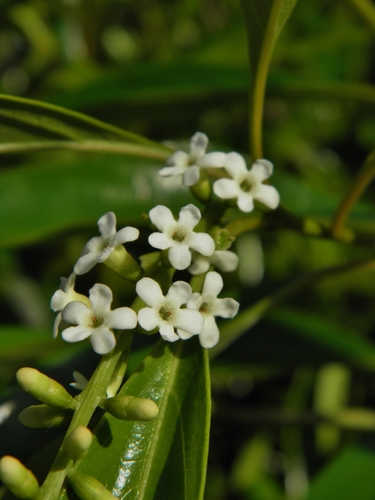
Citharexylum is a genus of flowering plants in the verbena family, Verbenaceae. It contains shrub and tree species commonly known as fiddlewoods or zitherwoods. They are native to the Americas, ranging from southern Florida and Texas in the United States to Argentina. The highest diversity occurs in Mexico and the Andes. The generic name is derived from the Greek words κιθάρα (kithara), meaning "lyre", and ξύλον (xylon), meaning "wood," referring to the use of the wood in the sounding boards of string instruments. Several species, especially C. caudatum and C. spinosum, are cultivated as ornam

Lippia
Lippia is a genus of flowering plants in the verbena family, Verbenaceae. It was named after Augustin Lippi (1678–1705), a French naturalist and botanist (with Italian origins). He was killed in Abyssinia. The genus contains roughly 200 species of tropical shrubs that are found around the world. Plants are fragrant due to their essential oils, which vary between species but may include estragole, carvacrol, linalool or limonene. The leaves of certain species, such as L. graveolens, can be used as a culinary herb similar to oregano.

Phyla
genus of plants

Petrea
Petrea is a genus of evergreen flowering vines native to tropical Americas, ranging from Florida and northeastern Mexico to Bolivia, Paraguay, and southern Brazil.

Tamonea
Tamonea is a genus of flowering plants belonging to the family Verbenaceae.

Glandularia
Glandularia, commonly called mock vervain, is a genus of plants in the family Verbenaceae. It contains 90 species, all of which are native to the Americas, although some have naturalised in other parts of the world. Glandularia was previously treated as a synonym of a subgenus of Verbena.
Rhaphithamnus
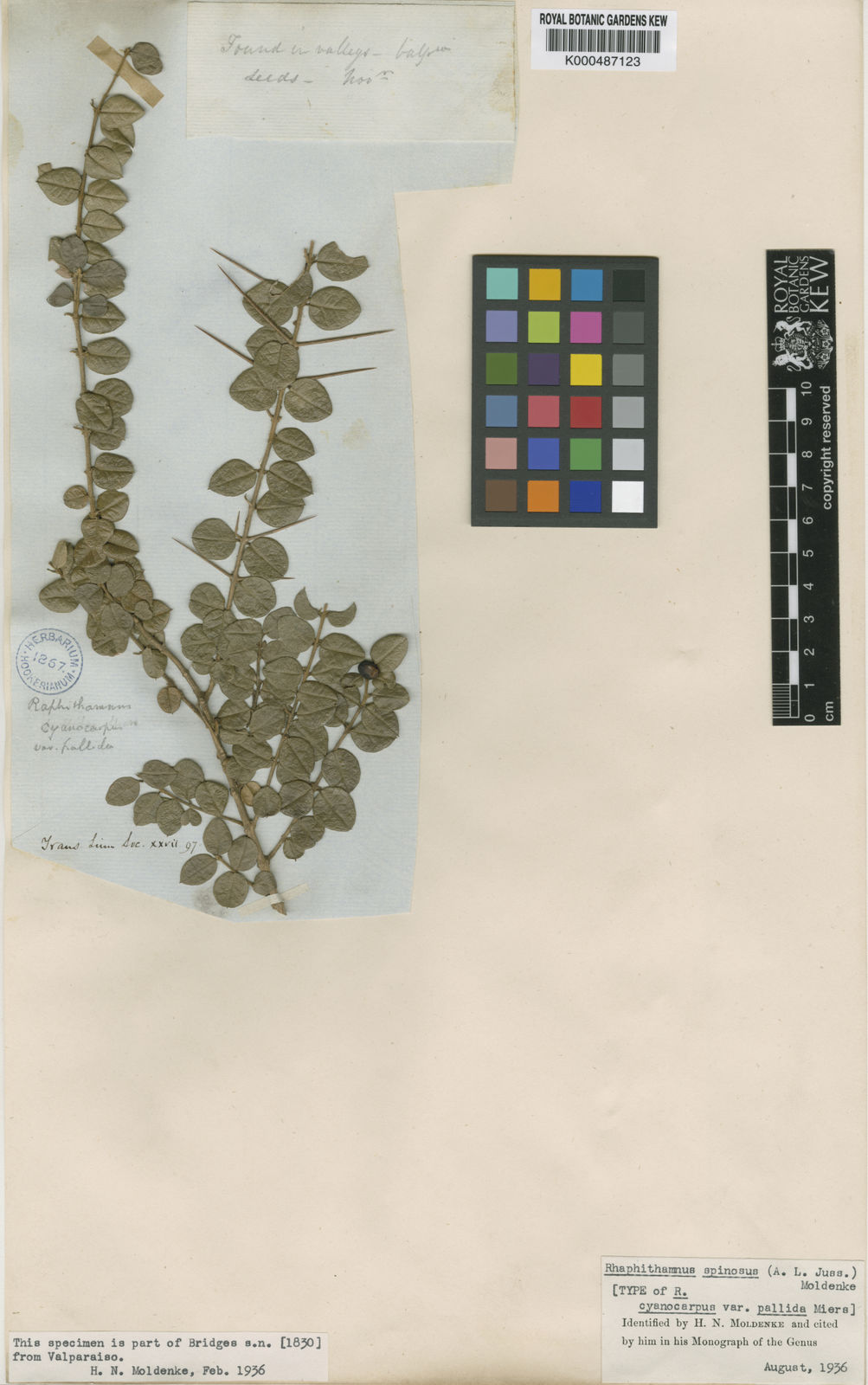
Rhaphithamnus is a genus of flowering plants in the family Verbenaceae.
Priva
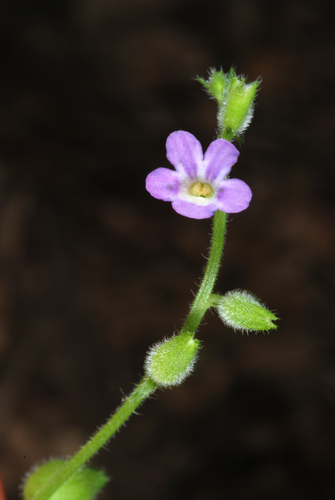
Priva is a genus of plant in family Verbenaceae. It contains the following species (but this list may be incomplete):
Priva auricoccea, A.Meeuse
Priva socotrana, Moldenke
Nashia
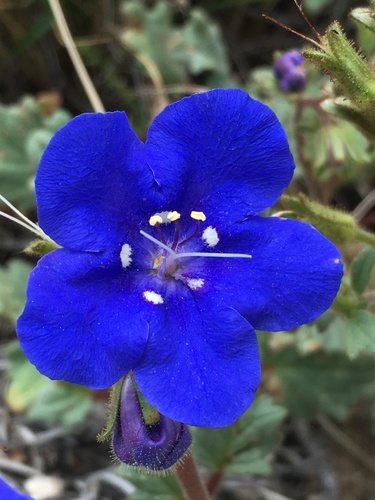
Nashia is a genus of flowering plant in the vervain family, Verbenaceae.
==Classification and revision==
Until recently, there were 7 known species to exist within the genus Nashia. However, the seven species placed in the genus Nashia were revised, based on the near totality of the (scant) material found in the world's herbaria. A morphological analysis of, in particular, the calyx and fruit reveals the heterogeneity of the genus.
As a result, Nashia was reduced to its single original species, N. inaquensis, described from Great Inagua, Bahamas (where it's considered to have been introduced)
Bouchea
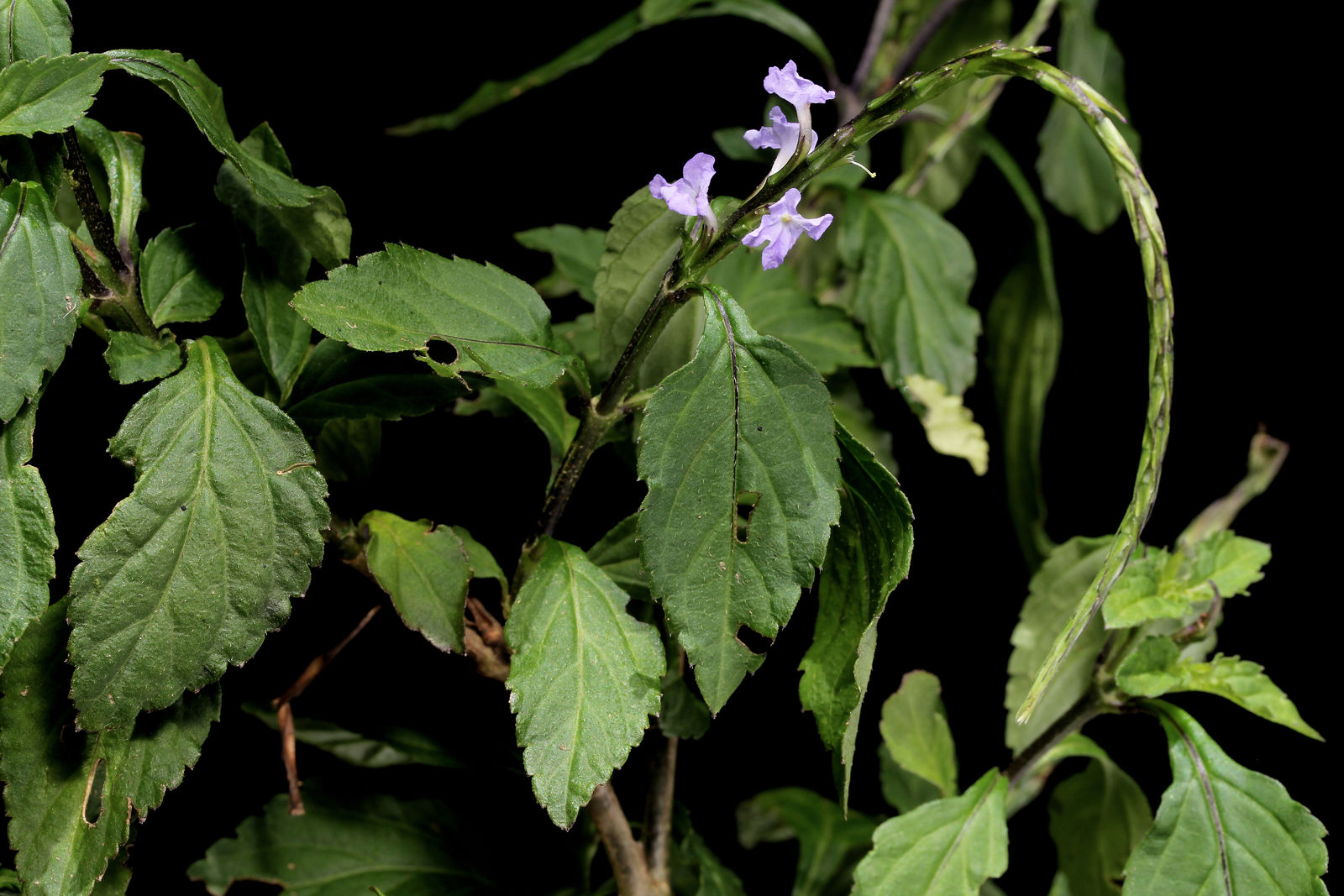
Bouchea is a genus of flowering plant belonging to the family Verbenaceae.
Recordia
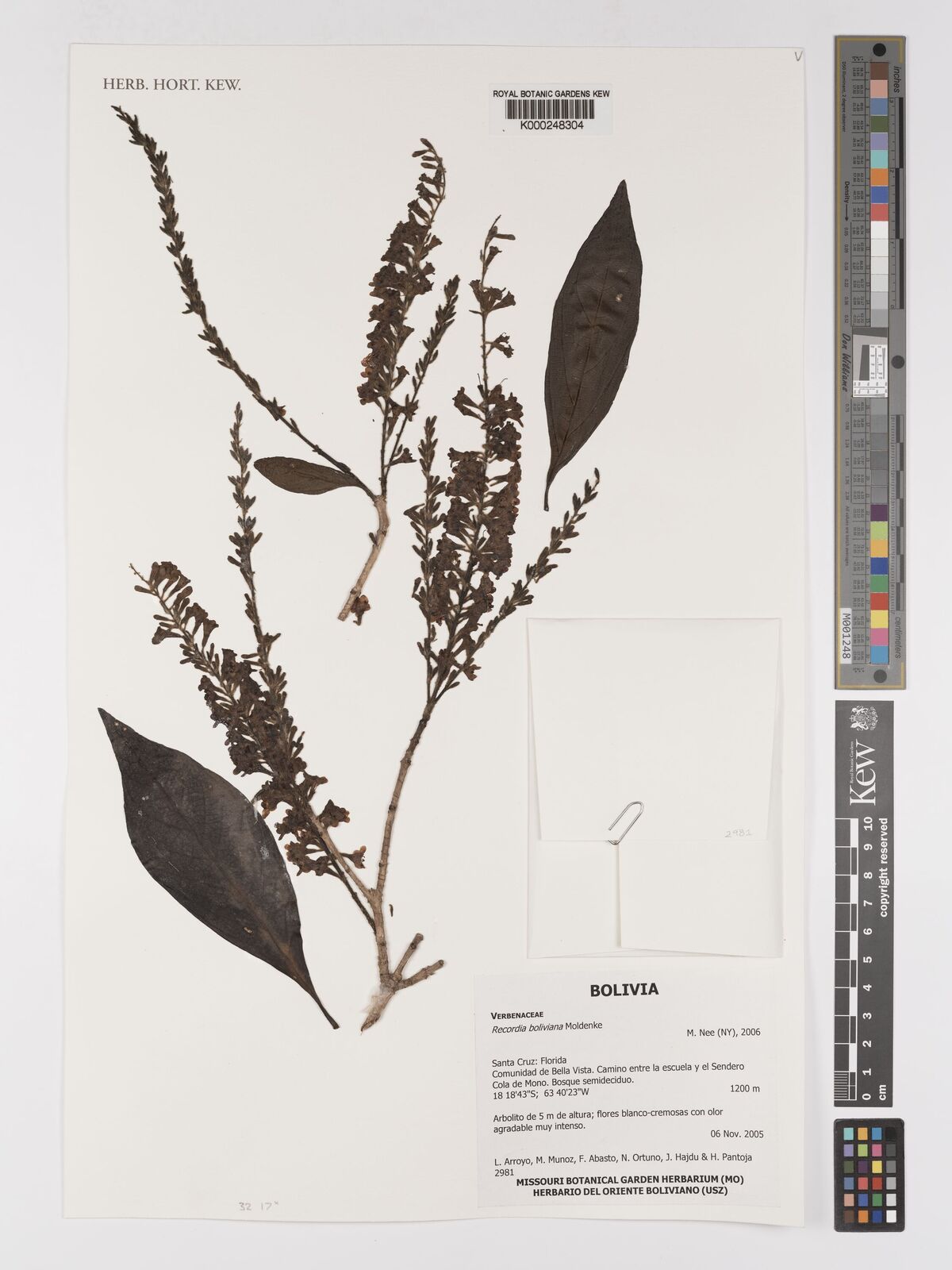
Recordia is a genus of flowering plants belonging to the family Verbenaceae.
Parodianthus
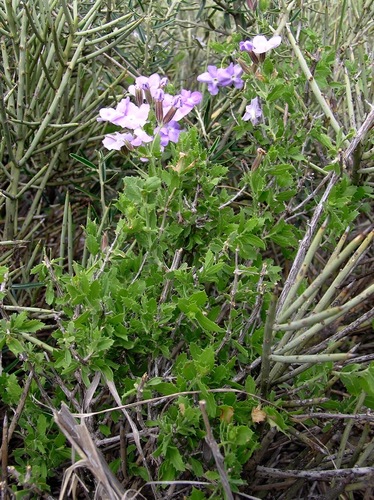
Parodianthus is a genus of flowering plants belonging to the family Verbenaceae.
Junellia
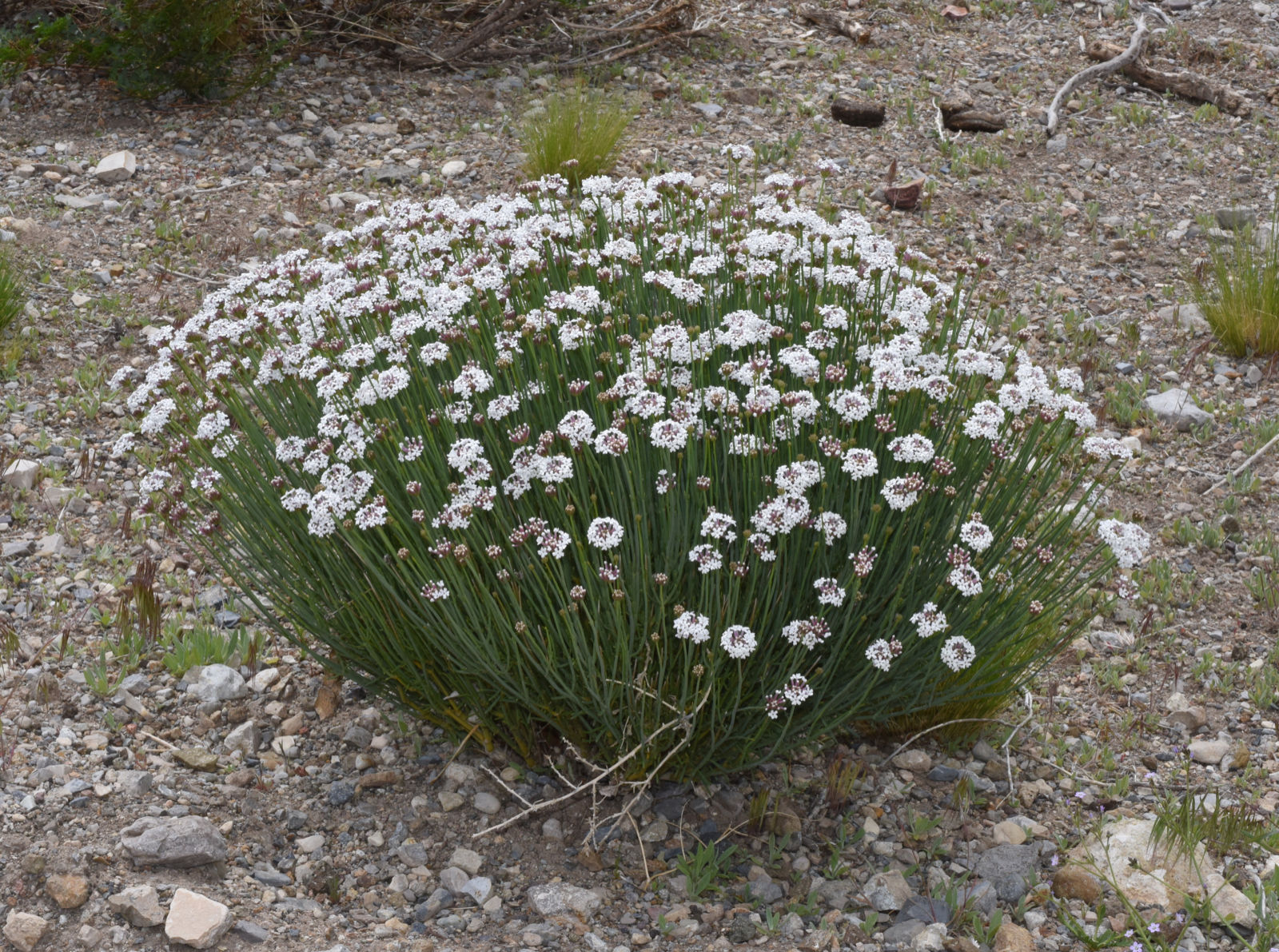
Junellia is a genus of flowering plants in the verbena and vervain family Verbenaceae, native to the Andes, Patagonia, and the Falkland Islands.
Coelocarpum
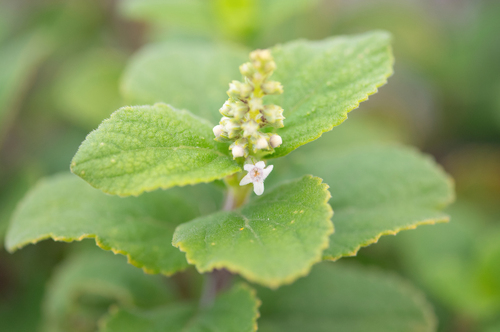
Coelocarpum is a genus of flowering plants belonging to the family Verbenaceae.
Neosparton
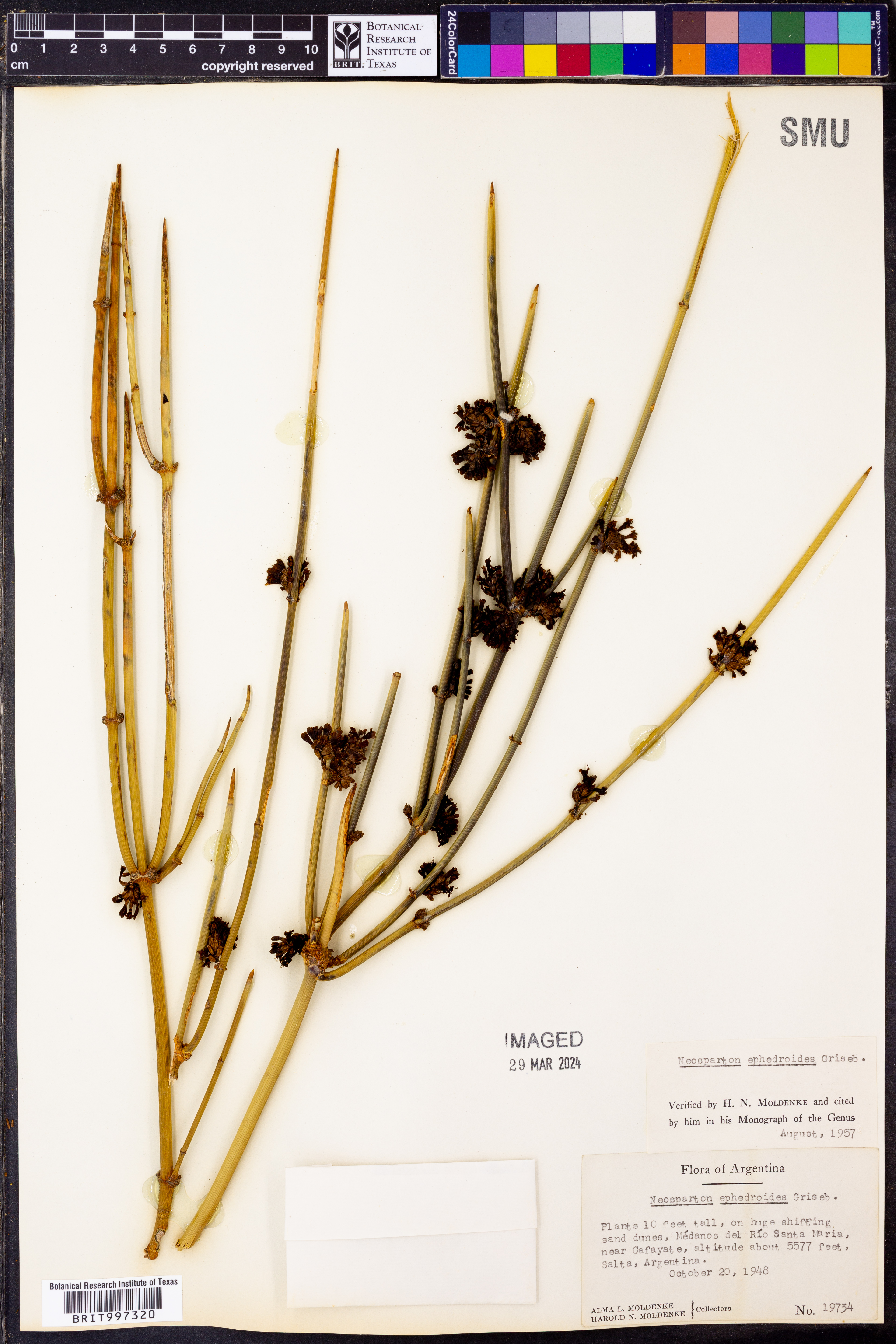
Neosparton is a genus of flowering plants belonging to the family Verbenaceae.
Dipyrena
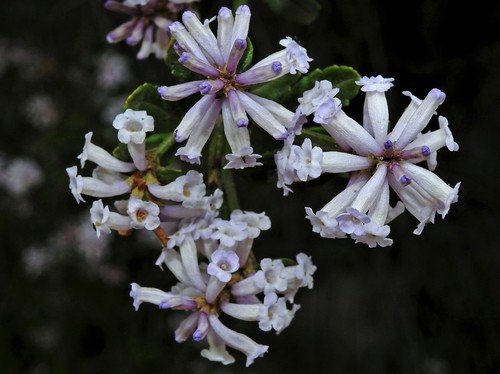
Dipyrena is a genus of flowering plants belonging to the family Verbenaceae.
Lampayo
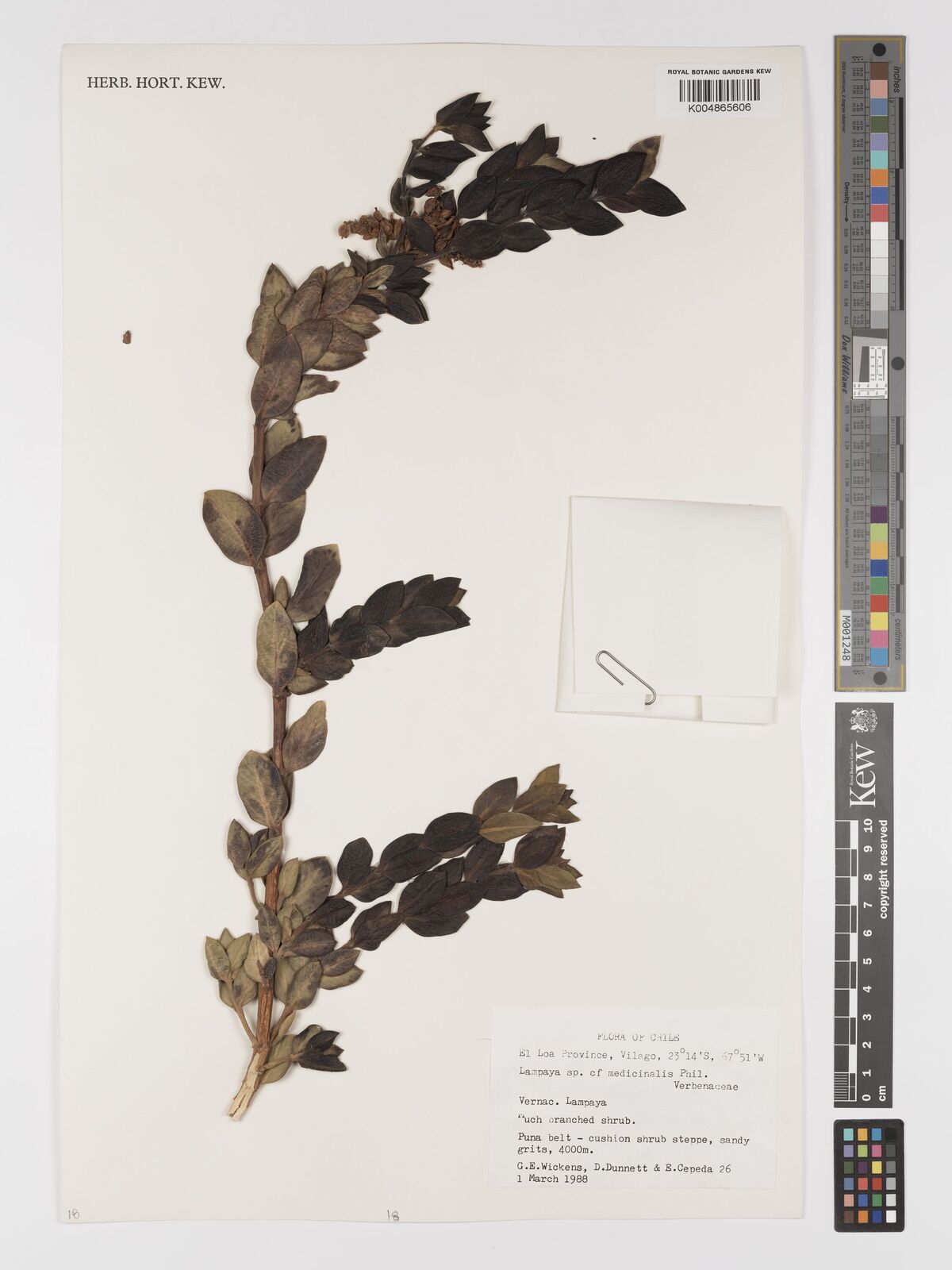
Lampayo is a genus of flowering plants belonging to the family Verbenaceae.
Diphyllocalyx
Diphyllocalyx is a genus of flowering plants belonging to the family Verbenaceae.
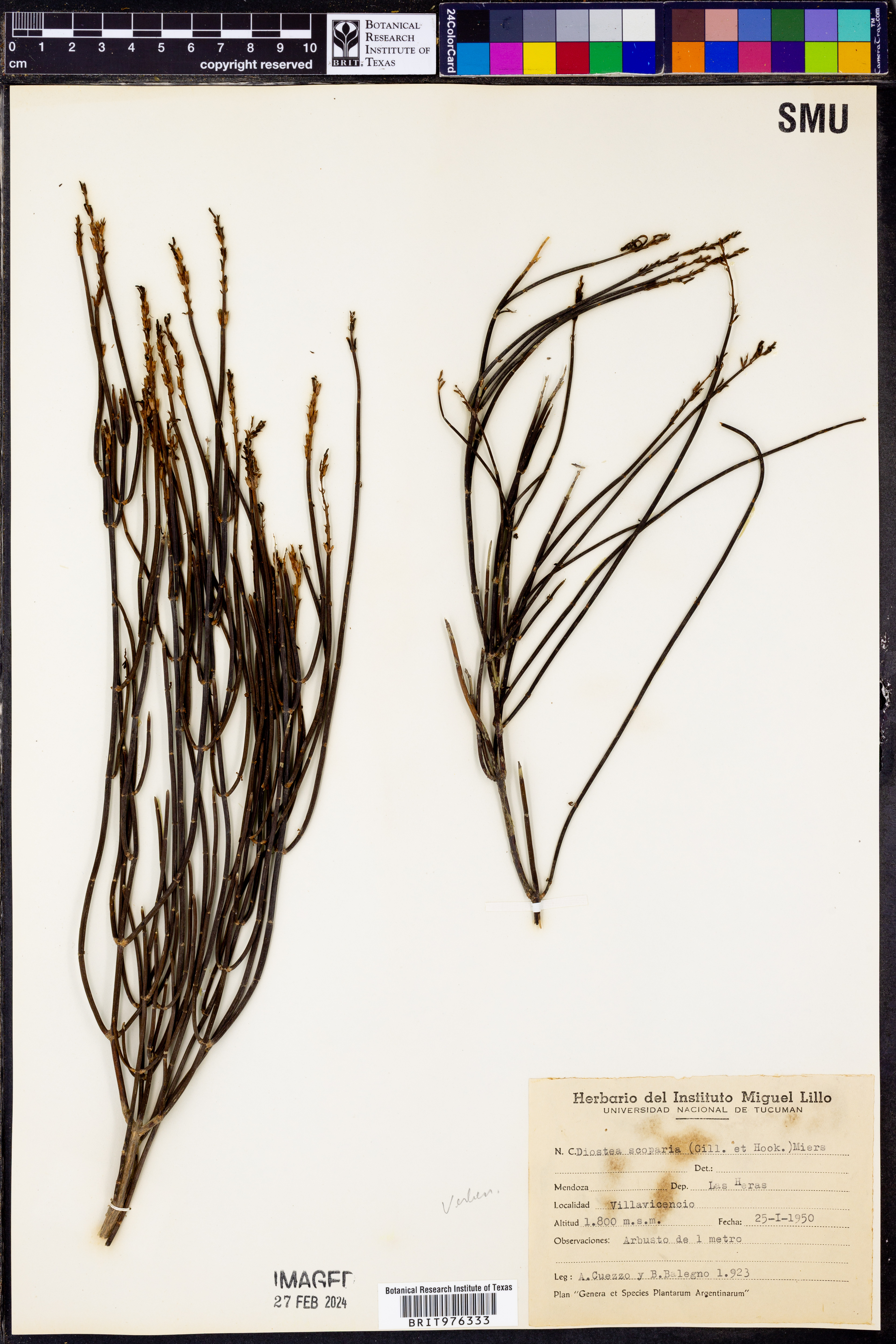
Diostea
Diostea is a monotypic genus of flowering plants belonging to the family Verbenaceae. The only species is Diostea juncea.

Chascanum
Chascanum is a genus of flowering plants belonging to the family Verbenaceae.
Mulguraea
Mulguraea is a genus of flowering plants belonging to the family Verbenaceae.
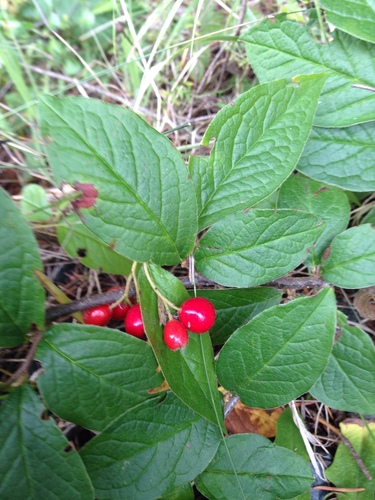
Rehdera
Rehdera is a genus of flowering plants belonging to the family Verbenaceae.
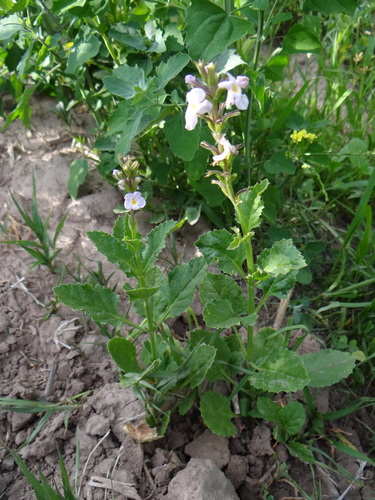
Pitraea
Pitraea is a monotypic genus of flowering plants belonging to the family Verbenaceae. It only contains one known species, Pitraea cuneato-ovata (Cav.) Caro
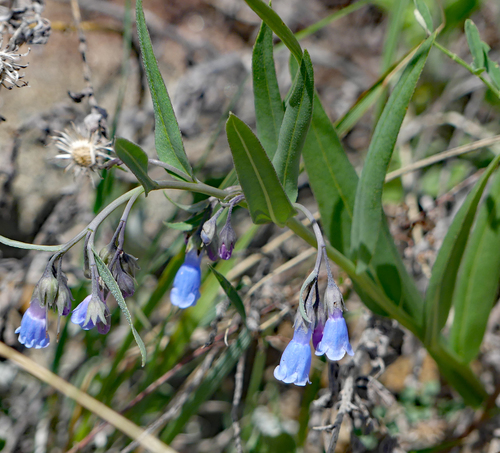
Casselia
Casselia is a small genus of flowering plants in the verbena family (Verbenaceae) first named in 1823. Plants in the genus Casselia are native to South America.
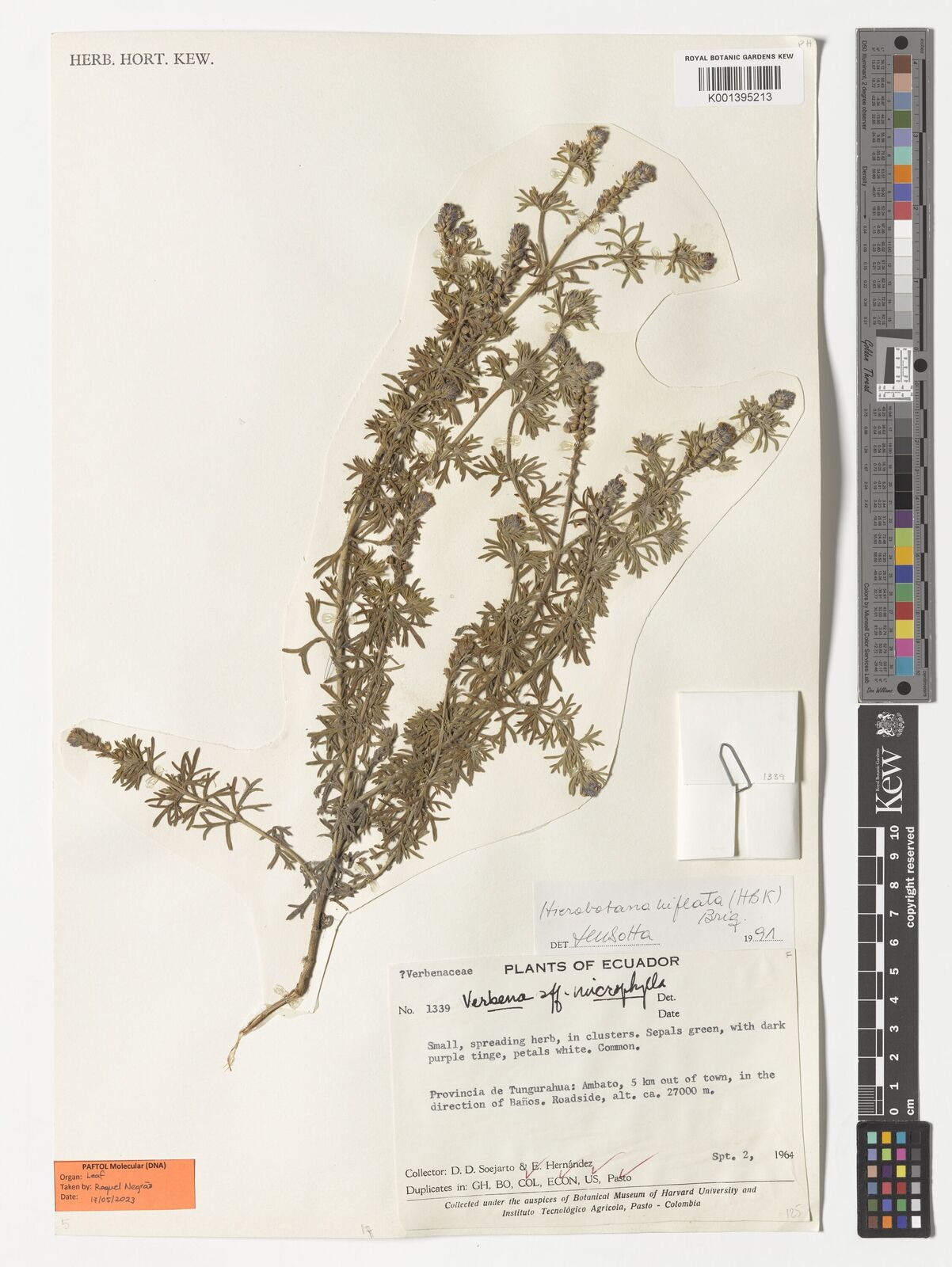
Hierobotana
Hierobotana is a monotypic genus of flowering plants belonging to the family Verbenaceae. The only species is Hierobotana inflata.