Category
page 1Verongimorpha
Aplysina aerophoba
species of sponge

Aplysina archeri
species of sponge

Aplysina cavernicola
species of sponge
Verongiida
Verongiida (also known as Verongida) is an order of sea sponges within the phylum Porifera. The "skeleton" in these sponges is made up of spongin, rather than of spicules. They live in marine environments. The name was proposed by Patricia Bergquist in 1978.
Aplysina fistularis
species of sponge

Ianthella basta
species of sponge

Aplysina
Aplysina is a genus of sea sponges in the order Verongiida. It was first authenticated and described by Giovanni Domenico Nardo in 1834.
Aplysinidae
Aplysinidae is a family of sea sponges in the order Verongiida. Its growths are either shaped like a fan or a club. Contained within the family are three recognized genera and six unrecognized ones. It was first authenticated and described by Henry John Carter in 1875.
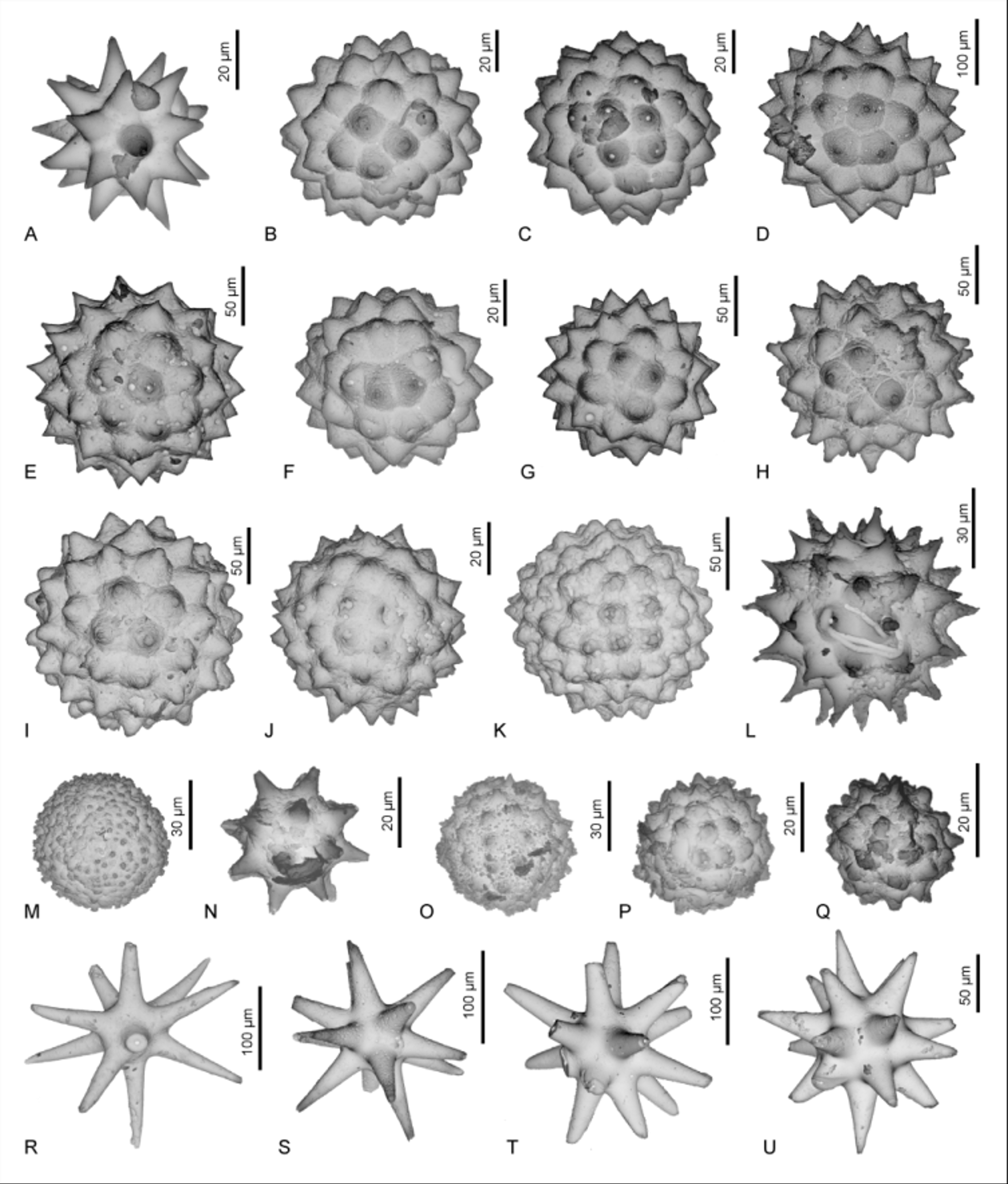
Chondrillidae
Chondrillidae is a family of sea sponges within the order Chondrillida.
Aplysinellidae
Aplysinellidae is a family of sponges belonging to the order Verongiida. The family was first described in 1980 by Patricia Bergquist.
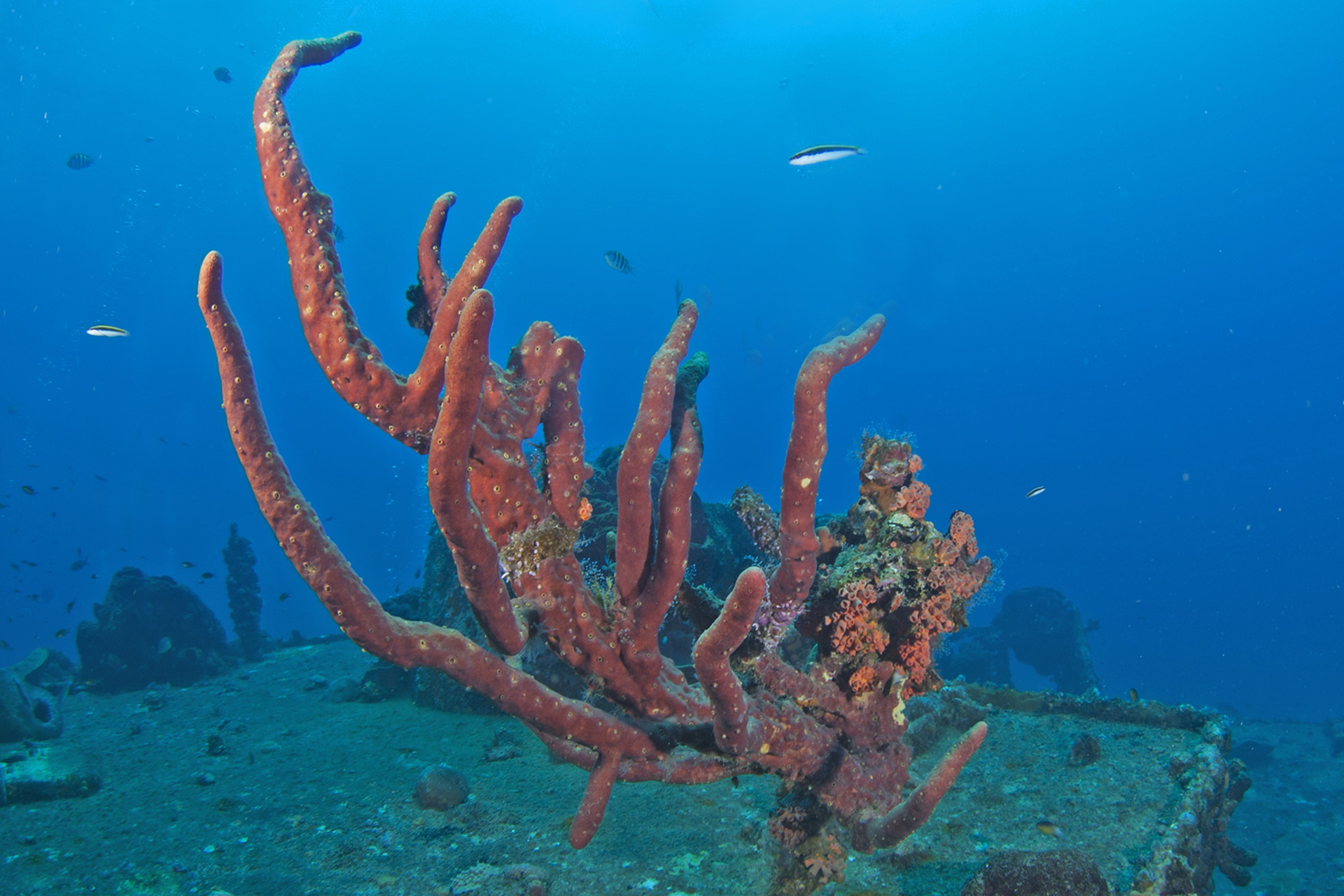
Aplysina cauliformis
species of sponge
Ianthellidae
Ianthellidae is a family of sponges belonging to the order Verongiida.
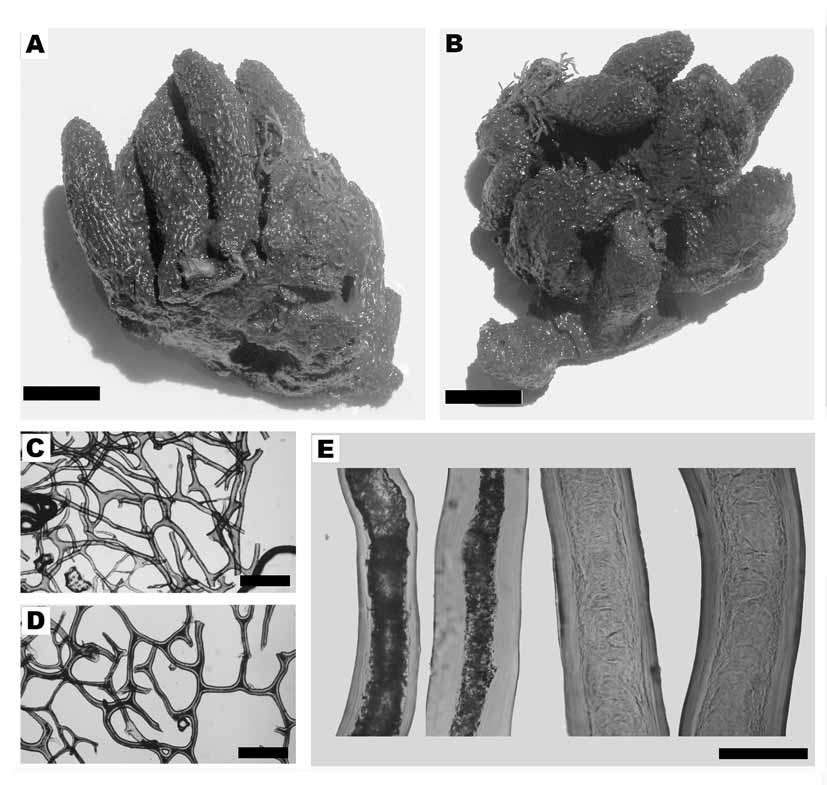
Aplysina fulva
species of sponge
Aplysina insularis
species of sponge
Chondrillida
Chondrillida is an order of sea sponges within the subclass Verongimorpha.

Ianthella
Ianthella is a genus of sponges belonging to the family Ianthellidae. The species of this genus are found in Australia, Africa and Central America.
Aiolochroia crassa
species of sponge
Pseudoceratinidae
Pseudoceratinidae is a family of sponges belonging to the order Verongiida.

Pseudoceratina
Pseudoceratina is a genus of sponge within the family Pseudoceratinidae. They are characterized by possession of a dendritic fiber skeleton lacking laminar bark but containing pith. They have been found in a variety of habitats including the Great Barrier reef (Queensland, Australia) and the Red Sea. Sponges of this genus have a microbiome known to produce a variety of chemicals that are used in pharmaceutical and anti-fouling activities. Notably, a species in this genus produces a chemical that is effective in inhibiting the migration of metastatic breast cancer cells.

Halisarca caerulea
species of parazoan
Vauxia
Vauxia is an extinct genus of demosponge that had a distinctive branching mode of growth. Each branch consisted of a network of strands. Vauxia also had a skeleton of spongin (flexible organic material) common to modern day sponges. Much like Choia and other sponges, Vauxia fed by extracting nutrients from the water.
Suberea
Suberea is a genus of sponges belonging to the family Aplysinellidae.
Chondrosiida
Chondrosiida is an order of sea sponges within the subclass Verongimorpha. Chondrosia reniformis is a unique marine sponge known as the kidney sponge due to its shape and texture. It is primarily found in the Mediterranean Sea and the eastern Atlantic Ocean, typically inhabiting shallow coastal waters.
Verongimorpha
Verongimorpha is the name of a subclass of sea sponges within the phylum Porifera. It was first authenticated and described by Erpenbeck et al. in 2012.