Category
page 1Veterinary entomology
%3B%20adult%2C%20pupa%2C%20egg%20and%20lar%20Wellcome%20V0022501EL.jpg)
flea
Flea, the common name for the order Siphonaptera, includes 2,500 species of small flightless insects that live as external parasites of mammals and birds. Fleas live by ingesting the blood of their hosts. Adult fleas grow to about long, are usually dark in color, and have bodies that are "flattened" sideways or narrow, enabling them to move through their hosts' fur or feathers. They lack wings; their hind legs are extremely well adapted for jumping. Their claws keep them from being dislodged, and their mouthparts are adapted for piercing skin and sucking blood. Some species can leap 50 times t
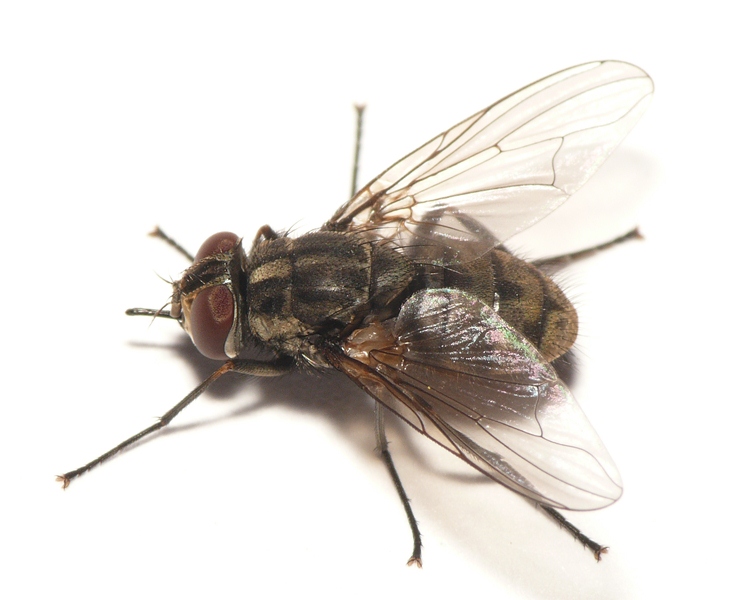
Stomoxys calcitrans
species of insect

myiasis
Myiasis ( ), also known as flystrike or fly strike, is the parasitic infestation of the body of a live animal by fly larvae (maggots) that grow inside the host while feeding on its tissue. Although flies are most commonly attracted to open wounds and urine- or feces-soaked fur, some species (including the most common myiatic flies—the botfly, blowfly, and screwfly) can create an infestation even on unbroken skin. Non-myiatic flies (such as the common housefly) can be responsible for accidental myiasis.

cat flea
species of fleas
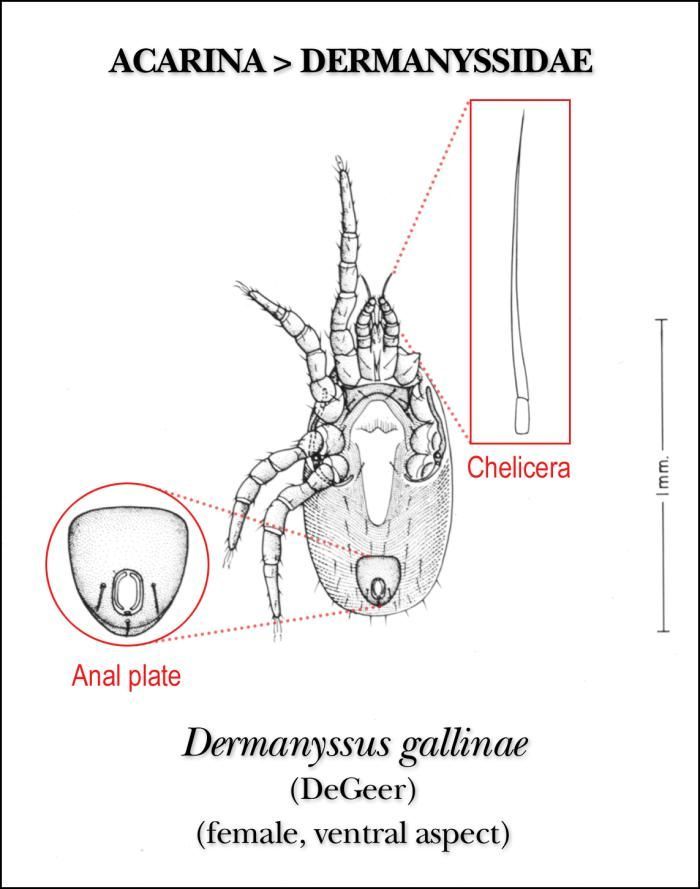
Dermanyssus gallinae
species of arthropods

Dog flea
species of fleas

Hypoderma
genus of insects

Musca autumnalis
species of insect

Culicoides
Culicoides is a genus of biting midges in the family Ceratopogonidae. There are over 1000 species in the genus, which is divided into many subgenera. Several species are known to be vectors of various diseases and parasites which can affect animals. The genus has a long fossil record, with earliest known fossils being from Burmese amber, around 99 million years old.
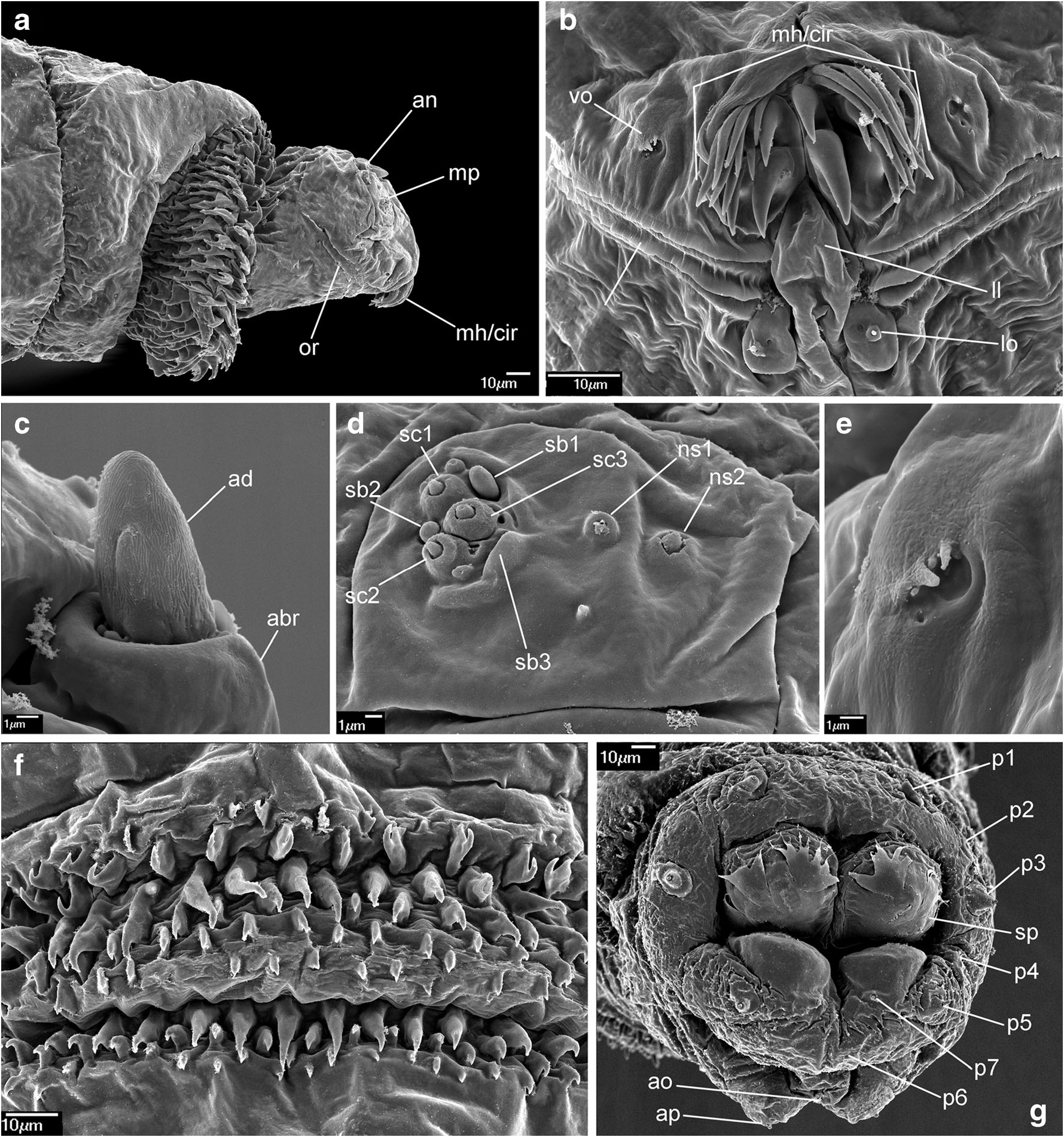
Cochliomyia hominivorax
species of insect

Oestrus ovis
species of insect

Cheyletiella
Cheyletiella is a genus of mites that live on the skin surface of dogs, cats, and rabbits.

mange
Mange (, ) is a type of skin disease caused by parasitic mites. Because various species of mites also infect plants, birds and reptiles, the term "mange", or colloquially "the mange", suggesting poor condition of the skin and fur due to the infection, is sometimes reserved for pathological mite-infestation of nonhuman mammals. Thus, mange includes mite-associated skin disease in domestic mammals (cats and dogs), in livestock (such as sheep scab), and in wild mammals (for example, foxes, coyotes, cougars, Tasmanian devils, and wombats). Severe mange caused by mites has been observed in wild bea
Haematobia irritans
species of insect

Culicoides imicola
species of insect
Gasterophilus
Gasterophilus is a genus of endoparasitic fly from the family Oestridae that affects different types of animals, especially horses, but it can also act on cows, sheep, and goats. A case has also been recorded in a human baby.
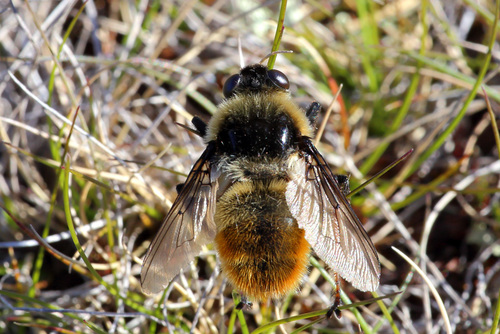
Hypoderma tarandi
species of insect

Psoroptes
Psoroptes is a genus of mites, including the agents that cause psoroptic mange.
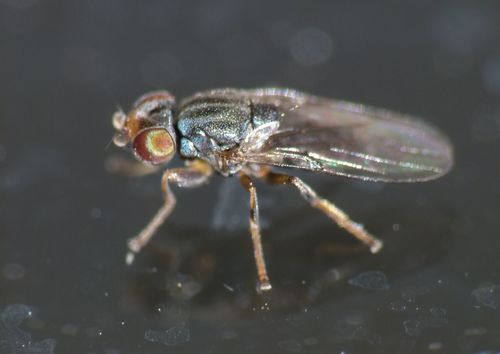
Hippelates
Hippelates is a genus of flies in the family Chloropidae that are often referred to as eye gnats or eye flies (the name is also used for members of the Old World genus Siphunculina).
Amblyomma variegatum
species of tick
ear mite
common name

Cephenemyia trompe
species of insect
Ornithonyssus sylviarum
species of Arachnida

Echidnophaga gallinacea
species of insect
Portschinskia
Portschinskia is a genus of flies. They are also known as bumblebee bot flies due to their striking resemblance to bumblebees both in habit and colour patterns. Like all bot flies they are obligate parasites whose larvae develop in mammals.

Demodex bovis
species of arachnid
Culicoidini
The Culicoidini is a tribe of biting midges.