Category
page 1Victorian poetry

Aestheticism
Aestheticism (also known as the aesthetic movement) was an art movement in the late 19th century that valued the appearance of literature, music, fonts, and the arts over their functions. According to Aestheticism, art should be produced to be beautiful, rather than to teach a lesson, create a parallel, or perform another didactic purpose, a sentiment expressed in the slogan "art for art's sake." Aestheticism flourished, in the 1870s and 1880s, gaining prominence and the support of notable writers, such as Walter Pater and Oscar Wilde. Those seen as guided by the movement were known as Aesthet

If—
"If—" is a poem by English poet Rudyard Kipling (1865–1936), written circa 1895 as a tribute to Leander Starr Jameson. It is a literary example of Victorian-era values. The poem, first published in Rewards and Fairies (1910) following the story "Brother Square-Toes", is written in the form of paternal advice to the poet's son, John.

Invictus
"Invictus" is a short poem by English poet William Ernest Henley. Henley wrote it in 1875, and in 1888 he published it in his first volume of poems, Book of Verses, in the section titled "Life and Death (Echoes)".
The Yellow Book
literary magazine
Childe Roland to the Dark Tower Came
poem by Robert Browning

Poems by Currer, Ellis, and Acton Bell
debut poetry collection (1846) by Charlotte, Emily, and Anne Brontë
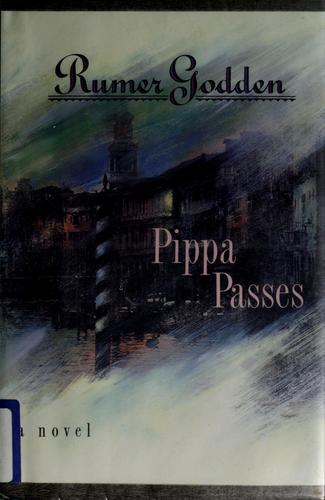
Pippa Passes
a verse drama by Robert Browning published in 1841

Lays of Ancient Rome
book by Thomas Babington Macaulay