Category
page 1Video game terminology

video game console
interactive entertainment computer or customized computer system for running video games

multiplayer video game
video game where multiple players can play together

single-player video game
video game that permits only one player

arcade video game machine
coin-operated video game machine

PC game
video game played on a PC, rather than on a console or an arcade machine

online game
video game played over the Internet

avatar
graphical representation of the user or the user's alter ego or character
open world
type of video game design
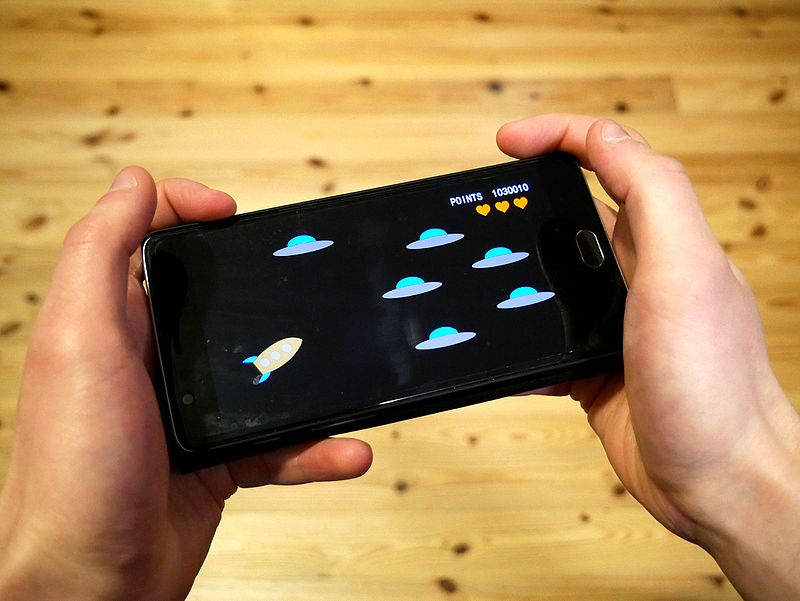
mobile game
video game played on a mobile device

non-player character
fictional character in a role-playing or video game that cannot be played or controlled by a real-world person
gameplay
Gameplay is the specific way in which players interact with a game. The term applies to both video games and tabletop games. Gameplay is the connection between the player and the game, the player's overcoming of challenges, and the pattern of player behavior defined through the game's rules.

boss
significant and especially strong enemy in video games

reboot
new start to an established fictional universe, work, or series
handheld game console
lightweight, portable electronic device used for gaming
virtual world
computer-based simulated environment populated by many users who can create a personal avatar, and simultaneously and independently explore the virtual world, participate in its activities and communicate with others
downloadable content
additional content created for a released software that users can download
free-to-play
Free-to-play (F2P or FtP) video games are games that give players access to a significant portion of their content for free. The term "free-to-play business model" or simply, "free-to-play model", refers collectively to business models that ultimately result in the creation of free-to-play games. Games that adhere to free-to-play business models are distinct from traditional premium games, which require payment before use. Free-to-play games are not to be confused with freeware games, which are entirely costless. Accordingly, free-to-play games are sometimes called "free-to-start" due to not b
indie game
games typically created by individuals or smaller development teams without the financial support of a large publisher
massively multiplayer online game
multiplayer video game which is capable of supporting large numbers of players simultaneously
browser game
game that is played using a web browser
.jpg)
gamer
thumb|Several gamers playing a multiplayer video game
health
gaming-related attribute and resource
hack and slash
video game genre that emphasizes combat with melee-based weapons
experience point
unit of measurement used in tabletop role-playing games (RPGs) and role-playing video games to quantify a player character's progression through the game
player character
character in a role-playing or video game that can be played or controlled by a real-world person

chiptune
Chiptune, also called 8-bit music (although not all chiptune is 8-bit), is a style of electronic music, and its associated subculture, made using the programmable sound generator (PSG) sound chips or synthesizers in vintage arcade machines, computers and video game consoles. The term is commonly used to refer to tracker format music using extremely basic and small samples that an old computer or console could produce (this is the original meaning of the term), as well as music that combines PSG sounds with modern musical styles.
game over
message which signals that the game has ended
level
in a video game, space available to the player in completing an objective
speedrunning
thumb|Speedrun of a SuperTux level

cutscene
thumb|250px|A cutscene in the original Pac-Man game exaggerated the effect of the Energizer power pellet [[power-up.]]
player versus player
form of gameplay
fog of war
uncertainty experienced in military operations
dungeon crawl
type of tabletop or video game
Let's Play
commenting walkthrough of a video game
time trial
race type

minigame
thumb|A "beachstickball" minigame in A Short Hike
A minigame (also spelled mini game and mini-game, sometimes called a subgame or microgame) is a short game often contained within another video game. A minigame contains different gameplay elements and is often smaller or more simplistic than the game in which it is contained.
director's cut
edited version of a film, TV episode, music video, etc. that is supposed to represent the director's own approved edit
quick time event
video game mechanic
educational entertainment
media that aims to teach viewers academic and social concepts
lag
noticeable delay in video games between the action of players and the reaction of the server
deathmatch
game mode where Kills or Frags Are maked as points

microtransactions
A microtransaction (MTX) video game business model is one where users can purchase in-game virtual goods with micropayments. Microtransactions are often used in free-to-play games to provide a revenue source for the developers. While microtransactions are a staple of the mobile app market, they are also seen on PC software such as Valve's Steam digital distribution platform, as well as console gaming.
loot box
redeemable virtual item for video game prizes
nonlinear gameplay
characteristic of a video game whose challenges can be completed in a variable order
HUD
user interface element common in video games
player versus environment
video game or mode in a video game in which the player fights computer-controlled enemies
capture the flag
traditional outdoor game
expansion pack
expansion or supplement to an existing game
achievement
meta-goal in a video game

mini-map
thumb|A mini-map (bottom right corner) as seen in Warzone 2100
A mini-map or minimap is a miniature map HUD element that is often placed at a screen corner in video games to help players in orienting themselves within the game world. They are often only a small portion of the screen and must be selective in what details they display. Elements included on mini-maps vary by video game genre, but most minimaps feature at least one or more of the following: the position of the player character, allied units, structures, enemies, objectives, and surrounding terrain.
saved game
piece of digitally stored information about the progress of a player in an electronic game
virtual economy
emergent economy existing in a virtual persistent world, usually exchanging virtual goods in the context of an Internet game
clan
organized group of video game players
quest
task in video games that a player-controlled character may complete to gain a reward and/or progress the story

power-up
In video games, a power-up is an object that adds temporary benefits or extra abilities to the player character as a game mechanic. This is in contrast to an item, which may or may not have a permanent benefit that can be used at any time chosen by the player. Although often collected directly through touch, power-ups can sometimes only be gained by collecting several related items, such as the floating letters of the word 'EXTEND' in Bubble Bobble. Well known examples of power-ups that have entered popular culture include the power capsules from Pac-Man (regarded as the first power-up) and th
full motion video
video game narration technique, from pre-recorded video files (often captured with motion cameras in studio)
guest appearance
participation of an outsider performer in an event or a movie
magic point
attribute and manageable resource assigned to characters within a game

permadeath
Permadeath (a portmanteau of permanent death) is a game mechanic in both tabletop games and video games in which player characters who lose all of their health are considered dead and cannot be used anymore. Depending on the situation, this could require the player to create a new character to continue, or completely restart the game potentially losing nearly all progress made. Other terms include persona death and player death. Some video games offer a hardcore mode that features this mechanic, rather than making it part of the core game.
game mechanic
construct, rule, or method designed for interaction with a game's state