Category
page 1Vietnamese Confucianists
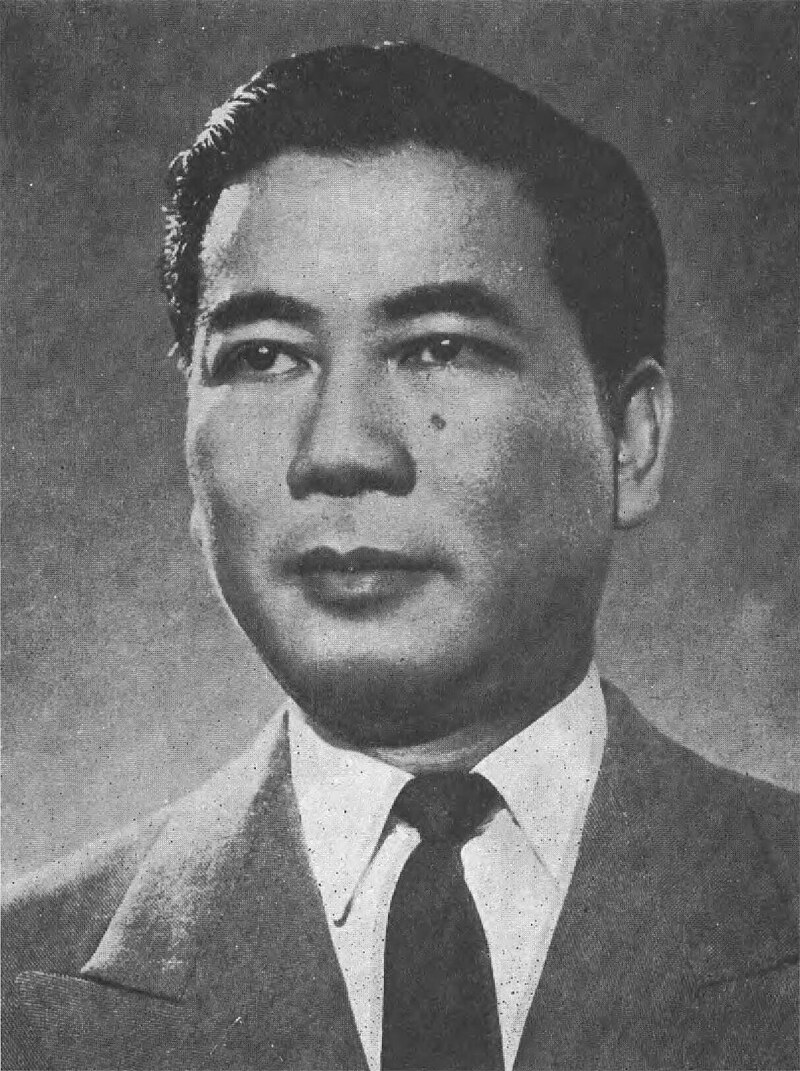
Ngô Đình Diệm
South Vietnamese politician; President of South Vietnam from 1955 to 1963

Neo-Confucianism
Neo-Confucianism (, often shortened to lǐxué 理學, literally "School of Principle") is the cultural revival of Confucianism as an ethical, social, and religious system, which dominated Chinese philosophy from the 13th through the 19th century. Although its origin lies in the Tang dynasty, it was fully developed during the Song dynasty under the formulations of Zhu Xi (1130–1200), the tradition's central figure. Zhu, alongside Cheng Yi and Cheng Hao, comprises the dominant Cheng–Zhu school, in opposition to the later Lu–Wang school led by Wang Yangming and Lu Xiangshan.
Tự Đức
Vietnamese emperor (1829–1883)

Lê Thái Tổ
Founding Emperor of the Later Lê dynasty
Ho Xuan Huong
Vietnamese poet (1772–1822)
Phan Thanh Gian
Vietnamese official (1796-1867)
Nguyen Trai
Vietnamese scholar and poet (1380–1442)
Phan Châu Trinh
Vietnamese nationalist in the 20th century
Nguyen Binh Khiem
Vietnamese poet
Le Quy Don
Vietnamese writer (1726–1784)
Phan Dinh Phung
Vietnamese revolutionary

Huynh Thuc Khang
Vietnamese revolutionary (1876–1947)
Ngô Sĩ Liên
Vietnamese historian (15th century)
Chu Văn An
Vietnamese teacher and Confucian
Nguyễn Gia Thiều
Vietnamese poet
Trương Định
Anti-colonial military commander
Cao Ba Quat
Poet and leader of a peasant uprising
Vũ Trinh
Vietnamese Vice-chancellor, Official

Mạc Đĩnh Chi
Confucian scholar

Phung Khac Khoan
diplomat
Nguyen Cong Tru
Vietnamese poet

Nguyễn Đình Chiểu
Vietnamese poet
Nguyễn Khuyến
Vietnamese scholar, poet and teacher
Trần Quý Cáp
poet (1870–1908)
Đặng Huy Trứ
writer

Lê Quýnh
Vietnamese mandarin (1750-1805)
Ngô Thì Sĩ
Vietnamese scholar, historian and government official (1726-1780)
Phan Huy Ích
poet
Ngo Duc Ke
Vietnamese revolutionary
Buu Hoi
Vietnamese scientist and diplomat