Category
page 1Virtualization software

hypervisor
A hypervisor, also known as a virtual machine monitor (VMM), is a type of computer software, firmware or hardware that creates and runs virtual machines. A computer on which a hypervisor runs one or more virtual machines is called a host machine or virtualization server, and each virtual machine is called a guest machine. The hypervisor presents the guest operating systems with a virtual operating platform and manages the execution of the guest operating systems. Unlike an emulator, the guest executes most instructions on the native hardware. Multiple instances of a variety of operating system

Flatpak
thumb|Preferred badge for promoting apps on Flathub since 2023, English version
Flatpak is a utility for software deployment and package management for Linux. It provides a sandbox environment in which users can run application software in (partial) isolation from the rest of the system. Flatpak was known as xdg-app until 2016.
Windows Subsystem for Linux
compatibility layer for running Linux binary executables on Windows
Windows Virtual PC
virtualization program for Microsoft Windows
Kernel-based Virtual Machine
virtualization module in the Linux kernel

Hyper-V
Hyper-V is a native hypervisor developed by Microsoft; it can create virtual machines on x86-64 systems running Windows. It is included in Pro and Enterprise editions of Windows (since Windows 8) as an optional feature to be manually enabled. A server computer running Hyper-V can be configured to expose individual virtual machines to one or more networks.
chroot
chroot is a shell command and a system call on Unix and Unix-like operating systems that changes the apparent root directory for the current running process and its children. A program that is run in such a modified environment cannot name (and therefore normally cannot access) files outside the designated directory tree. The term chroot may refer to the system call or the command-line utility. The modified environment is called a chroot jail.
thumb|Chroot: from Gentoo to Ubuntu
Cooperative Linux
Software to run both Windows and Linux
VMware Workstation
hosted hypervisor for Windows and Linux
Parallel Virtual Machine
software tool for parallel networking of computers
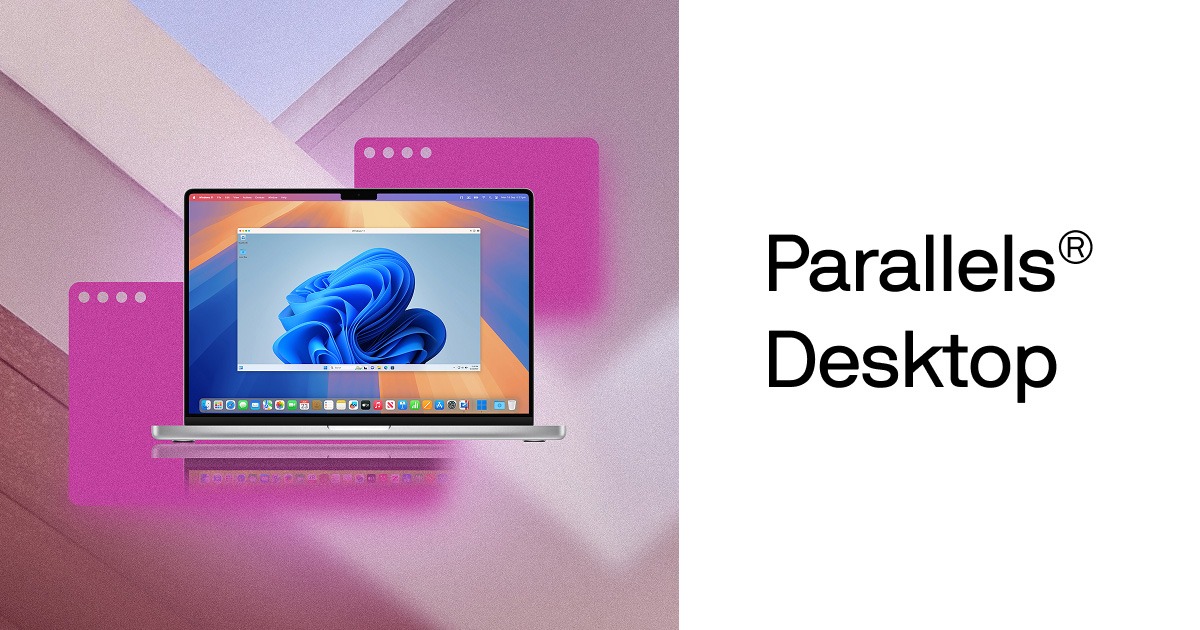
Parallels Desktop for Mac
virtual machine software
PearPC
PearPC is a PowerPC platform emulator capable of running many PowerPC operating systems, including pre-Intel versions of Mac OS X, Darwin, and Linux on x86 hardware. It is released under the GNU General Public License (GPL). It can be used on Windows, Linux, FreeBSD and other systems based on POSIX-X11. The first official release was made on May 10, 2004. The software was often used to run early versions of OS X on Windows XP computers.
VMware Fusion
Software hypervisor developed by VMware for Macintosh computers
VMware Workstation Player
Virtualization software package for x64 computers running Microsoft Windows or Linux
Parallels
American software company
Vyatta
Vyatta is a software-based virtual router, virtual firewall and VPN product for Internet Protocol networks (IPv4 and IPv6). A free download of Vyatta has been available since March 2006. The system is a specialized Debian-based Linux distribution with networking applications such as Quagga, OpenVPN, and many others. A standardized management console, similar to Juniper JUNOS or Cisco IOS, in addition to a web-based GUI and traditional Linux system commands, provides configuration of the system and applications. In recent versions of Vyatta, web-based management interface is supplied only in th

Hyper-converged infrastructure
software infrastructure system

z/VM
z/VM is the current version in IBM's VM family of virtual machine operating systems. First released in October 2000, z/VM remains in active use and development . It is directly based on technology and concepts dating back to the 1960s, particularly IBM's CP/CMS on the IBM System/360-67 (see article History of CP/CMS for historical details). z/VM runs on IBM's IBM Z family of computers and can support large numbers (thousands) of Linux virtual machines. (See Linux on IBM Z.)
VM
family of IBM virtual machine operating systems
SmartOS
SmartOS is a free and open-source SVR4 hypervisor based on the UNIX operating system that combines OpenSolaris technology with bhyve and KVM virtualization. Its core kernel contributes to the illumos project. It features several technologies: Crossbow, DTrace, bhyve, KVM, ZFS, and Zones. Unlike other illumos distributions, SmartOS employs NetBSD pkgsrc package management. SmartOS is designed to be particularly suitable for building clouds and generating appliances. It was originally developed for and by Joyent, who announced in April 2022 that they had sold their business supporting and develo
Citrix Virtual Apps
application virtualization software
Amazon Machine Image
virtual appliance within the Amazon EC2
VMware ThinApp
Computer program that can make portable applications
CHIP-8
framed|Screenshot of Pong implemented in CHIP-8
thumb|Telmac 1800 running CHIP-8 game Space Intercept (Joseph Weisbecker, 1978)
Microsoft Virtual Server
software
VMware vSphere
VMware's cloud computing virtualization platform
Blue Pill
proof-of-concept virtual machine-based rootkit
VyOS
VyOS is an open source network operating system Linux distribution based on Debian.
Solaris Containers
OS-level virtualisation
Apptainer
Apptainer (formerly Singularity) is a free and open-source computer program that performs operating system-level virtualization also known as containerization.
Parallels Workstation
first commercial software product released by Parallels, Inc
Q
Qemu based CPU emulator
CherryOS
CherryOS was a PowerPC G4 processor emulator for x86 Microsoft Windows platforms, which allowed various Apple Inc. programs to be operated on Windows XP. Announced and made available for pre-orders on October 12, 2004, it was developed by Maui X-Stream (MXS), a startup company based in Lahaina, Hawaii and a subsidiary of Paradise Television. The program encountered a number of launch difficulties its first year, including a poorly-reviewed soft launch in October 2004, wherein Wired Magazine argued that CherryOS used code grafted directly from PearPC, an older open-source emulator. Lead develop
MojoPac
MojoPac was an application virtualization product from RingCube Technologies. MojoPac turns any USB 2.0 storage device into a portable computing environment. The term "MojoPac" is used by the company to refer to the software application, the virtualized environment running inside this software, and the USB storage device that contains the software and relevant applications. MojoPac supports popular applications such as Firefox and Microsoft Office, and it is also high performance enough to run popular PC Games such as World of Warcraft, Minecraft and Half-Life 2.
PikeOS
PikeOS is a commercial hard real-time operating system (RTOS) which has a separation kernel-based hypervisor that supports multiple logical partition types for various operating systems (OS) and applications, each referred to as a GuestOS. PikeOS is engineered to support the creation of certifiable smart devices for the Internet of Things (IoT). In instances where memory management units (MMU) are not present but memory protection units (MPU) are available on controller-based systems, PikeOS for MPU is designed for critical real-time applications and provides up-to-standard safety and security
portable application creator
tool used to package portable apps
Simics
Simics is a full-system simulator or virtual platform used to run unchanged production binaries of the target hardware. Simics was originally developed by the Swedish Institute of Computer Science (SICS), and then spun off to Virtutech for commercial development in 1998. Virtutech was acquired by Intel in 2010. Currently, Simics is provided by Intel in a public release and sold commercially by Wind River Systems, which was in the past a subsidiary of Intel.