Category
page 1Viverridae

Viverridae
Viverridae is a family of small to medium-sized feliform mammals, comprising 14 genera with 33 species. This family was named and first described by John Edward Gray in 1821. Viverrids occur all over Africa, in southern Europe, and in South and Southeast Asia on both sides of the Wallace Line.

binturong
The binturong (Arctictis binturong) (; ), also known as the bearcat, is an arboreal viverrid native to South and Southeast Asia. It is the only species in the genus Arctictis, but is further divided into nine subspecies. It has long, thick hair, primarily dark in appearance, but can also have a whitish speckled pelage. It is unique in morphology with its popcorn-scented musk glands, and its long, bushy, prehensile tail.

African civet
largest representative of the African Viverridae

genet
genus of mammals

Viverricula indica
species of mammal

masked palm civet
species of mammal

Viverra
Viverra is a mammalian genus that was first named and described by Carl Linnaeus in 1758 as comprising several species including the large Indian civet (V. zibetha). The genus was subordinated to the viverrid family by John Edward Gray in 1821.

Prionodon linsang
species of mammal

Cynogale bennettii
species of mammal

Malabar large-spotted civet
species of mammal

Banded palm civet
species of mammal

Large-spotted civet
species of mammal
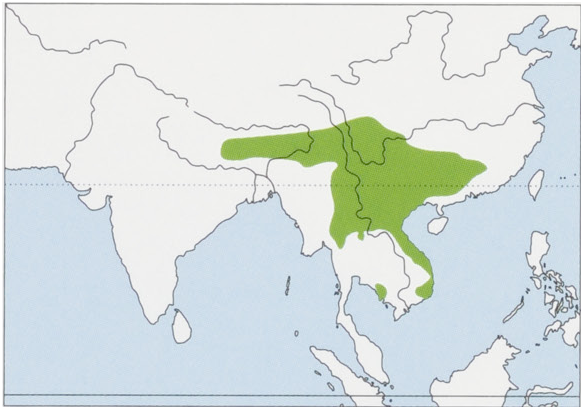
Prionodon pardicolor
species of mammal

Malayan civet
species of mammal
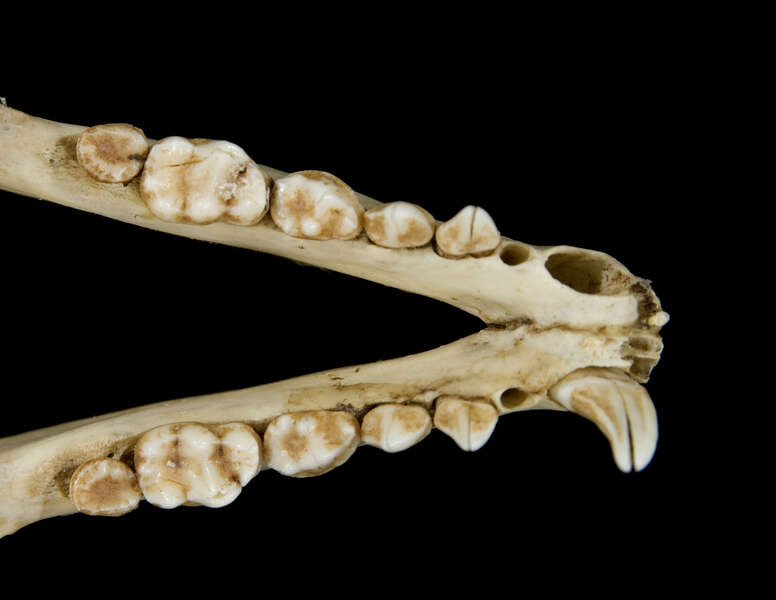
Paradoxurus
Paradoxurus is a genus of three palm civets within the viverrid family that was denominated and first described by Frédéric Cuvier in 1822.
The Paradoxurus species have a broad head, a narrow muzzle with a large rhinarium that is deeply sulcate in the middle. Their large ears are rounded at the tip. The tail is nearly as long as the head and body.
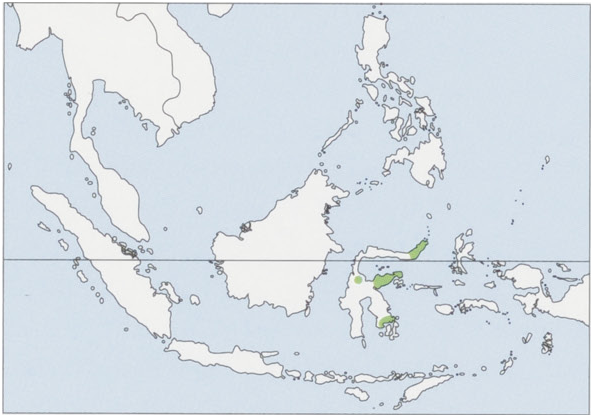
Macrogalidia musschenbroekii
species of mammal

Hose's palm civet
species of mammal
Owston's palm civet
species of mammal
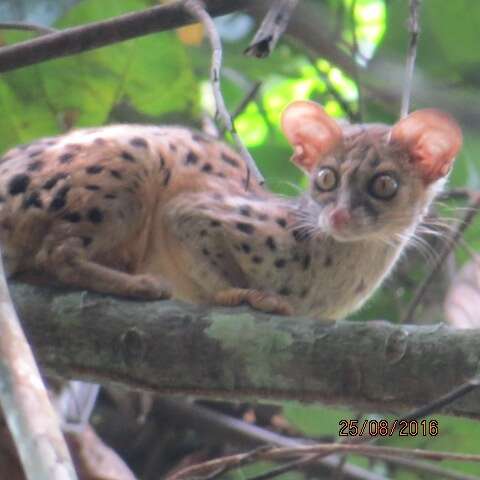
Poiana
genus of mammals
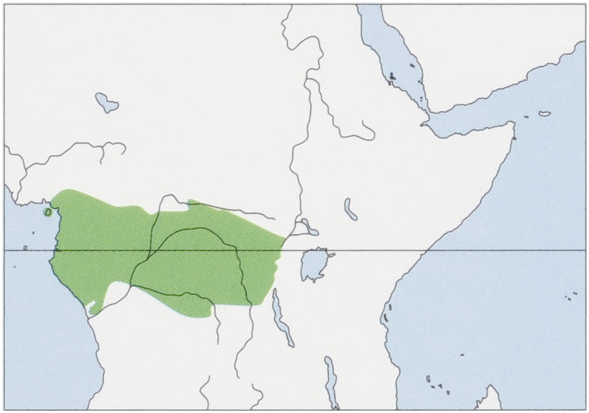
Poiana richardsonii
species of mammal
.jpg)
civet
A civet () is a small, lean, mostly nocturnal mammal native to tropical Asia and Africa, especially the tropical forests. The term civet applies to over a dozen different species, mostly from the family Viverridae. Most of the species's diversity is found in southeast Asia. Civets do not form a monophyletic group, as they consist only of certain members of the Viverridae and Eupleridae.
.JPG)
Paradoxurinae
Paradoxurinae is a subfamily of the feliform viverrids that was denominated and first described by John Edward Gray in 1864. Pocock subordinated the genera Paradoxurus, Paguma and Arctictis to this subfamily.

Leighton's linsang
species of mammal

Viverrinae
The Viverrinae represent the largest subfamily of the Viverridae comprising three genera, which are subdivided into six species native to Africa and Southeast Asia. This subfamily was denominated and first described by John Edward Gray in 1864.

Hemigalinae
The Hemigalinae are a subfamily of the viverrids denominated and first described by John Edward Gray in 1864.
Hemigalinae species are native to Southeast Asia from southern China through Indochina, Malay Peninsula to Sumatra, Borneo and Sulawesi.
Civettictis
Civettictis is a genus of viverrid that contains the extant African civet (Civettictis civetta) and a recently described extinct relative from the Plio-Pleistocene of South Africa known as Civettictis braini.
Viverra leakeyi
species of mammal (fossil)
Genettinae
Genettinae is a subfamily of the feliform viverrids. It contains all of the genet species (genus Genetta) and the oyan species (genus Poiana).
Palawan binturong
subspecies of mammal in the family Viverridae, native to South and Southeast Asia
Semigenetta
Semigenetta is an extinct genus of viverrid. It lived in Europe, China, and Thailand in the Miocene, and was very similar to the extant genus Genetta, but lacked a molar that Genetta still possesses.
Kanuites
Kanuites is an extinct genus of paradoxurine viverrid carnivore. It lived in Africa, during the Miocene epoch.
Asiavorator
Asiavorator (meaning "Asian devourer") is an extinct genus of civet-like carnivoran belonging in the family Stenoplesictidae. It was endemic to Asia and lived during the Eocene and Oligocene epochs.