Category
page 1Water transport
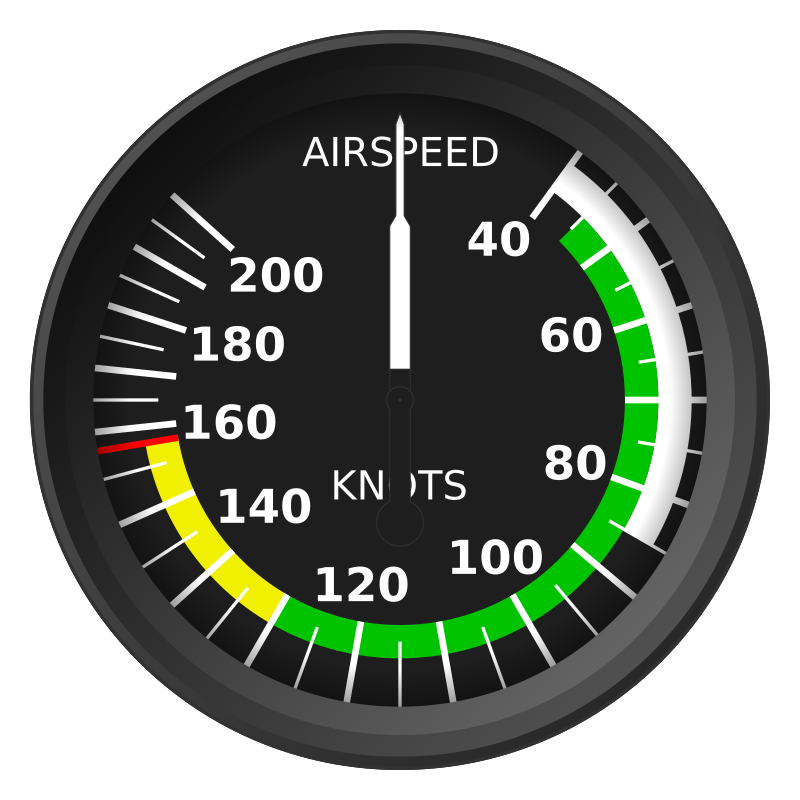
knot
unit of speed
%20(14763687525).jpg)
sailor
A sailor, seaman, mariner, or seafarer is a person who works aboard a watercraft as part of its crew, and may work in any one of a number of different fields that are related to the operation and maintenance of a ship. While the term sailor has its etymological roots from sailing, that is a time when sailing ships were the main mode of transport at sea, it now refers to the personnel of all watercraft regardless of the type of vessel, boat or ship. It encompasses people who operate ships professionally, be it for a military (navy) or civilian (merchant navy) or for sports or recreation. In a n
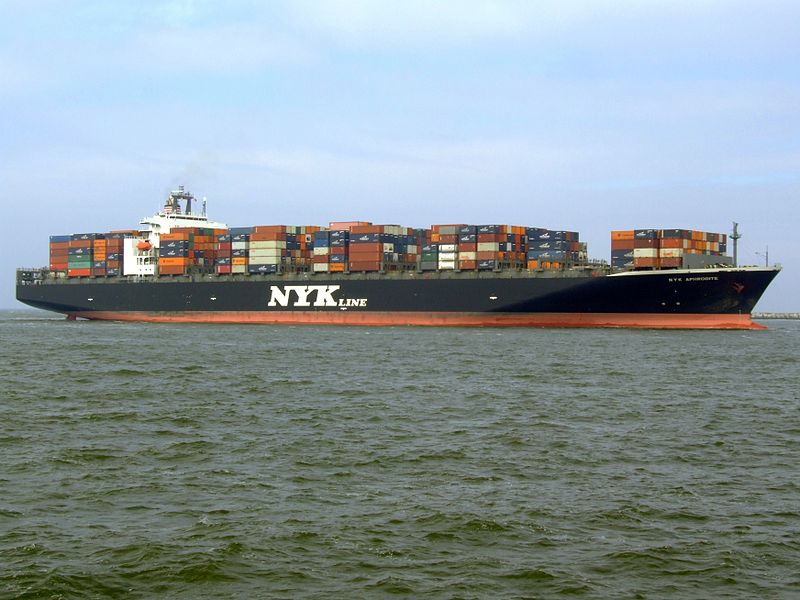
water transport
transportation on water surface (sea, lake, river, ...) or through water entity, using watercrafts

watercraft
thumb|A dinghy
thumb|A 17th-century sailing raft in Paita harbour (Peru).
thumb|A container ship in the Suez Canal

displacement
ship's weight
timber rafting
craft of rafting involving the transport of wood by waterway. UNESCO intangible cultural heritage
seaman
enlisted rank in many navies around the world

convoy
thumb|A convoy of United States Army|U.S. Army trucks in [[Hawaii]]
A convoy is a group of vehicles, typically motor vehicles or ships, traveling together for mutual support and protection. Often, a convoy is organized with armed defensive support and can help maintain cohesion within a unit. It may also be used in a non-military sense, for example when driving through remote areas.
automatic identification system
automatic tracking system that uses transceivers on ships and is used by vessel traffic services
Blue Riband
unofficial accolade given to the passenger liner crossing the Atlantic Ocean westbound in regular service with the record highest speed

roadstead
thumb|upright=1.35|Ormos Ammoudi, a roadstead in Santorini, Greece
thumb|Santa Elena alongside Kriti Jade at Birzebbuga roadstead, Malta
thumb|Ships on the roadstead "Aussenelbe Reede" in the north sea outside the river Elbe
A roadstead or road is a sheltered body of water where ships can lie reasonably safely at anchor without dragging or snatching. Protected from rip currents, spring tides, or ocean swell, a roadstead can be open or natural, usually estuary-based, or may be created artificially. In maritime law, it is described as a convenient or safe place where boats usually anchor.

dinghy
thumb|Dinghy of the schooner Adventuress
thumb|Safety dinghy, yacht tender
burial at sea
method of burial
inland navigation
water transportation on rivers and other internal waters
.jpg)
jetty
thumb| Coastal lagoons fronted by barrier spits typically have entrances that migrate over time. Here, the entrance has been fixed by jetty construction. [[Carlsbad, California, April 1998.]]
thumb|Aerial view of a jetty at Swakopmund, [[Namibia (2017)]]
container terminal
facility where cargo containers are transshipped between different transport vehicles
ship canal
canal especially intended to accommodate ships

watch system
thumb|upright=1.3|A sailor keeps watch aboard .|alt=
Watchkeeping or watchstanding is the assignment of sailors to specific roles on a ship to operate it continuously. These assignments, also known at sea as watches, are constantly active as they are considered essential to the safe operation of the vessel and also allow the ship to respond to emergencies and other situations quickly. These watches are divided into work periods to ensure that the roles are always occupied at all times, while those members of the crew who are assigned to work during a watch are known as watchkeepers.

boating
thumb|204x204px|Yachts are recreational boats
thumb|Three different types of boats
Boating is the leisurely activity of travelling by boat, or the recreational use of a boat whether powerboats, sailboats, or man-powered vessels (such as rowing and paddle boats), focused on the travel itself, as well as sports activities, such as fishing or waterskiing. It is a popular activity, and there are millions of boaters worldwide.
glossary of nautical terms
Wikimedia glossary list article
inland port
port on an inland waterway
lighter aboard ship
vessel which can carry smaller lighters (barge vessels)

navigability
thumb|Navigation markers, entrance of Fremantle, Western Australia|Fremantle harbour and the [[Swan River, Western Australia]]
A body of water, such as a river, canal or lake, is navigable if it is deep, wide and calm enough for a water vessel (e.g. boats) to pass safely. Navigability is also referred to in the broader context of a body of water having sufficient under keel clearance for a vessel.
thoroughfare
A thoroughfare is a primary passage or way of transport, whether by road on dry land or, by extension, via watercraft or aircraft. Originally, the word referred to a main road or open street which was frequented thoroughly.
%20refueling%20USS%20Hooper%20(DE-1026)%20off%20Japan%20c1966.jpg)
seakeeping
thumb|upright=1.35| refueling in heavy seas
Seakeeping ability or seaworthiness is a measure of how well-suited a watercraft is to conditions when underway. A ship or boat which has good seakeeping ability is said to be very seaworthy and is able to operate effectively even in high sea states.
maritime flag
flag designated for use on ships or at sea
marine sandglass
Type of hourglass used at sea
International Maritime Dangerous Goods Code
clause that states that any ship carrying this substance must follow IMDG regulations
log flume
type of flume used to float logs down to a sawmill
river cruise
voyage along inland waterways between river ports

International Convention on Load Lines
1966 multilateral treaty

bollard pull
measure of the pulling power of a watercraft
boat hook
part of boating equipment
nautical fiction
literary genre
companionway
In the architecture of a ship, a companion or companionway is a raised and windowed hatchway in the ship's deck, with a ladder leading below and the hooded entrance-hatch to the main cabins. A companionway may be secured by doors or, commonly in sailboats, hatch boards which fit in grooves in the companionway frame. This allows the lowest board to be left in place during inclement weather to minimize water infiltration. The term may be more broadly used to describe any ladder between decks.
File:Hatchboards.JPG|Set of hatch boards in companionway hatch.
File:Hatchboards2.JPG|Set of hatch boa
log driving
moving logs (sawn tree trunks) downstream along waterways
portage
thumb|right|Portaging a tandem Prospector canoe in Algonquin Park
thumb|Canoe rest along a portage trail
Portage or portaging (CA: ; ) is the practice of carrying water craft or cargo over land, either around an obstacle in a river, or between two bodies of water. A path where items are regularly carried between bodies of water is also called a portage. The term comes from French, where means "to carry", as in "portable".
maritime nation
nation which borders the sea
flag protocol
protocol defining proper placement, handling, use, and disposal of flags
combined transport
form of intermodal transport
rum-running
thumb|upright=1.35|Indonesian National Police|Police use a [[road roller to destroy bottles of illegal alcohol confiscated in Serpong, out of Jakarta, Indonesia on April 13, 2018.]]
ferry slip
docking facility that allows vehicles to enter or leave a ferry
Hippo water roller
device used to carry clean water more easily and efficiently than traditional methods, particularly in the developing world and rural areas
Pyréolophore
thumb|300px|1806 diagram of the Pyréolophore, drawn by the Niépce brothers
man overboard rescue turn
sailing maneuver usually implemented immediately upon learning of a man overboard
Nautical time
Ship-to-ship cargo transfer
transfer of material from one ship to another at sea
Syncrolift
thumb|upright|Syncrolift, Buenos Aires
Long-range identification and tracking
system for global identification and tracking of ships
licensed mariner
sailor who holds a license from a maritime authority to hold senior officer-level positions