Category
page 1Winter solstice

winter solstice
astronomical phenomenon that occurs in December in Northern Hemisphere and in June in Southern Hemisphere

Saturnalia
Saturnalia is an ancient Roman festival and holiday in honour of the god Saturn, held on 17 December in the Julian calendar and later expanded with festivities until 19 December. By the 1st century BC, the celebration had been extended until 23 December, for a total of seven days of festivities. The holiday was celebrated with a sacrifice at the Temple of Saturn, in the Roman Forum, and a public banquet, followed by private gift-giving, continual partying, and a carnival atmosphere that overturned Roman social norms: gambling was permitted, and masters provided table service for their slaves a

Newgrange
Newgrange () is a prehistoric monument in County Meath in Ireland, placed on a rise overlooking the River Boyne, west of the town of Drogheda. It is an exceptionally grand passage tomb built during the Neolithic Period, around 3100 BC, making it older than Stonehenge and the Egyptian pyramids. Newgrange is the main monument in the Brú na Bóinne complex, a World Heritage Site that also includes the passage tombs of Knowth and Dowth, as well as other henges, burial mounds and standing stones.
Yaldā
Persian festival

Brú na Bóinne
archaeological site
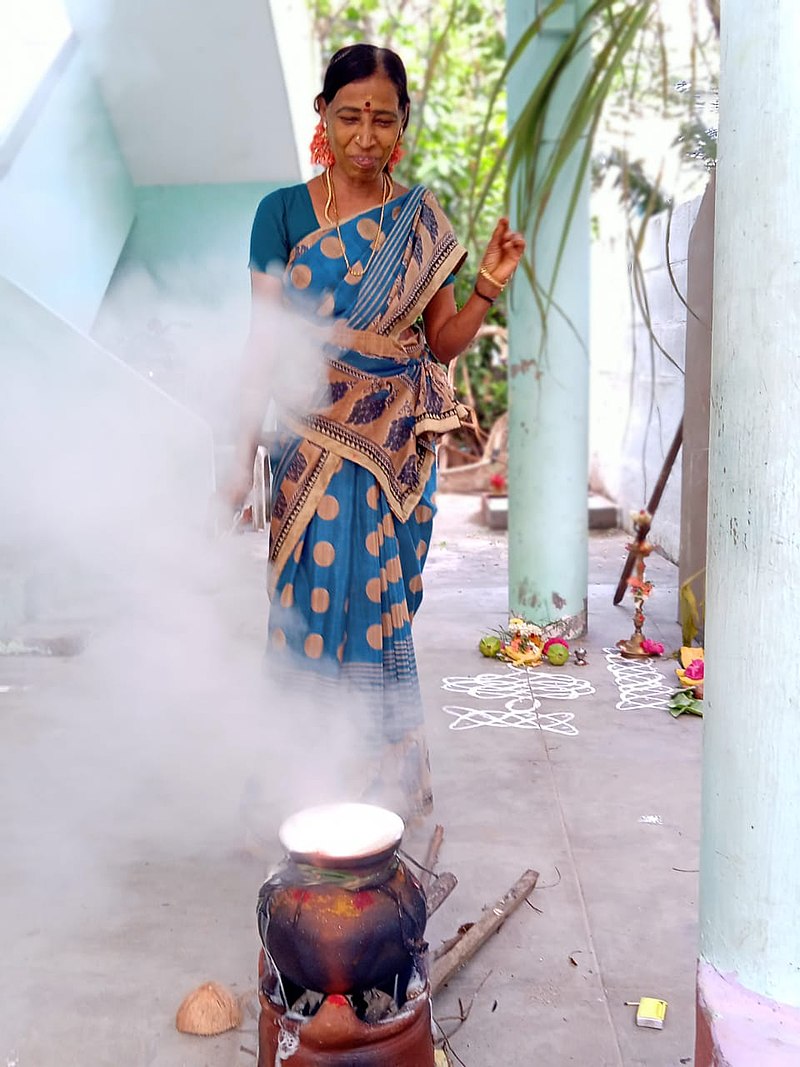
Pongal
multi-day annual harvest Tamils festival in South India and Sri Lanka various region
Saint Lucy's Day
Christian feast day dedicated to Lucy of Syracuse and observed on 13 December
Manhattanhenge
Manhattanhenge, also called the Manhattan Solstice, is an event during which the setting sun or the rising sun is aligned with the east–west streets of the main street grid of Manhattan, New York City. The astrophysicist Neil deGrasse Tyson claims to have coined the term, by analogy with Stonehenge. The sunsets and sunrises each align twice a year, on dates evenly spaced around the summer solstice and winter solstice. The sunset alignments occur around May 28 and July 13. The sunrise alignments occur around December 5 and January 8.
Tomte
humanoid mythical creature of Nordic folklore
Inti Raymi
Inca religious festival

Maes Howe
200px|right|thumb|Maeshowe Entrance

Hogmanay
Hogmanay ( , ) is the Scots word for the last day of the old year and is synonymous with the celebration of the New Year in the Scottish manner. It is normally followed by further celebration on the morning of New Year's Day (1 January) and, in some cases, 2 January—a Scottish bank holiday. In a few contexts, the word Hogmanay is used more loosely to describe the entire period consisting of the last few days of the old year and the first few days of the new year. For instance, not all events held under the banner of Edinburgh's Hogmanay take place on 31st of December.

Lohri
Lohri is a midwinter folk and harvest festival that marks the passing of the winter solstice and the end of winter. It is a traditional welcome of longer days and the sun's journey to the Northern Hemisphere. It is one of the Indian harvest festivals observed on or near Makar Sankranti (in the month of Magha in the Indian calendar) and falls on the night before Maghi (in the month of Magh in the Punjabi calendar) which commonly falls on 13 January every year. It is celebrated primarily in the Punjab region of India and Pakistan and also other regions of northern India such as Duggar and Jammu
.jpg)
Dongzhi
thumb|Dongzhi Festival dumplings

Koliada
thumb|200px|Verteps parade, [[Lviv, Ukraine]]
thumb|200px|Koledari|Kolędowanie in Poland, 2019
thumb|200px|Kolyadka performers in Belgorod Oblast, Russia, 2013
December solstice
solstice that occurs each December (winter solstice in Northern Hemisphere and summer solstice in Southern Hemisphere)
June solstice
solstice that occurs each June (summer solstice in Northern Hemisphere and winter solstice in Southern Hemisphere)
Cold Food Festival
East Asian holiday in April, in which the lighting of fire is avoided, including for the preparation of food
Maghi
Maghi is a Punjabi cultural festival, the Indian harvest festival celebrated on winter solstice. Maghi falls on the first day of the month of Magh and is celebrated in Punjab, Haryana, Jammu and Himachal Pradesh. It follows on the heels of the mid-winter festival of Lohri which is marked by bonfires in North Indian fields and yards. The next morning is seen as an auspicious occasion for ritual bathing in ponds and rivers.

Qoyllur Rit'i
thumb|Shrine of the Lord of Quyllurit'i at night
Brumalia
The Brumalia ( ) was a winter solstice festival celebrated in the eastern part of the Roman Empire. In Rome there had been the minor holiday of Bruma on November 24, which turned into large scale end of the year festivities in Constantinople and Christianity. The festival included night-time feasting, drinking, and merriment. During this time, prophetic indications were taken as predictions for the remainder of the winter. Despite the 6th century emperor Justinian's official repression of paganism, the holiday was celebrated at least until the 11th century, as recorded by Christopher of Mytile
Uttarayana
The term Uttarāyaṇa (commonly Uttarayanam) is derived from two different Sanskrit words – "uttaram" (North) and "ayanam" (movement) – thus indicating the northward movement of the Sun. In the Gregorian calendar, this pertains to the "actual movement of the sun with respect to the earth." It is also known as the six-month period that occurs between the winter solstice and the summer solstice (approximately 20 December - 20 June). According to the Indian solar calendar, it refers to the movement of the Sun through the zodiac. This difference occurs because the solstices continually precess at a
Nardoqan
thumb|Pomegranate (in Turkish: Nar) thematic table in Nardugan
Maghe Sankranti
Nepalese festival
Cova d'en Daina
cultural property in Santa Cristina d'Aro, Spain
Korochun
Koročun or Kračun (see other variants below) is one of the names for the time of the year that corresponds to Christmas in several Slavic languages such as Pannonian Rusyn, as well as the common name for the holiday in Romania and Hungary. It is also refers to an evil spirit which shortens one's life, in particular bringing a sudden death, as in the curse "Let Karachun take you!" ().
Midwinter
holiday celebrated in Antarctica

Sì
traditional spherical dessert eaten for celebration for the "Winter Solstice" festival in Fuzhou, China
Boro Din
Christmas in Bangladesh
Mōdraniht
' or ' (; Old English for "Night of the Mothers" or "Mothers' Night") was an event held on or around the northern hemisphere's longest night of the year (the winter or hibernal solstice), by Anglo-Saxon pagans. The event is solely attested by the medieval English historian Bede in his eighth-century Latin work . It has been suggested that sacrifices may have occurred during this event. Scholars have proposed connections between the Anglo-Saxon and events attested among other Germanic peoples (specifically those involving the , collective female ancestral beings, and Yule), and the Germanic , f
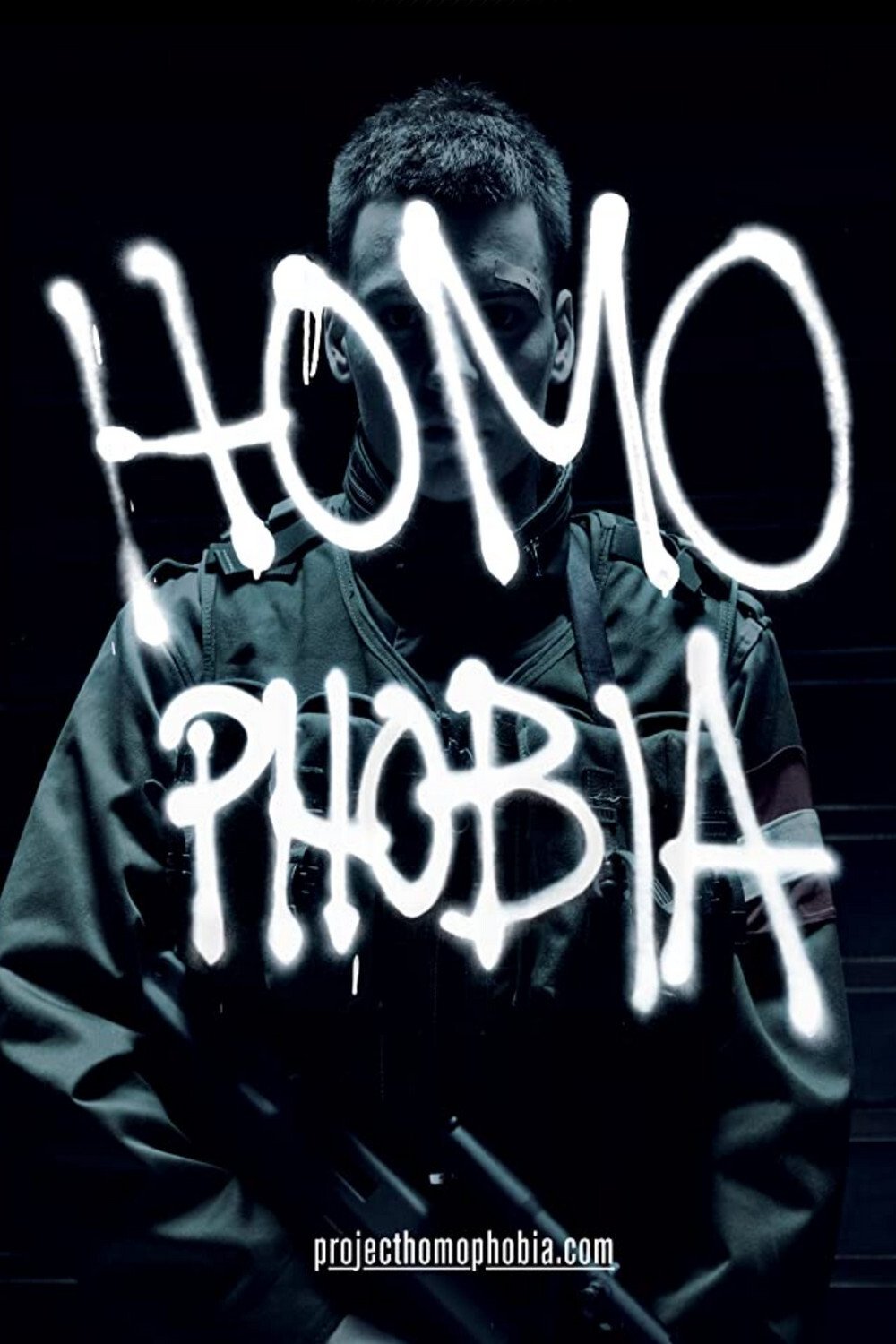
Homophobia
2012 Austrian short film by Gregor Schmidinger
Blue Christmas
day in the Advent season marking the longest night of the year
Dakshinayana
Dakshinayana () is a Hindu astronomical concept that refers to the movement of the sun to the south of the equator, and is also a term that indicates the six-month period between the summer solstice and the winter solstice. Dakshinayana begins on Karka Sankranti or July 16, as it marks the transition of the sun into Karka rashi (Cancer).