Category
page 1Wisdom literature
.png)
Ecclesiastes
thumb|upright=1.2|Ecclesiastes 3 in the Leningrad Codex

Proverbs
book of the Bible

Joseph
Biblical figure, son of Jacob and Rachel and governor of Egypt during the late Hyksos dynasty

Nizami Ganjavi
Persian poet
Sirach
Jewish wisdom text from the early 2nd century BCE, part of the Catholic and Eastern Orthodox biblican canons

Book of Wisdom
Deuterocanonical sapiential book of the Bible
Book of Tobit
deuterocanonical, apocryphal story about Tobit & Anna and their son Tobias and his adventures with Raphael

Hávamál
thumb|"The Stranger at the Door" (1908) by W. G. Collingwood
'''''' ("Words of Hávi [the High One]" in Old Norse) is presented as a single poem in the Codex Regius, a collection of Old Norse poems from the Viking age. A scholarly estimate of 's age dates the poem to between 900 and 1000 A.D. The poem, itself a combination of numerous shorter poems, is largely gnomic, presenting advice for living, proper conduct and wisdom. It is considered an important source of Old Norse philosophy.

Sanai
'''Hakim Abul-Majd Majdūd ibn Ādam Sanā'ī Ghaznavi (), more commonly known as Sanai''', was a poet in the Ghaznavid Empire, who wrote in Persian. He was born in 1080 and died in 1150.
wisdom literature
genre of literature common in the ancient Near East
mirror for princes
educational literary genre

Sayings of the Desert Fathers
stories attributed to early Christian hermits and monks

exemplum
thumb|A page from ' by
An exemplum (Latin for "example", exempla', exempli gratia = "for example", abbr.: e.g.'') is a moral anecdote, brief or extended, real or fictitious, used to illustrate a point. The word is also used to express an action performed by another and used as an example or model.

Hermetica
The Hermetica are texts attributed to the legendary Hellenistic figure Hermes Trismegistus, a syncretic combination of the Greek god Hermes and the Egyptian god Thoth. These texts may vary widely in content and purpose, but by modern convention are usually subdivided into two main categories, the "technical" and "religio-philosophical" Hermetica.
Ibn Zafar
12th-century Arab-Sicilian philosopher and politician
Nijū kun
karate technique
gnomic poetry
meaningful opinions put into verse to aid the memory
Mandaean Book of John
book of scripture ascribed to John the Baptist
De duodecim abusivis saeculi
Latin work
Nasîhat
Nasîhatnâme (, Naṣīḥat-nāme) were a type of guidance letter for Ottoman sultans, similar to mirrors for princes. They draw on a variety of historical and religious sources, and were influenced by the governance of previous empires such as the Seljuk Turks or the Mongols, as well as by early Muslim history and by contemporary events.
Drakht-i Asurig
parthian epic poem
Islamic advice literature
collections of stories or anecdotes on various aspects of Islam
Hanuba Hanubi Paan Thaaba
ancient Meitei folktale about the old couple planting taro plants following the suggestion of the monkeys
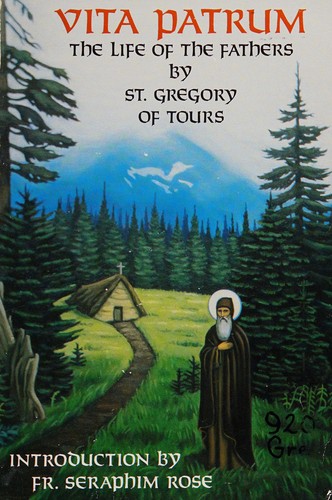
Vitae Patrum
any collection of desert father stories