Category
page 1Wood

wood

Quercus
An oak is a hardwood tree or shrub in the genus Quercus of the beech family. They have spirally arranged leaves, often with lobed edges, and a nut called an acorn, borne within a cup. The genus is widely distributed in the Northern Hemisphere, with some 500 species, both deciduous and evergreen. Fossil oaks date back to the Middle Eocene. Molecular phylogeny shows that the genus is divided into Old World and New World clades, but many oak species hybridise freely, making the genus's history difficult to resolve.

Cedrus
Cedrus, with the common English name cedar, is a genus of coniferous trees in the plant family Pinaceae (subfamily Abietoideae). They are native to the mountains of the western Himalayas and the Mediterranean region at high altitudes. The trees grow tall with a cylindrical trunk and a wide leafy crown. The cones are erect; the leaves grow in tufts of 15–45 needle leaves, which can be bright green or blue-green with a waxy coat. When the cones are mature, they disintegrate to release the seeds, which are winged. Both pollen and seeds are wind-dispersed.

Tectona grandis
Teak (Tectona grandis) is a tropical hardwood tree species in the family Lamiaceae. It is a large, deciduous tree that occurs in mixed hardwood forests. Tectona grandis has small, fragrant white flowers arranged in dense clusters (panicles) at the end of the branches. These flowers contain both types of reproductive organs (perfect flowers). The large, papery leaves of teak trees are often hairy on the lower surface. Teak wood has a leather-like smell when it is freshly milled and is particularly valued for its durability and water resistance. The wood is used for boat building, exterior const
.jpg)
mahogany wood
thumb|right|Honduran mahogany tree, Swietenia macrophylla
thumb|Genuine mahogany veneer with a special Figure (wood)|figure, ripple marks

Carya
Hickory is a common name for trees composing the genus Carya, which includes 19 species accepted by Plants of the World Online.
%20(5661614812).jpg)
rattan
thumbnail|Calamus thwaitesii in southwestern [[India]]
thumb|Juvenile Calamus oblongus subsp. mollis in a forest [[understory in the Philippines]]
petrified wood
fossilized remains of plants

sandalwood
thumb|Santalum paniculatum ), Hawaii (island)|Hawaii
Sandalwood is a class of woods from trees in the genus Santalum. The woods are heavy, yellow, and fine-grained, and, unlike many other aromatic woods, they retain their fragrance for decades. Sandalwood oil is extracted from the woods. Sandalwood is often cited as one of the most expensive woods in the world. Both the wood and the oil produce a distinctive fragrance that has been highly valued for centuries. Consequently, some species of these slow-growing trees have suffered over-harvesting in the past.
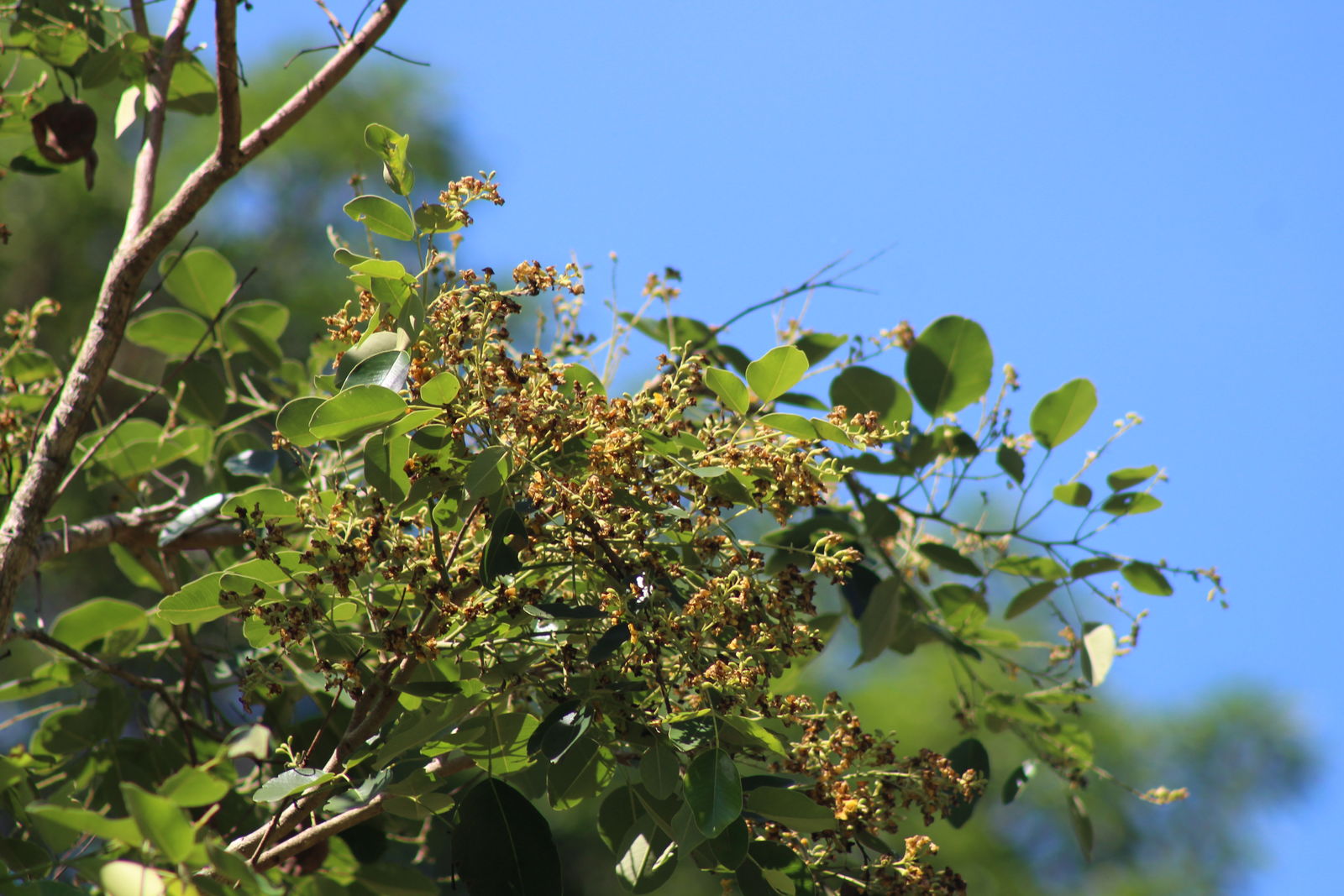
Pterocarpus santalinus
species of plant

Genipa americana
species of plant
%20(15866621516).jpg)
Shorea
thumb|Fruit of a Shorea species

Dalbergia melanoxylon
species of plant

driftwood
thumb|Driftwood on a pebble beach
thumb|Driftwood on the beach in Sitges, Spain
Driftwood is a wood that has been washed onto a shore or beach of a sea, lake, or river by the action of winds, tides or waves. It is part of beach wrack.

Afzelia
Afzelia is a genus of plants in family Fabaceae. The thirteen species all are trees, native to tropical Africa or Asia.

Entandrophragma cylindricum
Entandrophragma cylindricum is a tree of the genus Entandrophragma of the family Meliaceae. It is commonly known as sapele or sapelli ( ) or sapele mahogany, as well as aboudikro, assi, and muyovu.
vessel element
one of the cell types found in xylem, the water conducting tissue of plants; typically found in angiosperms but absent from most gymnosperms such as conifers; main feature distinguishing the "hardwood" of angiosperms from the "softwood" of conifers

hardwood
250px|right|thumb|Beech is a popular hardwood
lignum vitae
type of wood known for being particularly heavy and hard
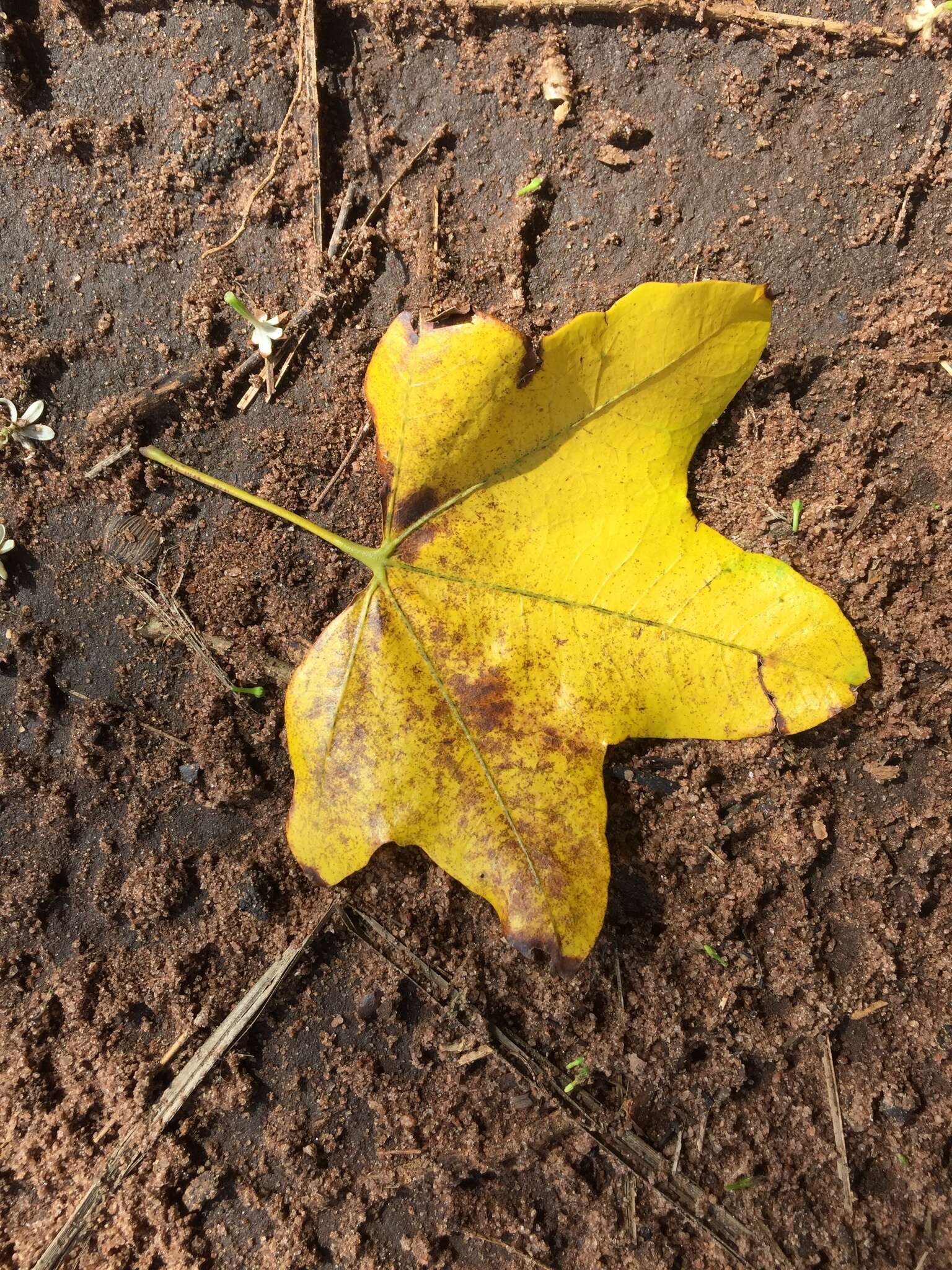
Triplochiton scleroxylon
species of plant

burl
right|thumb|200px|Burrs on a tree trunk in Norfolk, England
pyroligneous acid
chemical compound

Olea capensis
species of plant

Milicia excelsa
species of plant

Chlorocardium rodiei
species of plant

fatwood
thumb|Slivers of fatwood, used for starting fires.
thumb|Fatwood holder made of clay with fatwood stump, lower Rhine area, Germany, 18th or 19th century
thumb|Holder for kindling stick, Källsjö parish, Halland – Nordiska museet, Stockholm
Fatwood, also known as "fat lighter", "lighter wood", "rich lighter", "pine knot", "lighter knot", "heart pine", "fat stick" or "'''lighter'd'", is derived from the heartwood of pine trees. The stump (and tap root) that is left in the ground after a tree has fallen or has been cut is the primary source of fatwood, as the resin-impregnated heartwood becomes ha
col legno
stringed instrument bow technique
wood preservation
treatment or process aimed at extending the service life of wood structures

Pycnanthus angolensis
species of plant

Ptaeroxylon obliquum
Ptaeroxylon obliquum is the botanical name for the sneezewood tree. It is native to Southern Africa, including South Africa, Zimbabwe, and Mozambique. It is the only species in the genus Ptaeroxylon.
board foot
unit of volume
Janka hardness test
test to measure the resistance of a sample of wood to denting and wear

Pericopsis elata
species of plant

iroko
Iroko (Yoruba: Ìrókò) is a large hardwood tree from the west coast of tropical Africa that can live up to 500 years. This is the common name for the genus Milicia, in which there are two recognized species, which are closely related: Milicia excelsa and Milicia regia.
list of woods
Wikimedia list article
wood drying
also known as seasoning, which is the reduction of the moisture content of wood prior to its use
Knocking on wood
apotropaic tradition believed to ward off evil

bog-wood
thumb|Bog-wood from the Sava River, Bosnia and Herzegovina
Bog-wood (also spelled bogwood or bog wood), also known as abonos and, especially amongst pipe smokers, as morta, is a material from trees that have been buried in peat bogs and preserved from decay by the acidic and anaerobic bog conditions, sometimes for hundreds or even thousands of years. The wood is usually stained brown by tannins dissolved in the acidic water. Bog-wood represents the early stages in the fossilisation of wood, with further stages ultimately forming jet, lignite and coal over a period of many millions of years. Bo

wood grain
alignment and texture of the fibres in wood
Gopher wood
Biblic hapax and variety of wood

Betula pendula var. carelica
variety of plants
Transparent wood composites
modified type of wood made transparent
resin canal
elongated, tube-shaped intercellular spaces surrounded
cocobolo
thumb|300px|Chess piece|Chess pieces made of cocobolo
log driving
moving logs (sawn tree trunks) downstream along waterways
Certified wood
Wood product from a responsibly managed forest
pit
parts of plant cell walls which allow the exchange of fluids
fossil wood
wood that is preserved in the fossil record
xylotheque
thumb|upright=1.15|Strahov Monastery Xylotheque (1825)
thumb|Volumes in a xylotheque in Lilienfeld, Austria
thumb|Interior of the Xiloteque Manuel Soler, in Dénia ([[Spain)]]
A xylotheque or xylothek (from the Greek for "wood" and meaning "repository") is special form of herbarium that consists of a collection of authenticated wood specimens. It is also known as a xylarium (from the Greek for "wood" and Latin meaning "separate place"). Traditionally, xylotheque specimens were in the form of book-shaped volumes, each made of a particular kind of wood and holding samples of the different parts o
tulipwood
thumb|left|upright=0.7|Cut wood of a tulip tree in a park in Westchester County, New York
thumb|right|220px|North American tulipwood (Liriodendron tulipifera)
thumb|Hispano-Suiza H6 1924 tulipwood
Most commonly, tulipwood is the greenish yellowish wood yielded from the tulip tree, found on the Eastern side of North America and a similar species is found in some parts of China. In the United States, it is commonly known as tulip poplar or yellow poplar, even though the tree is not related to the poplars. It is notable for its height, which can exceed 190 feet. The wood is very light, around 490
coromandel wood
type of wood
reaction wood
wood which have grown while the tree was subject of a mechanical stress
bilinga
type of wood
wood science
study of wood as a material and its physical, chemical, and biological characteristics
wooden box
box made of wood
coconut timber
woody material
Scheitholz
thumb|Scheitholz
thumb|A small fruit crate made of wood and hardboard; in this case for strawberries
Scheitholz is a German term for any log sections that have been split lengthways with an axe or log splitter and that are primarily used for firewood or the manufacture of wood shingles. The individual pieces of timber are called Holzscheite (obs.: Holzscheiter), derived from the Old High German word scît = "piece". Scheitholz boilers are used to burn quantities of Scheithölzer. The expression "auf Scheitholz knien" ("to kneel on scheitholz) was a disciplinary measure used in times when corpora
Nyatoh
thumb|280px|Palaquium maingayi -Niatoh tembaya
Nyatoh is a trade-name for wood of a number of hardwood species of the genera Palaquium and Payena growing in rainforest environments in southeast Asia, especially in Indonesia and the Philippines. Nyatoh wood is reddish and most species are easy to work with as it stains and polishes well. It has a tight straight grain that resembles cherry wood. The surface is dark-brown/red in color.
dunnage
Dunnage is inexpensive or waste material used to load and secure cargo during transportation; more loosely, it refers to miscellaneous baggage, brought along during travel. The term can also refer to low-priority cargo used to fill out transport capacity which would otherwise ship underweight.
Flame maple
striped figures in maple woodwork prized for their beauty