Category
page 1Woodcarving
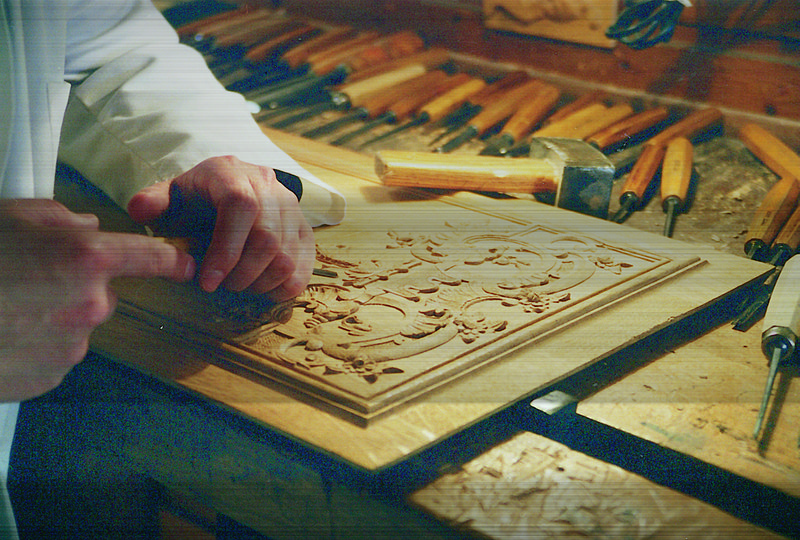
wood carving
form of working wood by means of a cutting tool
Lithuanian cross crafting
Lithuanian folk art tradition

Alebrije
thumb|300px|Alebrijes at the Pochote Market in the city of Oaxaca
thumb|Zacualpan Mojiganga 070
thumb|300px|Animation clip (in Spanish) about alebrijes made by the Museo de Arte Popular in collaboration with Wiki Learning, Tec de Monterrey
Alebrijes () are brightly colored Mexican folk art sculptures of fantastical (fantasy/mythical) creatures, traditionally made from papier-mâché or wood. The art form originated in Mexico City in the 1930s, when Pedro Linares, a papier-mâché artist, began creating surreal, dreamlike creatures after experiencing vivid hallucinations during an illness. His desi

sharpening
thumb|A hand-held tungsten carbide knife sharpener, with a finger guard, can be used for sharpening plain and serrated edges on [[pocket knives and multi-tools.]]Sharpening is the process of creating or refining a sharp edge of appropriate shape on a tool or implement designed for cutting. Sharpening is done by removing material from the implement with an abrasive substance harder than the material of the implement, followed sometimes by processes to polish the sharp surface to increase smoothness and correct small mechanical deformations without removing significant metal.
Janka hardness test
test to measure the resistance of a sample of wood to denting and wear
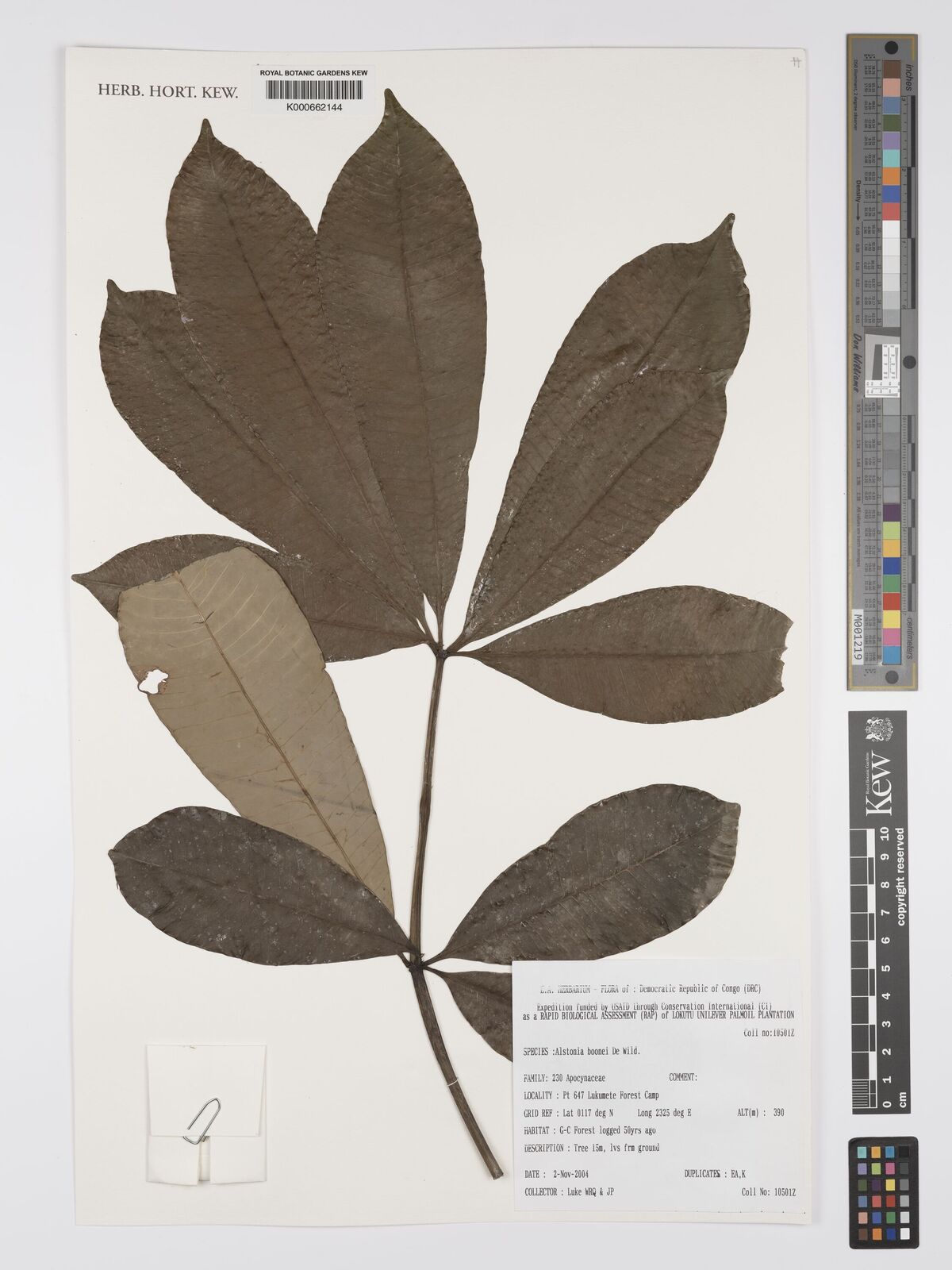
Alstonia boonei
species of plant
Konjic woodcarving
artistic technique of woodcarving and intangible cultural heritage of Bosnia and Herzegovina

wood grain
alignment and texture of the fibres in wood
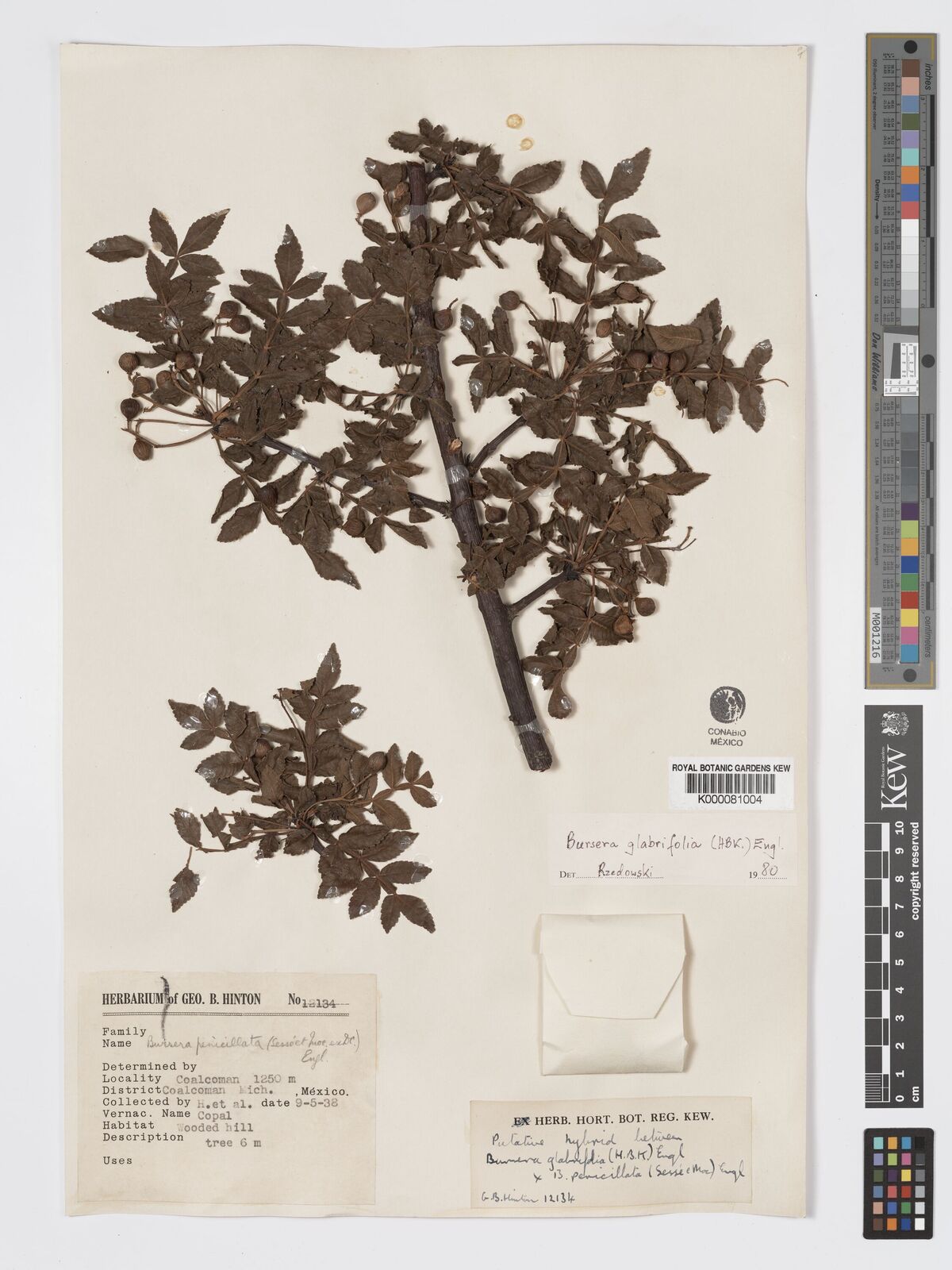
Bursera glabrifolia
species of plant

pointing machine
sculpting tool

Bursera bipinnata
species of plant
duck decoy
man-made object resembling a real duck
Chip carving
is a style of carving in which knives or chisels are used to remove small chips of the material
Olive wood carving in Palestine
traditional chiseled sculpture technique
Parish Church of Urtijëi
church building in Urtijëi, Italy
arborglyph
thumb|Tree carving in Bielinek (Bellinchen), [[Pomerania, immediately east of the Oder. It reads, in Russian, "March 1945, Death to the Germans."]]
Arborglyphs, dendroglyphs, silvaglyphs, or modified cultural trees are carvings of shapes and symbols into the bark of living trees. Although most often referring to ancient cultural practices, the term also refers to modern tree-carving.
whittling
thumb|Whittling knife cutting a chamfer on a piece of wood
thumb|Common examples of whittling
Whittling may refer either to the art of carving shapes out of raw wood using a knife or a time-occupying process of repeatedly shaving slivers from a piece of wood. It is used by many as a pastime, or as a way to make artistic creations.
Desay Madu Jhya
traditional wooden window in Nepal
Gothic boxwood miniature
early 16th-century wood carving of the Low Countries
Kashmir Walnut Wood Carving
wood carving work
dievdirbys
Dievdirbys ("God worker/craftsman", plural: ) is a Lithuanian wood carver who crafts Catholic statues of Jesus and the Christian saints. In the 18th-20th centuries, self-taught poor peasants mostly did it. The art is closely related to Lithuanian cross crafting, listed among Masterpieces of the Oral and Intangible Heritage of Humanity by UNESCO.
CNC router
Computer-controlled cutting machine
Spanbaum
thumb|upright|A spanbaum as the central column of a Christmas pyramid
A spanbaum ("wood shaving tree"), variously referred to in English as a hand-shaved tree, wood chip tree or span tree, is a handmade ornamental tree which is usually part of a pyramid ornament. They are mainly manufactured in woodturning workshops in the Ore Mountains of Saxony in eastern Germany. Their method of production is known locally as Spanbaumstechen.
gilded woodcarving in Portugal and Brazil