Category
page 1Working class in Europe
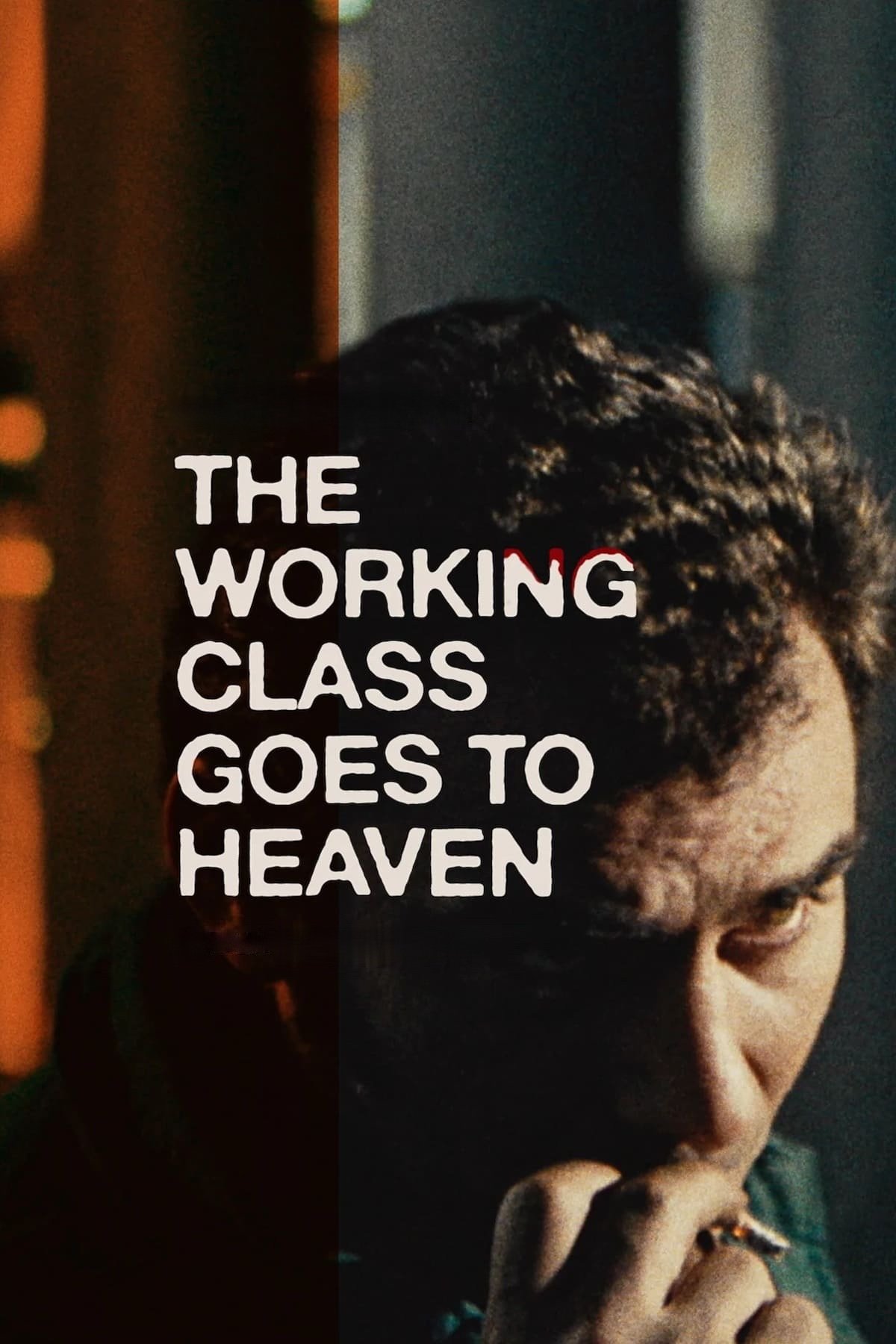
The Working Class Goes to Heaven
1971 film directed by Elio Petri

Grünerløkka
Grünerløkka () is a borough but also a neighborhood of the city of Oslo, Norway. Grünerløkka became part of the city of Oslo (then Christiania) in 1858. Grünerløkka was traditionally a working class district; since the late 20th century the area has increasingly undergone gentrification. Especially in the core neighborhood of Grünerløkka, property prices tend to be higher than is typical of other Oslo East End boroughs.
Østensjø
Østensjø () is a borough of the city of Oslo, Norway.
Worker-Priest
Worker-priest () was a missionary initiative by the French Catholic Church in particular for priests to take up work in such places as car factories to experience the everyday life of the working class. A worker-priest was any priest who was "freed from parochial work by his bishop, lived only by full-time labor in a factory or other place of work, and was indistinguishable in appearance from an ordinary workingman".

Raggare
right|thumb|Two stereotypical raggare at the Power Big Meet 2005
thumb|A lot of raggare on the roof of a 1960s car during Power Big Meet in 2005
Grisette
17th century French term for a working-class woman
San Cristóbal
neighborhood in Madrid
dresiarz
250px|thumb|Abelard Giza dressed as dresiarz during his performance at Festiwal Kabaretu 2007 in [[Zielona Góra, Poland.]]
' or ' (plural or ) is a Polish subculture or class of young males who stereotypically live in urban tower blocks or tenement houses. They are usually portrayed as undereducated, unemployed, aggressive, and anti-social. The phenomenon was first observed in the 1990s and is sometimes compared to the British chavs, Scottish neds, Australian bogans or Russian gopniks. It would later partially merge with the hooligan subcultures and is sometimes attributed to football hooligan
Soviet working class
Element of Marxist–Leninist theory
Dizelaši
__NOTOC__
Dizelaši (; singular dizelaš, ) was an urban street youth sub-culture popular in the 1990s in Serbia. It has been described as a mainstream fashion and social subculture, that of a working class, similar to the British chav, French and Russian gopnik. The French movie La Haine (1995) is often mentioned in relation to these subcultures. It was characterized by turbo-folk, hip-hop and dance music (such as Đogani), mass-appeal designer clothes (such as Diesel), embroidered sweatshirts and sportswear (such as Nike Air Max and Reebok Pump shoes and Kappa sweatsuits) and large link chains.