Category
page 1Works published anonymously

Frankenstein
Frankenstein; or, The Modern Prometheus is an 1818 Gothic novel written by English author Mary Shelley. Frankenstein tells the story of Victor Frankenstein, a young scientist who creates a sapient creature from different body parts in an unorthodox scientific experiment. Shelley started writing the story when she was 18 and staying in Bath, and the first edition was published anonymously in London on 1 January 1818, when she was 20. Her name first appeared in the second edition, which was published in Paris in 1821.

Journey to the West
one of China's Four Great Classical Novels

The Imitation of Christ
book by Thomas à Kempis

Federalist Papers
series of 85 essays arguing in favor of the ratification of the US Constitution

Book of Dede Korkut
national epic of Turks, Azerbaijani and Turkmen

The Spirit of the Laws
1748 treatise on political theory first published anonymously by Charles-Louis de Secondat, baron de Montesquieu

Lazarillo de Tormes
1554 Spanish novella
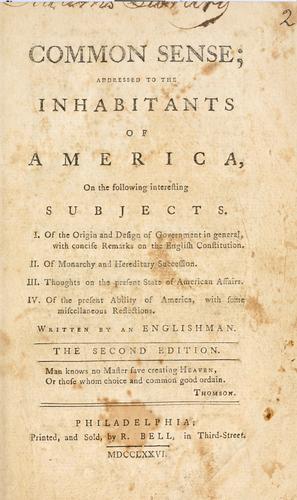
Common Sense
pamphlet by Thomas Paine

Leaves of Grass
expansive Walt Whitman poetry collection
Muratorian fragment
2nd century list of books; a proto-canon before the New Testament

Two Treatises of Government
work of political philosophy by John Locke
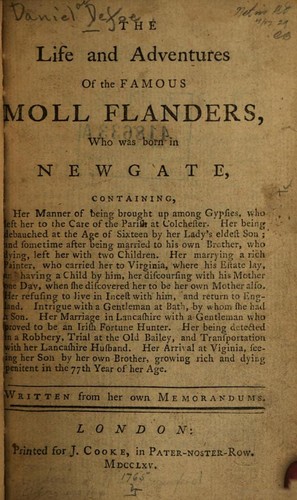
Moll Flanders
novel by Daniel Defoe

Justine
1791 erotic novel by the Marquis de Sade
The Urantia Book
spiritual and philosophical book that originated in Chicago sometime between 1924 and 1955
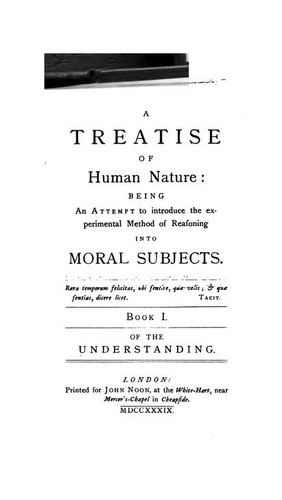
A Treatise of Human Nature
work by David Hume
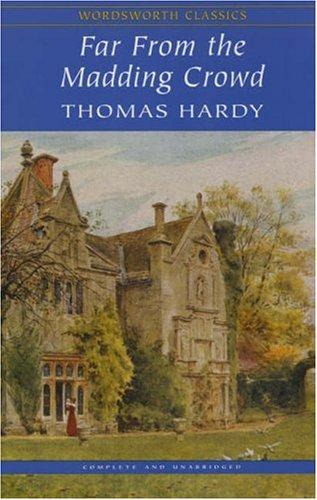
Far from the Madding Crowd
1874 novel by Thomas Hardy
An Essay on the Principle of Population
treatise by Thomas Malthus
Josephine Mutzenbacher
erotic novel
La Princesse de Clèves
1678 novel usually attributed to Madame de La Fayette
A Visit from St. Nicholas
1823 poem attributed to Clement Clarke Moore

Liber Historiae Francorum
8th-century book on early Frank history

Ulalume
thumb|right|The first page of Ulalume, as the poem first appeared in the The American Review: A Whig Journal|American Review in 1847
"Ulalume" () is a poem written by Edgar Allan Poe in 1847. Much like a few of Poe's other poems (such as "The Raven", "Annabel Lee", and "Lenore"), "Ulalume" focuses on the narrator's loss of his beloved due to her death. Poe originally wrote the poem as an elocution piece and, as such, the poem is known for its focus on sound. Additionally, it makes many allusions, especially to mythology, and the identity of Ulalume herself, if a real person, has been a subject

The Way of a Pilgrim
1884 novel by unknown author
Edward III
play often attributed to Shakespeare

Juliette
1797 novel by Marquis de Sade

The System of Nature
Philosophical work by Paul-Henri Thiry

A Woman in Berlin
autobiographical work by Marta Hillers
.jpg)
The Coming Race
Vril: The Power of the Coming Race, originally published as The Coming Race, is a science and subterranean fiction novel by the British politician and writer Edward Bulwer-Lytton, published anonymously in 1871.
Epistolæ Obscurorum Virorum
collection of satirical Latin letters which appeared in the 16th century in Germany
Dictionnaire philosophique
philosophical dictionary by Voltaire
Les Aventures de Télémaque
didactic novel by François Fénelon
The Cloud of Unknowing
late 14th-century English mystical work
Ode on a Grecian Urn
1819 poem by John Keats

La Farce de maître Pierre Pathelin
play written by anonymous

Vestiges of the Natural History of Creation
essay by Robert Chambers
Tamerlane and Other Poems
debut poetry collection (1827) by Edgar Allan Poe
Teleny, or The Reverse of the Medal
book by various authors
Liber de Coquina
medieval cookbook

Erewhon
thumb|right|400px|Map of part of New Zealand to illustrate Erewhon and Erewhon Revisited
Erewhon: or, Over the Range () is a utopian novel by English writer Samuel Butler, first published in 1872, set in a fictional country discovered and explored by the protagonist. The book is a satire on Victorian society.
Zabibah and the King
romance novel by Saddam Hussein
Young Goodman Brown
short story by Nathaniel Hawthorne

The Indiscreet Jewels
1748 novel by Denis Diderot

Port-Royal Logic
literary work

Confessions of an English Opium-Eater
autobiographical work by Thomas De Quincey
Letters of a Portuguese Nun
book published anonymously by Claude Barbin
Alphabet of Sirach
anonymous medieval text; compilation of two lists of proverbs, 22 in Aramaic and 22 in Hebrew, both arranged as alphabetic acrostics

Thérèse the Philosopher
novel ascribed to Jean-Baptiste de Boyer
Mirabilia Urbis Romae
travel literary genre in the medieval Latin literature

11B-X-1371
11B-X-1371 is a 2015 viral video sent to GadgetZZ.com, the Swedish tech blog that publicized it. The black-and-white segment is two minutes in length; its title came from the plaintext of a base64 string written on the DVD. It depicts a person wearing what appears to be a plague doctor costume walking and standing around in a dilapidated abandoned building, with a forest visible through former window openings in the wall behind it. Accompanied by a soundtrack of loud, discordant buzzing noise, the masked figure holds up a hand with an irregularly blinking light. The film did not have any credi

Go ask Alice
1971 novel by Beatrice Sparks

Sefer ha-Chinuch
Book about the 613 mitzvot of the Torah.

Guy Mannering
novel by Walter Scott
Theophrastus redivivus

Considerations on the Causes of the Greatness of the Romans and their Decline
1734 essay by Montesquieu
Notes on the State of Virginia
Book by Thomas Jefferson
The Coming Insurrection
French political tract

L'École des filles
1655 French erotic text

Gamiani
Gamiani, or Two Nights of Excess () is a French erotic novel first published in 1833. Its authorship is anonymous, but it is believed to have been written by Alfred de Musset, and it was rumoured that the lesbian eponymous heroine was a portrait of his lover, George Sand. It became a bestseller among nineteenth-century erotic literature.

The Power of Sympathy
book by William Hill Brown

The Old English Baron
novel by Clara Reeve