Category
page 1Ziggurats
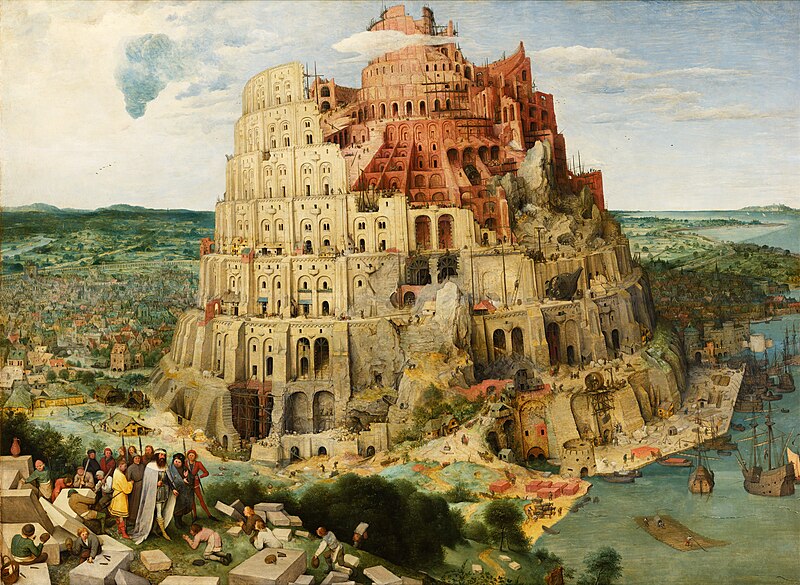
Tower of Babel
biblical pericope about hubris and the origin of languages

ziggurat
A ziggurat (; Cuneiform: 𒅆𒂍𒉪, Akkadian: ', D-stem of ' 'to protrude, to build high', cognate with other Semitic languages like Hebrew zaqar (זָקַר) 'protrude') is a type of massive structure built in ancient Mesopotamia and Iran. It has the form of a terraced compound of successively receding stories or levels. Notable ziggurats include the Great Ziggurat of Ur near Nasiriyah, the Ziggurat of Aqar Quf near Baghdad, the no longer extant Etemenanki in Babylon, Chogha Zanbil in Khūzestān and Sialk. The Sumerians believed that the gods lived in the temple at the top of the ziggurats, so only pr
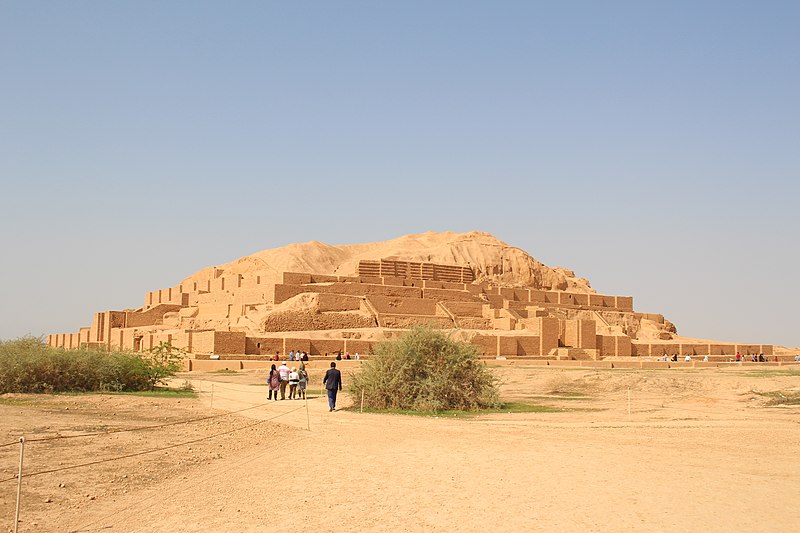
Chogha Zanbil
elamite complex in the Khuzestan province of Iran

Ziggurat of Ur
early Bronze Age ziggurat in present-day Iraq

Etemenanki
thumb|Reconstruction of Etemenanki, based on Schmid
Etemenanki () was a ziggurat dedicated to the Mesopotamian god Marduk in the ancient city of Babylon. It now exists only in ruins, located about south of Baghdad, Iraq. Many scholars have identified Etemenanki as the ziggurat for the biblical account of the Tower of Babel.

Dur-Kurigalzu
Dur-Kurigalzu (modern '' in Baghdad Governorate, Iraq) was a city in southern Mesopotamia, near the confluence of the Tigris and Diyala rivers, about west of the center of Baghdad. It was founded by a Kassite king of Babylon, Kurigalzu I (died c. 1375 BC) and was abandoned after the fall of the Kassite dynasty (c. 1155 BC). The city was of such importance that it appeared on toponym lists in the funerary temple of the Egyptian pharaoh, Amenophis III (c. 1351 BC) at Kom el-Hettan". The prefix Dur is an Akkadian term meaning "fortress of", while the Kassite royal name Kurigalzu'' is believed to
Tepe Sialk
archaeological site in Kashan, Iranian national heritage site