Category
page 1Zoonotic parasitic diseases

schistosomiasis
Schistosomiasis, also known as snail fever, bilharzia, and Katayama fever is a neglected tropical disease, specifically a helminthiasis caused by parasitic flatworms called schistosomes. It affects humans and many other animals. It affects the urinary tract or the intestines. Symptoms include abdominal pain, diarrhea, bloody stool, or blood in the urine. Those who have been infected for a long time may experience liver damage, kidney failure, infertility, or bladder cancer. In children, schistosomiasis may cause poor growth and learning difficulties. Schistosomiasis belongs to the group of hel

cysticercosis
Cysticercosis is a tissue infection caused by the young form of the pork tapeworm. People may have few or no symptoms for years. In some cases, particularly in Asia, solid lumps of between one and two centimeters may develop under the skin. After months or years, these lumps can become painful and swollen and then resolve. A specific form called neurocysticercosis, which affects the brain, can cause neurological symptoms. In developing countries, this is one of the most common causes of seizures.
echinococcosis

trichinosis

Dirofilaria immitis
species of worm

toxocariasis
Toxocariasis is an illness of humans caused by the dog roundworm (Toxocara canis) and, less frequently, the cat roundworm (Toxocara cati). These are the most common intestinal roundworms of dogs, coyotes, wolves and foxes and domestic cats, respectively. Humans are among the many "accidental" or paratenic hosts of these roundworms.

taeniasis
Taeniasis is an infection within the intestines by adult tapeworms belonging to the genus Taenia. There are generally no or only mild symptoms. Symptoms may occasionally include weight loss or abdominal pain. Segments of tapeworm may be seen in the stool. Complications of pork tapeworm may include cysticercosis.

Anisakis
Anisakis ( ) is a genus of parasitic nematodes that have life cycles involving fish and marine mammals. They are infective to humans and cause anisakiasis. People who produce immunoglobulin E in response to this parasite may subsequently have an allergic reaction, including anaphylaxis, after eating fish infected with Anisakis species.

Toxocara cati
species of worm
cutaneous larva migrans
medical condition

Hymenolepis nana
species of worm
Opisthorchis felineus
species of worm
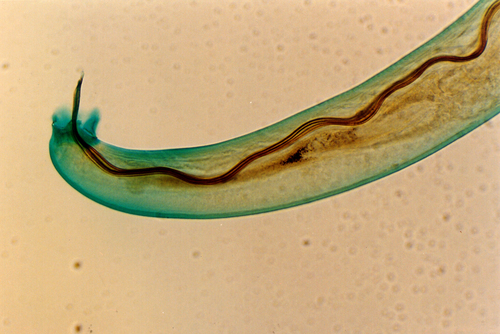
Angiostrongylus cantonensis
species of worm
loiasis
human disease
dirofilariasis
Dirofilariasis is an infection by parasites of the genus Dirofilaria. It is transmitted through a mosquito bite; its main hosts include dogs and wild canids. These can give rise to granulomas in the pulmonary artery. Some common symptoms include cough, fever and pleural effusion. It may also appear on X-rays of the chest.
anisakiasis
REDIRECT Anisakis#Anisakiasis

Coenurosis
250px|thumb|Different forms of coenurus in sheep and rabbits and an adult worm
Coenurosis, also known as caenurosis, coenuriasis, gid, dunt or sturdy, is a parasitic infection that develops in the intermediate hosts of some tapeworm species (Taenia multiceps, T. serialis, T. brauni, or T. glomerata). It is caused by the coenurus, the larval stage of these tapeworms. The disease occurs mainly in sheep and other ungulates, but it can also occur in humans by accidental ingestion of tapeworm eggs.

Dirofilaria repens
species of worm

Anisakis simplex
species of worm

Paragonimus
Paragonimus is a genus of flukes (trematodes) and is the only genus in the monotypic family Paragonimidae. Some tens of species have been described, but they are difficult to distinguish, so it is not clear how many of the named species may be synonyms. The name Paragonimus is derived from the combination of two Greek words, “para” (on the side of) and “gonimos” (gonads or genitalia). Several of the species are known as lung flukes. In humans some of the species occur as zoonoses; the term for the condition is paragonimiasis. The first intermediate hosts of Paragonimus include at least 54 spec
paragonimiasis
Paragonimiasis is a food-borne parasitic disease caused by several species of lung flukes belonging to genus Paragonimus. Infection is acquired by eating crustaceans such as crabs and crayfishes which host the infective forms called metacercariae, or by eating raw or undercooked meat of mammals harboring the metacercariae from crustaceans.
angiostrongyliasis
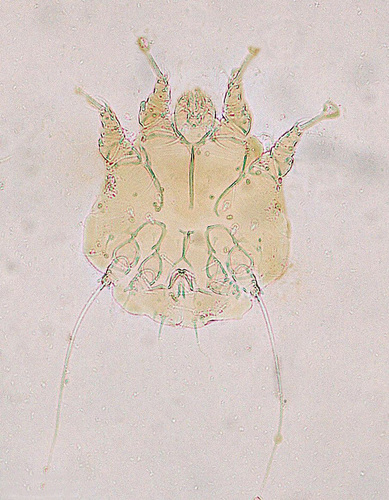
Notoedres cati
species of arachnid

gnathomiasis
Gnathostomiasis, also known as larva migrans profundus, is the human infection caused by any of six species of nematodes in the genus Gnathostoma, which infect vertebrates as second intermediate and primary hosts.
fasciolopsiasis
Fasciolopsiasis results from an infection by the trematode Fasciolopsis buski, the largest intestinal fluke of humans, growing up to long.
Gongylonema pulchrum
species of worm
Oesophagostomum
Oesophagostomum is a genus of parasitic nematodes (roundworms) of the family Strongylidae. These worms occur in Africa, Brazil, China, Indonesia and the Philippines. The majority of human infection with Oesophagostomum is localized to northern Togo and Ghana. Because the eggs may be indistinguishable from those of the hookworms (which are widely distributed and can also rarely cause helminthomas), the species causing human helminthomas are rarely identified with accuracy. Oesophagostomum, especially O. bifurcum, are common parasites of livestock and animals like goats, pigs and non-human prima
Spirometra erinaceieuropaei
species of worm
Capillaria hepatica
species of worm
Taenia crassiceps
species of Cestoda
Cheyletiella blakei
species of arachnid