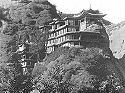
File:Xiazong_kl.jpg · Wikimedia Commons · See Wikimedia Commons
Amdo
Sign in to savethumb|right|270px|Amdo region of Tibet
In the Vinony graph
Vinony's link graph records 347 inbound references to Amdo, and connects out to Mongols, Wylie transliteration and Ngawa Tibetan and Qiang Autonomous Prefecture.
Vinony files it under Administrative divisions of Tibet, Amdo and Historical regions of Asia.
Vinony links it to 38 Wikipedia language editions.
Wikidata facts
Show 2 more facts
- Commons category
- Amdo
- topic's main category
- Category:Amdo
via Wikidata · CC0
~22 min read
Encyclopedic overview
25 sectionsContents
- Names
- Geography
- Demographics
- Historical demographics
- Present demographics
- Language
- History
- 3rd century
- 7th century
- 9th century
- 10th and 11th century
- 13th century
- 14th to 16th century
- 17th century
- 18th century
- 20th century
- Monasteries
- Traditional economy
- Local government
- Notes
- See also
- References
- Citations
- Sources
- Further reading
thumb|right|270px|Amdo region of Tibet
Amdo ( [ʔam˥˥.to˥˥]; ), also known as Domey (), is one of the three traditional Tibetan regions. It encompasses a large area from the Machu (Yellow River) to the Drichu (Yangtze). Amdo is mostly coterminous with China's present-day Qinghai province, but also includes small portions of Sichuan and Gansu provinces.
Excerpted from Wikipedia’s “Amdo” article, available under the CC BY-SA 4.0 licence.