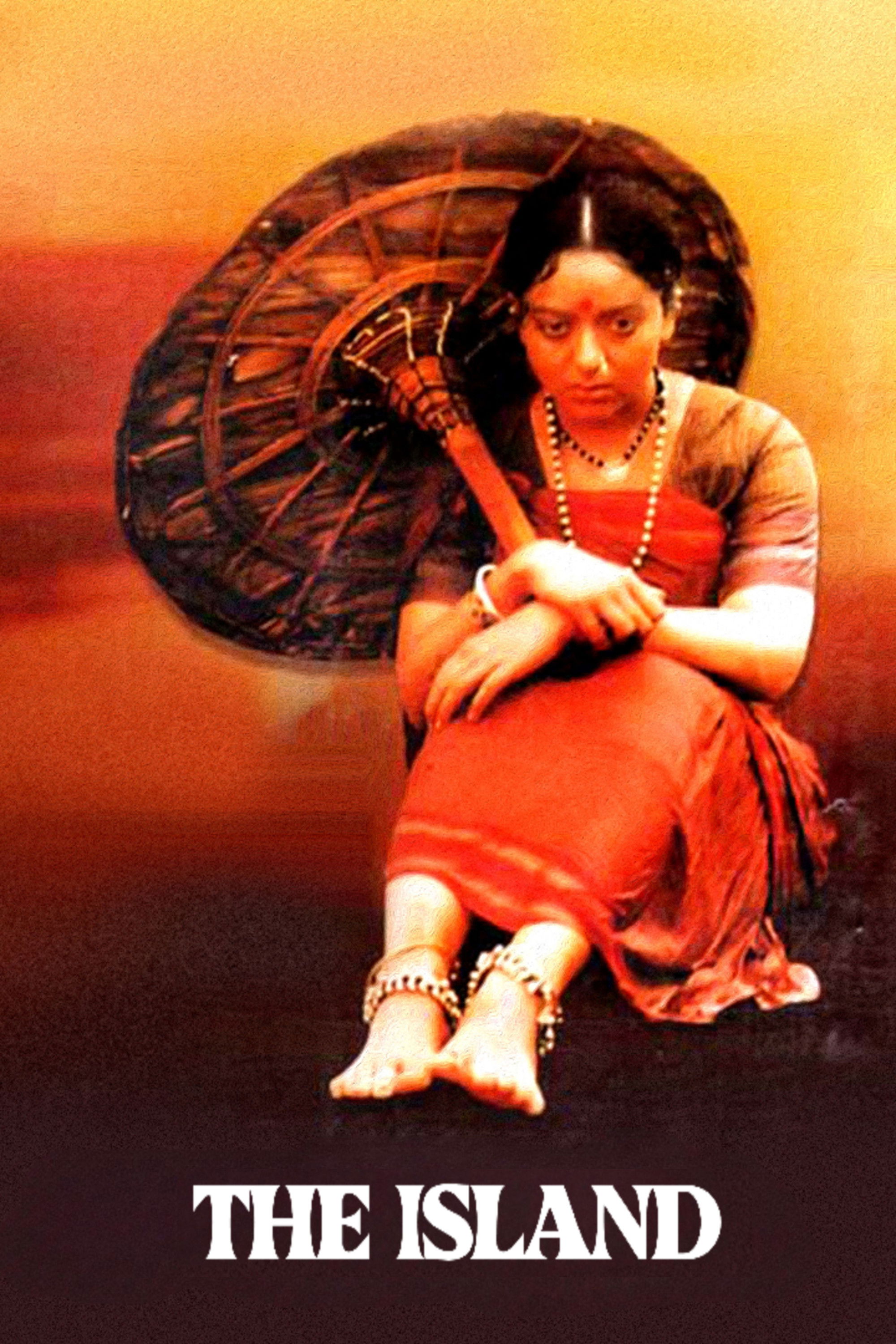
Poster from TMDB
Dweepa
Sign in to saveAlso known as Dweepa (Island)
Dweepa () is a 2002 Indian Kannada-language film by Girish Kasaravalli, based on the novel of the same name by Na D'Souza. It stars Soundarya, Avinash and M. V. Vasudeva Rao in the lead roles. The novel dealt with the raging issue of building dams and the displacement of natives. The film, however, focuses more on the human interaction between characters and the dam and displacement themes become somewhat secondary. It won two National Film Awards, four Karnataka State Film Awards and three Filmfare Awards South.
Film · TMDB
6.9Nagi is the pillar of her small family that includes her husband and her rigid father-in-law. Faced with the possibility of losing her home due to the construction of a dam, Nagi proves her strength.
Cast
- Soundarya as Nagi
- Avinash as Ganapa
- Vasudar Rao
- Harish Raj
Themes
- island
This product uses the TMDB API but is not endorsed or certified by TMDB.
~9 min read
Encyclopedic overview
10 sectionsContents
- Plot
- Cast
- Production
- Development and filming
- Theme and inspiration
- Reception
- Awards and screenings
- Soundtrack
- References
- External links
Dweepa () is a 2002 Indian Kannada-language film by Girish Kasaravalli, based on the novel of the same name by Na D'Souza. It stars Soundarya, Avinash and M. V. Vasudeva Rao in the lead roles. The novel dealt with the raging issue of building dams and the displacement of natives. The film, however, focuses more on the human interaction between characters and the dam and displacement themes become somewhat secondary. It won two National Film Awards, four Karnataka State Film Awards and three Filmfare Awards South.
==Plot== Located in the backwaters of a dam, Sita Parvata is a low-lying island slowly submerging due to the incessant rains. The government succeeds in evacuating the residents by giving them compensation for the properties they own. The temple priest Duggajja, his son Ganapa, and daughter-in-law Nagi find it impossible to leave their homeland and make a living with the meagre compensation. They have but a small hut, which earns them a compensation of 25,000. In Ganapa's own words, the compensation can give them food and shelter, but cannot compensate for the love and respect of their people. On the island, they are respected people, but outside, they would be one among hundreds of families struggling to make a living.
Excerpted from Wikipedia’s “Dweepa” article, available under the CC BY-SA 4.0 licence.