
File:Yasujiro_Ozu_01.jpg · Wikimedia Commons · See Wikimedia Commons
Yasujirō Ozu
Sign in to saveAlso known as Ozu Yasujirō, Ozu Yasujiro, Yasujiro Ozu, Yasujirou Ozu, James Maki, Ernst Schwartz, Shūtarō Komiya, Komiya Shūtarō
Japanese film director, screenwriter (1903–1963)
OverviewAI-generated
Yasujirō Ozu (1903–1963) was a Japanese film director, screenwriter, and production designer. He began his work period in 1929 and was educated at Waseda University. His notable works include *Equinox Flower* and *Late Spring*. Ozu received the Sutherland Trophy during his career.
Born in Tokyo, he resided in Tokyo and Matsusaka. Ozu served in the Imperial Japanese Army, participating in the Second Sino-Japanese War and the Battle of Nanchang. He died of laryngeal cancer at the Institute of Science Tokyo Hospital. He is buried at Engaku-ji Temple.
Synthesized by Vinony from 31 facts across 3 sources: Wikidata, Firecrawl, TMDb. Generated from structured data (not the Wikipedia text) and checked against those facts — may still contain errors.
Film & TV
Tokyo, Tokyo Prefecture, Japan
Yasujirō Ozu was a Japanese film director and screenwriter. He began his career during the era of silent films. Ozu first made a number of short comedies, before turning to more serious themes in the 1930s. Marriage and family, especially the relationships between the generations, are prominent themes in Ozu's work. His most lauded films include Late Spring (1949), Tokyo Story (1953), Floating…
Known for
- Proust Palimpsesto: Pastiches e Misturas — Self (archive footage) (uncredited)2026
- The Ozu Diaries — Self (archive footage)2025
- Yasujiro Ozu and the Taste of Sake — Self (archive footage)1978
via TMDB
Official website
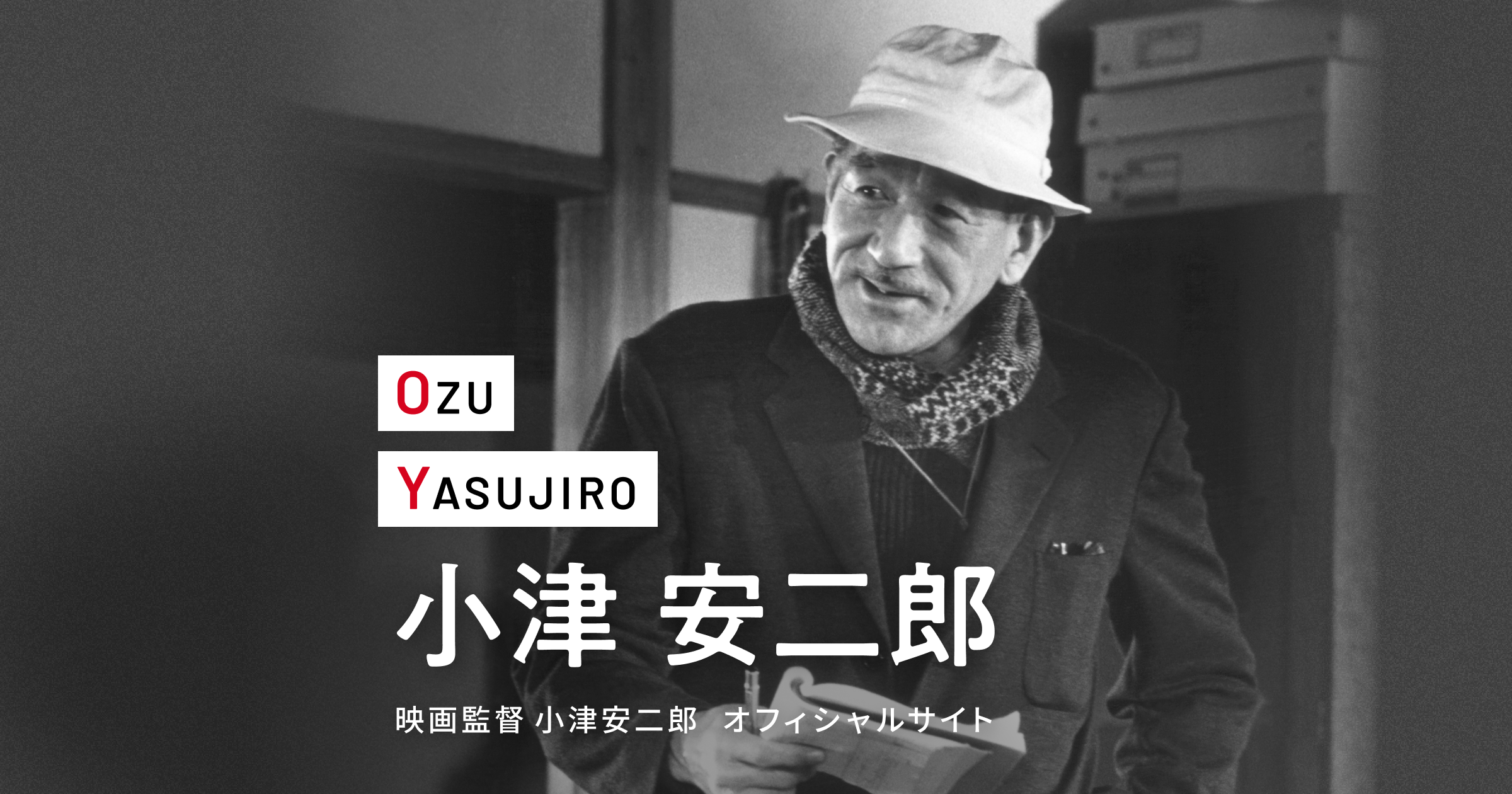
Link to the official site · 8,642 chars · not written by Vinony
Described at
Yasujiro Ozu (Ozu-san.com)
a2pcinema.com →Link to a page describing this subject · 1,012 chars · not written by Vinony
Wikidata facts
- Instance of
- human
- Gender
- male
- Citizenship
- Japan
- Place of death
- Institute of Science Tokyo Hospital
- Occupation
- screenwriter
- Educated at
- Waseda University
- Languages spoken
- Japanese
- Native language
- Japanese
- Notable work
- Late Spring
- Conflict
- Battle of Nanchang
- Military branch
- Imperial Japanese Army
- Official website
- www.cinemaclassics.jp/ozu
- Image
- Yasujiro Ozu by Shigeru Tanura.jpg
- Residence
- Matsusaka
Show 13 more facts
- Commons category
- Yasujirō Ozu
- date of birth
- 1903-12-12
- date of death
- 1963-12-12
- name in kana
- おづ やすじろう
- place of burial
- Engaku-ji Temple
- cause of death
- laryngeal cancer
- manner of death
- natural causes
- name in native language
- 小津安二郎
- topic's main category
- Category:Yasujirō Ozu
- start of work period
- 1929-00-00
- pseudonym
- Shūtarō Komiya
- Commons Creator page
- Yasujirō Ozu
- described at URL
- www.a2pcinema.com/ozu-san
Sources (6)
via Wikidata · CC0
~21 min read
Encyclopedic overview
Yasujirō Ozu (小津 安二郎, Ozu Yasujirō; 12 December 1903 – 12 December 1963) was a Japanese filmmaker. He began his career during the era of silent films, and his last films were made in colour in the early 1960s. Ozu first made a number of short comedies, before turning to more serious themes in the 1930s. The most prominent themes of Ozu's work are family and marriage, and especially the relationships between generations. His most widely beloved films include Late Spring (1949), Tokyo Story (1953) and An Autumn Afternoon (1962).
Widely regarded as one of the world's greatest and most influential filmmakers, Ozu's work has continued to receive acclaim since his death. In the 2012 Sight & Sound poll, Ozu's Tokyo Story was voted the third-greatest film of all time by critics world-wide. In the same poll, Tokyo Story was voted the greatest film of all time by 358 directors and film-makers world-wide.
Excerpted from Wikipedia’s “Yasujirō Ozu” article, available under the CC BY-SA 4.0 licence.