Category
page 117th-century inventions
piano
A piano is a keyboard instrument that produces sound when its keys are depressed, activating an action mechanism where hammers strike strings. Modern pianos have a row of 88 black and white keys—with the exception of the Bosendörfer and Stuart & Sons pianos—and tuned to a chromatic scale in equal temperament. A musician who specializes in piano is called a pianist.

telescope
thumb|The 100-inch (2.54 m) Hooker reflecting telescope at [[Mount Wilson Observatory near Los Angeles, used by Edwin Hubble to measure galaxy redshifts and discover the general expansion of the universe.]]

barometer
thumb|An analog barometer

pressure cooker
utensil for cooking food under high pressure steam
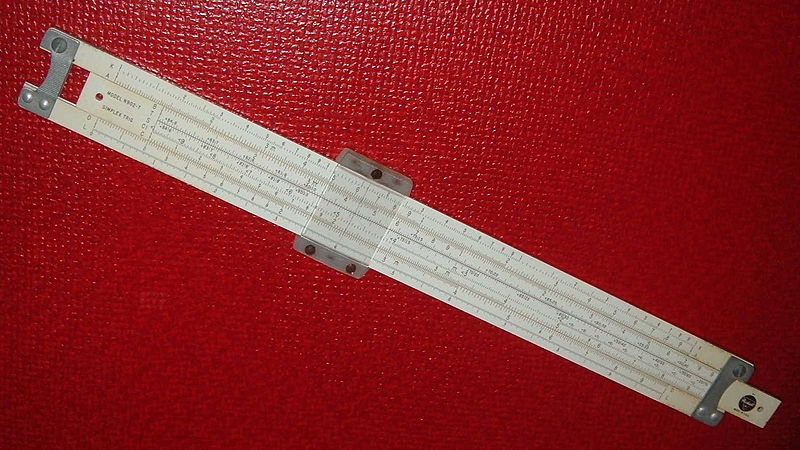
slide rule
mechanical analog computer

thermostat
thumb|A digital thermostat
thumb|right|Honeywell's "The Round" model T87 thermostat, one of which is in the collection of the [[Smithsonian.]]
thumb|right|A touch screen thermostat
thumb|right|An electronic thermostat in a retail store

corkscrew
thumb|Three types of corkscrew: two modern (left and bottom) and one old (right)
thumb|upright|A basic corkscrew
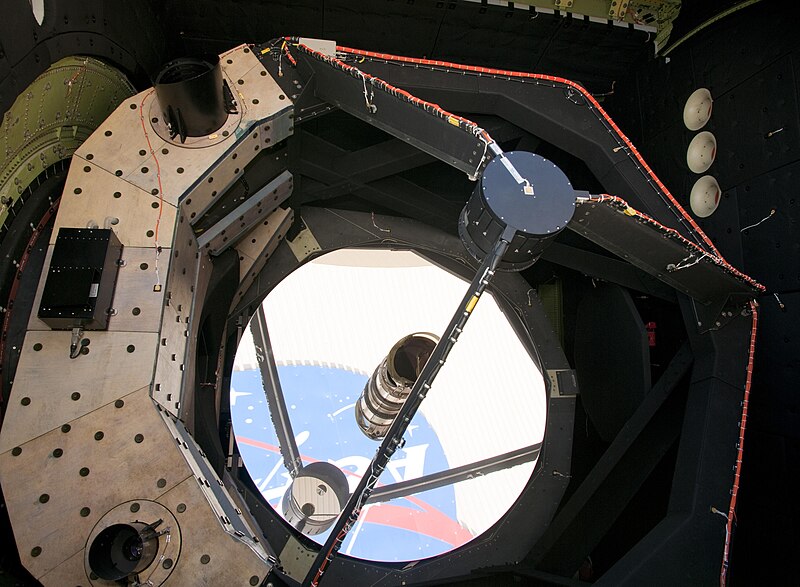
reflecting telescope
telescope design that collects and focuses light with a combination of mirrors

Pascal's calculator
thumb|A Pascaline signed by Pascal in 1652
thumb|Top view and overview of the entire mechanism. This version of Pascaline was for accounting.
magic lantern
early type of image projector
pendulum clock
timekeeping device
vacuum pump
equipment producing low air pressure
mechanical calculator
mechanical machine for arithmetic operations for absolute calculators
smock mill
type of windmill
Swedish torch
source of light
snuff bottle
bottle for holding snuff powder
Steam digester
high-pressure cooker invented by Denis Papin in 1679 to allow paupers to consume bones and low-quality meat
pop gun
toy gun