Category
page 11970s in music

heavy metal music
genre of rock music characterized by slack-tuned instruments, and unconventional changes of tonality (key) and time signature (metre)

punk rock
genre of rock music

country music
genre of American popular music

hippie
A hippie (also spelled hippy in British English) is a subculture associated with the counterculture of the mid-1960s to early 1970s. It originated as a youth subculture that began in the United States and spread to different countries around the world. The word hippie came from hipster and was used to describe beatniks who moved into New York City's Greenwich Village, San Francisco's Haight-Ashbury district, Los Angeles' Laurel Canyon, and Chicago's Old Town community. The term hippie was used in print by San Francisco writer Michael Fallon, helping popularize use of the term in the media, alt

disco
Disco is a genre of dance music and a subculture that emerged in the late 1960s from the United States' urban nightlife scene, particularly in African-American, Italian-American, Latino and queer communities. Its sound is typified by four-on-the-floor beats, syncopated basslines, string sections, brass and horns, electric pianos, synthesizers, and electric rhythm guitars.

funk
Funk is a music genre that originated in African-American communities in the mid-1960s when musicians created a rhythmic, danceable new form of music through a mixture of various music genres that were popular among African-Americans in the mid-20th century. It deemphasizes melody and chord progressions and focuses on a strong rhythmic groove of a bassline played by an electric bassist and a drum part played by a percussionist, often at slower tempos than other popular music. Funk typically consists of a complex percussive groove with rhythm instruments playing interlocking grooves that create

J-pop
The term J-pop (often stylized in all caps; an abbreviated form of "Japanese popular music"), refers to a form of popular music that entered the musical mainstream of Japan in the 1990s. In Japan it is known simply as . Modern J-pop has its roots in traditional music of Japan, and global 1960s pop and rock music. J-pop replaced kayōkyoku ("Lyric Singing Music"), a term for Japanese popular music from the 1920s to the 1980s in the Japanese music scene.

post-punk
Post-punk (or postpunk) is a loosely defined music genre and period that emerged in late 1977 in the wake of punk rock. The concept was originally outlined by Jon Savage in his "New Musick" editorial for Sounds magazine in November 1977. The term has been noted for lacking a universally agreed-upon definition. Post-punk musicians departed from punk's fundamental elements and raw simplicity, adopting instead a broader, more experimental approach that incorporated a variety of avant-garde sensibilities and non-rock influences. Inspired by punk's energy and DIY ethic but determined to move beyond

new wave
music genre that encompasses pop-oriented styles from the late 1970s through the 1980s

synth-pop
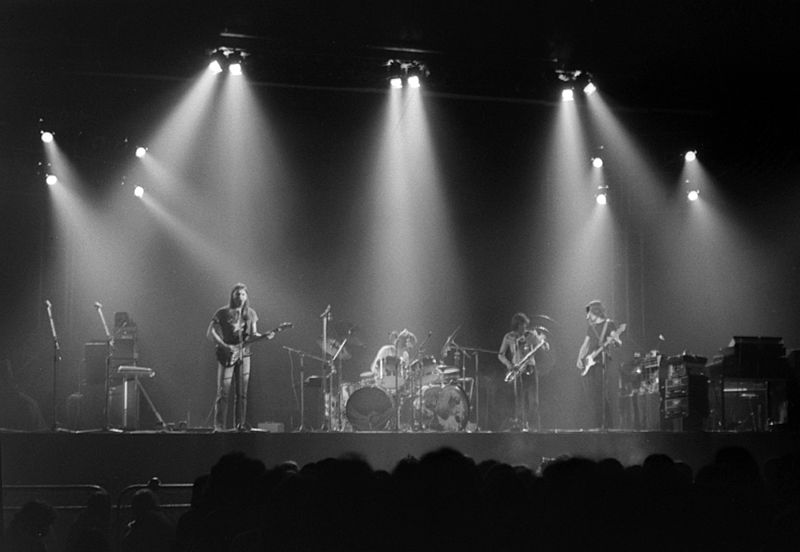
art rock
subgenre of rock music

pop-punk
Pop-punk (also punk pop, alternatively spelled without the hyphen) is a rock music genre that combines elements of punk rock and pop. It is defined by its fast-paced, energetic tempos, and emphasis on classic pop songcraft, as well as adolescent and anti-suburbia themes. It is distinguished from other punk-variant genres by drawing more heavily from 1960s bands such as the Beatles, the Kinks, and the Beach Boys. The genre has evolved throughout its history, absorbing elements from new wave, college rock, ska, hip hop, emo, boy band pop and even hardcore punk and metalcore. It is sometimes cons
soft rock
music genre derived from popular and rock music
oi!
Oi! (originally known as new punk or real punk) is a subgenre of punk rock that emerged in the United Kingdom, particularly the East End of London in the late 1970s and early 1980s. The term was coined by Sounds magazine writer Garry Bushell in August 1979. The music and its associated subculture aimed to unite punks, skinheads, and generally disaffected working-class youth.
baroque pop
fusion genre that combines rock music with particular elements of classical music
power pop
music genre

chiptune
Chiptune, also called 8-bit music (although not all chiptune is 8-bit), is a style of electronic music, and its associated subculture, made using the programmable sound generator (PSG) sound chips or synthesizers in vintage arcade machines, computers and video game consoles. The term is commonly used to refer to tracker format music using extremely basic and small samples that an old computer or console could produce (this is the original meaning of the term), as well as music that combines PSG sounds with modern musical styles.
arena rock
genre of rock music designed for large audiences
Europop
Europop (also spelled Euro pop) is a style of pop music characterized by polished production, simple and highly catchy melodies, repetitive choruses, and light lyrical themes. The style consolidated itself mainly in continental Europe from the mid to late 1960s, although it exerted significant influence on British and American artists, and topped the charts throughout the 1980s and 1990s, with revivals and moderate degrees of appreciation in the 2000s. The Swedish group ABBA is widely considered the leading representative of classic Europop.
==History==
During the 1970s and early 1980s, such
smooth jazz
music genre
college rock
music genre
heartland rock
rock music genre
old-school hip-hop
historical musical period; music genre
dance-rock
Dance-rock is a dance-infused genre of rock music. It is a post-disco genre connected with pop rock and new wave with fewer rhythm and blues influences. It originated in the early 1980s, following the decline in popularity of both punk and disco.
outlaw country
genre of country music
classic rock
US radio format
lovers rock
style of reggae music noted for its romantic sound and content
quiet storm
radio format of contemporary R&B, jazz fusion and pop, characterized by understated mellow dynamics, slow tempos and relaxed rhythms

yacht rock
music genre
Wagnerian rock
merger of 20th-century rock and roll and 19th-century opera reminiscent of Richard Wagner or Phil Spector's Wall of Sound
biker metal
fusion genre that combines elements of heavy metal, occult rock, hard rock, freakbeat and electric blues
cultural impact of the Beatles
effect the band left on pop culture
1970s in music
overview of music-related events during the 1970s
psychedelic funk
music genre
Christgau's Record Guide: Rock Albums of the Seventies
music reference book
fuji music
music genre from Yorubaland of Nigeria
progressive soul
music genre
plastic soul
Type of soul music