Category
page 12nd-century BC Romans

Cicero
Marcus Tullius Cicero ( , ; 3 January 106 BC – 7 December 43 BC) was a Roman statesman, lawyer, scholar, philosopher, orator, and writer who tried to uphold principles during the political crises of the Roman Republic that led to the establishment of the Roman Empire. The extensive writings of Cicero include treatises on rhetoric, philosophy, and politics. He is considered one of Rome's greatest orators and prose stylists and the innovator of what became known as "Ciceronian rhetoric". Cicero was educated in Rome and in Greece. He came from a wealthy municipal () family of the Roman
Plautus
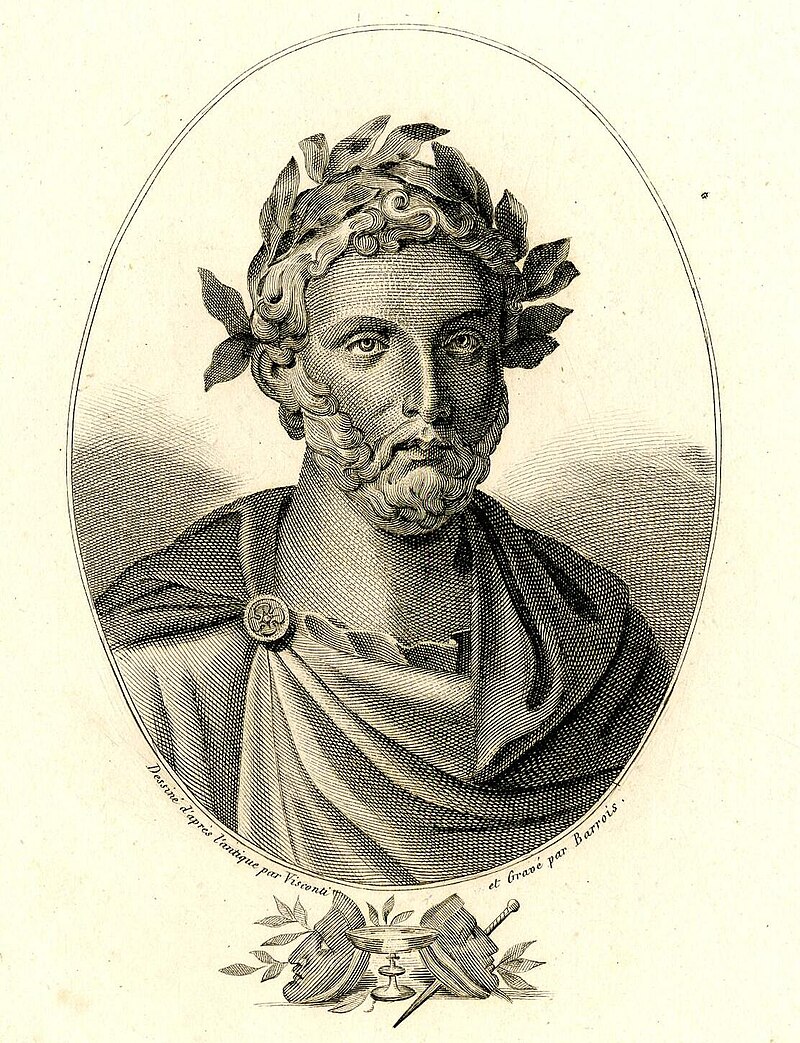
Titus Maccius Plautus ( ; 254 – 184 BC) was a Roman playwright of the Old Latin period. His comedies are the earliest Latin literary works to have survived in their entirety. He wrote Palliata comoedia, the genre devised by Livius Andronicus, the innovator of Latin literature. The word Plautine () refers to both Plautus's own works and works similar to or influenced by his.
He influenced some of the greatest figures in literature, including Shakespeare and Molière (The Miser is partly modeled after Plautus's Aulularia).

Terence
Publius Terentius Afer (; – ), better known in English as Terence (), was a playwright during the Roman Republic. He was the author of six comedies based on Greek originals by Menander or Apollodorus of Carystus. All six of Terence's plays survive complete and were originally produced between 166 and 160 BC.

Sulla
Lucius Cornelius Sulla Felix (, ; 138–78 BC), commonly known as Sulla, was a Roman general and statesman of the late Roman Republic. Coming to fame for his military exploits, he was the first general during the late republic to march on Rome and win a civil war. After purging his opponents, he assumed the dictatorship, sought to strengthen the republican system by means of reforms to the constitution, and resigned his plenary powers after their enactment.
Marcus Terentius Varro
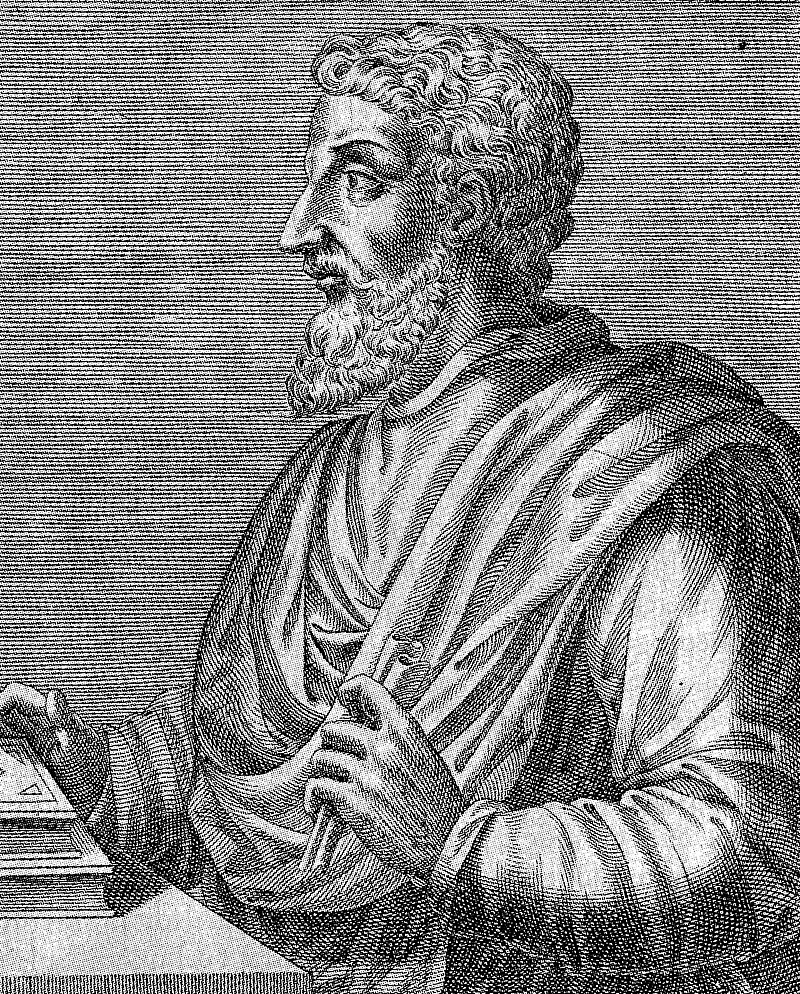
Roman scholar, polymath and author (116–27 BC)

Cornelius Nepos
Roman historian and biographer (c.110 BC–c.25 BC)

Gaius Gracchus
ancient Roman politician

Lucullus
Lucius Licinius Lucullus (; 118–57/56 BC) was a Roman general and statesman, closely connected with Lucius Cornelius Sulla. In culmination of over 20 years of almost continuous military and government service, he conquered the eastern kingdoms in the course of the Third Mithridatic War, exhibiting extraordinary generalship in diverse situations, most famously during the Siege of Cyzicus in 73–72 BC, and at the Battle of Tigranocerta in Armenian Arzanene in 69 BC. His command style received unusually favourable attention from ancient military experts, and his campaigns appear to have been studi

Quintus Sertorius
Roman rebel leader (Sertorian War)

Lucius Accius
Roman poet and literary scholar (170–c.86 BC)

Gaius Lucilius
2nd-century BC Roman satirist
Pacuvius
Marcus Pacuvius (; 220 – ) was an ancient Roman tragic poet. He is regarded as the greatest of their tragedians prior to Lucius Accius.

Gaius Julius Caesar
Roman senator and father of Julius Caesar (c.140 BC - 85 BC)
Caecilius Statius
Roman comic poet (c. 220 BC – c. 166 BC)
Gracchi
ancient Roman brothers known for their populism

Quintus Caecilius Metellus Pius
Ancient Roman consul, general and statesman. A leader of the Optimates
Lucius Appuleius Saturninus
Roman populist and tribune (died 100 BC)
Lucius Julius Caesar
Roman consul in 90 BC
Marcus Aemilius Lepidus
consul of the Roman Republic in 78 BC
Quintus Mucius Scaevola Pontifex
Ancient Roman jurist, politician and writer (consul in 95 BC)
Lucius Aelius Stilo Praeconinus
Roman philologist (c. 154 – 74 BC)
Lucius Licinius Crassus
Roman consul 95 BC

Eunus
Eunus (died 132 BC) was a Roman slave from Apamea in Syria who became the leader and king of the slave uprising during the First Servile War (135 BC–132 BC) in the Roman province of Sicily. According to the historian Florus, his name is remembered due to the severe defeats he inflicted on the Romans.
Lucius Coelius Antipater
2nd-century Roman jurist and historian
Quintus Lutatius Catulus Capitolinus
Roman consul in 78 BCE
Quintus Caecilius Metellus Nepos
Roman consul 98 BC
Lucius Gellius
Roman general and politician (c. 136 BC–c. 54 BC)
Marcus Furius Bibaculus
Roman poet, who versified the exploits of Julius Caesar in Gaul
Gnaeus Domitius Ahenobarbus
Roman consul 96 BC
Gaius Sulpicius Gallus
Roman consul 166 BC

Appius Claudius Pulcher
Roman consul 79 BC
Quintus Caecilius Metellus
Roman consul
Lucius Marcius Philippus
Roman orator, consul in 91 BC and censor in 86 BC
Gnaeus Papirius Carbo
Ancient Roman consul
Aulus Postumius Albinus
Roman consul 99 BC
Marcus Cornelius Cethegus
Roman senator and general (c.248 BC–196 BC)
Publius Sulpicius Rufus
Ancient Roman general
Gaius Aurelius Cotta
Roman consul ca. 75 BCE; mentioned as an orator by Cicero
Publius Sempronius Tuditanus
Roman censor 209 BC
Gaius Servilius Glaucia
Roman politician and praetor (died 100 BC)
Publius Licinius Crassus Dives
Roman consul 205 BC
Marcus Octavius
Roman senator and tribune in 133 BC
Lucius Valerius Flaccus
Roman consul 100 BC
Lucius Domitius Ahenobarbus
Roman consul 94 BC
Lucius Cornelius Scipio Asiaticus
1st-century BC Roman senator and military leader
Titus Didius
consul 98 BC
Gaius Norbanus
Roman consul 83 BC
Lucius Octavius
Roman consul 75 BC
Gaius Servilius Geminus
Roman senator, consul and dictator (died 180 BC)
Gaius Coelius Caldus
Roman consul 94 BC

Gaius Acilius
Roman politician and historian
Lucius Valerius Flaccus
Roman consul 131 BC
Marcus Perperna
Roman consul
Marcus Porcius Cato Licinianus
son of Cato the Elder, jurist
Lucius Cassius Hemina
Roman historian

Sempronius Asellio
Roman historian
Lucius Valerius Flaccus
Roman suffect consul 86 BC
Gaius Julius Caesar Strabo Vopiscus
Roman senator, orator and poet (c. 131 – 87 BC)
Lucius Aemilius Regillus
Roman admiral and praetor during the war with Antiochus III of Syria
Salvius
Late 2nd-century BC leader of Second Servile Revolt