Category
page 12nd-millennium BC establishments

Iron Age
archaeological period
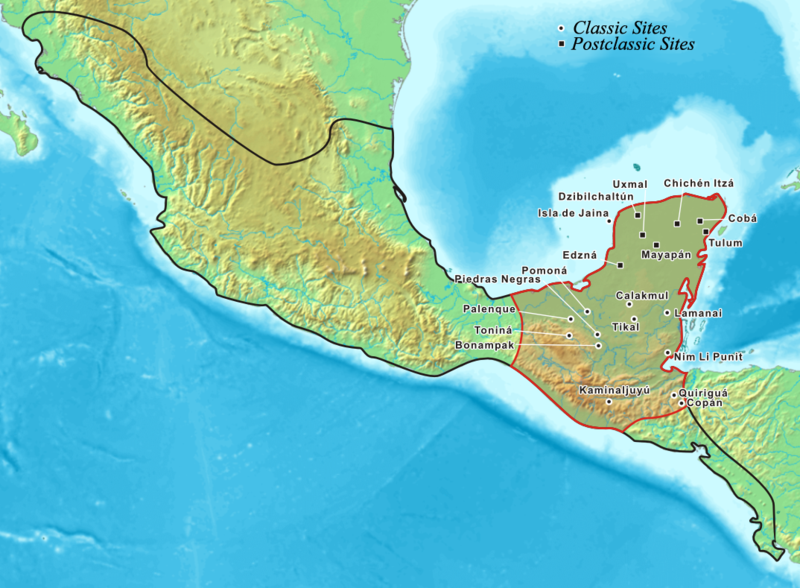
Maya civilization
Mesoamerican former civilization

Babylonia
Babylonia (; , ) was an ancient Akkadian-speaking state and cultural area based on the city of Babylon in central-southern Mesopotamia (present-day Iraq and parts of Syria). It emerged as an Akkadian-populated but Amorite-ruled state . During the reign of Hammurabi and afterwards, Babylonia was retrospectively called "the country of Akkad" ( in Akkadian), a deliberate archaism in reference to the previous glory of the Akkadian Empire. It was often involved in rivalry with the linguistically related state of Assyria in Upper Mesopotamia, and with Elam to the east. Babylonia briefly became the m

Germanic people
Indo-European ethnolinguistic group
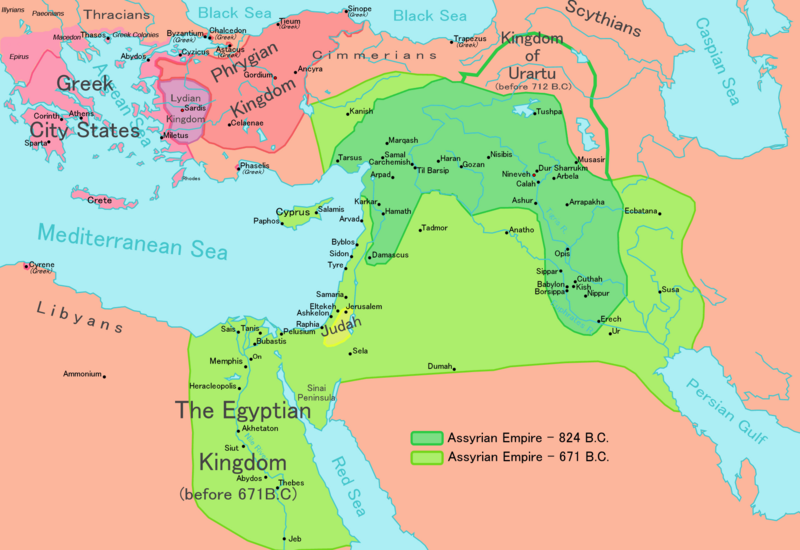
Neo-Assyrian Empire
historical state in Mesopotamia

Vedic Sanskrit
archaic language in the Vedas (2nd millennium BCE)
Urnfield culture
archaeological culture
Caral–Supe civilization
complex pre-Columbian era society that included as many as 30 major population centers in what is now the Norte Chico region of north-central coastal Peru
Old South Arabian script
abjad used for writing Old South Arabian languages

Yamhad
Yamhad (Yamḫad) was an ancient Semitic-speaking kingdom centered on Ḥalab (Aleppo) in Syria. The kingdom emerged at the end of the 19th century BC and was ruled by the Yamhad dynasty, who counted on both military and diplomacy to expand their realm. From the beginning of its establishment, the kingdom withstood the aggressions of its neighbors Mari, Qatna and the Old Assyrian Empire, and was turned into the most powerful Syrian kingdom of its era through the actions of its king Yarim-Lim I. By the middle of the 18th century BC, most of Syria minus the south came under the authority of Yamhad,
Nordic Bronze Age
Bronze Age in Scandinavia
Kazarma Mycenaean Bridge
stone bridge, one of three, near the modern road from Tiryns to Epidauros in Argolida, Greece
Mumun pottery period
archaeological era in Korean prehistory (ca. 1500–300 BCE), named after the undecorated or plain cooking and storage vessels that form a large part of the pottery assemblage over the entire length of the period
Ain Dara
archaeological site in Syria
Atlantic Bronze Age
Period of approximately 1300-700 BC in Europe

Royal Palace of Mari
royal palace of the kingdom of Mari in eastern Syria
Grave Circle A, Mycenae
16th-century BC royal cemetery in southern Greece
Rapiqum
Rapiqum (also Rapiku and Rapiqu), ra-bi-qa-wiKI, was a city of the ancient Near East. The city was located in the north of Mesopotamia, probably on the eastern bank of the Euphrates River, in modern Iraq. It is firmly attested from early in the 2nd Millennium BC until early in the 1st Millennium BC.