Category
page 1Abortifacients

yeast
A yeast is any species of fungus that grows primarily in a unicellular form and reproduces via budding or fission. Yeasts are eukaryotic microorganisms that originated hundreds of millions of years ago, with at least 1,500 species currently recognized. They constitute about 1% of all described fungal species.

Momordica charantia
species of plant in the family Cucurbitaceae

Daucus carota
species of plant

Artemisia vulgaris
species of plant

Hypericum perforatum
species of plant

Ruta graveolens
species of plant in the Rutaceae family

Mentha pulegium
species of plant

Tanacetum vulgare
thumb|240px|Illustration of a tansy
Tansy (Tanacetum vulgare) is a perennial, herbaceous flowering plant in the genus Tanacetum in the aster family, native to temperate Europe and Asia. It has been introduced to other parts of the world, including North America, and in some areas has become invasive. It is also known as common tansy, bitter buttons, cow bitter, or golden buttons. The Latin word vulgare means "common".

Claviceps purpurea
species of fungus

Aristolochia
Aristolochia () is a large plant genus with over 500 species that is the type genus of the family Aristolochiaceae. Its members are commonly known as birthwort, pipevine or '''Dutchman's pipe' and are widespread and occur in diverse climates. Some species, like A. utriformis and A. westlandii'', are threatened with extinction.
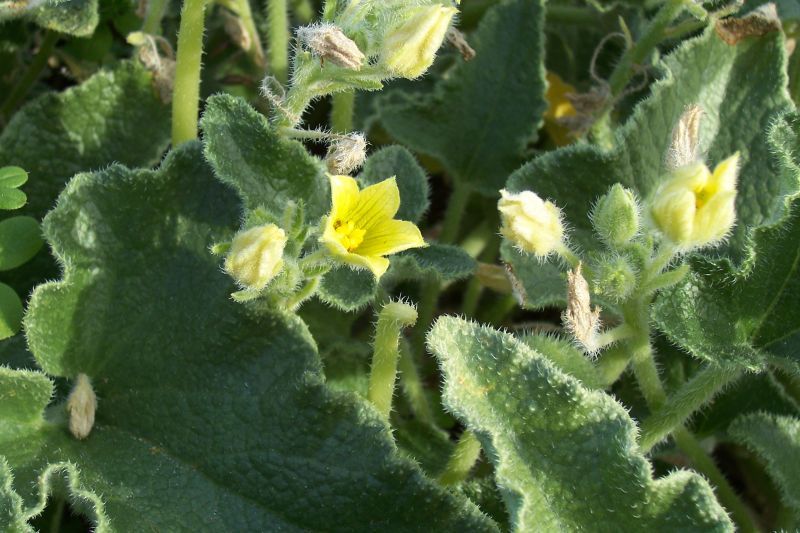
Ecballium elaterium
Ecballium is a genus of flowering plants in the family Cucurbitaceae containing a single species, Ecballium elaterium, also called the squirting cucumber. Its unusual common name derives from the ripe fruit squirting a stream of mucilaginous liquid containing its seeds as a means of seed dispersal, an example of rapid plant movement.

methotrexate
Methotrexate, formerly known as amethopterin, is a chemotherapy agent and immune-system suppressant. It is used to treat cancer, autoimmune diseases, and ectopic pregnancies. Types of cancers it is used for include breast cancer, leukemia, lung cancer, lymphoma, gestational trophoblastic disease, and osteosarcoma. Types of autoimmune diseases it is used for include psoriasis, rheumatoid arthritis, and Crohn's disease. It can be given by mouth or by injection.

Claviceps
Ergot (), or ergot fungi, is a group of fungi of the genus Claviceps.
misoprostol
Misoprostol is a synthetic prostaglandin medication used to prevent and treat stomach and duodenal ulcers, induce labor, cause an abortion, and treat postpartum bleeding due to poor contraction of the uterus. It is taken by mouth when used to prevent gastric ulcers in people taking nonsteroidal anti-inflammatory drugs (NSAID). For abortions it is typically used in conjunction with mifepristone or methotrexate, but can be used alone. By itself, effectiveness for abortion is between 82% and 100%. Its efficacy with mifepristone is higher, but varies based on gestational age. The misoprostol-only
mifepristone
Mifepristone, also known by its developmental code name RU-486, is a drug typically used in combination with misoprostol to bring about a medical abortion during pregnancy. This combination is 97% effective during the first 63 days (9 weeks) of pregnancy, and is effective in the second trimester as well. It is also used on its own to treat Cushing's syndrome or in low doses as an emergency contraceptive.

silphium
thumb|right|Ancient silver coin from Cyrene depicting a stalk of silphium
Silphium (also known as laserwort or laser; Ancient Greek: , ) is an unidentified plant that was used in classical antiquity as a seasoning, perfume, aphrodisiac, and medicine.
prostaglandin E2
chemical compound

lapacho
thumb|right|Lapacho
Lapacho or taheebo is herbal tea made from the inner bark of the pau d'arco tree Handroanthus impetiginosus.
apiole
Apiole is a phenylpropene, also known as apiol, parsley apiol, or parsley camphor. Its chemical name is 1-allyl-2,5-dimethoxy-3,4-methylenedioxybenzene. It is found in the essential oils of celery leaf and all parts of parsley. Heinrich Christoph Link, an apothecary in Leipzig, discovered the substance in 1715 as greenish crystals reduced by steam from oil of parsley. In 1855, Joret and Homolle discovered that apiol was an effective treatment of amenorrhea (lack of menstruation).

Asarum canadense
species of plant
gemeprost
Gemeprost (16, 16-dimethyl-trans-delta2 PGE1 methyl ester) is an analogue of prostaglandin E1.
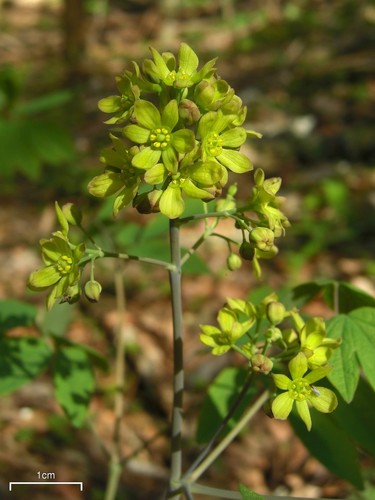
Caulophyllum thalictroides
species of plant
prostaglandin F2α
chemical compound
aglepristone
Aglepristone () (brand name Alizin; former developmental code names RU-46534, RU-534) is a synthetic, steroidal antiprogestogen related to mifepristone. Aglepristone, similarly to mifepristone, also possesses some antiglucocorticoid activity.
Aglepristone is used as an abortifacent, to induce parturition, and as a treatment for mammary hyperplasia and pyometra. It is only used in cats and dogs.
== See also ==
Lilopristone
Onapristone
Telapristone
Toripristone
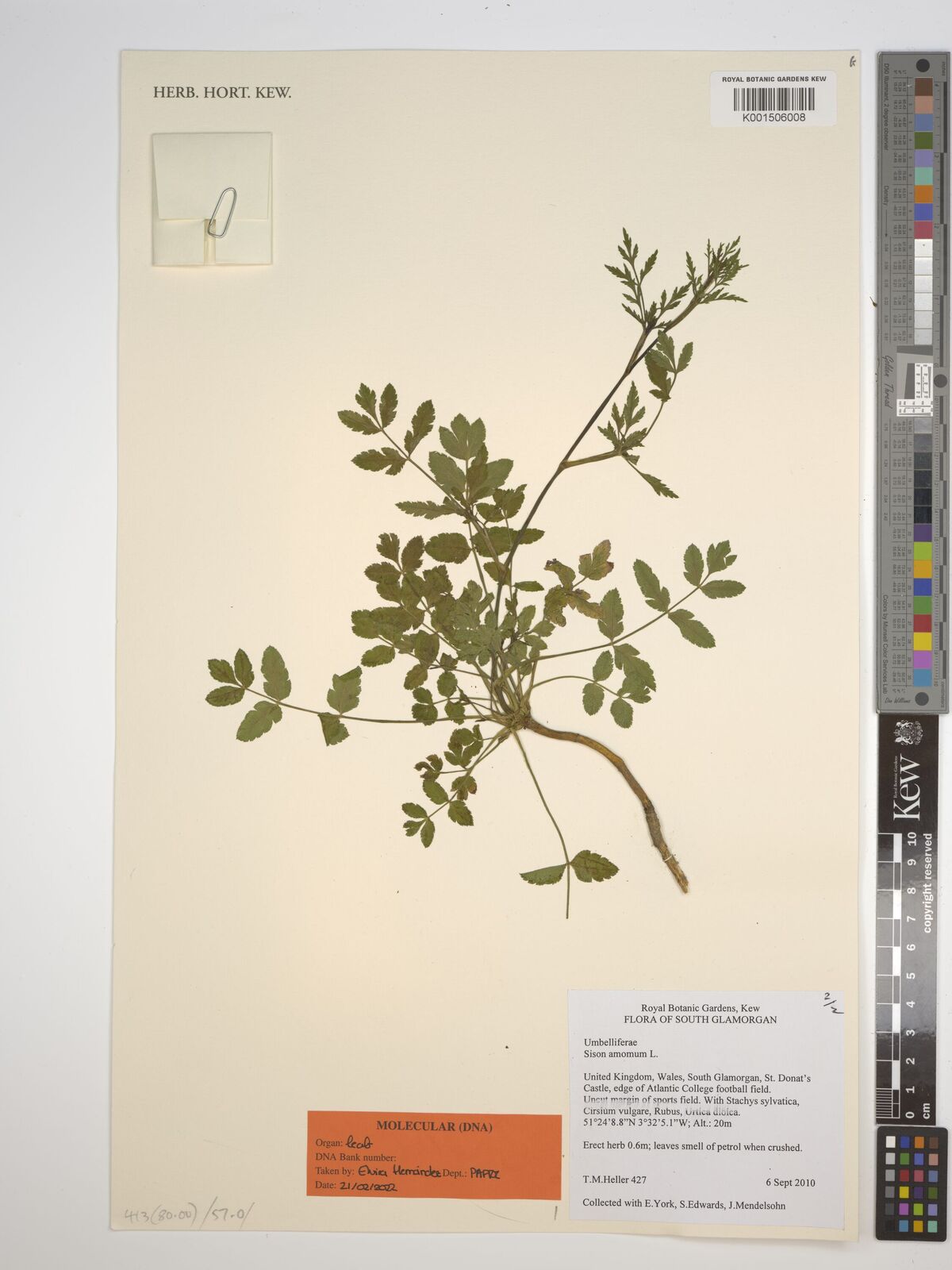
Sison amomum
species of plant

Sanguinaria
Sanguinaria canadensis, bloodroot, is a perennial, herbaceous flowering plant native to eastern North America. It is the only species in the genus Sanguinaria, included in the poppy family Papaveraceae, and is most closely related to Eomecon of eastern Asia.

abortifacient
alt=|thumb|325x325px|A historical advertisement for "Dr. Reynold's Lightning Pills". The advertisement uses coded language to refer to the pills' supposed abortifacient properties, including its ability to resolve female "irregularities."

Hedeoma pulegioides
species of plant

Petalostigma pubescens
species of plant
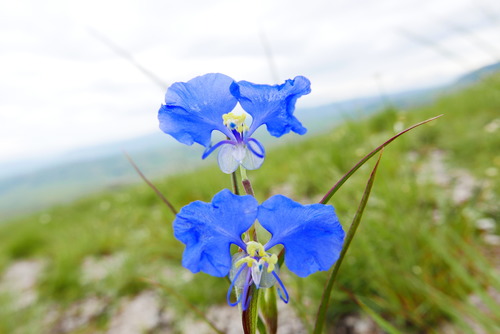
Commelina madagascarica
Plant traditionally used for abortions in Madagascar