Category
page 1African-American music

jazz
Jazz is a music genre that originated in the African-American communities of New Orleans, Louisiana, in the late 19th and early 20th centuries. Its roots are in blues, ragtime, European harmony, African rhythmic rituals, spirituals, hymns, marches, vaudeville song, and dance music. Since the 1920s Jazz Age, it has been recognized as a major form of musical expression in traditional and popular music. Jazz is characterized by swing and blue notes, complex chords, call and response vocals, polyrhythms and improvisation.

rock music
popular music genre

blues
Blues is a music genre and musical form that originated among African Americans in the Deep South of the United States around the 1860s. Blues has incorporated spirituals, work songs, field hollers, shouts, chants, and rhymed simple narrative ballads from the African-American culture. The blues form is ubiquitous in jazz, rhythm and blues, and rock and roll, and is characterized by the call-and-response pattern, the blues scale, and specific chord progressions, of which the twelve-bar blues is the most common. Blue notes (or "worried notes"), usually thirds, fifths or sevenths flattened in pit
.jpg)
hip-hop
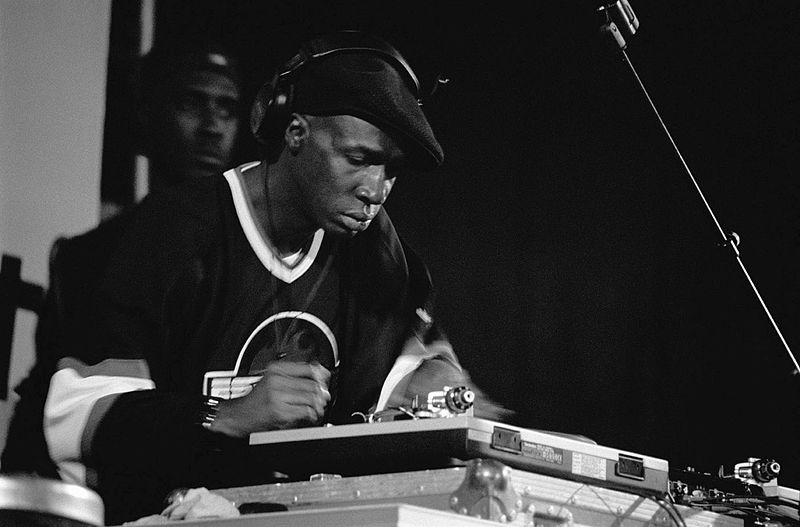
Hip-hop (also known as rap music or simply rap) is a genre of popular music that emerged in the early 1970s alongside an associated subculture in New York City. The musical style is characterized by the synthesis of a wide range of techniques, but rapping is frequent enough that it has become a defining characteristic. Other key markers of the genre are the disc jockey (DJ), turntablism, scratching, beatboxing, and instrumental tracks. Cultural interchange has always been central to the hip-hop genre; it simultaneously borrows from its social environment while commenting on it.
rock and roll
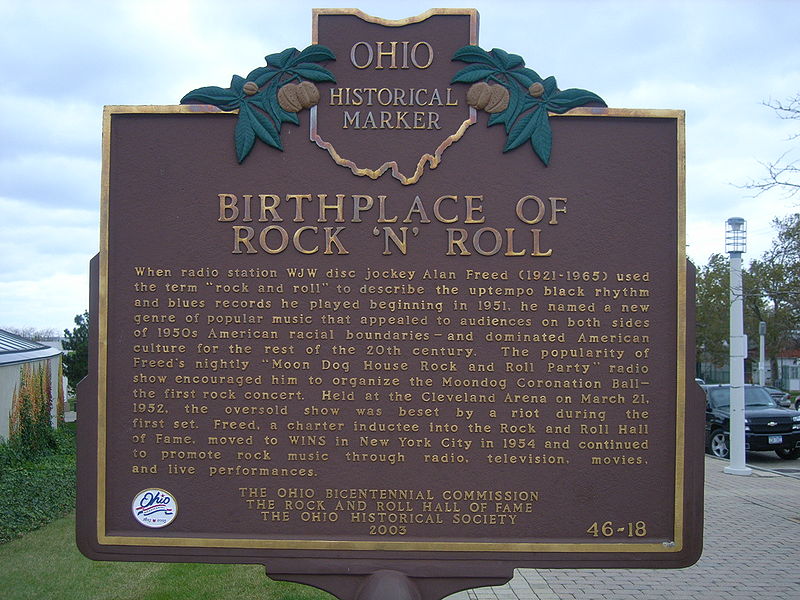
genre of popular music, early subgenre of rock music

rhythm and blues
genre of popular music that originated within African-American communities in the 1940s

soul
genre of popular music

disco
Disco is a genre of dance music and a subculture that emerged in the late 1960s from the United States' urban nightlife scene, particularly in African-American, Italian-American, Latino and queer communities. Its sound is typified by four-on-the-floor beats, syncopated basslines, string sections, brass and horns, electric pianos, synthesizers, and electric rhythm guitars.

funk
Funk is a music genre that originated in African-American communities in the mid-1960s when musicians created a rhythmic, danceable new form of music through a mixture of various music genres that were popular among African-Americans in the mid-20th century. It deemphasizes melody and chord progressions and focuses on a strong rhythmic groove of a bassline played by an electric bassist and a drum part played by a percussionist, often at slower tempos than other popular music. Funk typically consists of a complex percussive groove with rhythm instruments playing interlocking grooves that create

banjo
The banjo is a stringed instrument with a thin membrane stretched over a frame or cavity to form a resonator. The membrane is typically circular, and in modern forms is usually made of BOPET, where early membranes were made of goat skin.

house music
electronic dance music genre, that originated in Chicago, United States, in the early 1980s

ragtime
thumb|right|337px|Scott Joplin achieved fame for his ragtime compositions and was dubbed the "King of Ragtime" by contemporaries. His "[[Maple Leaf Rag" is one of the most famous rags. ]]

gospel music
genre of music emphasizing Christian lyrics
hip hop culture
culture including hip hop music, turntablism, breakdancing and graffiti

bebop
Bebop or bop is a style of jazz developed in the early to mid-1940s in the United States. It is characterized by a fast tempo, complex chord progressions—with rapid chord changes, changes of key, and substitute chords—along with virtuosic improvisation based on a combination of harmonic structure, scales, and occasional references to the melody.

swing
style of jazz or musical genre based on the rhythmic pulse of music composed of pairs of eighth notes with a longer initial note and a shorter second note

Motown
contemporary R&B
popular music genre that combines rhythm and blues with elements of pop, soul, funk, hip-hop, and electronic music
trap music
subgenre of hip-hop

doo-wop
Doo-wop (also spelled doowop and doo wop) is a subgenre of rhythm and blues music that originated in African-American communities during the 1940s, mainly in the large cities of the United States, including New York, Philadelphia, Pittsburgh, Chicago, Baltimore, Newark, Detroit, Washington, D.C., and Los Angeles. It features vocal group harmony that carries an engaging melodic line to a simple beat with little or no instrumentation. Lyrics are simple, usually about love, sung by a lead vocal over background vocals, and often featuring, in the bridge, a melodramatically heartfelt recitative add

boogie-woogie
Boogie-woogie also known as boogie is a genre of blues music that became popular during the late 1920s, but already developed in African-American communities since the 1870s. It was eventually extended from piano to piano duo and trio, guitar, big band, country and western, and gospel. While standard blues traditionally expresses a variety of emotions, boogie-woogie is mainly dance music (although not usually played for the competitive dance known as boogie-woogie, a term of convenience in that sport). The genre had a significant influence on rhythm and blues and rock and roll.
electro
genre of electronic dance music that originated in the 1980s, characterized by the use of synthesizers, drum machines, and minimalistic, mechanical rhythms

skiffle
Skiffle is a genre of folk music with influences from American folk music, blues, country, bluegrass, and jazz, generally performed with a mixture of manufactured and homemade or improvised instruments.
Delta blues
music subgenre; early style of blues music
acid house
subgenre of house music
neo soul
music subgenre of soul music, back to the roots
Groove
Jazz technique
new jack swing
music genre
minstrel show
blackface performance
drill
genre of hip-hop music
old-school hip-hop
historical musical period; music genre

post-disco
Post-disco is a term and genre to describe an aftermath in popular music history 1979–1986, imprecisely beginning with the backlash against disco music in the United States, leading to civil unrest and a riot in Chicago known as the Disco Demolition Night on July 12, 1979. During its dying stage, disco displayed an increasingly electronic character that soon served as a stepping stone to new wave, old-school hip-hop, Euro disco, and was succeeded by an underground club music called hi-NRG, which was its direct continuation.
Detroit techno
type of techno music
African-American music
musical traditions of African American people
mumble rap
microgenre of hip hop, usually associated with SoundCloud rap
alternative R&B
stylistic alternative to contemporary R&B
barbershop music
type of vocal harmony

zydeco
thumb|New Orleans Cajun-Zydeco Fest, 2019
Southern hip-hop
blanket term for a regional genre of American hip-hop music that emerged in the Southern United States
dirty rap
sexually explicit subgenre of hip hop
jazz band
musical group that plays jazz
golden age hip-hop
name given to mainstream hip hop music created in the mid/late 1980s and early 1990s, particularly by artists and musicians originating from the New York metropolitan area
jug band
band employing a jug player
Black Seminoles
ethnic group
quiet storm
radio format of contemporary R&B, jazz fusion and pop, characterized by understated mellow dynamics, slow tempos and relaxed rhythms
Lift Every Voice and Sing
American hymn composed in 1905 commonly known as the Black national anthem
Jazz funeral
funeral tradition with music which developed in New Orleans, Louisiana
.jpg)
go-go
Go-go is a subgenre of funk music with an emphasis on specific rhythmic patterns, and live audience call and response.
New Orleans blues
variation of Louisiana blues
snap music
music genre
Treemonisha
thumb|The cover of the Treemonisha score, published in 1911
field holler
historical type of vocal music
jazz club
type of club, music venue, dedicated to jazz music
new-school hip-hop
genre of hip-hop music
Mardi Gras Indians
african-American carnival organizations in New Orleans
Afro-punk
Afro-punk (sometimes spelled Afro Punk, Afropunk or AfroPunk) refers to the participation of black people in punk music and the punk subculture. Black people's participation in punk music has existed since the genre's origins in 1969 with the ska movement of Boss Skinhead Laurel Aitken and his song "Skinhead Train" from 1969. Afro Punk has persisted to the present day, & it has played a key role in punk scenes throughout the world, especially in the United States and the United Kingdom. Notable bands that can be linked to the Afro-punk community and/or bands that include Afro-Punk members are
black gospel music
genre of African-American Christian music
Oh, Freedom
song
urban contemporary gospel
gospel music genre