Category
page 1Agricultural pest insects

Heterocera
Moths are a group of winged insect of the order Lepidoptera, the other well-known members of which are butterflies, they are characterized by dark or dull patterned wings. They were previously classified as suborder Heterocera, but the group is paraphyletic with respect to butterflies (suborder Rhopalocera) and neither subordinate taxon is used in modern classifications. Moths make up the vast majority of the order. There are approximately 160,000 species of moth, many of which have yet to be described. Most species of moth are nocturnal, although there are also crepuscular and diurnal species

Colorado potato beetle
species of insect

aphid
Aphids are small sap-sucking insects in the family Aphididae. Common names include greenfly and blackfly, although individuals within a species can vary widely in color. The group includes the fluffy white woolly aphids. A typical life cycle involves flightless females giving live birth to female nymphs—who may also be already pregnant, an adaptation scientists call telescoping generations—without the involvement of males. Maturing rapidly, females breed profusely so that the number of these insects multiplies quickly. Winged females may develop later in the season, allowing the insects to col

Pieris brassicae
species of butterfly

Thysanoptera
Thrips (singular: thrips; order Thysanoptera) are minute (mostly long or less), slender insects with fringed wings and unique asymmetrical mouthparts. Entomologists have described approximately 7,700 species. They fly only weakly and their feathery wings are unsuitable for conventional flight; instead, thrips exploit an unusual mechanism, clap and fling, to create lift using an unsteady circulation pattern with transient vortices near the wings.

Coccoidea
superfamily of insects
Pseudococcidae
Mealybugs are insects in the family Pseudococcidae, unarmored scale insects found in moist, warm habitats. Of the more than 2,000 described species, many are considered pests as they feed on plant juices of greenhouse plants, house plants and subtropical trees and also act as a vector for several plant diseases. Some ants live in symbiotic relationships with them, protecting them from predators and feeding off the honeydew which they excrete.

Aleyrodidae
Whiteflies are hemipterans that typically feed on the undersides of plant leaves. They are classified in the family Aleyrodidae, the only family in the superfamily Aleyrodoidea. More than 1550 whitefly species have been described.

desert locust
species of insect

Africanized bee
hybrid species of bee

Lampides boeticus
species of butterfly
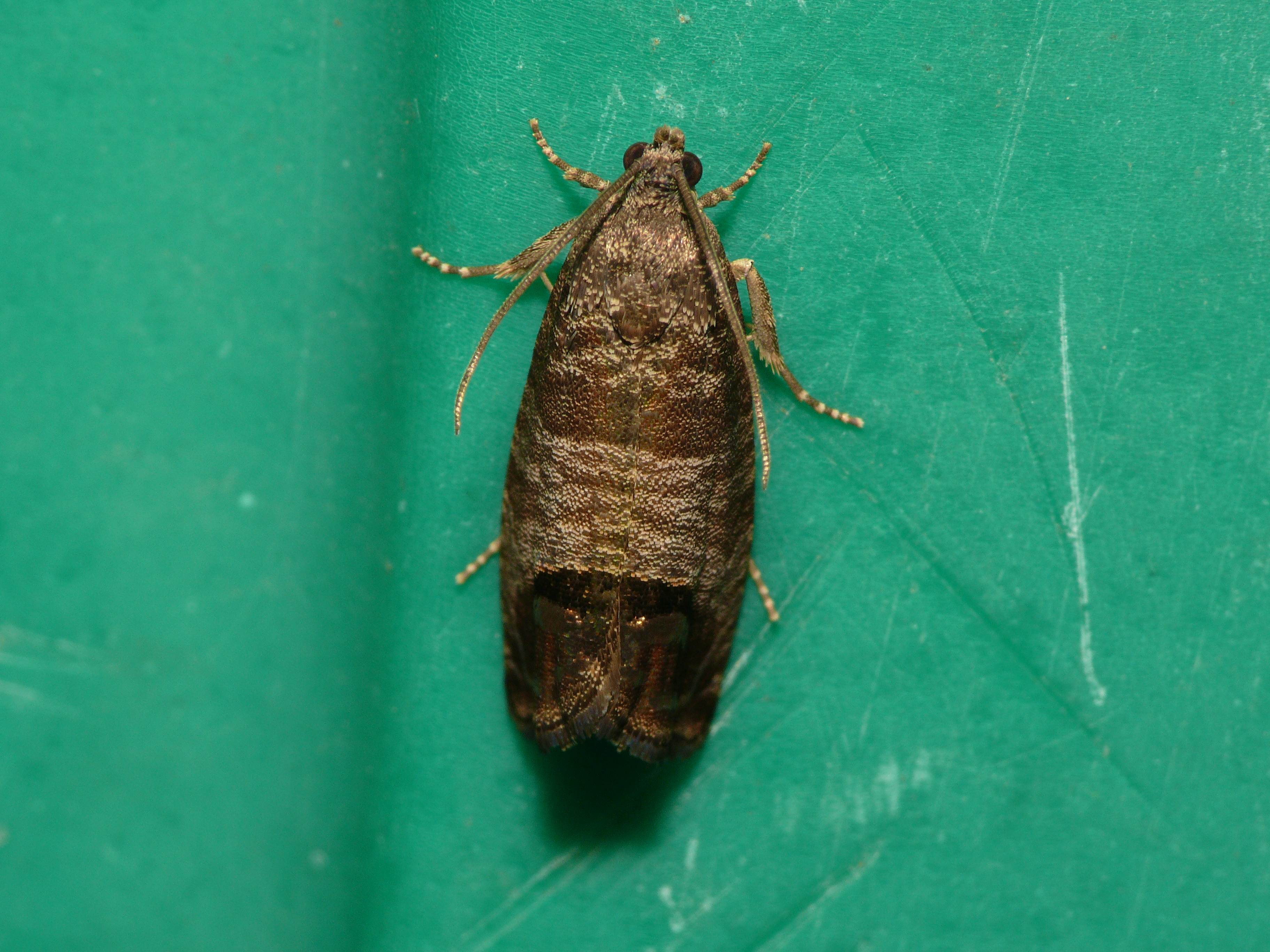
Cydia pomonella
species of insect

Wheat weevil
species of insect

Silver Y
species of insect

Helicoverpa armigera
species of moth

Halyomorpha halys
species of insect

Nezara viridula
species of insect

Myzus persicae
species of insect

Solenopsis invicta
species of ant

Plutella xylostella
species of insect
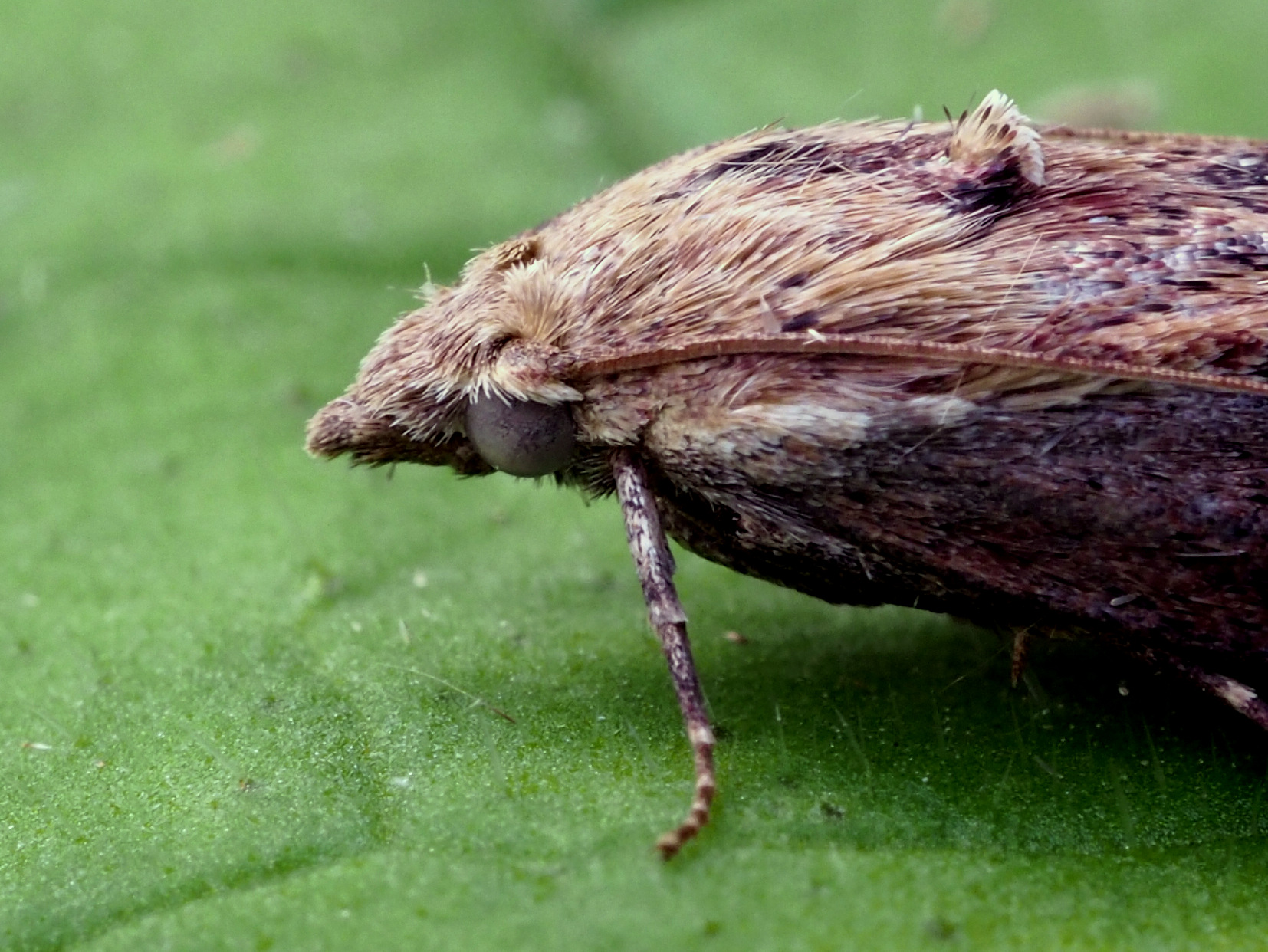
Galleria mellonella
species of insect

cabbage moth
species of insect

Agrotis segetum
moth of the family Noctuidae
Greenhouse whitefly
species of insect

Rhagoletis cerasi
species of insect

Scutelleridae
Scutelleridae is a family of true bugs. They are commonly known as jewel (stink) bugs or metallic shield bugs due to their often unique coloration. With the name based on the Asian genus Scutellera, they are also known as shield-backed bugs due to the enlargement of the thoracic scutellum into a continuous shield over the abdomen and wings. This latter characteristic distinguishes them from most other families within Heteroptera, and may lead to misidentification as a beetle rather than a bug. These insects use their piercing-sucking mouthparts to feed on plant juices from a variety of differe

Ceratitis capitata
species of insect

Agromyzidae
The Agromyzidae are a family of flies, commonly referred to as the leaf-miner flies for the feeding habits of their larvae, most of which are leaf miners on various plants. It includes roughly 2,500 species, they are small, some with wing length of 1 mm. The maximum size is 6.5 mm. Most species are in the range of 2 to 3 mm.

Pentatomoidea
The Pentatomoidea are a superfamily of insects in the suborder Heteroptera of the order Hemiptera. As hemipterans, they possess a common arrangement of sucking mouthparts. The roughly 7000 species under Pentatomoidea are divided into 21 families (16 extant and 5 extinct). Among these are the stink bugs and shield bugs, jewel bugs, giant shield bugs, and burrower bugs.

Linepithema humile
species of insect

Black bean aphid
species of insect
Sciaridae
thumb|A sciarid ovipositing into a leaf of Urtica

Aphis gossypii
species of insect

Ostrinia nubilalis
species of insect

Tipula paludosa
species of true craneflies
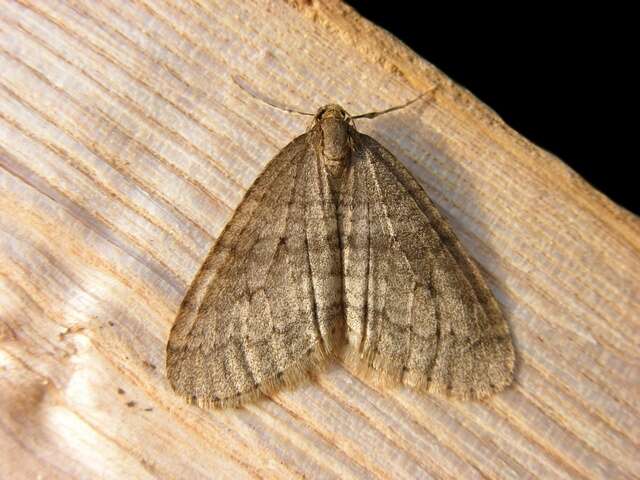
Winter Moth
species of insect

Silverleaf whitefly
species of insect

Brevicoryne brassicae
species of insect

Sitotroga cerealella
species of insect

olive fruit fly
species of insect
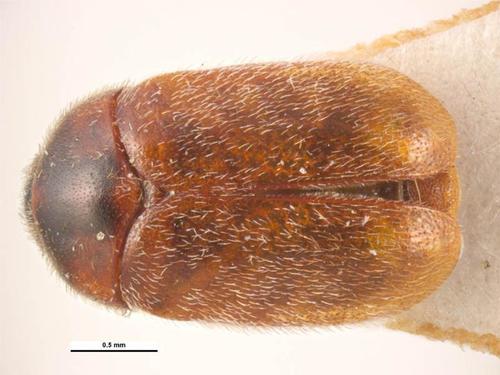
Trogoderma granarium
species of insect

Papilio demodocus
species of butterfly

beet armyworm
species of moth

Manduca sexta
species of moth of the family Sphingidae present through much of the American continent

Anthonomus grandis
species of insect

Oryctes rhinoceros
species of insect

Oak Processionary
species of insect

Acyrthosiphon pisum
species of insect

cereal leaf beetle
species of leaf beetle

Spodoptera frugiperda
species of moth

Planococcus citri
species of insect

Phylloxeridae
thumb|Phylloxera perniciosa winged adult
thumb|Galls made by Phylloxera perniciosa on hickory (Carya)
thumb|Galls made by Daktulosphaira vitifoliae on leaf of [[Vitis sp.]]

nut weevil
species of beetle

Delia radicum
species of insect

Carrot fly
species of insect

Dark Sword-grass
species of insect

Anthonomus pomorum
species of beetle

Icerya purchasi
species of insect
leaf miner
larva of an insect that lives in and eats the leaf tissue of plants

Anoplophora chinensis
species of beetle