Hodgson, Chris
Pseudococcidae
Sign in to saveAlso known as mealybug family
Mealybugs are insects in the family Pseudococcidae, unarmored scale insects found in moist, warm habitats. Of the more than 2,000 described species, many are considered pests as they feed on plant juices of greenhouse plants, house plants and subtropical trees and also act as a vector for several plant diseases. Some ants live in symbiotic relationships with them, protecting them from predators and feeding off the honeydew which they excrete.
OverviewAI-generated
Pseudococcidae is a family of insects within the order Hemiptera. It belongs to the class Insecta, phylum Arthropoda, and kingdom Animalia. The taxon is currently accepted under this name.
Records for this family are held by several institutions, including UCMP, UAM, DUGWAY, CU, and PSUC. These records originate from Mexico and the United States. A total of 546 records and 157 media items are associated with these collections.
Synthesized by Vinony from 22 facts across 6 sources: Wikidata, GBIF, Gbif Occ, WoRMS, iDigBio, Vinony graph. Generated from structured data (not the Wikipedia text) and checked against those facts — may still contain errors.
Species
FAMILY
- KingdomAnimalia
- PhylumArthropoda
- ClassInsecta
- OrderHemiptera
- FamilyPseudococcidae
Die Schmierläuse (Pseudococcidae), auch Wollläuse genannt, sind eine Familie der Schildläuse (Coccoidea). Ihre Trivialnamen erklären sich durch ihre oft wollige und bei Kontakt schmierende Behaarung.
via GBIF
Museum specimens
- Specimen records
- 546
- With media
- 157
- Family
- Pseudococcidae
- Collections
- UCMP, UAM, DUGWAY, CU, PSUC, INHS
- Recorded in
- Mexico, United States
Wikidata facts
- Instance of
- taxon
- Parent taxon
- Sternorrhyncha
- Image
- Mealybug on Ghaf (Prosopis cineraria) tree in India 02.jpg
Show 5 more facts
- Commons category
- Pseudococcidae
- taxon name
- Pseudococcidae
- taxon rank
- family
- topic's main category
- Category:Pseudococcidae
- taxon common name
- volnate uši
via Wikidata · CC0
~11 min read
Encyclopedic overview
8 sectionsContents
- Description
- Control methods
- Metabolism
- Use in the textile industry
- Genera
- References
- Further reading
- External links
Mealybugs are insects in the family Pseudococcidae, unarmored scale insects found in moist, warm habitats. Of the more than 2,000 described species, many are considered pests as they feed on plant juices of greenhouse plants, house plants and subtropical trees and also act as a vector for several plant diseases. Some ants live in symbiotic relationships with them, protecting them from predators and feeding off the honeydew which they excrete.
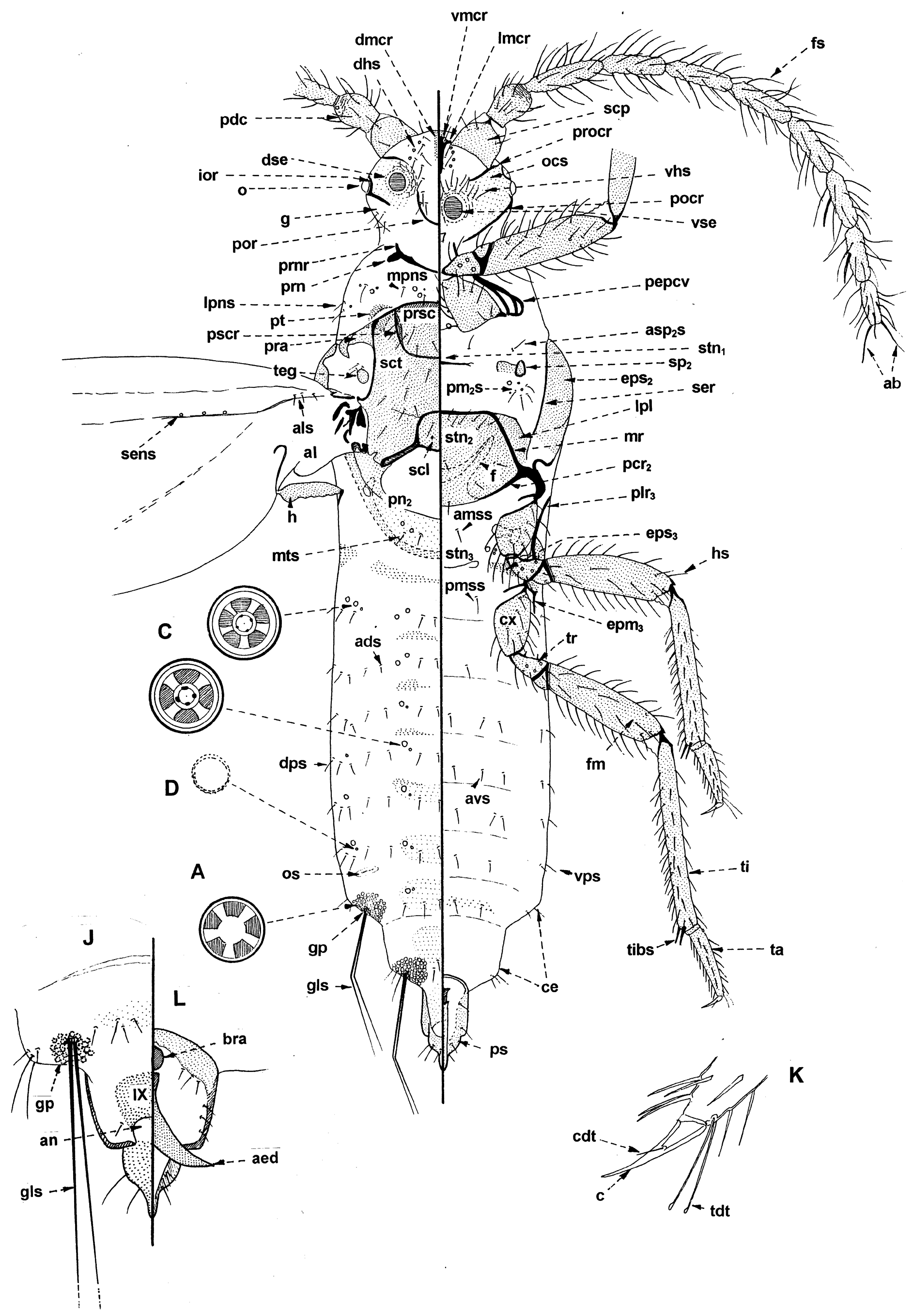
==Description== thumb|A video of a mealybug Mealybugs are sexually dimorphic: females appear as nymphs, exhibiting reduced morphology, and lack wings, although unlike many female scale insects, they often retain legs and can move. Males are smaller, gnat-like and have wings. Since mealybugs, as well as all other Hemiptera, are hemimetabolous insects, they do not undergo complete metamorphosis in the true sense of the word. However, male mealybugs exhibit a radical change during their life cycle, changing from wingless, ovoid nymphs to wasp-like flying adults.
Excerpted from Wikipedia’s “Pseudococcidae” article, available under the CC BY-SA 4.0 licence.