Category
page 1Amphibians of Australia
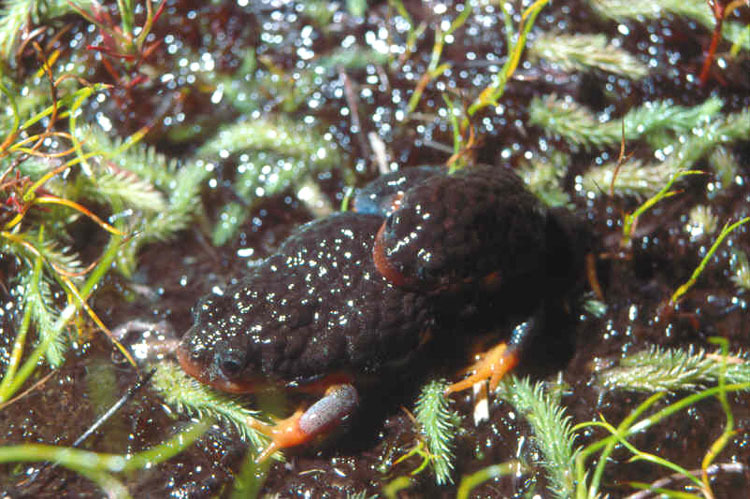
Myobatrachidae
Myobatrachidae, commonly known as Australian ground frogs or Australian water frogs, is a family of frogs found in Australia and New Guinea. Members of this family vary greatly in size, from species less than long, to the second-largest frog in Australia, the giant barred frog (Mixophyes iteratus), at in length. The entire family is either terrestrial or aquatic frogs, with no arboreal species.
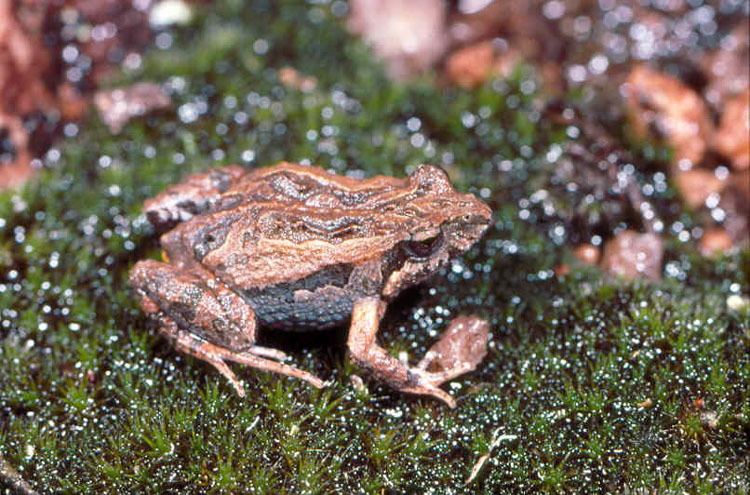
Crinia
Crinia is a genus of frog, native to Australia, and part of the family Myobatrachidae. It consists of small frogs, which are distributed throughout most of Australia, excluding the central arid regions. Many of the species within this genus are physically indistinguishable, and can only be identified by their calls.
Limnodynastidae
Limnodynastidae, commonly known as the Australian ground frogs, is a family of frogs found in Australia, New Guinea, and the Aru Islands. They were formerly considered a subfamily of the Myobatrachidae, the other large radiation of terrestrial frogs in Australia, but are now considered a distinct family. Both Limnodynastidae and Myobatrachidae are thought to be the only members of the superfamily Myobatrachoidea.
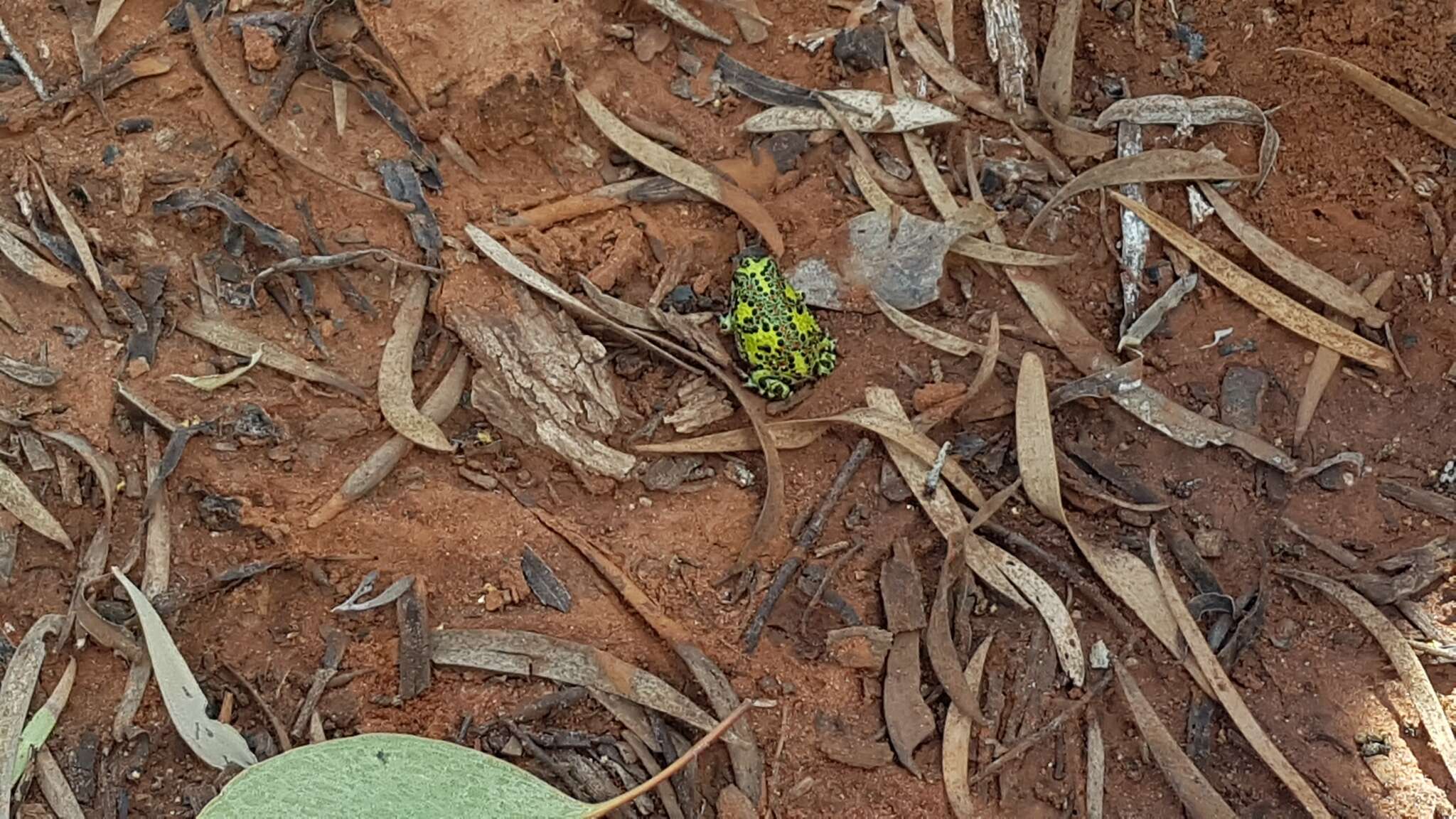
Notaden
Notaden is a genus of burrowing ground frogs native to central and northern Australia. Their common name is Australian spadefoot toads.
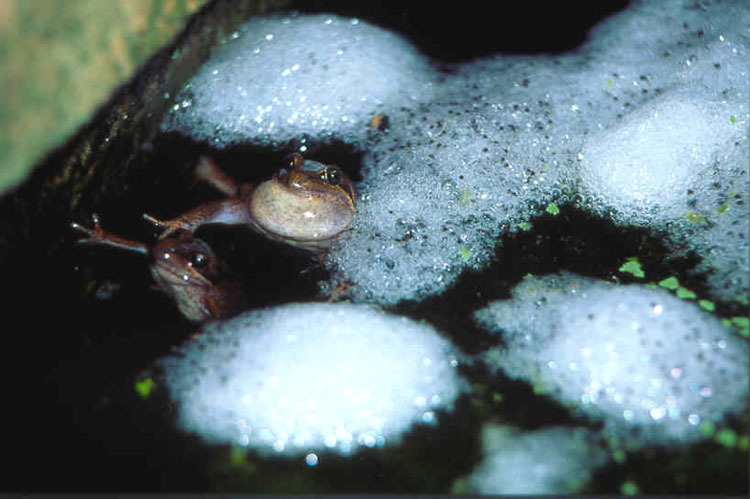
Limnodynastes
Limnodynastes (commonly known as the Australian swamp frogs) is a genus of frog native to Australia, southern New Guinea and some Torres Strait Islands. They are ground-dwelling frogs, with no toe pads. The size varies from 45 mm to 90 mm in the giant banjo frog. The webbing on the feet ranges between species, from very little, to almost complete. The tympanum is not visible in any species, except in the woodworker frog, which is sometimes classed in a separate genus Megistolotis. All species construct a foam nest in which the eggs are laid. However, in south-eastern South Australia
Geocrinia
Geocrinia is a genus of frogs in the family Myobatrachidae. These frogs are endemic to Australia. Two species are known from southeastern Australia (Victoria and Tasmania), while one is known from southeastern Western Australia.

Philoria
Philoria is a genus of frogs native to eastern and southern Australia. These frogs are all confined to mountain areas, with 7 species occurring in the mountains of northern New South Wales and southern Queensland. One species occurs in Victoria. All species are listed as endangered, except the Baw Baw frog, which is listed as critically endangered. They are small to medium-sized frogs that live in water saturated sites, such as sphagnum bogs and seepages on rocky slopes. The eggs are laid in foam nests hidden from light. The tadpoles remain within the nest and live entirely on the yolk.
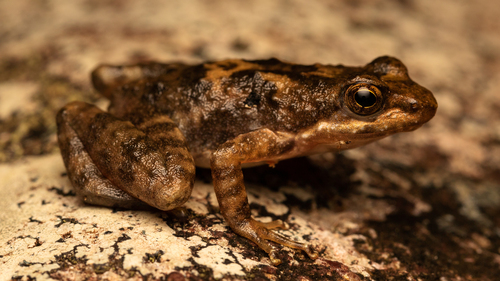
Taudactylus
Taudactylus is a genus of frogs in the family Myobatrachidae. These frogs are endemic to rainforest areas of coastal eastern Australia, most of this genus inhabit fast flowing streams in highland area. Most members of this genus have suffered serious declines, in which the disease chytridiomycosis appears to have played a significant role: T. diurnus is believed to be extinct, while all others except T. liemi are listed as critically endangered by the IUCN. These listings are conservative, and it is likely T. acutirostris, presently listed as critically endangered, already is extinct.

Asterophryinae
Asterophryinae is a subfamily of microhylid frogs distributed in an area from the Peninsular Malaysia through the Malay Archipelago to northern Australia.
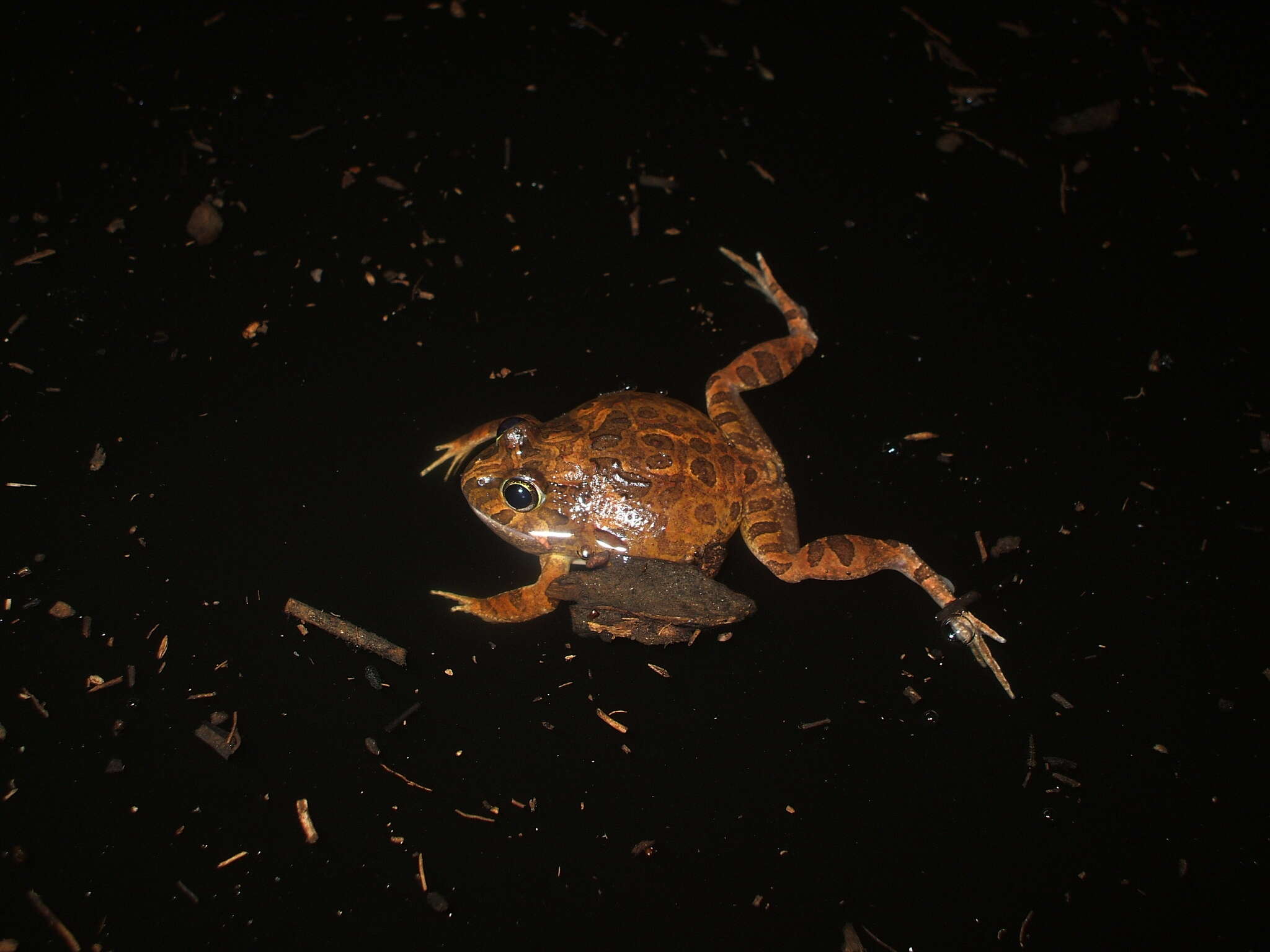
Platyplectrum
Platyplectrum is a genus of ground-dwelling frog in the family Limnodynastidae. Species in this genus are found in Australia, New Guinea, and on the Aru Islands. They are medium-sized frogs and the dorsal skin has a sandpaper-like texture.
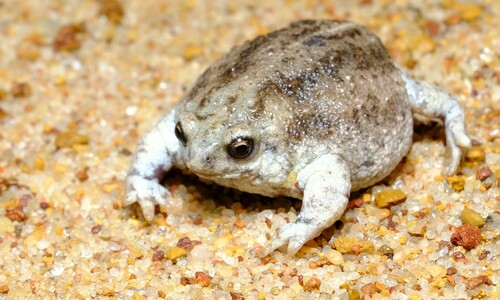
Arenophryne
Arenophryne is a small genus of Myobatrachid frogs from coastal Western Australia. Common names sandhill frogs and Australian dumpy frogs have been coined for it.
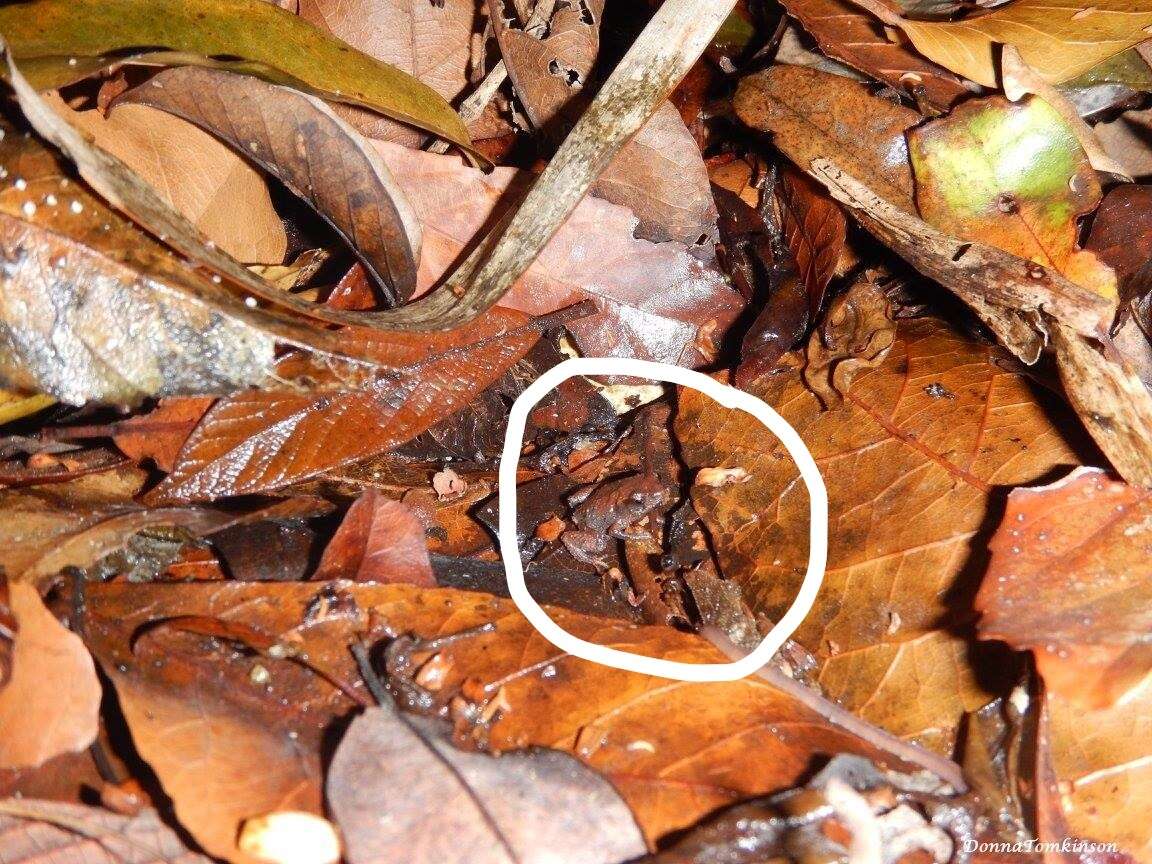
Assa
genus of amphibians
Litoria callista
species of amphibian