Category
page 1Anabasis (Xenophon)
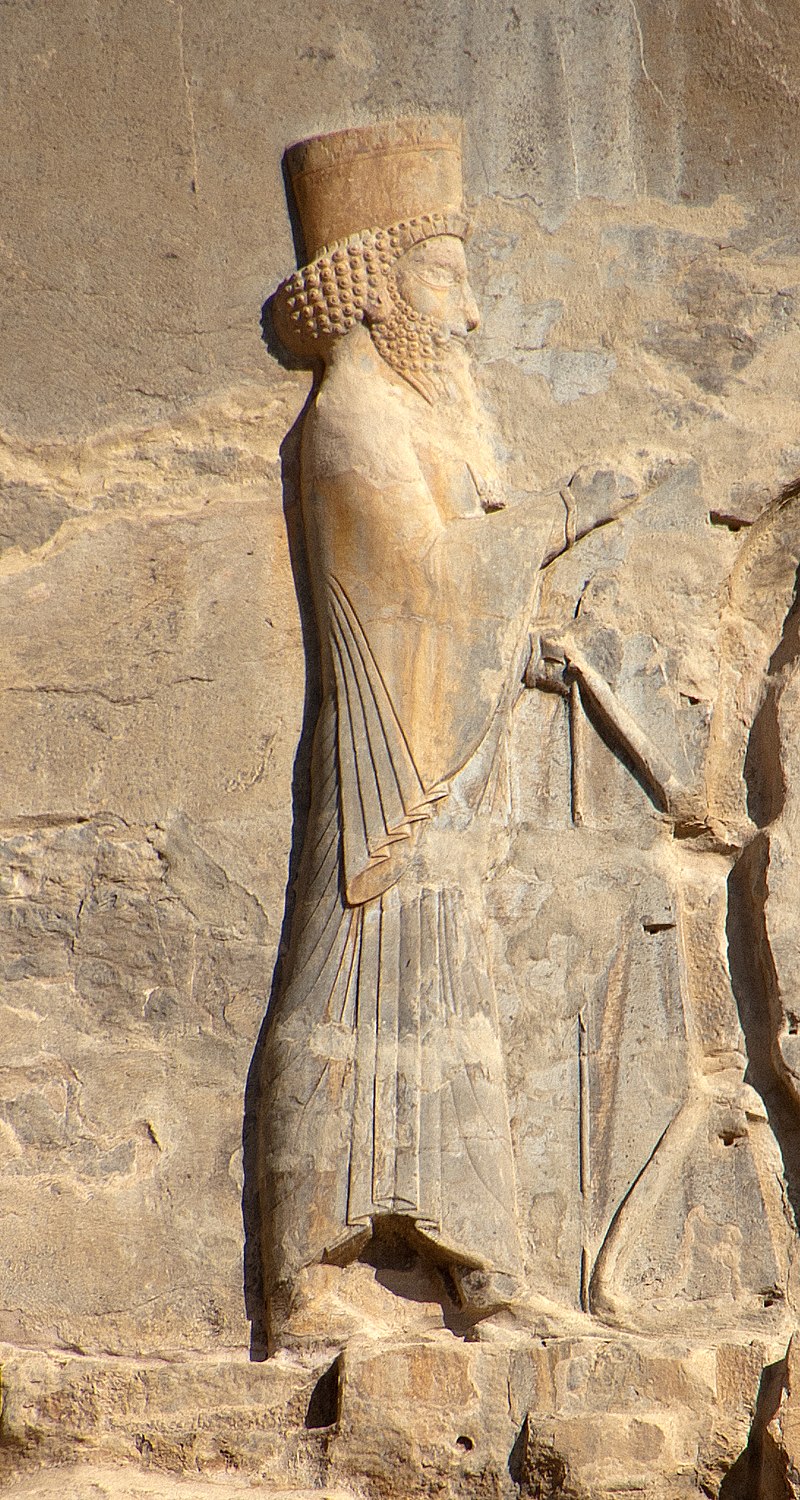
Artaxerxes II
The 10th Achaemenid Emperor (404–358 BC)

Anabasis
book by Xenophon

Cyrus the Younger
Achaemenid prince, satrap of Lydia from 408 to 401 BC

The Warriors
1979 action film directed by Walter Hill
Battle of Cunaxa
battle
the Ten Thousand
group of mercenary units, mainly Greek, drawn up by Cyrus the Younger to attempt to wrest the throne of the Persian Empire from his brother, Artaxerxes II

Chalybes
250px|thumb|Chalybes in a map of the voyage of the Argonauts by [[Abraham Ortelius, 1624]]
Seuthes II
a ruler of the Odrysian kingdom from 405 to 387 BC

Macrones
thumb|right|400px|Macrones, occupying area around Trapezos marked as Macronia, next to Tibareni (Thybaraena)
upright=1.2|thumb|Macrones in a map of the voyage of the Argonauts by [[Abraham Ortelius, 1624]]
The Macrones (, ; , Makrōnes) were an ancient Colchian tribe in the east of Pontus, about the Moschian Mountains (mountains approximately south and east of modern Bayburt). The name is allegedly derived from the name of Kromni valley (Κορούμ, located north-east of Gümüşhane) by adding Kartvelian ma- prefix which denotes regional descendant.
Median Wall
wall built to the north of Babylon
Mossynoeci
250px|thumb|Mosinoeci (lower centre) in a map of the voyage of the Argonauts by [[Abraham Ortelius, 1624]]
Mossynoeci (, , , modern Greek '''', "dwellers in wooden towers") is a name that the Greeks of the Euxine Sea (Black Sea) applied to the peoples of Pontus, the northern Anatolian coast west of Trebizond. The Mossynoeci were believed to be of proto-Georgian origin.
Thibron
Spartan general (died 391 BC)

Pyrrhichios
thumbnail|Pyrrhic dancers
.jpg)
Celaenae
Celaenae (Celænæ) or Kelainai () was an ancient city of Phrygia and capital of the Persian satrapy of Greater Phrygia, near the source of the Maeander River in what is today west central Turkey (Dinar of Afyonkarahisar Province), and was situated on the great trade route to the East.
Thalatta! Thalatta!
cry of joy when the roaming 10,000 Greeks saw Euxeinos Pontos
Phasians
The Phasians ( Pazielebi; Phasianoi; ) were an ancient tribe located in the eastern part of Pontus. The Greek commander Xenophon, who encountered them during his march through Asia Minor to the Black Sea (401–400 BC), places them on the river Phasis. Here, the Phasis of Xenophon is not the common Graeco-Roman designation for the modern day Rioni River in Georgia (called Phasis in Greek), but rather the sources of Araxes in what is now northeastern Turkey. At the time when Xenophon met them, the Phasians were in control of the long valley to the north of Cilligül Dağ, and lived in the neighborh
Cheirisophus
late 5th-century BC Spartan general
Anaxibius
thumb|upright=2|Route of Xenophon and the Ten Thousand (red line) in the [[Achaemenid Empire. The satrapy of Cyrus the Younger is delineated in green. Anaxibius shipped the Ten Thousand of Xenophon from Chrysopolis to Byzantium.]]
Anaxibius (), was the Spartan admiral stationed at Byzantium in 400 BC, to whom the Greek troops of Cyrus the Younger, on their arrival at Trapezus on the Euxine, sent their general, Cheirisophus, to obtain a sufficient number of ships to transport them to Europe.
Taochi
250px|thumb|Taochi in a Colchis, Iberia, Albania etc. map by Guillaume Sanson, 1667
The Taochi, or Taochoi (, Taochebi; ) were a people of Anatolia in antiquity, known mainly from Greco-Roman ethnography. The Taochoi lived in a mountainous area of the Black Sea to the current borders of Georgia, Armenia, and Turkey. Their country was adjacent to those of the Chalybians and Phasians.
Ariaeus
Ariaeus (fl. 401 BC – 394 BC) was a Persian general who fought alongside Cyrus the Younger at the Battle of Cunaxa and later was involved in the assassination of Tissaphernes.
Drilae
Drilae (, Drilebi) were an ancient western Georgian tribe, inhabiting mountainous coasts of the southern shores of the Black Sea. In the hinterland of Trapezus dwelt the Drilae (Dri/lai, Dri/llai), a Kartvelian tribe which was chronically at war with the Trapezuntians. In 401 BC their territory were invaded by Greek mercenaries, which is attested in Anabasis - the work of ancient Greek soldier and historian Xenophon. Xenophon records that they were most warlike of the pontic tribes and inhabited mountainous and inaccessible land. He also notes that their capital was so well fortified that even
Sophaenetus
Sophaenetus () was one of the leaders of the Ten Thousand, an army of Greek mercenaries in the service of Cyrus the Younger, in 401–400 BC. A native of Stymphalus, he was an older man when he recruited and led one thousand hoplites to join Cyrus. He led the army back to the Black Sea and from Trapezus to Cerasus by ship. At Cotyora, he was fined 10 minae for mishandling funds.