Category
page 1Ancient Greek technology

lighthouse
thumb|300px|Barnegat Lighthouse at the coast of [[Ocean County, New Jersey, U.S., facing the Atlantic Ocean at sunrise]]
thumbnail|Aerial drone footage of the Roman Rock Lighthouse off the southern coast of South Africa.

Trojan Horse
tale from Trojan War, a wooden horse used by the Greeks during the Trojan war

astrolabe
alt=Planispheric Astrolabe made of brass, cast, with fretwork rete and surface engraving|thumb|upright=1.2|North African, planispheric astrolabe. Khalili Collections|Khalili Collection.
thumb|upright|A modern astrolabe made in 2013, in Tabriz, Iran.
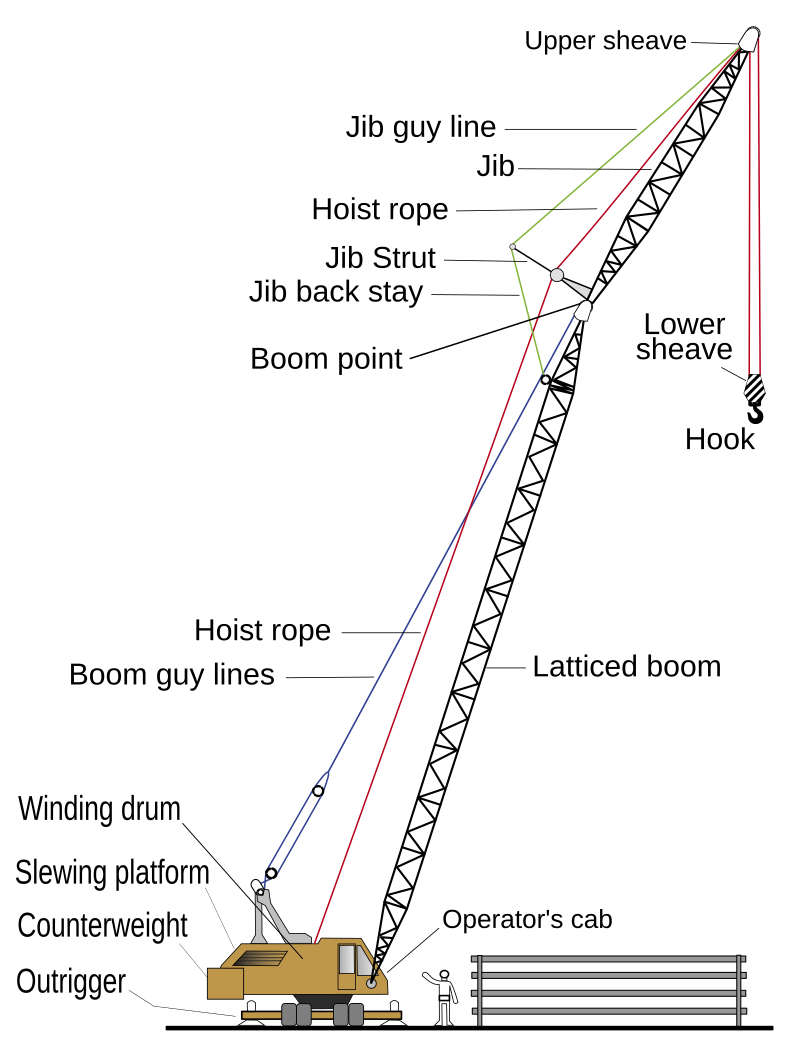
crane
type of machine specialised in lifting objects
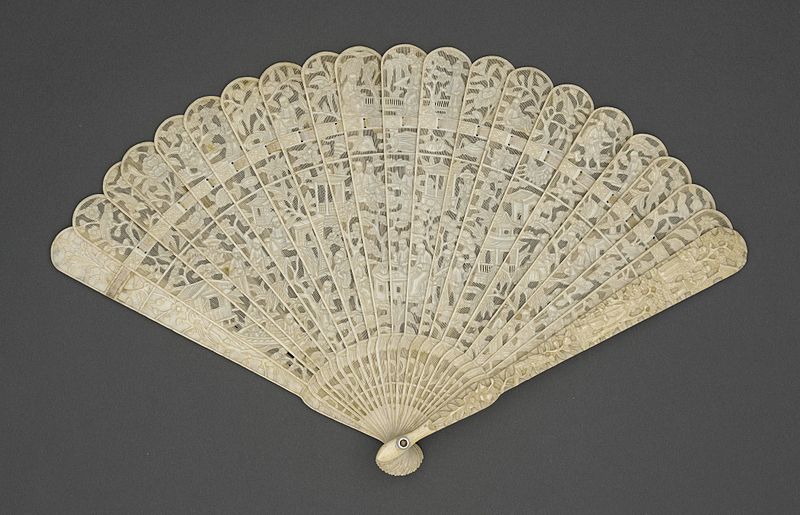
hand fan
device used to cool oneself, usually made of folded paper

Antikythera mechanism
ancient analog computer designed to calculate astronomical positions

caliper
thumb|A vernier caliper clamping on an object|330x330px
.svg)
bellows
thumb|Diagram of fireplace hand-bellows
Bellows are a device constructed to expel a controlled blast of air. The simplest type consists of a flexible bag comprising a pair of rigid boards with handles joined by flexible leather sides enclosing an approximately airtight cavity which can be expanded and contracted by operating the handles, and fitted with a valve allowing air to fill the cavity when expanded, and with a tube through which the air is forced out in a stream when the cavity is compressed. It has many applications, in particular blowing on a fire to supply it with air.

vending machine
machine which automatically dispenses beverages, food or non-food products to customers after a payment
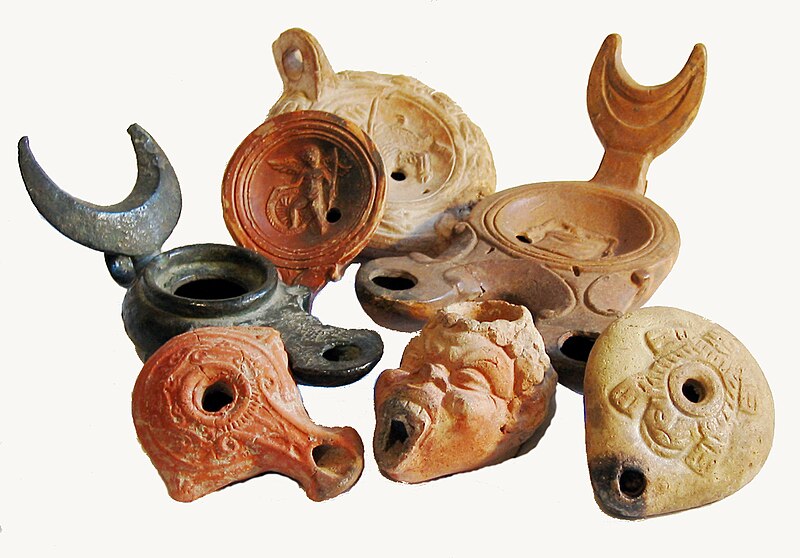
oil lamp
object used to produce light continuously for a period of time using an oil-based fuel source

odometer
thumb|right|An electronic odometer (below the speedometer) with digital display showing
An odometer or odograph is an instrument used for measuring the distance traveled by a vehicle, such as a bicycle or car. The device may be electronic, mechanical, or a combination of the two (electromechanical). The noun derives from ancient Greek , hodómetron, from , hodós ('path' or 'gateway') and , métron ('measure'). Early forms of the odometer existed in the ancient Greco-Roman world as well as in ancient China. In countries using Imperial units or US customary units it is sometimes called a mileomet

automaton
thumb|Pinocchio automaton

clock tower
tower with a large clock that can be read from afar
central heating
system to provide warmth to a whole building from one point

escapement
thumb|Animation of an anchor escapement, widely used in [[pendulum clocks]]
tunnel of Eupalinos
ancient tunnel in the isle of Samos

Diolkos
thumb|upright=1.2|The Isthmus of Corinth|Isthmus with the Canal of Corinth close to where the diolkos ran.
thumb|upright=1.2|Strategic position of the Isthmus of Corinth between two seas.
Kyrenia ship
ancient Greek merchant ship wreck

lodestone
thumb|Lodestone attracting some iron nails
thumb|Lodestone in the National Gem and Mineral Collection#Hall of Geology, Gems, and Minerals|Hall of Gems of the [[Smithsonian]]
thumb|Lodestone attracting small bits of iron
Lodestones are naturally magnetized pieces of the mineral magnetite. They are naturally occurring magnets, which can attract iron. The property of magnetism was first discovered in antiquity through lodestones. Pieces of lodestone, suspended so they could turn, were the first magnetic compasses, and their importance to early navigation is indicated by the name lodestone, which
Ancient Greek technology
Inventions and technology in Ancient Greece

Mechanics
text traditionally attributed to Aristotle
bematist
Bematist (), plural bematists or bematistae (), meaning 'step measurer' (from βῆμα bema, meaning 'step, pace'), were specialists in ancient Greece and ancient Egypt who measured distances by pacing.
hydraulic telegraph
Semaphore systems using water-based mechanisms
Phryctoria
Phryctoria () was a semaphore system used in Ancient Greece. The phryctoriae were towers built on selected mountaintops so that one tower (phryctoria) would be visible to the next tower (usually 20 miles away). The towers were used for the transmission of a specific prearranged message. One tower would light its flame, the next tower would see the fire, and light its own.

museum of Ancient Greek Technology
technology museum in Katakolo, Elis, Greece