Category
page 1Annelid families
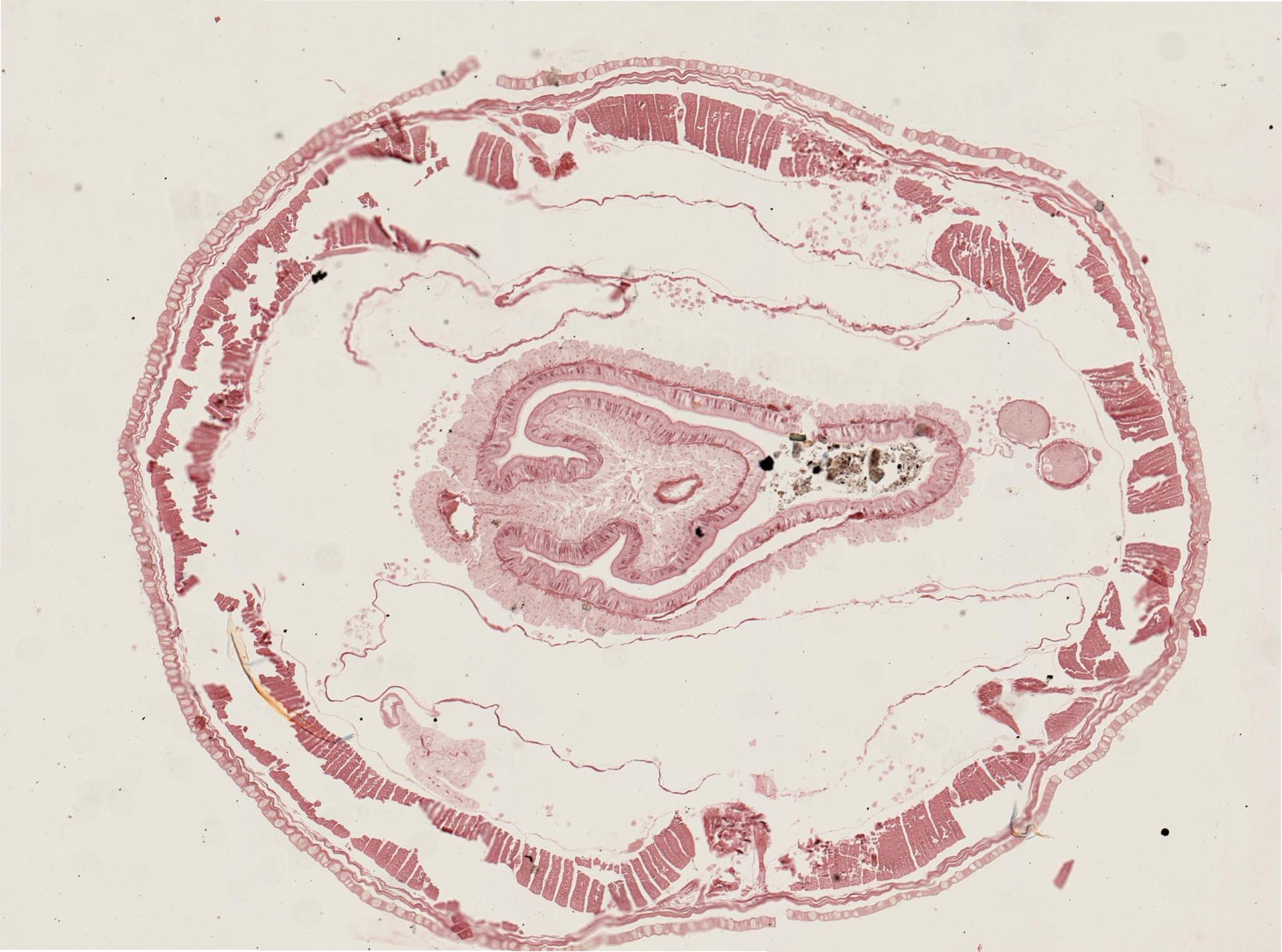
Lumbricidae
The Lumbricidae are a family of earthworms. About 33 lumbricid species have become naturalized around the world, but the bulk of the species are in the Holarctic region, from Canada (e.g. Bimastos lawrenceae on Vancouver Island) and the United States (e.g. Eisenoides carolinensis, E. lonnbergi, and most Bimastos spp.) and throughout Eurasia to Japan (e.g. Eisenia japonica, E. koreana, and Helodrilus hachiojii). An enigmatic species in Tasmania is Eophila eti. Currently, 670 valid species and subspecies in about 42 genera are recognized. This family includes the majority of earthworm species we

Siboglinidae
Siboglinidae is a family of polychaete annelid worms whose members made up the former phyla Pogonophora and Vestimentifera (the giant tube worms). The family is composed of around 100 species of vermiform creatures which live in thin tubes buried in sediment (Pogonophora) or in tubes attached to hard substratum (Vestimentifera) at ocean depths ranging from . They can also be found in association with hydrothermal vents, methane seeps, sunken plant material, and whale carcasses.

Nereididae
Nereididae (formerly spelled Nereidae) are a family of polychaete worms. It contains about 500 - mostly-marine - species grouped into 42 genera. They may be commonly called ragworms or clamworms.

Serpulidae
The Serpulidae are a family of sessile, tube-building annelid worms in the class Polychaeta. The members of this family differ from other sabellid tube worms in that they have a specialized operculum that blocks the entrance of their tubes when they withdraw into the tubes. In addition, serpulids secrete tubes of calcium carbonate. Serpulids are the most important biomineralizers among annelids. About 300 species in the family Serpulidae are known, all but one of which live in saline waters. The earliest serpulids are known from the Permian (Wordian to late Permian).
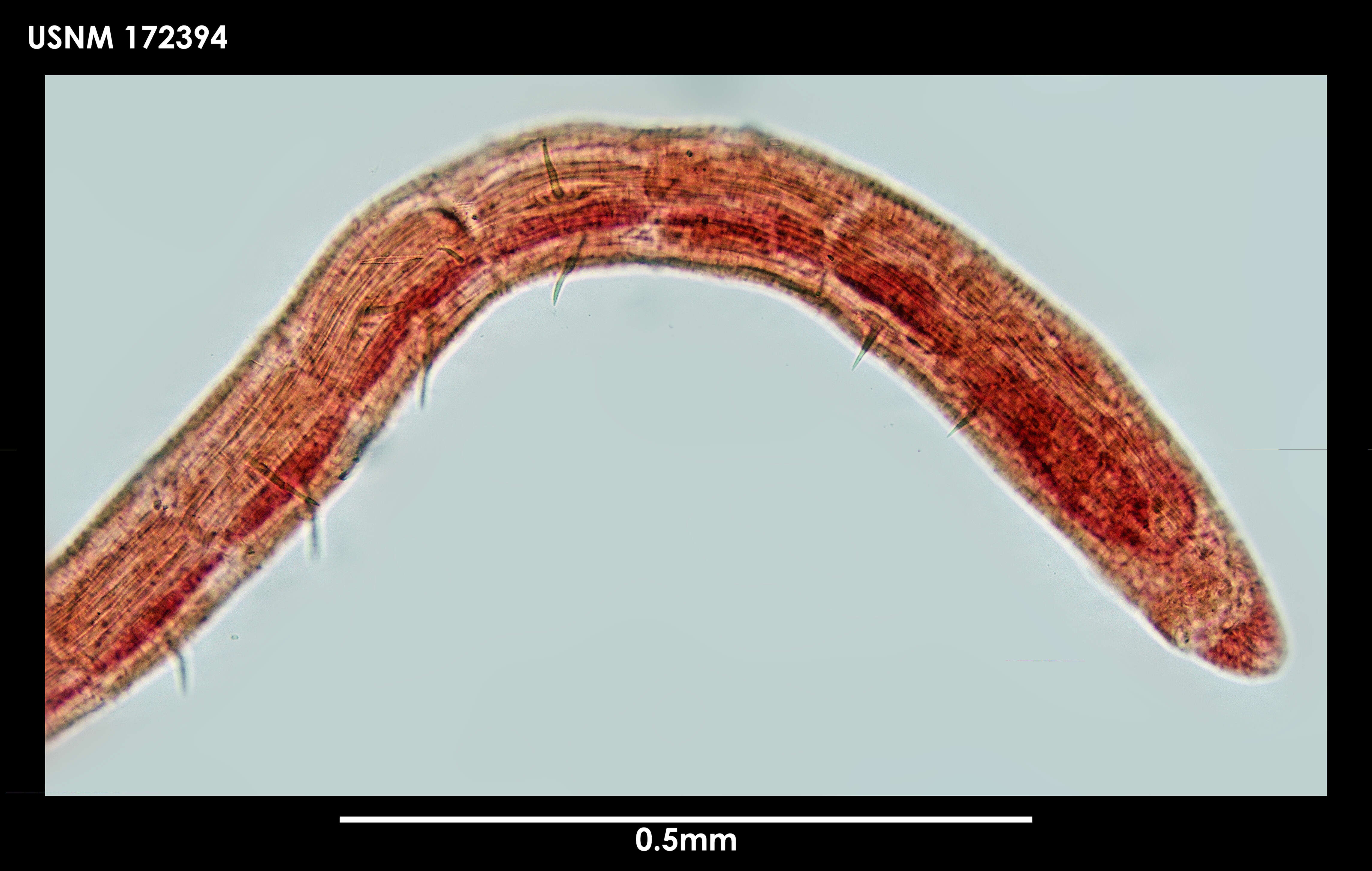
Enchytraeidae
Enchytraeidae is a family of microdrile oligochaetes. They resemble small earthworms and include both terrestrial species known as potworms that live in highly organic terrestrial environments, as well as some that are marine. The peculiar genus Mesenchytraeus is known as "ice worms", as they spend the majority of their lives within glaciers, only rising to the surface at certain points in the summer. Enchytraeidae also includes the Grindal worm (Enchytraeus buchholzi), which is commercially bred as aquarium fish food. Certain varieties of Enchytraeidae are partially responsible for the notori

Amphinomidae
Amphinomidae, also known as the fireworms, bristle worms or sea mice, are a family of marine polychaetes, many species of which bear chaetae mineralized with carbonate. The best-known amphinomids are the fireworms, which can cause great pain if their toxin-coated chaetae are touched or trodden on. Their relationship to other polychaete groups is somewhat poorly resolved.
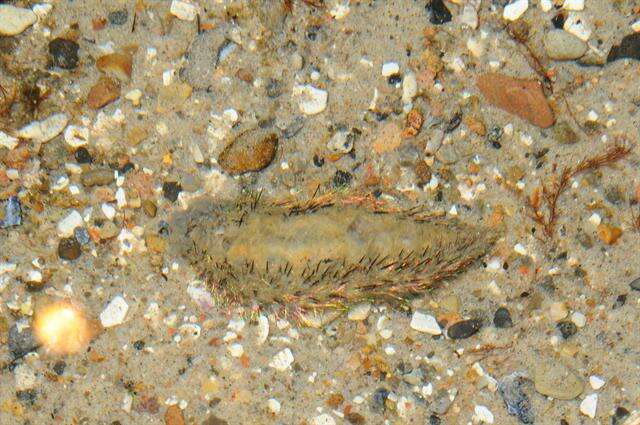
Aphroditidae
Aphroditidae is a family of annelids belonging to the order Phyllodocida.

Naididae
thumbnail

Sabellidae
thumb|Sabellidae tubes at Bremerhaven
Sabellidae, or feather duster worms, are a family of marine polychaete tube worms characterized by protruding feathery branchiae. Sabellids build tubes out of a tough, parchment-like exudate, strengthened with sand and bits of shell. Unlike the other sabellids, the genus Glomerula secretes a tube of calcium carbonate instead. Sabellidae can be found in subtidal habitats around the world. Their oldest fossils are known from the Early Jurassic.

Eunicidae
Eunicidae is a family of marine polychaetes (bristle worms), inhabiting diverse benthic habitats across Oceania, Europe, South America, North America, Asia and Africa.

Polynoidae
Polynoidae is a family of marine Polychaete worms known as "scale worms" due to the scale-like elytra on the dorsal surface. Almost 900 species are currently recognised belonging to 9 subfamilies and 167 genera. They are active hunters, but generally dwell in protected environments such as under stones. The group is widely distributed from shallow intertidal waters to hadal trenches. They are the most diverse group of polychaetes in terms of genus number and second most diverse in terms of species number which is almost 8% of all segmented worm species.
thumb| A scale worm moving along the sub
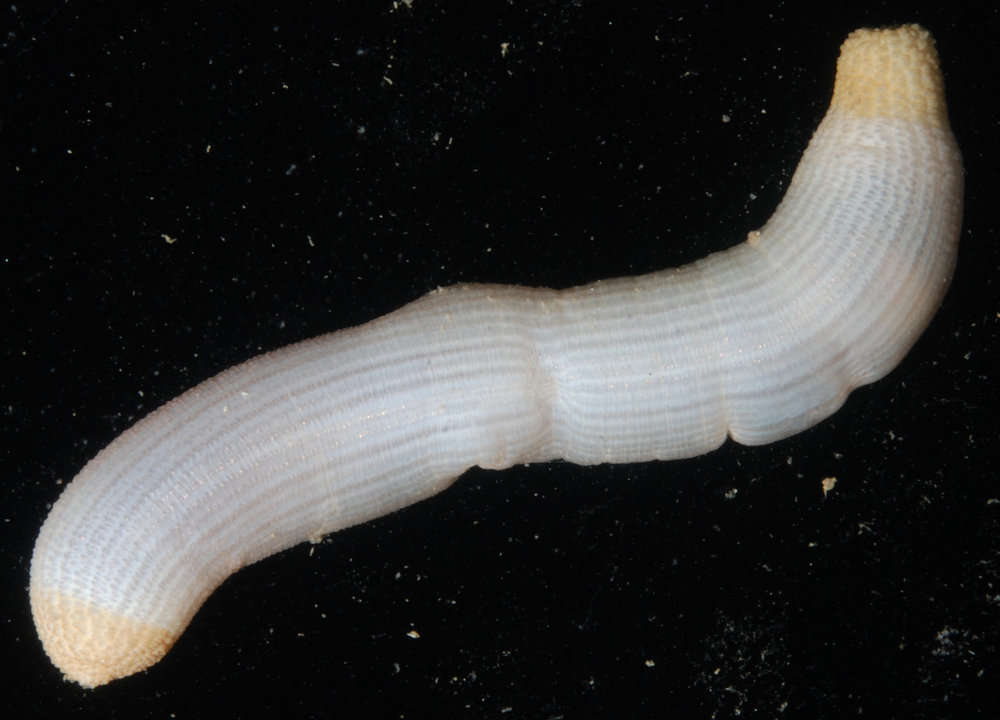
Sipunculidae
Sipunculidae is a family of peanut worms.

Oweniidae
Oweniidae is a family of marine polychaete worms in the clade Palaeoannelida. The worms live in tubes made of sand and are selective filter feeders, detritivores and grazers.
Glossiphoniidae
Glossiphoniidae are a family of freshwater proboscis-bearing leeches. These leeches are generally flattened, and have a poorly defined anterior sucker. Most suck the blood of freshwater vertebrates like amphibians, crocodilians and aquatic turtles, but some feed on invertebrates like oligochaetes and freshwater snails instead. Although they prefer other hosts, blood-feeding species will opportunistically feed from humans.

Megascolecidae
Megascolecidae is a family of earthworms native to Madagascar, Australia, New Zealand, Asia, and North America. At up to 2 meters in length, their large size distinguishes the Megascolecidae from other earthworm families. They are an essential part of maintaining soil structure, minor carbon sequestration, and maintaining terrestrial ecosystems.

Hirudinidae
Hirudinidae is a family of leeches belonging to the order Arhynchobdellida.

Glyceridae
Glyceridae is a family of polychaete worms. They are commonly referred to as beak-thrower worms or bloodworms. They are bright red, segmented, aquatic worms. The proboscis worm Glycera is sometimes called bloodworm. The Glyceridae are epi- and infaunal polychaetes that prey upon small invertebrates. They are errant burrowers that build galleries of interconnected tubes to aid in catching their prey.

Arenicolidae
Arenicolidae is a family of marine polychaete worms. They are commonly known as lugworms and the little coils of sand they produce are commonly seen on the beach. Arenicolids are found worldwide, mostly living in burrows in sandy substrates. Most are detritivores but some graze on algae.

Echiuridae
Echiuridae is a family of spoon worms in the suborder Echiurida. It is a monotypic family, the only genus being Echiurus. These worms burrow into soft sediment on the seabed.

Pectinariidae
Pectinariidae, or the trumpet worms or ice cream cone worms, are a family of marine polychaete worms that build tubes using grains of sand roughly resembling ice cream cones or trumpets. These structures can be up to long. The earliest pectinariid fossils are known from the Cretaceous.

Hesionidae
thumb|250px|Sirsoe methanicola

Syllidae
thumb|Schizogamy in syllid polychaete
Syllidae, commonly known as the necklace worms, is a family of small to medium-sized polychaete worms. Syllids are distinguished from other polychaetes by the presence of a muscular region of the anterior digestive tract known as the proventricle.
Piscicolidae
The Piscicolidae are a family of jawless leeches in the order Rhynchobdellida that are parasitic on fish. They occur in both freshwater and seawater, have cylindrical bodies, and typically have a large, bell-shaped, anterior sucker with which they cling to their host. Some of the leeches in this family have external gills, outgrowths of the body wall projecting laterally, the only group of leeches to exchange gases in this way.

Paraonidae
Paraonidae is a family of polychaetes belonging to the order Cirratulida.

Lumbrineridae
Iris worms (Lumbrineridae) are a family of polychaetes in the order Eunicida. Lumbrineridae live in oceans worldwide. They are mostly bottom-dwelling species but exist in habitats ranging from the deep sea to shallows.
thumb|An iris worm photographed at University of Washingtons Friday Harbor Labs
Phyllodocidae
Phyllodocidae is a family of polychaete worms. Worms in this family live on the seabed and may burrow under the sediment.
Ampharetidae
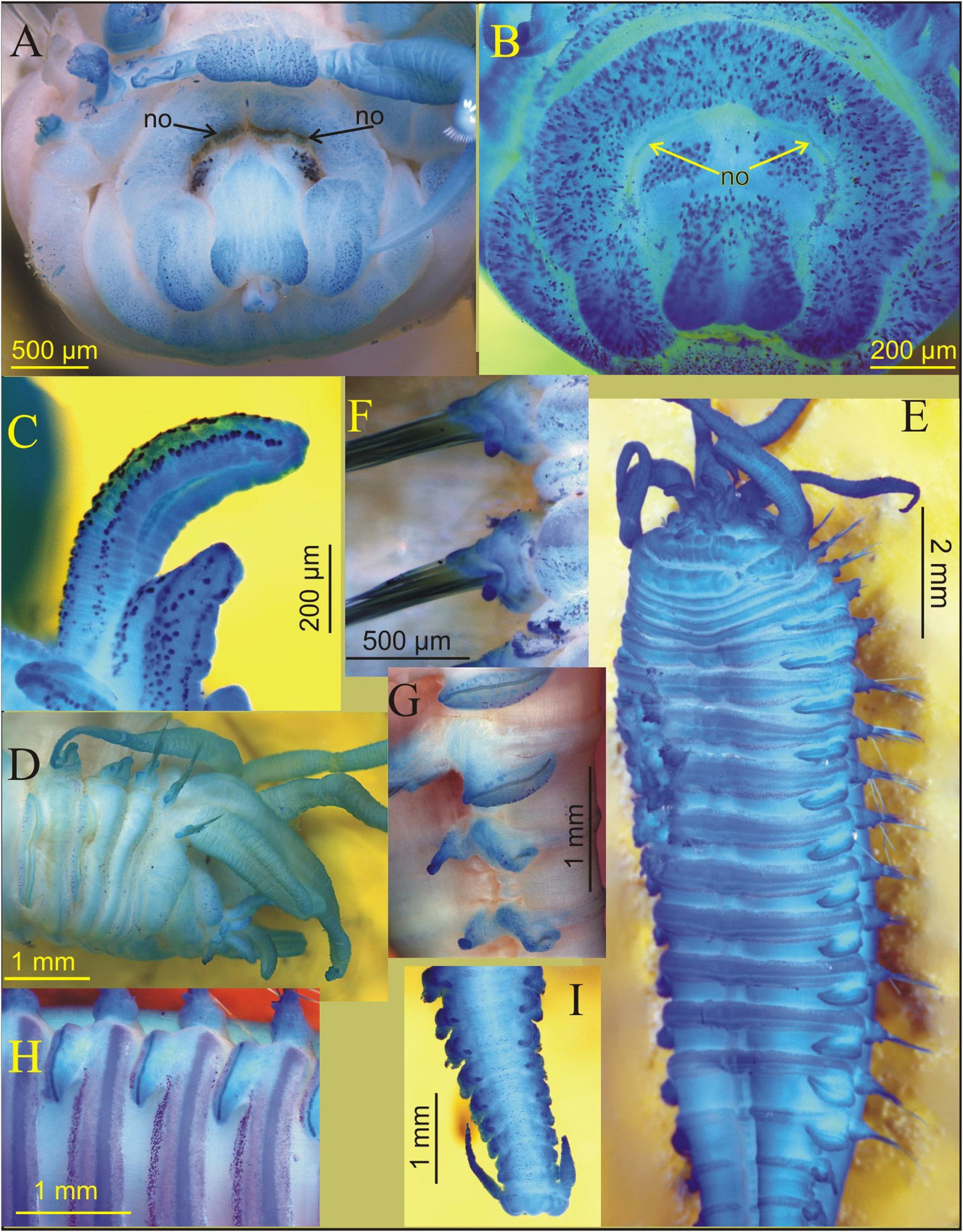
Ampharetidae are a family of terebellid "bristle worm" (class Polychaeta). As such, they belong to the order Canalipalpata, one of the three main clades of polychaetes. They appear to be most closely related to the peculiar alvinellids (Alvinellidae) which inhabit the deep sea, and somewhat less closely to the well-known trumpet worms (Pectinariidae). These three appear to form one of the main clades of terebellids.
Dorvilleidae
Dorvilleidae is a family of polychaetes belonging to the order Eunicida. The family Dorvilleidae comprises 32 genera and around 200 species. It includes the majority of the smaller forms of the eunicemorph polychaetes. The family name has been in common use since Chamberlin (1919).
Erpobdellidae
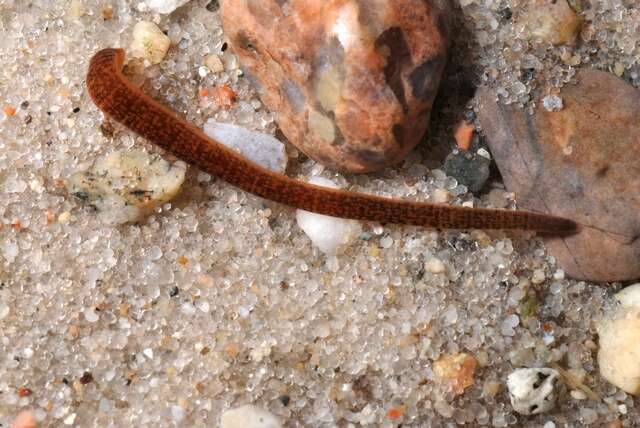
Erpobdellidae is a family of leeches. It is one of the four families belonging to the suborder Erpobdelliformes of the proboscisless leeches order, Arhynchobdellida.

Chaetopteridae
The Chaetopteridae are a family of marine filter-feeding polychaete worms that live in vertical or U-shaped tubes in tunnels buried in the sedimentary or hard substrate of marine environments. The worms are highly adapted to the hard tube they secrete. Inside the tube the animal is segmented and regionally specialized, with highly modified appendages on different segments for cutting the tunnel, feeding, or creating suction for the flow of water through the tube home. The modified segments for feeding are on the 12th segment from the head for members of this family.
Scalibregmatidae
Scalibregmatidae is a family of polychaetes belonging to the order Opheliida, and was first described by Anders Johan Malmgren in 1867.
Acoetidae
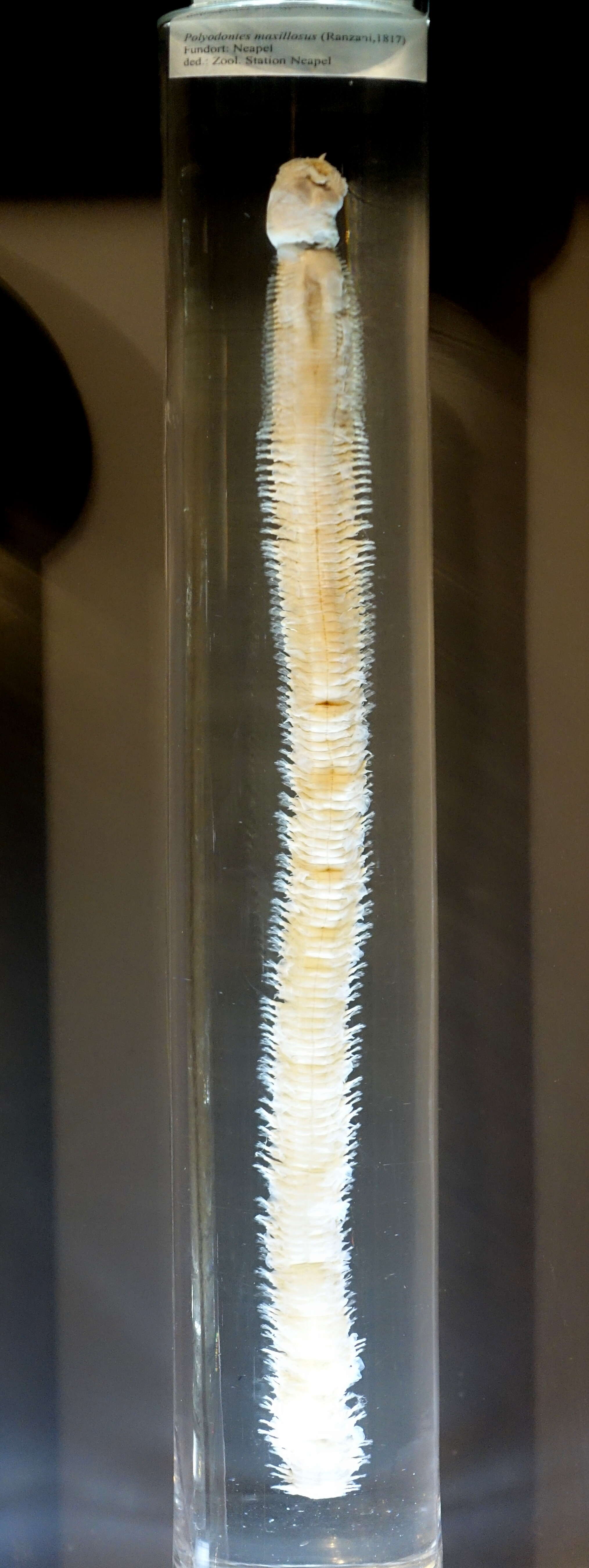
Acoetidae is a family of polychaete worms in the order Phyllodocida.

Haplotaxidae
Haplotaxidae is a family of earthworms of the Haplotaxida order.
Oenonidae
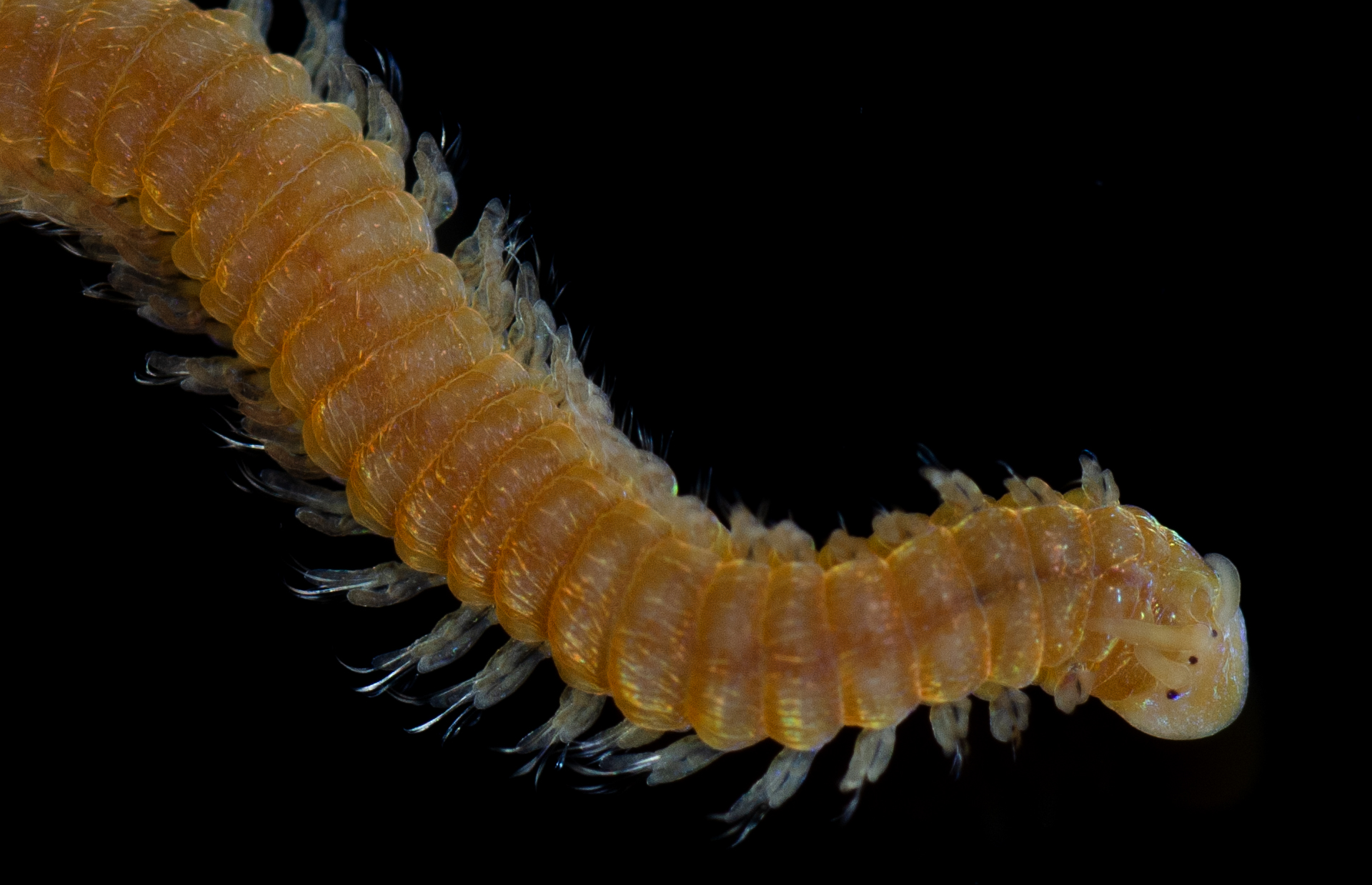
Oenonidae is a family of polychaetes belonging to the order Eunicida.
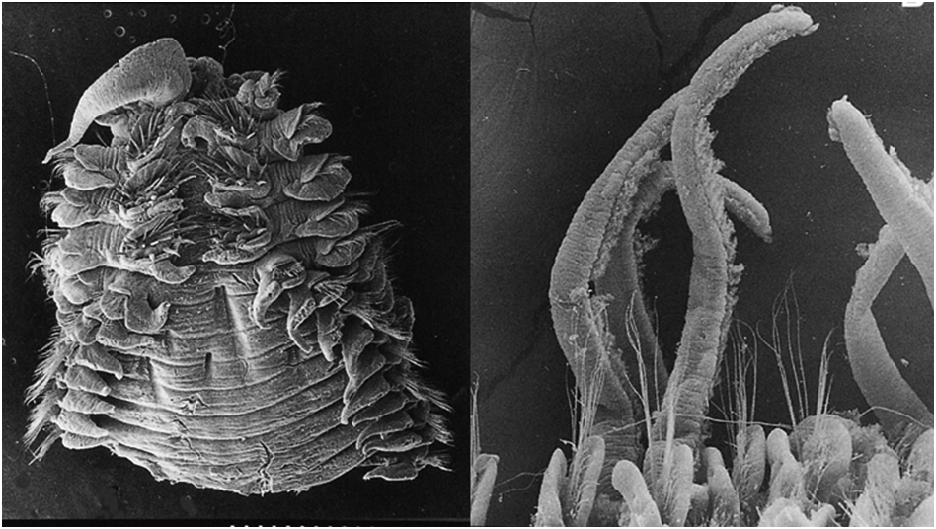
Spionidae
Spionidae is a family of marine worms within the Polychaeta. Spionids are selective deposit feeders that use their two grooved palps to locate prey. However, some spionids are capable of interface feeding, i.e. switching between deposit and suspension feeding.

Cirratulidae
Cirratulidae is a family of marine polychaete worms. Members of the family are found worldwide, mostly living in mud or rock crevices. Most are deposit feeders, but some graze on algae or are suspension feeders. Although subject to multiple revisions over time, cirratulids are among the few polychaete clades with a verified fossil record.

Chrysopetalidae
Chrysopetalidae is a family of polychaete worms. The body is short or elongated, with few or numerous segments. All segments bear on their dorsal side a fan or a transverse row of paleae. The cephalic lobe has tentacles and eyes and the buccal segment has two or four tentacular cirri on each side. The parapodia are uniramous or biramous, with dorsal cirri upon all segments. The ventral bristles are compound.

Nephtyidae
Nephtyidae is a family of polychaete worms. They are commonly referred to as catworms.
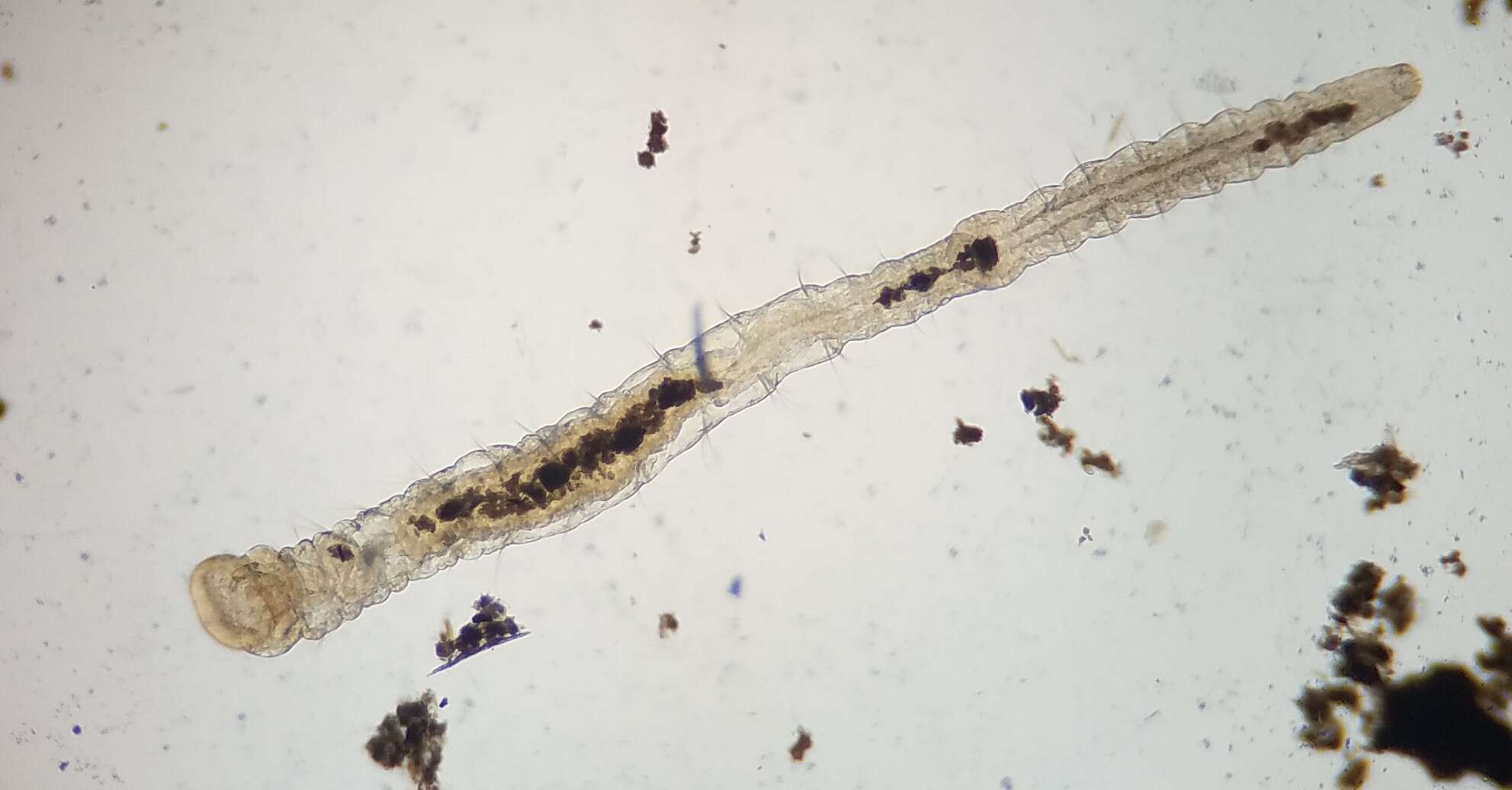
Aeolosomatidae
The Aeolosomatidae is a family of very small, aquatic annelid worms, between 0.3 and 10 mm in length and 0.04-0.06 mm in diameter. About 30 species have been described in three genera. These worms are known as suction-feeding worms and occupy freshwater, brackish, and saltwater habitats. They are bottom and sediment dwellers, inhabiting spaces around aquatic plants and the detritus-rich sands and sediments of freshwater habitats (microfauna)
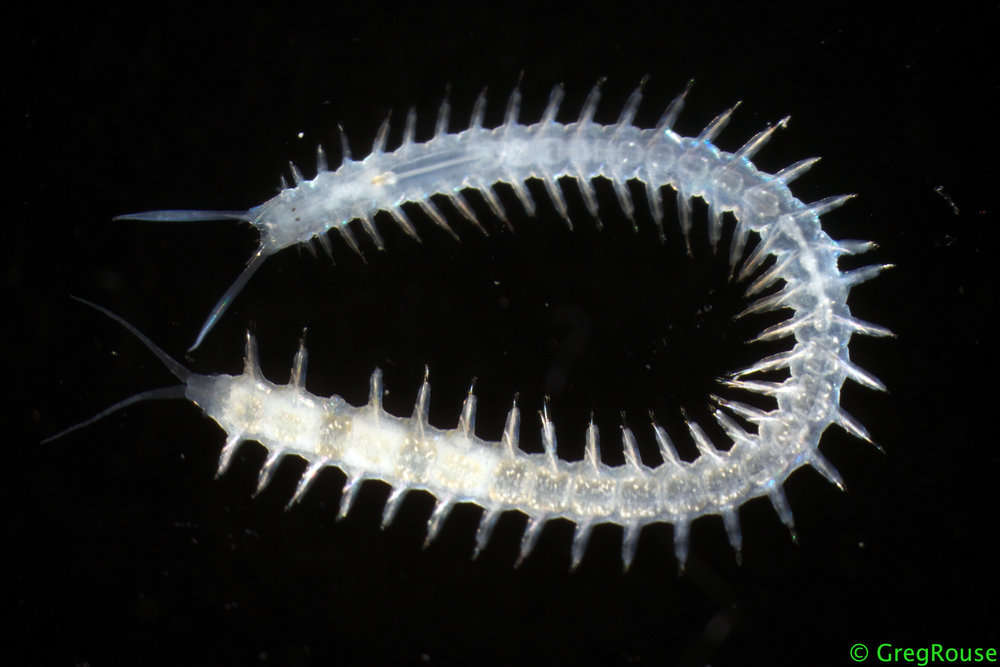
Sigalionidae
Sigalionidae is a family of polychaetes belonging to the order Phyllodocida.

Typhloscolecidae
Typhloscolecidae is a family of polychaetes belonging to the order Phyllodocida.

Sabellariidae
Sabellariidae is a family of marine polychaete worms in the suborder Sabellida. The worms live in tubes made of sand and are filter feeders and detritivores.

Maldanidae
Maldanidae is a family of more than 200 species of marine polychaetes commonly known as bamboo worms or maldanid worms. They belong to the order Capitellida, in the phylum Annelida. They are most closely related to family Arenicolidae, and together form the clade Maldanomorpha.
Tomopteridae
Tomopteridae is a family of holopelagic polychaetes belonging to the order Phyllodocida. The genus Tomopteris consist of about 70 species, and the three other genera of one known species each. Length varies from just 1-2 cm to 30 cm. These are very active swimmers, and have some of the highest metabolic rate among annelids. To increase buoyancy they have a large body cavity (coelom) filled with body fluid of a density similar to seawater. With the coelom taking up much of the inner space, the muscular system has been reduced to a mesh just below the epidermis. The circulatory system has been l
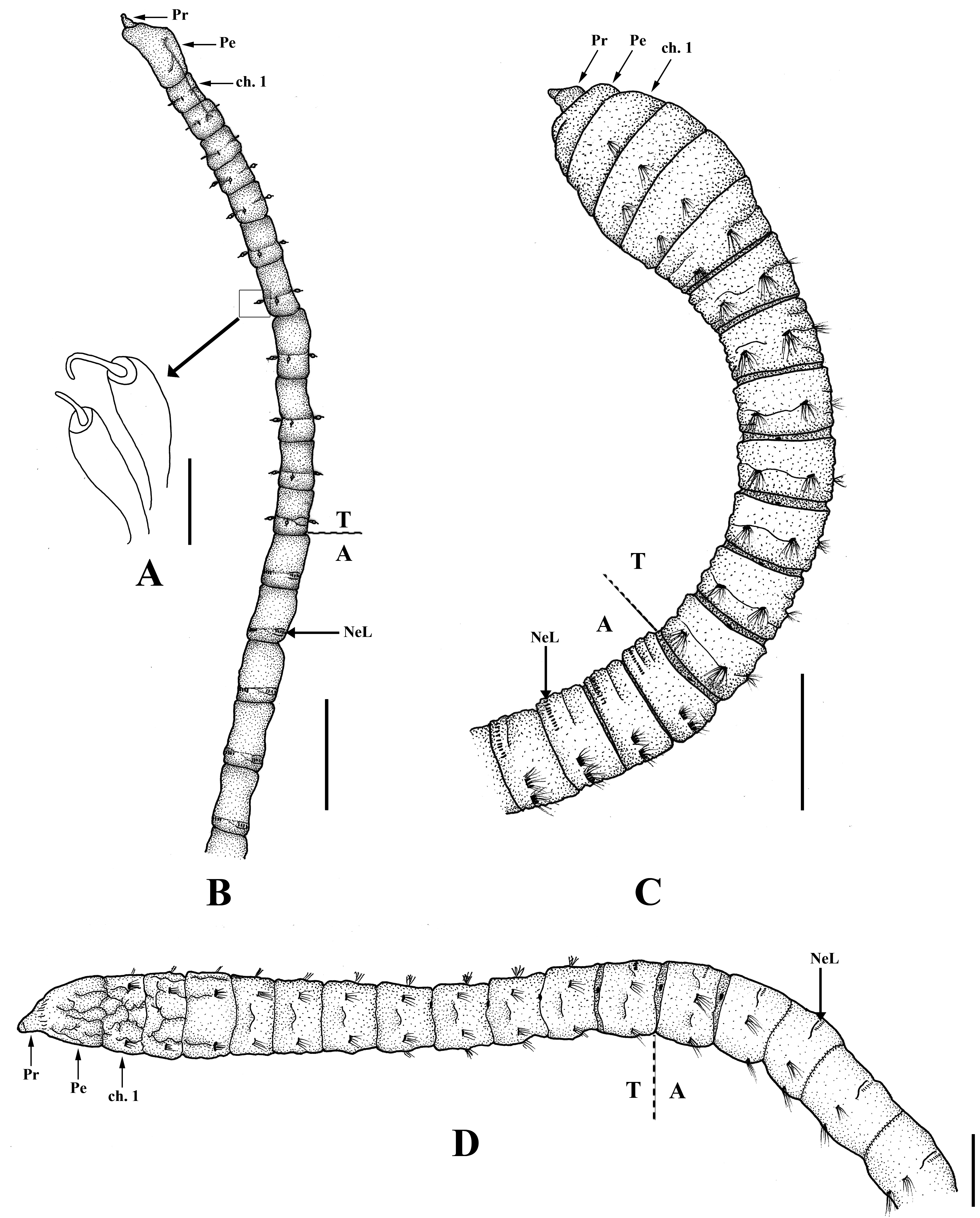
Capitellidae
Capitellidae is a polychaete worm family in the subclass Scolecida.
Flabelligeridae
Flabelligeridae is a family of polychaete worms, known as bristle-cage worms, notable for their cephalic cage: long slender chaetae forming a fan-like arrangement surrounding the eversible (able to be turned inside-out) head. Unlike many polychaetes, they also have large, pigmented, complex eyes.
Orbiniidae
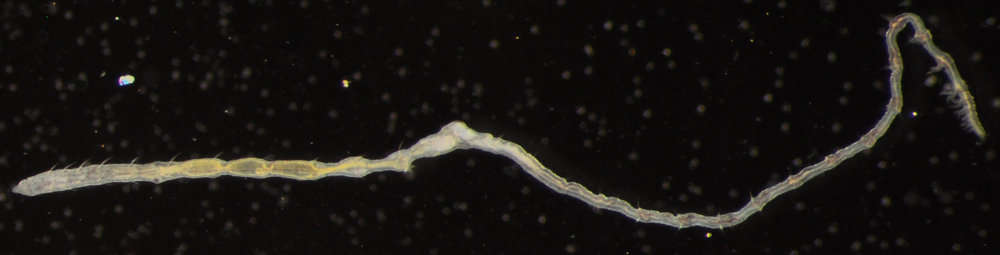
Orbiniidae is a family of polychaete worms. Orbiniids are mostly unselective deposit feeders on marine detritus. They can be found from the neritic zone to abyssal depths.

Glossoscolecidae
The Glossoscolecidae are a large family of earthworms (annelids) which has native representatives in South and Central America. The species Pontoscolex corethrurus has a circumtropical distribution.
Psammodrilidae
Psammodrilidae is a family of annelids closely related to Chaetopteridae.
Sphaerodoridae
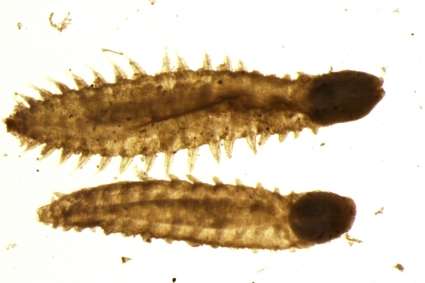
Sphaerodoridae is a family of polychaetes belonging to the order Phyllodocida.

Phascolosomatidae
Phascolosomatidae is a family of peanut worms. It is the only family in the order Phascolosomatida, which is in the only order in the subclass Phascolosomatidea.
Onuphidae
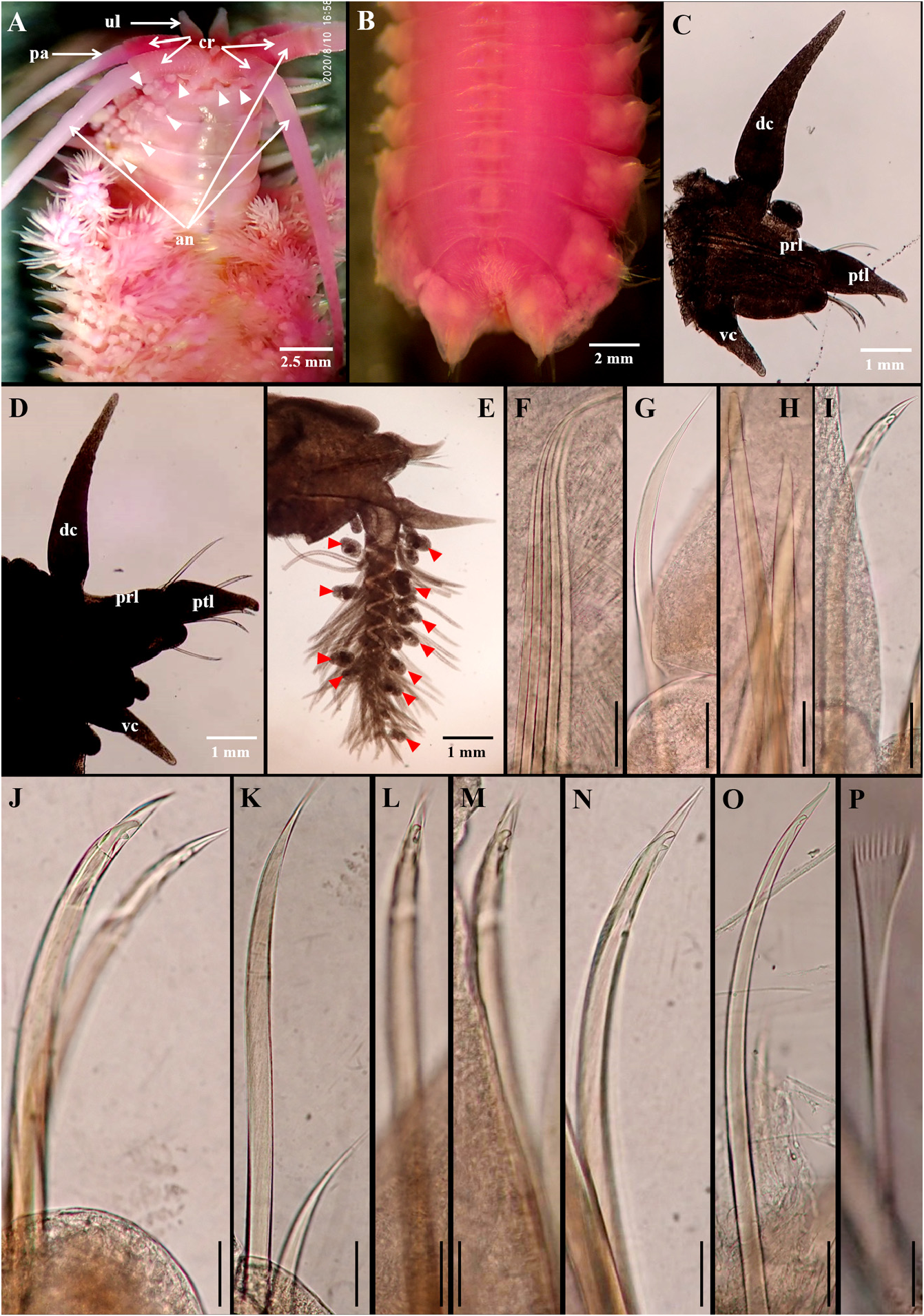
The Onuphidae are a family of polychaete worms.
Bonelliidae
Bonelliidae is a family of marine worms (Subclass Echiura, of the class Polychaeta, in the phylum Annelida) noted for being sexually dimorphic, with males being tiny in comparison with the females. They occupy burrows in the seabed in many parts of the world's oceans, often at great depths.

Alciopidae
Alciopidae, also known as the "Camera Eyed Worms" is a family of polychaetes belonging to the order Phyllodocida. Alciopids are notable for representing the fourth phylum — besides arthropods, chordates, and mollusks — to have evolved high-resolution vision, namely vision that can distinguish objects from the visual background, enabling interaction with said objects. This has been demonstrated in particular in Vanadis cf. formosa, Torrea candida, and Naiades cantrainii.

Opheliidae
Opheliidae is a family of small, annelid worms. Some of the genera, like Armandia, Ophelina and Polyophthalmus, have lost their circular muscles. The Opheliidae family of polychaete; marine annelid worms, play an essential role in marine ecosystems as “deposit feeders” that aid in the recycling of nutrients and sediment mixing in muddle and sandy habitats. Due to their distinctive adaptations that include streamlined bodies and specialized muscles they can burrow in various marine environments.

Aspidosiphonidae
Aspidosiphonidae is a family of peanut worms. It is the only family in the monotypic order Aspidosiphonida, which is in the class Phascolosomatidea.
Pilargidae
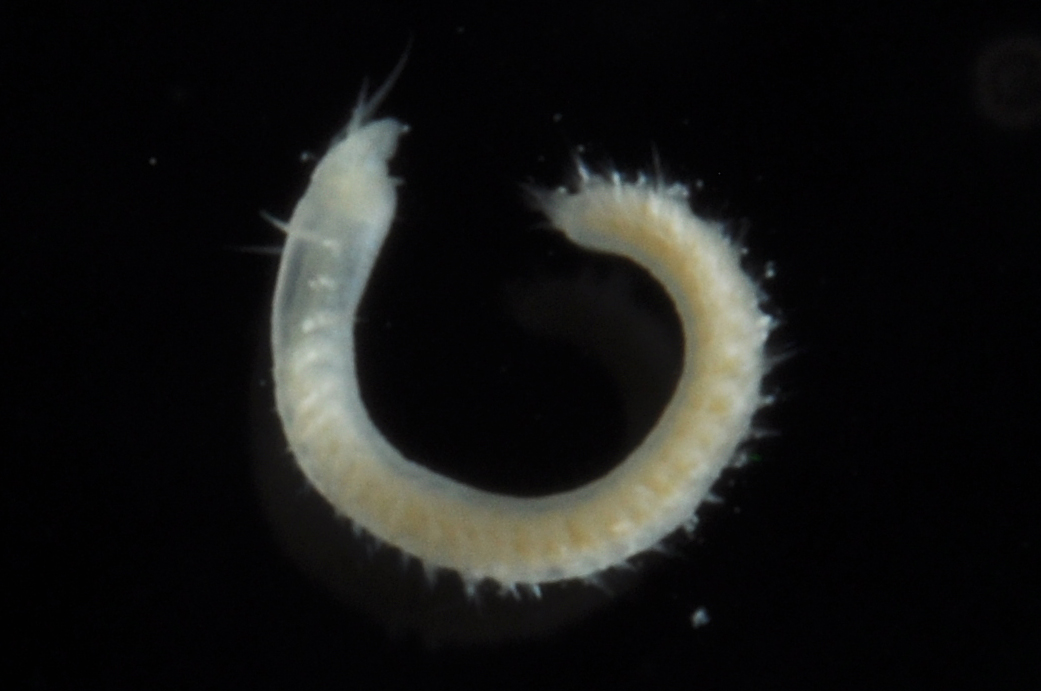
Pilargidae is a family of polychaetes. These marine worms are cylindrical, somewhat flattened, and can be ribbon-like. They can be found free-living on sediment, or shallowly in sediment. Some species within the genera Hermundura and Litocorsa are known to burrow, having reduced heads and parapodia. Two species are known to be commensal with other polychaetes. Pilargis berkeleyae will live in the tubes of Chaetopteridae, and Ancistrosyllis commensalis will live in Capitellidae burrows. Pilargid worms are almost all exclusively predators, classified as carnivore omnivores. They are similar in a
Iospilidae
Iospilidae is a family of polychaetes belonging to the order Phyllodocida.

Golfingiidae
Golfingiidae is a family of peanut worms.
Euphrosinidae
The Euphrosinidae are a family of polychaete worms. The name is from Greek Euphrosyne, meaning merriment; she was one of the three Graces.