Category
page 3Ant genera
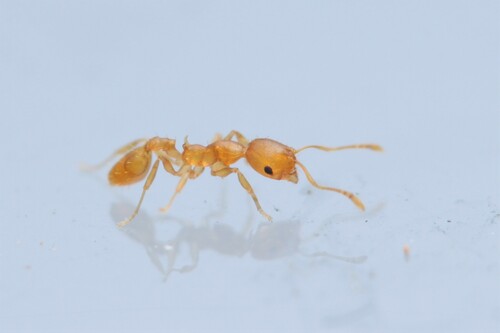
Recurvidris
Recurvidris is a genus of ants in the subfamily Myrmicinae. The genus is distributed in the Indomalayan realm, where the ants are found on the forest floor.

Colobopsis
thumb|Colobopsis mississippiensis alate
Colobopsis is a genus of ants in the subfamily Formicinae. This genus was first described in 1861 by Mayr and contains 95 species. The type species is Colobopsis truncata.

Plectroctena
thumb|right|230px|Plectroctena mandibularis

Rhytidoponera
thumb|Rhytidoponera celtinodis
thumb|Rhytidoponera chalybaea
thumb|Rhytidoponera crassinoda
thumb|Green-head ant|Rhytidoponera metallica
thumb|Rhytidoponera taurus
Rhytidoponera is a large genus of ants in the subfamily Ectatomminae. The genus is known from Australia and Melanesia, with New Caledonia as the most eastern limit.

Onychomyrmex
Onychomyrmex is an Australian genus of ants in the subfamily Amblyoponinae. Its three species are known from eastern Queensland, Australia. Although not true army ants, Onychomyrmex species display an army-ant life style, including group predation and nomadism.

Dacetinops
Dacetinops is a genus of ants in the subfamily Myrmicinae. Its seven species are known from Borneo (D. cirrosus, D. concinnus, D. solivagus and D. wilsoni), and Papua New Guinea (D. cibdelus, D. darlingtonl and D. ignotus). One species, D. cirrosus, is known also from Terengganu and Johor, West Malaysia.

Rhopalomastix
Rhopalomastix is a genus of ants in the subfamily Myrmicinae. It is restricted to the Oriental and Indo-Australian regions, where the ants nest under the bark of living trees.

Romblonella
Romblonella is a genus of myrmicine ants.
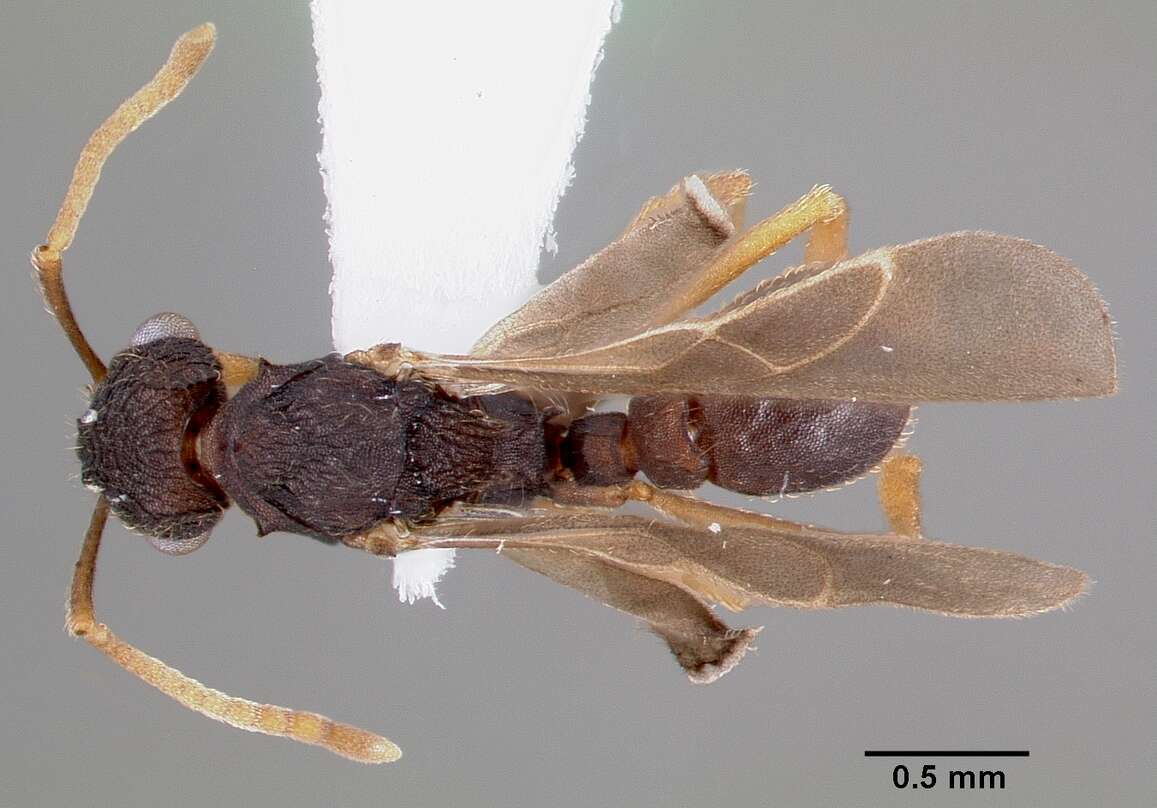
Mycetosoritis
Mycetosoritis is a genus of fungus-growing ants in the subfamily Myrmicinae.

Lordomyrma
Lordomyrma is a genus of ants in the subfamily Myrmicinae.
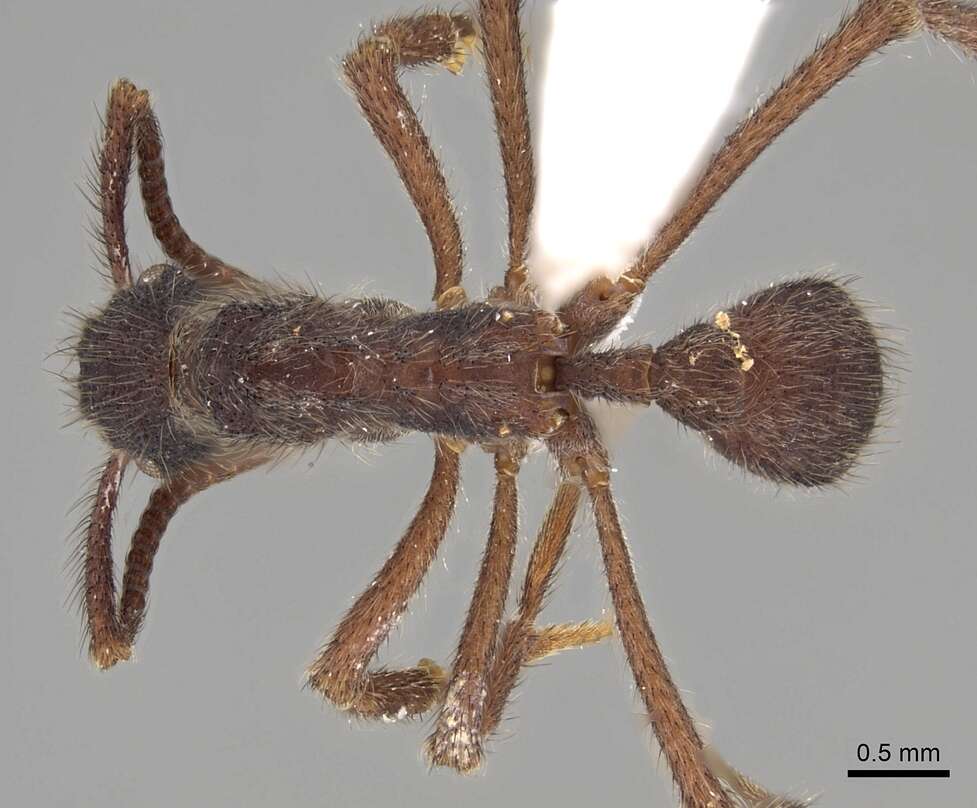
Apterostigma
Apterostigma is a genus of New World ants of the subfamily Myrmicinae. Two species have been described from fossils preserved in Dominican amber, while the others are extant. They are fungus-growing ants, though, unlike the majority of other species in Attini who grow Lepiotaceae, some species have begun cultivating Tricholomataceae.

Orectognathus
Orectognathus is a genus of ants in the subfamily Myrmicinae.

Daceton
Daceton is a Neotropical genus of ants in the subfamily Myrmicinae. The genus contains only two species: D. armigerum, the most studied species, distributed throughout northern South America, and D. boltoni, known from Brazil and Peru.thumb|left|250px|Trap-jawed ants: Strumigenys, Daceton, [[Odontomachus, Anochetus, Myrmoteras]]
Microdaceton
Microdaceton is an African genus of ants in the subfamily Myrmicinae. The genus consists of four species restricted to the Afrotropics. They nest in the leaf litter and seems to be fairly common. However, little is known about their biology.
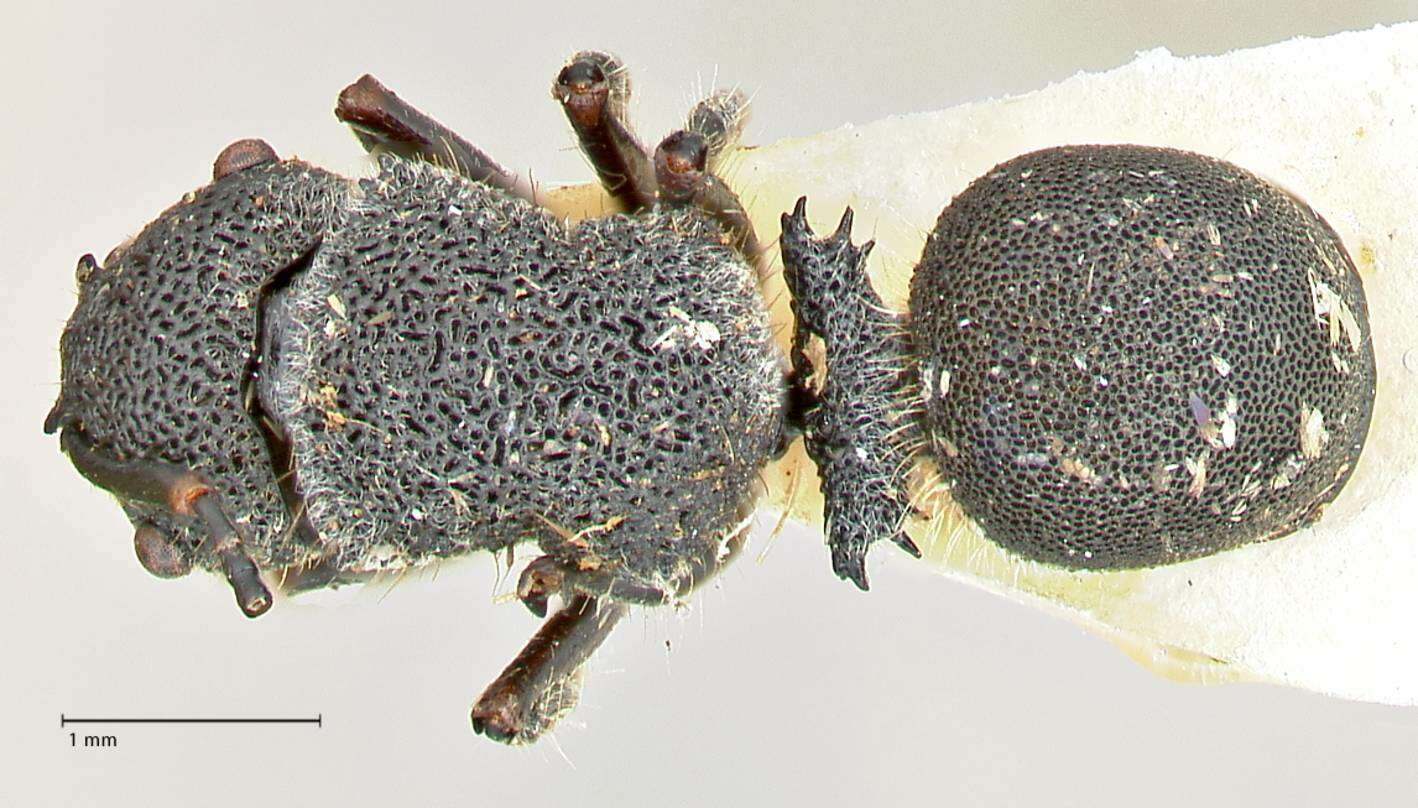
Echinopla
Echinopla is a genus of ants in the subfamily Formicinae. The genus is distributed from Singapore and Sumatra (Indonesia) to the Philippines, Papua New Guinea and Australia.

Epopostruma
Epopostruma is a genus of ants in the subfamily Myrmicinae. It is restricted to Australia.
Acanthoponera
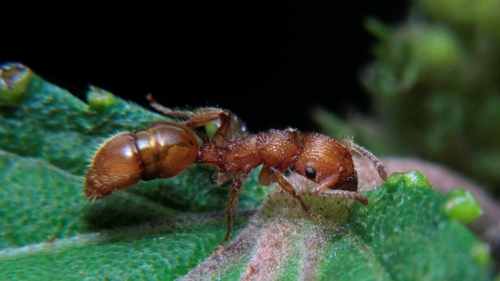
Acanthoponera is a Neotropical genus of ants in the subfamily Ectatomminae. Acanthoponera contains six (one is indeterminate, and one is a morphotaxon) rarely collected species and a fifth unnamed species mentioned by Brown (1958) only known from a stray gyne.
Simopelta
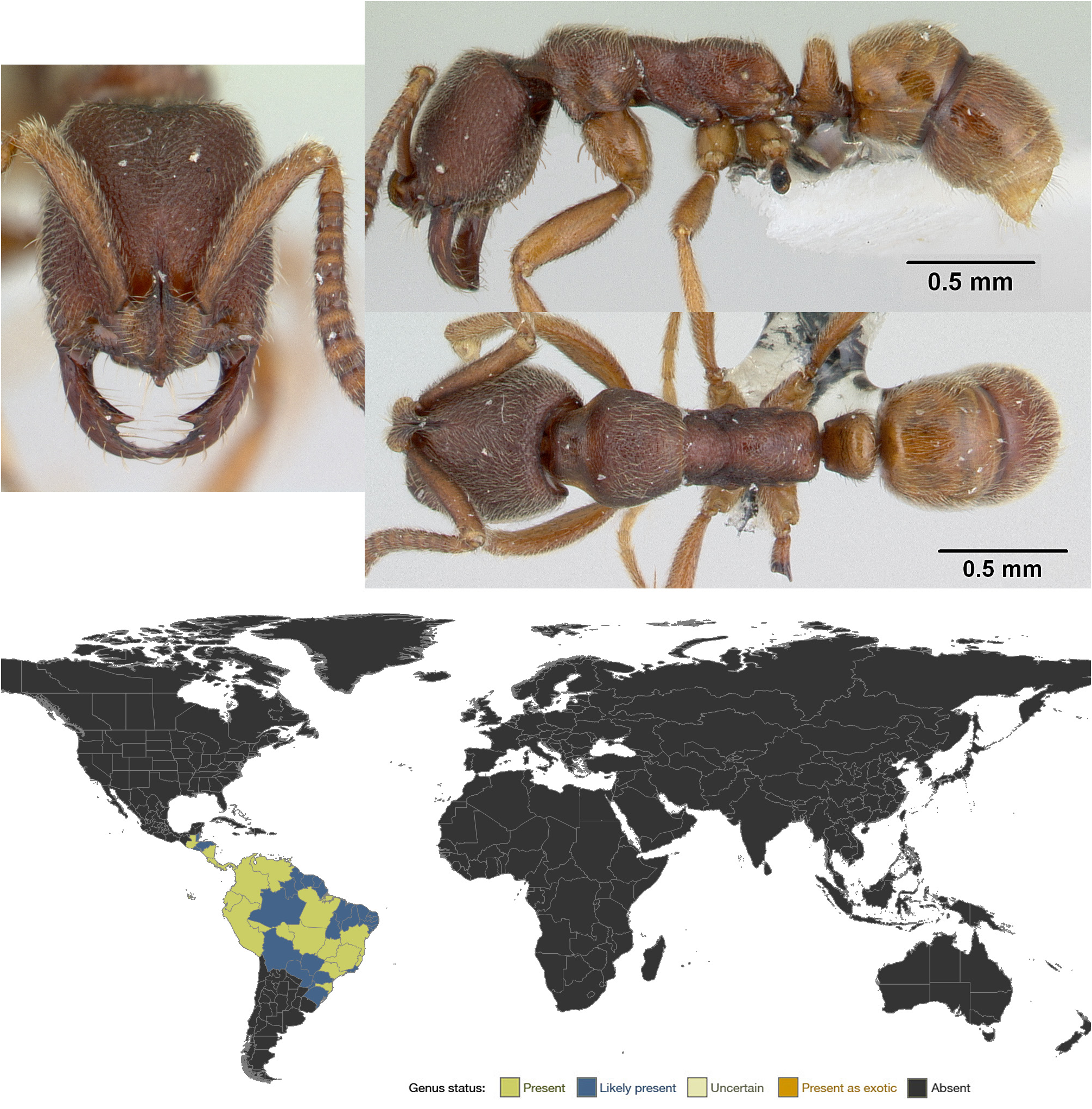
Simopelta is a Neotropical genus of ants in the subfamily Ponerinae.
Mycetophylax
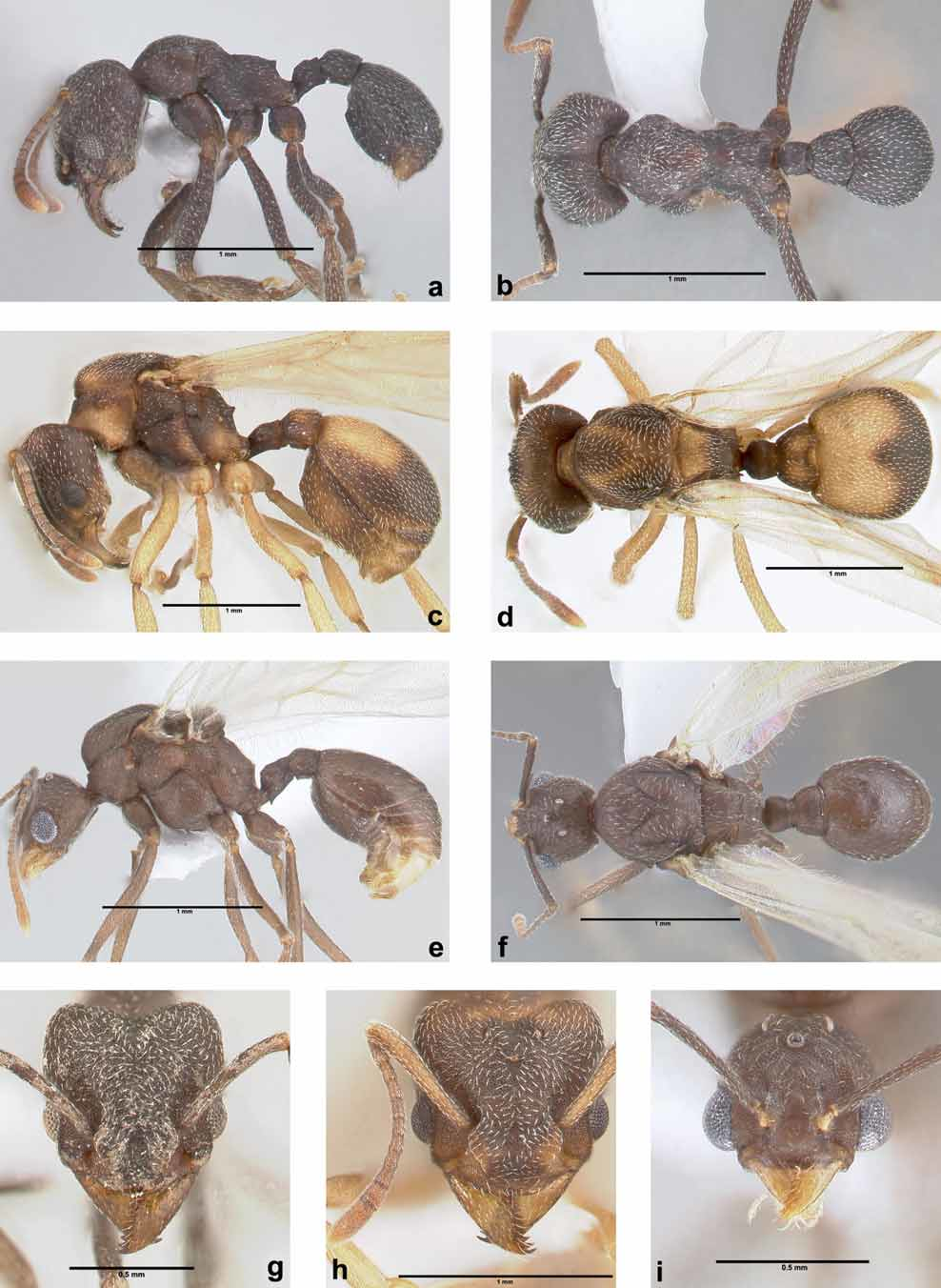
Mycetophylax is a genus of fungus-growing ants. The genus is characterized exclusively for the New World and is only found on coastal sandy beaches and shallow waters of Brazil.

Rhopalothrix
Rhopalothrix is a genus of ants in the subfamily Myrmicinae.
Calomyrmex
Calomyrmex is a genus of ants in the subfamily Formicinae. The genus is known from Indonesia, New Guinea and Australia. Calomyrmex has a mandibular gland that secretes red droplets on the sides of its head with a strong and unpleasant odor when disturbed.

Calyptomyrmex
Calyptomyrmex is a genus of ants in the subfamily Myrmicinae. The genus is distributed from Africa to India and east to New Caledonia. They are mainly found in the rainforest, where they forage alone or in small numbers.

Froggattella
Froggattella is a genus of ants in the subfamily Dolichoderinae. The genus contains two species found in Australia. Froggattella kirbii is fairly common, while Froggattella latispina is known only from two locations in South Australia.
Myrmicocrypta
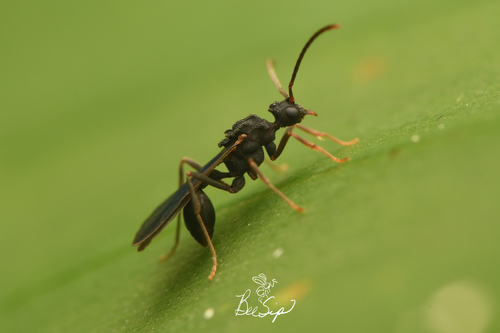
Myrmicocrypta is a Neotropical genus of fungus-growing ants in the subfamily Myrmicinae. The genus is known from Mexico to Argentina. Their colonies are generally small, consisting of fewer than 200 individuals.
Colobostruma
Colobostruma is a genus of ants in the subfamily Myrmicinae. All except one species are restricted to Australia. The only non-Australian species, C. foliacea, is found in New Guinea and the Solomon Islands.

Prolasius
Prolasius is a genus of ants in the subfamily Formicinae. Of the genus' 19 species, 18 are known from Australia (one of which is also found in Papua New Guinea) and one from New Zealand. They nest in soil under rocks or logs, sometimes in trees.

Sphinctomyrmex
Sphinctomyrmex is a genus of ants in the subfamily Dorylinae. The genus is a tropical and distinctive group, originally described by Mayr based on a single gyne collected in Brazil. Morphologically, the genus is characterized by the unique arrangement of the gastric segments, which are nearly equal in length and separated from each other by distinct constrictions. Very little is known on the natural history of Sphinctomyrmex. The few observations so far suggest that ants of this genus are nomadic predators of other ants. The genus Zasphinctus and approximately 20 species were formerly included

Gnamptogenys
Gnamptogenys is a genus of ants in the subfamily Ectatomminae. The genus has a wide distribution. It is known to occur in the Nearctic, Neotropic, Indomalayan, and Australasian realms. Camacho et al, 2022 revised this genus, significantly reducing its size to only 32 valid extant species and 5 valid fossil species by splitting off most species into four formerly synonymized genera Alfaria, Holcoponera, Poneracantha, and Stictoponera.
Probolomyrmex
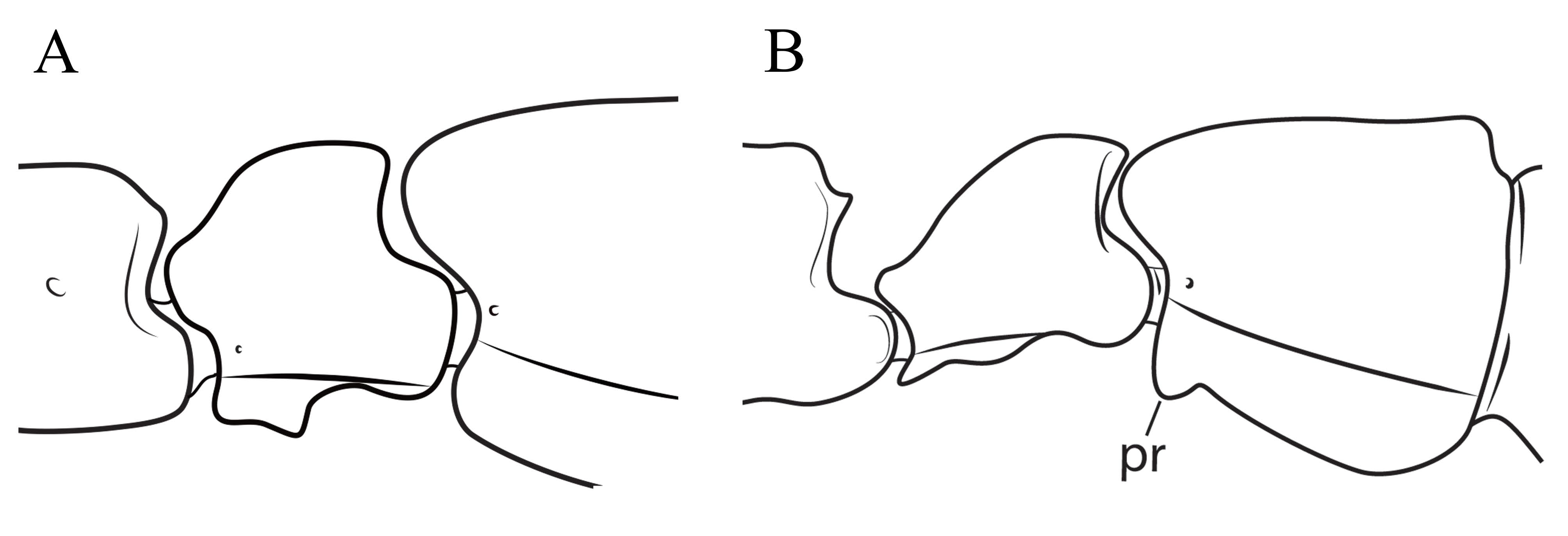
Probolomyrmex is a genus of ants in the subfamily Proceratiinae. The genus is distributed throughout the tropics and subtropics. The ants are very rare, and are rarely collected in the field, but they appear to be nesting in the leaf litter or in rotten wood. Little is known about their biology.
Asphinctopone
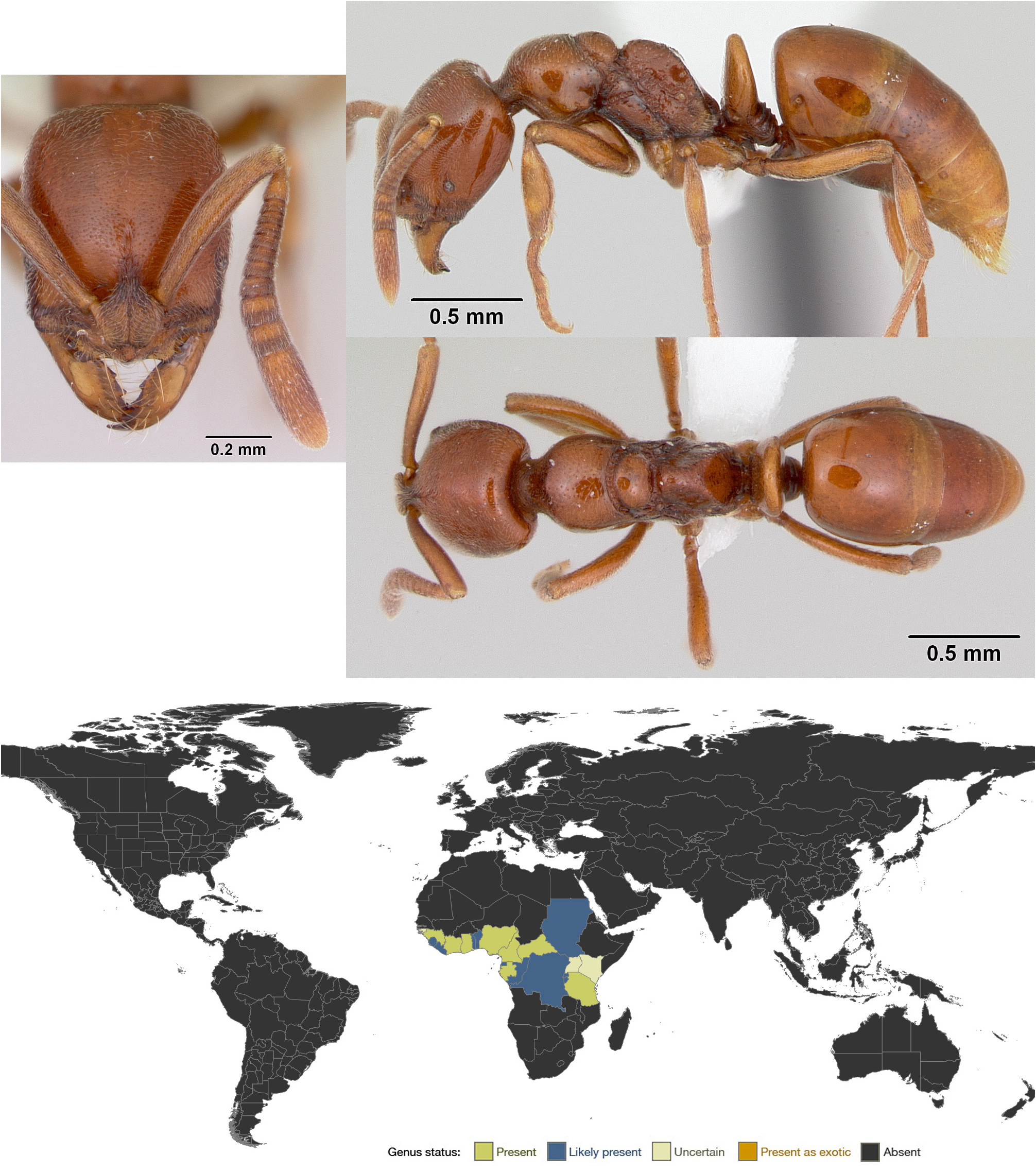
Asphinctopone is a small genus of rarely encountered Afrotropical ants in the subfamily Ponerinae.
Dilobocondyla
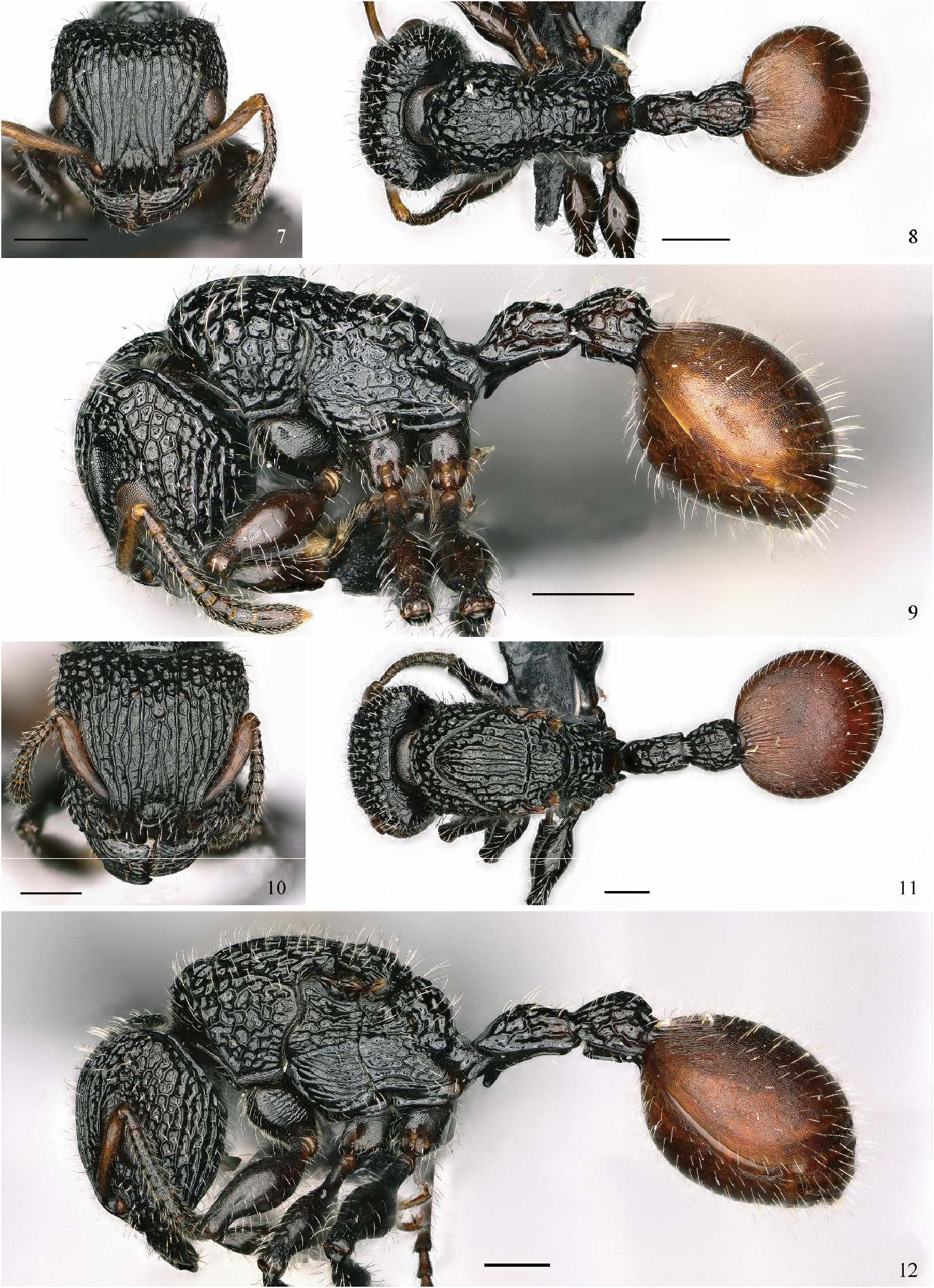
Dilobocondyla is a genus of ants in the subfamily Myrmicinae. The genus is distributed in the Oriental and Australasian realms. It seems to be rare, with most species known only from single specimens.
Perissomyrmex
Perissomyrmex is a genus of ants in the subfamily Myrmicinae. It is known from the Neotropical and Oriental realms.
Typhlomyrmex
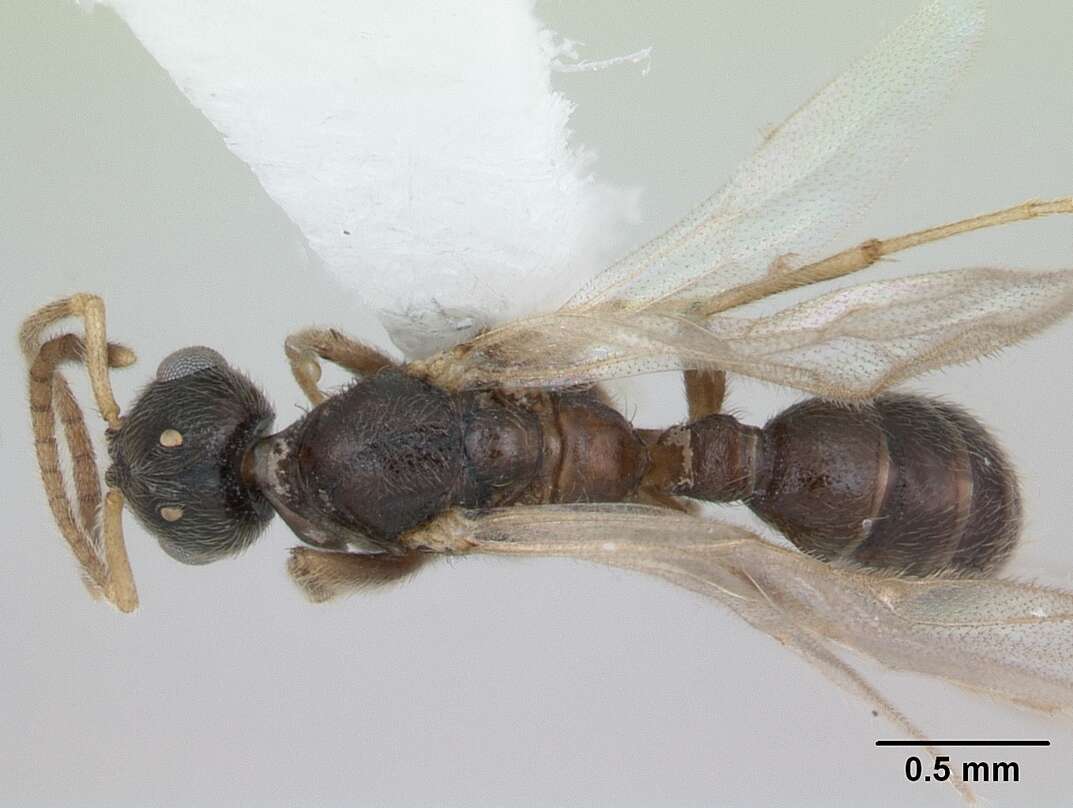
Typhlomyrmex is a genus of ants in the subfamily Ectatomminae. Known from the Neotropics, the genus has a wide distribution. Some species are restricted in range, while for example Typhlomyrmex rogenhoferi is known from southern Mexico to northern Argentina. Little is known about their biology. The name "Typhlomyrmex" means "blind ant", as this genus contains only blind ants. Previously classified under the monotypic tribe Typhlomyrmecini, it was merged into Ectatommini in 2022.
Terataner
Terataner is an African genus of arboreal ants in the subfamily Myrmicinae.
Mesostruma
Mesostruma is a genus of ants in the subfamily Myrmicinae. It is restricted to Australia.
Podomyrma
Podomyrma is a genus of ants in the subfamily Myrmicinae. They are relatively common and found across Australia, Papua, and its surrounding islands. The genus is commonly referred to as muscleman tree ants due to their widened leg segments that look like flexing muscles. These ants are frequently found in and around trees where they live. Most spceies have multiple colours, shades of red, brown, black and orange.
Proformica
Proformica is a genus of ants in the subfamily Formicinae. The genus is known from the Palearctic realm, from Mongolia through Central Asia to Spain. Colonies are small, generally containing a few hundred individuals, with a single queen (monogyne) or multiple ergatogyne queens. Unique in the tribe Formicini, some species have specialized workers ("honeypot ants") gorged with food; they function as living storage containers.

Pseudolasius
Pseudolasius is a genus of ants in the subfamily Formicinae. The genus is known from southern Asia (from India to China) to northern Australia, where it appears to be restricted to tropical areas. These ants are commonly known as twig ants due to their habit of nesting in twigs or hollow stems.

Prenolepis
thumb|Prenolepis imparis, male
Prenolepis is a genus of ants in the subfamily Formicinae. Most species are found in southeastern Asia and southern China, but the genus has a wide distribution with species known from North America, southern Europe, Anatolia, Cuba, Haiti, and West Africa.

Nomamyrmex
Nomamyrmex is a genus of army ants in the subfamily Dorylinae. Its two species are distributed in the Neotropics: Nomamyrmex esenbeckii is known from southern United States to northern Argentina, and Nomamyrmex hartigii is known from Mexico to southern Brazil. Nomamyrmex esenbeckii is the only known predator of mature colonies of Atta leaf-cutter ants.

Trachymyrmex
Trachymyrmex is a genus of fungus-growing ants in the subfamily Myrmicinae. The genus is mainly tropical in distribution, with most species being found in Central and South America.
Myopopone
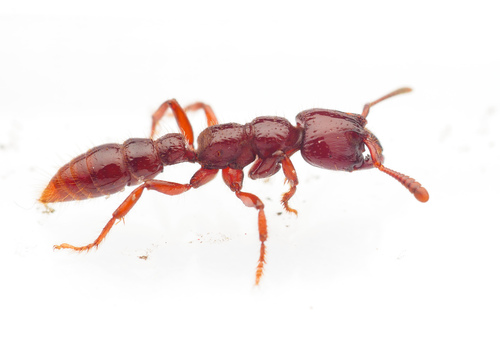
Myopopone is a genus of ants in the subfamily Amblyoponinae. The genus contains two species, one extant and one fossil. The type species Myopopone castanea is known from the Oriental and Indo-Australian regions, and China. The fossil species, Myopopone sinensis, is known from the Early Miocene.

Procryptocerus
Procryptocerus is a Neotropical genus of gliding ants, with the ability to "parachute" by steering their fall if they drop off of the tree they were on.
Heteroponera
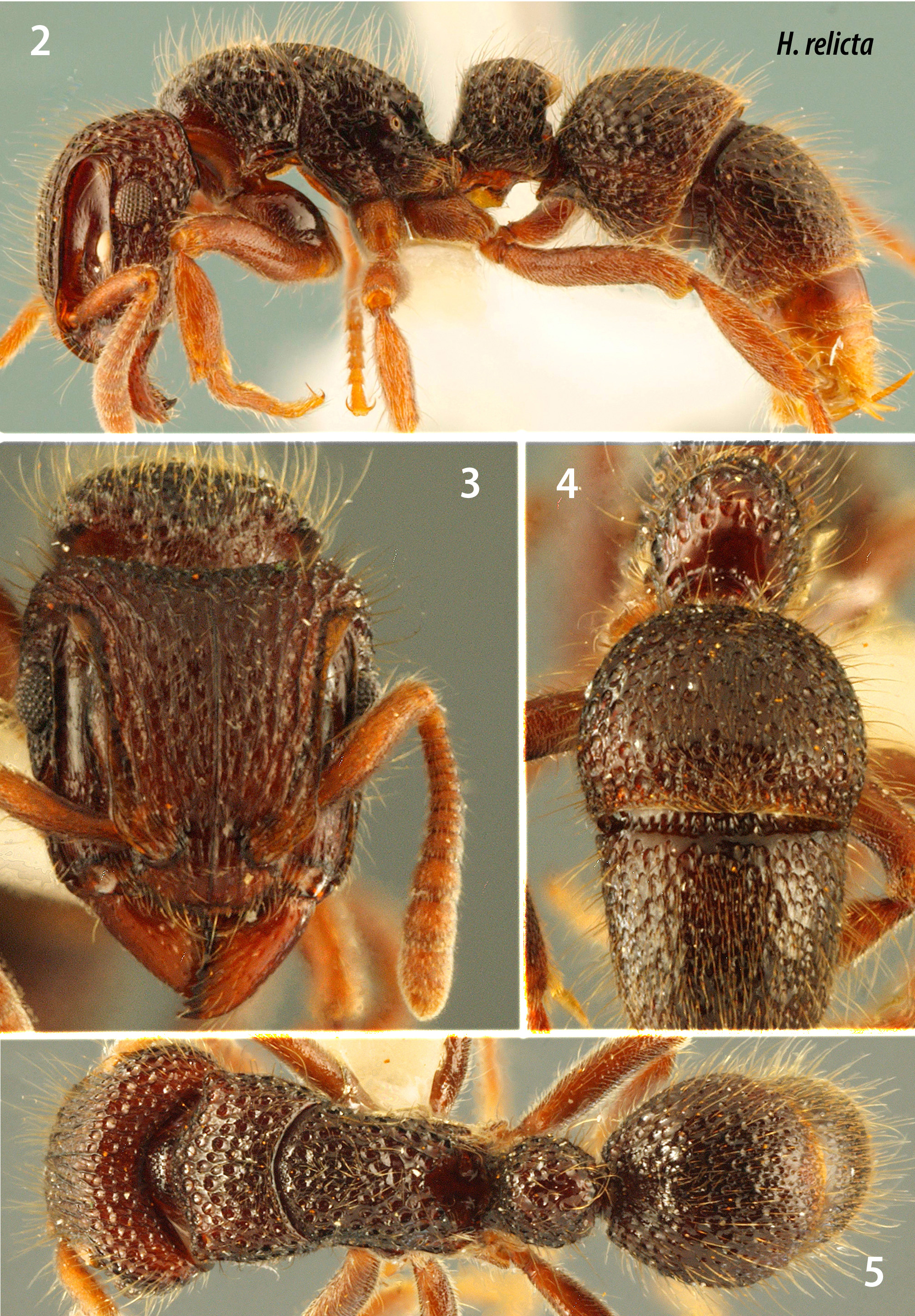
Heteroponera is a genus of ants in the subfamily of Ectatomminae. The genus is known to originate from the Neotropics (from Costa Rica to Uruguay and Chile) and Australasia.
Ochetomyrmex
Ochetomyrmex is a Neotropical genus of ants in the subfamily Myrmicinae.
Lenomyrmex
Lenomyrmex is a Neotropical genus of ant in the subfamily Myrmicinae.

Tranopelta
Tranopelta is a Neotropical genus of ants in the subfamily Myrmicinae.
Indomyrma
Indomyrma is an Asian genus of ants in the subfamily Myrmicinae. The genus contains two species: the type species Indomyrma dasypyx known from India and Indomyrma bellae known from Vietnam.
Kartidris
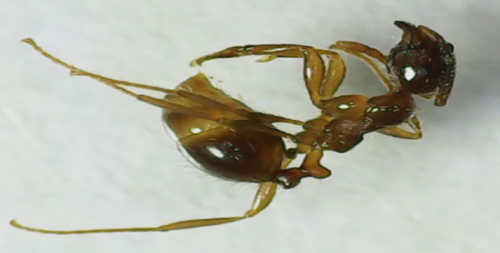
Kartidris is an Indomalayan genus of terrestrial ants in the subfamily Myrmicinae. Its six species are known from mountainous areas in China, Thailand and India.
Eutetramorium
Eutetramorium is a small genus of ants within the subfamily Myrmicinae. To date it contains three species found in Madagascar and Comoros.
Baracidris
Baracidris is a genus of ants in the subfamily Myrmicinae. The genus is known from central and western Africa.

Lepisiota
Lepisiota is an Old World genus of ants in the subfamily Formicinae. They nest in rotten wood, in standing trees or in the ground, generally in less forested areas.
Rotastruma
Rotastruma is a small genus of arboreal ants in the subfamily Myrmicinae. Its two species are known from the Oriental region: the type species Rotastruma recava is known from the Bukit Timah Nature Reserve, Singapore, and Rotastruma stenoceps is known from Guangdong, China.
Paratopula
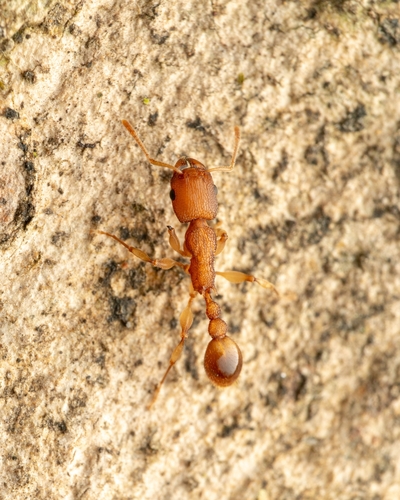
Paratopula is a genus of ants in the subfamily Myrmicinae. The genus consists of arboreal species known from the Oriental and Indo-Australian regions. Little is known about their biology.
Mycetarotes
Mycetarotes is a genus of fungus-growing ants in the subfamily Myrmicinae.
Octostruma
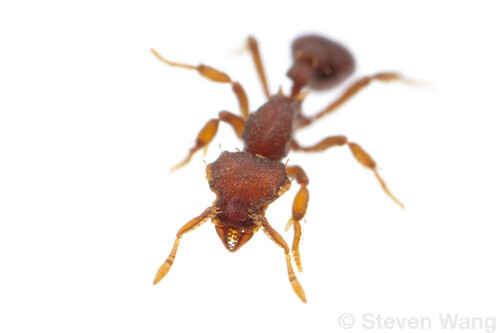
Octostruma is a genus of ants in the subfamily Myrmicinae. The genus is found in the Neotropics.
Phrynoponera
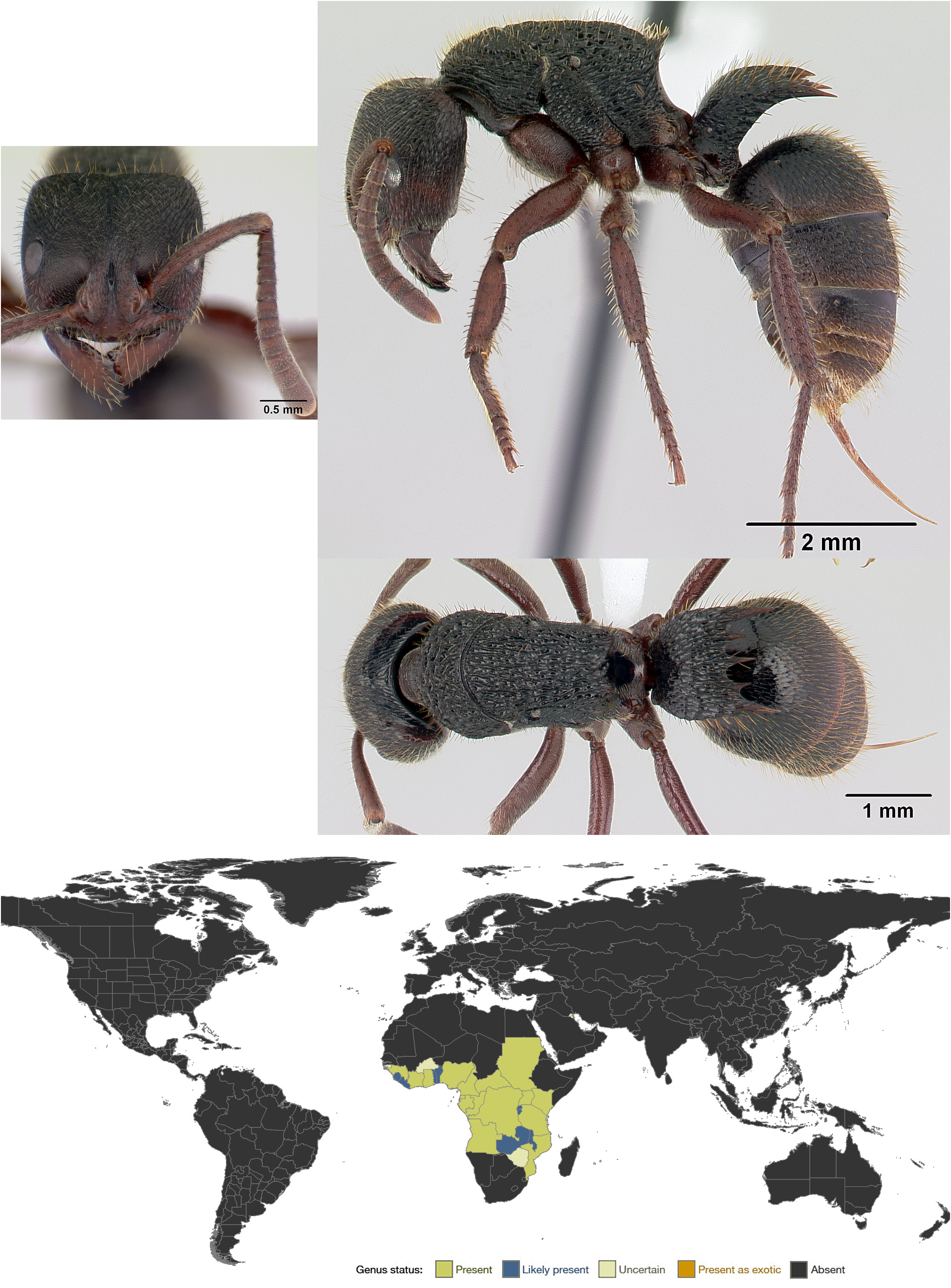
Phrynoponera is a strictly Afrotropical genus of ants in the subfamily Ponerinae.

Stigmacros
Stigmacros is a genus of small ants in the subfamily Formicinae endemic to Australia. They are generalist predators that forage in leaf litter, on the ground, or on trees.
Peronomyrmex
Peronomyrmex is a rare genus of ants in the subfamily Myrmicinae. Its three species are known from the east coast of Australia. With only five specimens in total, collected from four localities, Peronomyrmex is one of the world's most rare ant genera.
Simopone
Simopone is a genus of predominantly arboreal ants in the subfamily Dorylinae. The genus is widely distributed in the Old World tropics, with the majority of species in Madagascar and sub-Saharan Africa.