Category
page 2Ant genera
Cryptopone
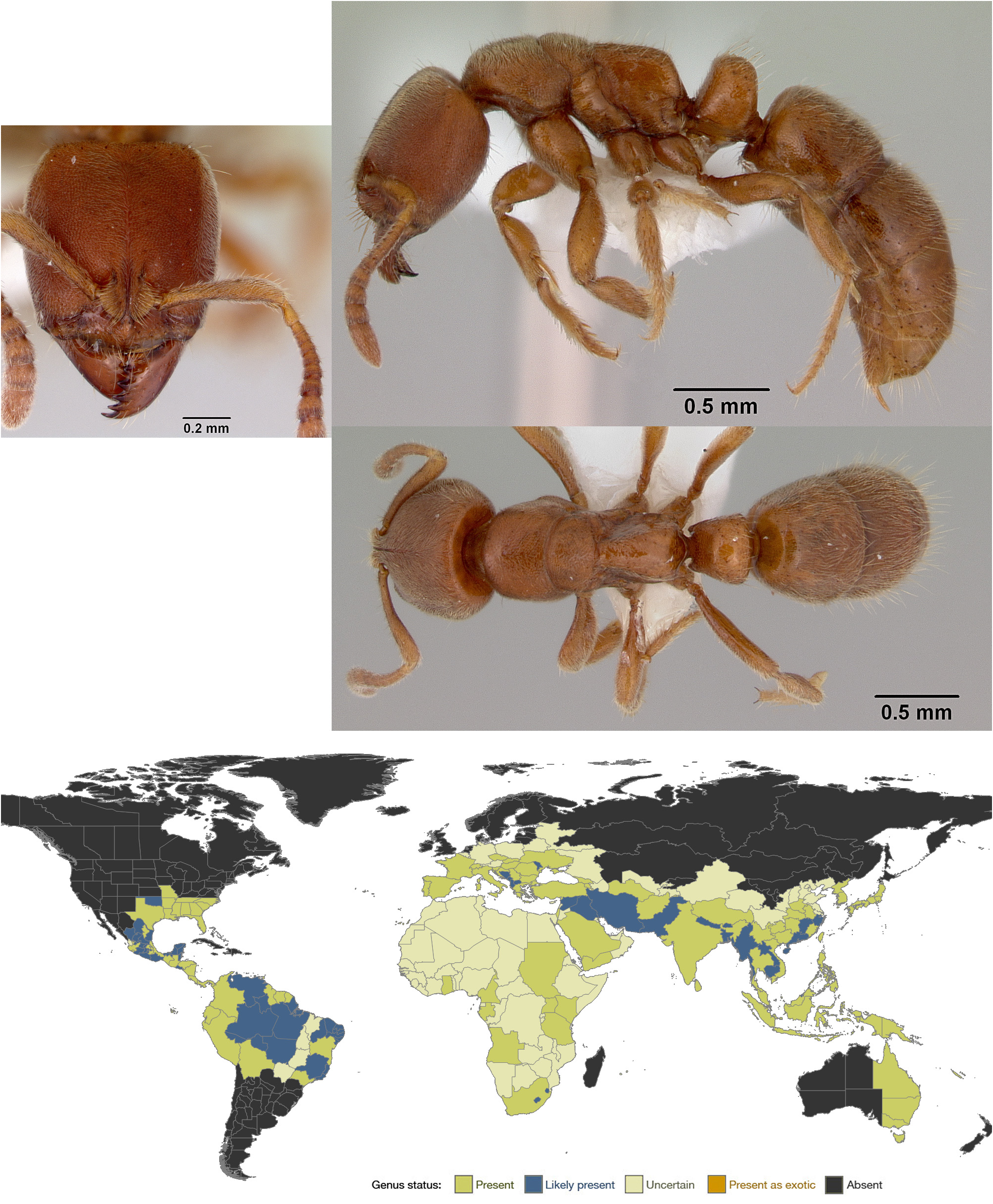
Cryptopone is a genus of ponerine ants containing 23 valid species, all of which are extant. The genus has a worldwide distribution, with most species occurring in Asia. Workers range from very small to medium in size (1.7–6.1 mm), with the queens being slightly larger. Wadeura was previously synonymized under this genus, however, its two species (now four) were separated out again by Branstetter & Longino, 2022.

Wasmannia
Wasmannia is a genus of ants. One species, Wasmannia auropunctata, is known as the electric ant or little fire ant and are considered by many countries to be a destructive, highly invasive species.
Axinidris
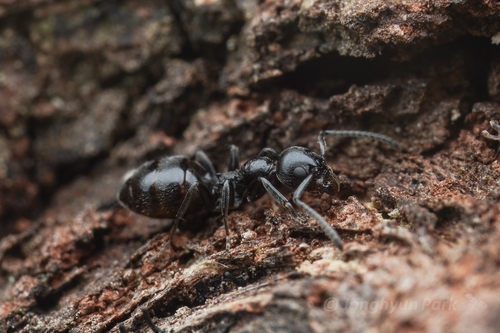
Axinidris is a genus of arboreal ants in the subfamily Dolichoderinae. The genus is known from forested areas the Afrotropics, where they nest in hollow stems or rotten wood. They forage mainly in trees, but occasionally on the ground.

Acropyga
Acropyga is a genus of small formicine ants. Some species can be indirect pests. A. acutiventris, which is found from India to Australia, tends subterranean, root-feeding mealybugs of the species Xenococcus annandalei. Living, gravid females are carried in the jaws of A. acutiventris queens during their nuptial flight, to establish the symbiotic association in founding colonies. Other Acropyga species have relationships with different species of mealybugs, and it could be a trait common to the whole genus.

Adelomyrmex
Adelomyrmex is a genus of ants in the subfamily Myrmicinae. Species of Adelomyrmex are small, litter-inhabiting ants most often collected in Berlese and Winkler samples. Although the genus and its relatives have a pantropical distribution, Central American cloud forests are the only places where they are abundant and diverse. Including undescribed species, Adelomyrmex has 66 species as of 2023.
Adetomyrma
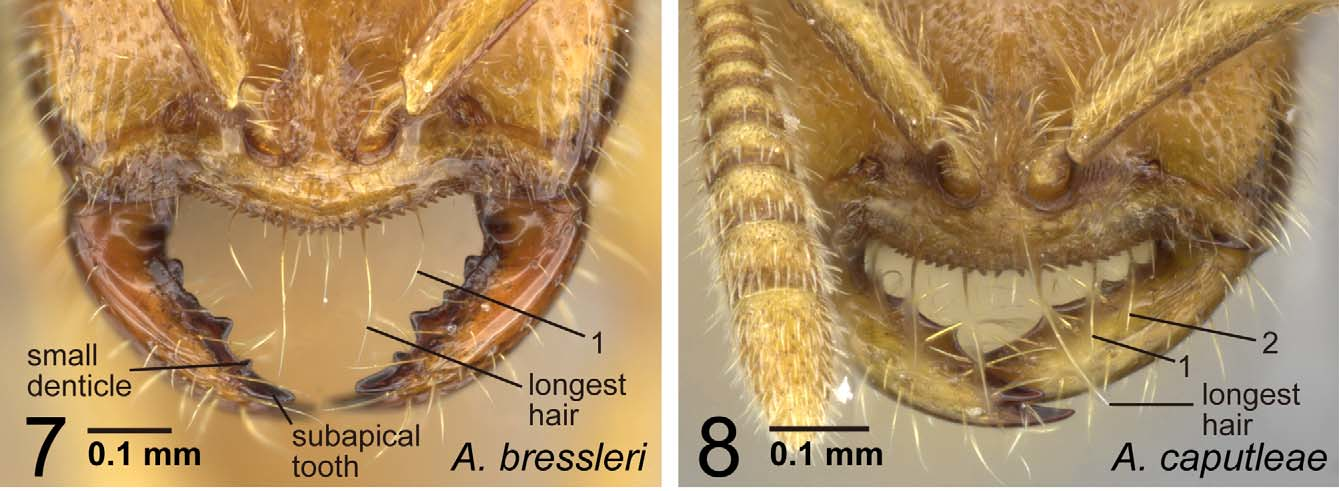
Adetomyrma is a genus of ants endemic to Madagascar. Workers of this genus are blind. The type species Adetomyrma venatrix was described in 1994, with the genus being an atypical member of its tribe, the Amblyoponini. This tribe includes the Dracula ants, members of which can feed on the hemolymph of larvae and pupae.

Harpegnathos
Harpegnathos is a small ponerine genus of ants found in South and Southeast Asia. They are notable for their jumping ability, complex colony structure, and large to very large workers easily identifiable by their long mandibles and large eyes.

Thaumatomyrmex
Thaumatomyrmex is a Neotropical genus of ants in the subfamily Ponerinae, found from Mexico to Brazil. They are notable for their pitchfork-shaped mandibles, which they use to capture millipedes of the order Polyxenida. The genus is a specialist predator of polyxenids, and one of only two ant genera known to prey upon polyxenids.

Myrmecina
Myrmecina is a genus of ants in the subfamily Myrmicinae. It contains 53 species distributed in North America, Europe, northern Africa, India, Korea, Japan and Australia.

Proceratium
Proceratium is a rare genus of ants in the subfamily Proceratiinae. It is the type genus of the tribe Proceratiini, which in addition to Proceratium consists of two even rarer genera: the extant Discothyrea and the fossil genus Bradoponera.
Meranoplus
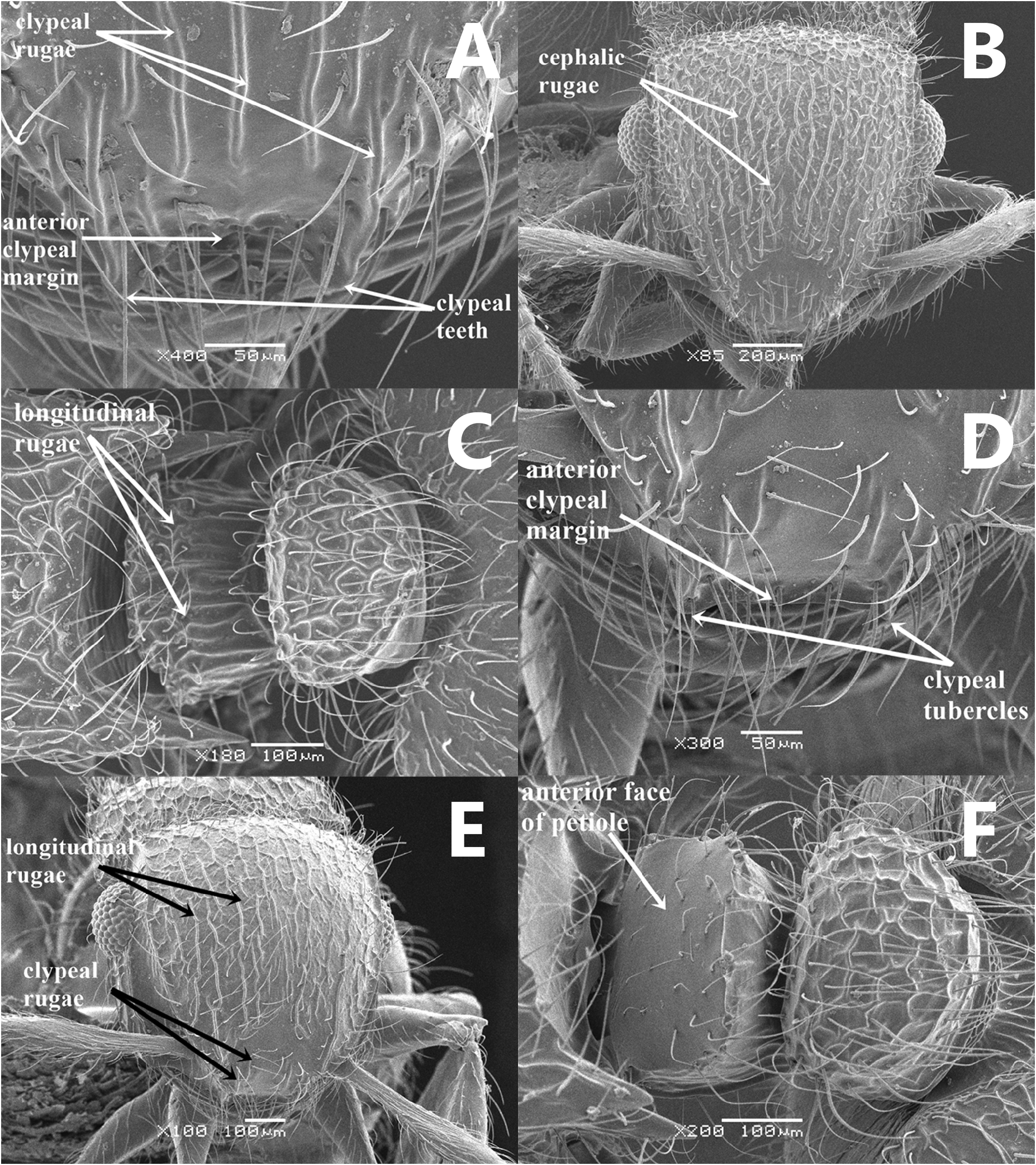
Meranoplus is an Old World genus of ants in the subfamily Myrmicinae. With over 80 valid species, it is predicted that over half of the Meranoplus diversity remains undescribed, most of these from Australia.
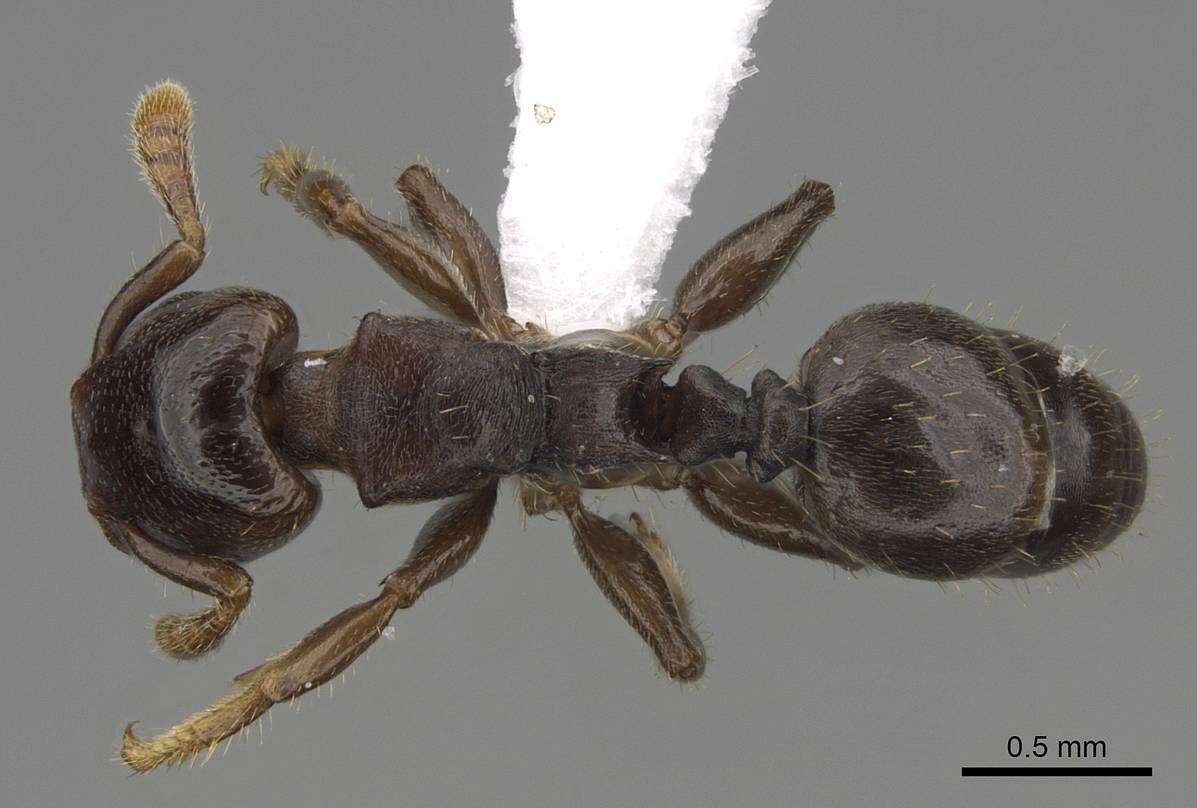
Atopomyrmex
Atopomyrmex is a small genus of arboreal ants in the subfamily Myrmicinae. The genus is known from the Afrotropics, where they nest in living wood and forage in the vegetation or on the ground.

silk ant
Sericomyrmex is a genus of fungus-growing ants in the subfamily Myrmicinae.

Neivamyrmex
Neivamyrmex is a genus of army ants in the subfamily Dorylinae.

Acanthomyrmex
Acanthomyrmex is a genus of ants in the subfamily Myrmicinae. The genus is known from South East Asia. Its species are dimorphic, with major workers in some genera having heads twice the length (and ten times the volume) of those of the minor workers. They live in small colonies and are rarely collected in the field. There are 17 species of Acanthomyrmex.
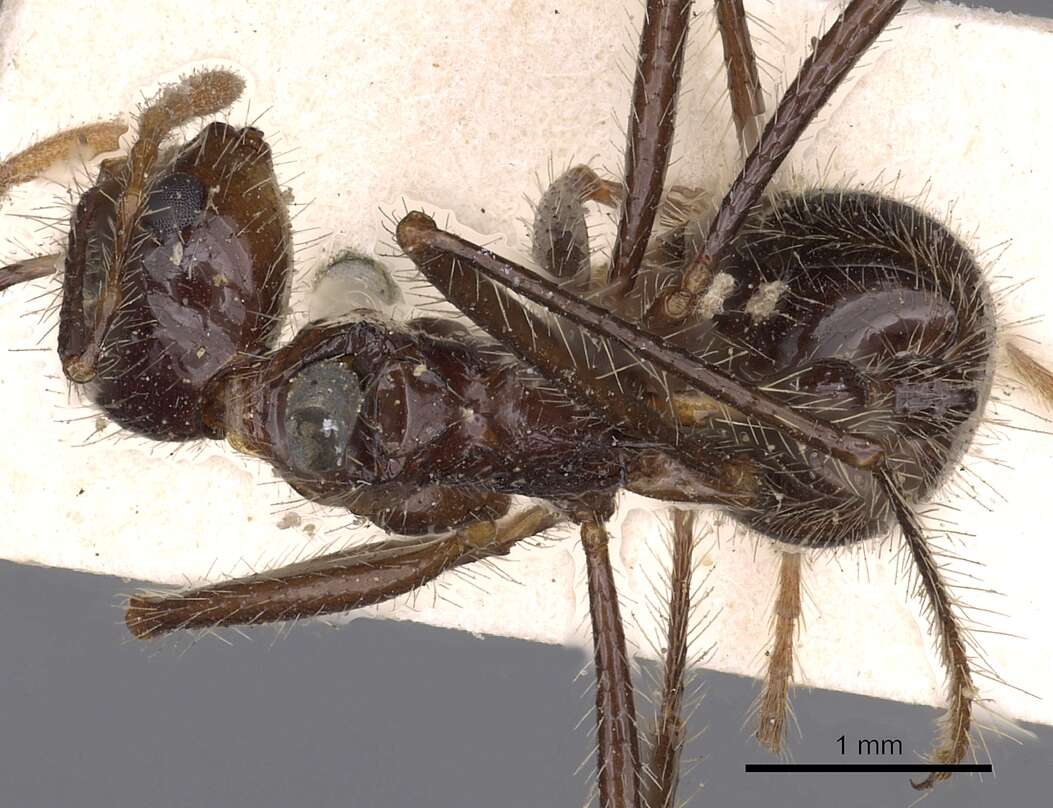
Myrmicaria
Myrmicaria is an ant genus within the subfamily Myrmicinae.

Ancyridris
Ancyridris is a small genus of myrmicine ants, with only two described species from New Guinea.
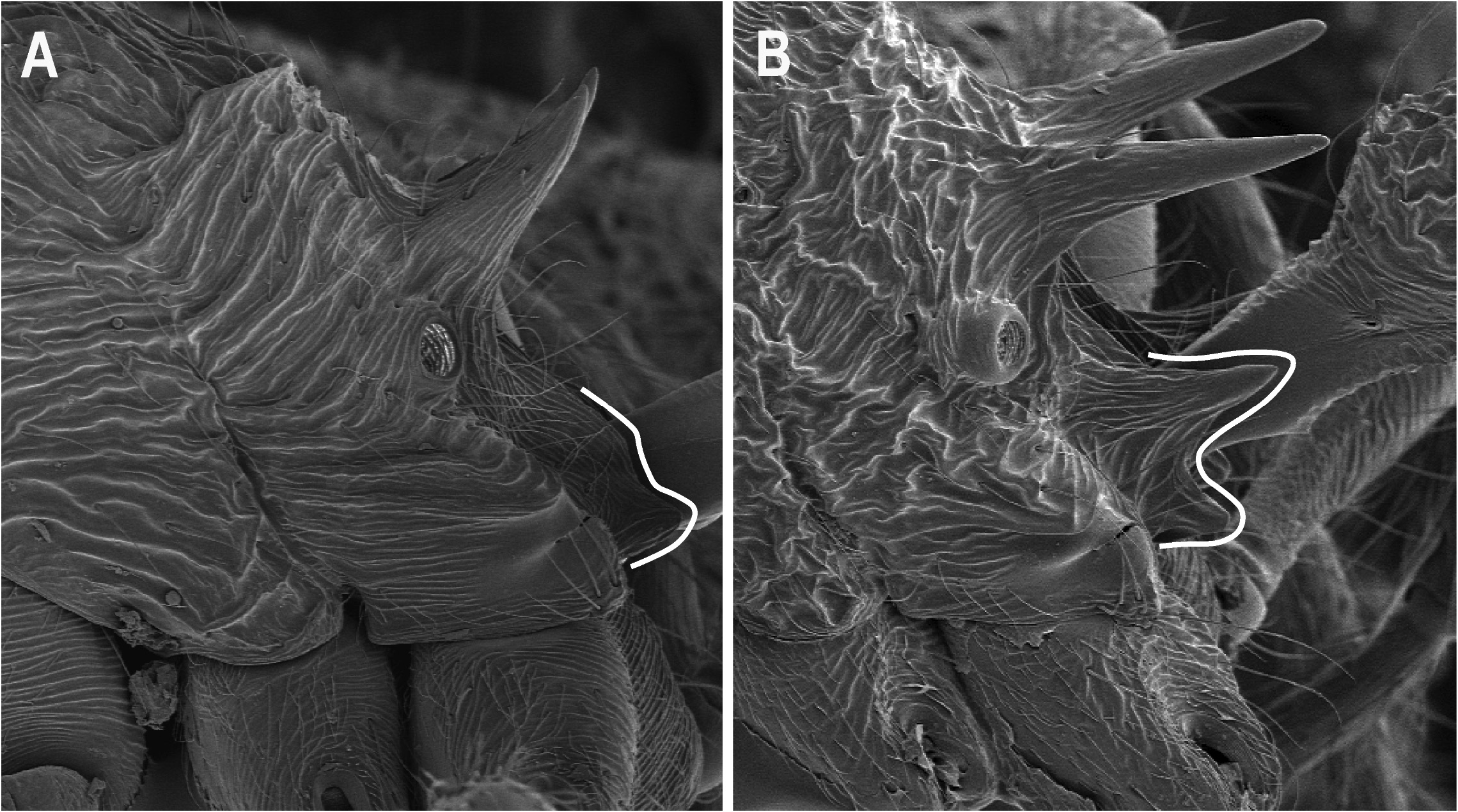
Hylomyrma
Hylomyrma is a genus of myrmicine ants containing 30 known species.
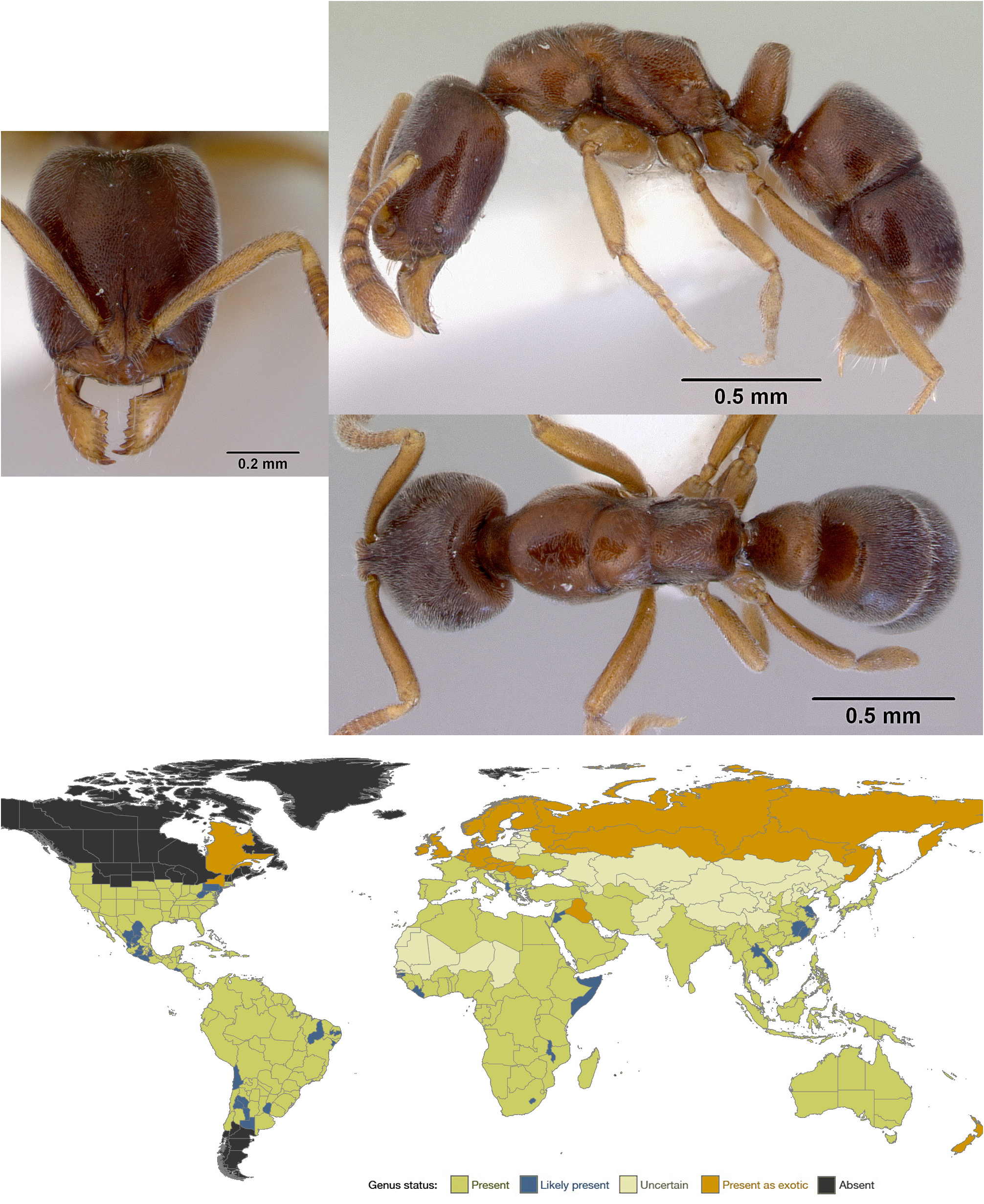
Hypoponera
Hypoponera is a genus of ants in the subfamily Ponerinae. The genus has a worldwide distribution and is found in all continents except Antarctica, as well as lacking a presence in taiga or tundra biomes, New Zealand and central Asia.
Bothriomyrmex
Bothriomyrmex is a genus of ants in the subfamily Dolichoderinae.
Oxyepoecus
Oxyepoecus is a Neotropical genus of ant in the subfamily Myrmicinae. The genus is a member of the tribe Solenopsidini and currently includes 20 species.

Megalomyrmex
Megalomyrmex is a genus of ant in the subfamily Myrmicinae. The genus is known only from the Neotropics, where some of the species are specialized parasites or predators of Attini.
Mayriella
Mayriella is an Indo-Australian genus of ants in the subfamily Myrmicinae. Colonies in this genus are very small, typically consisting of 50 - 100 individuals. They are diurnal.
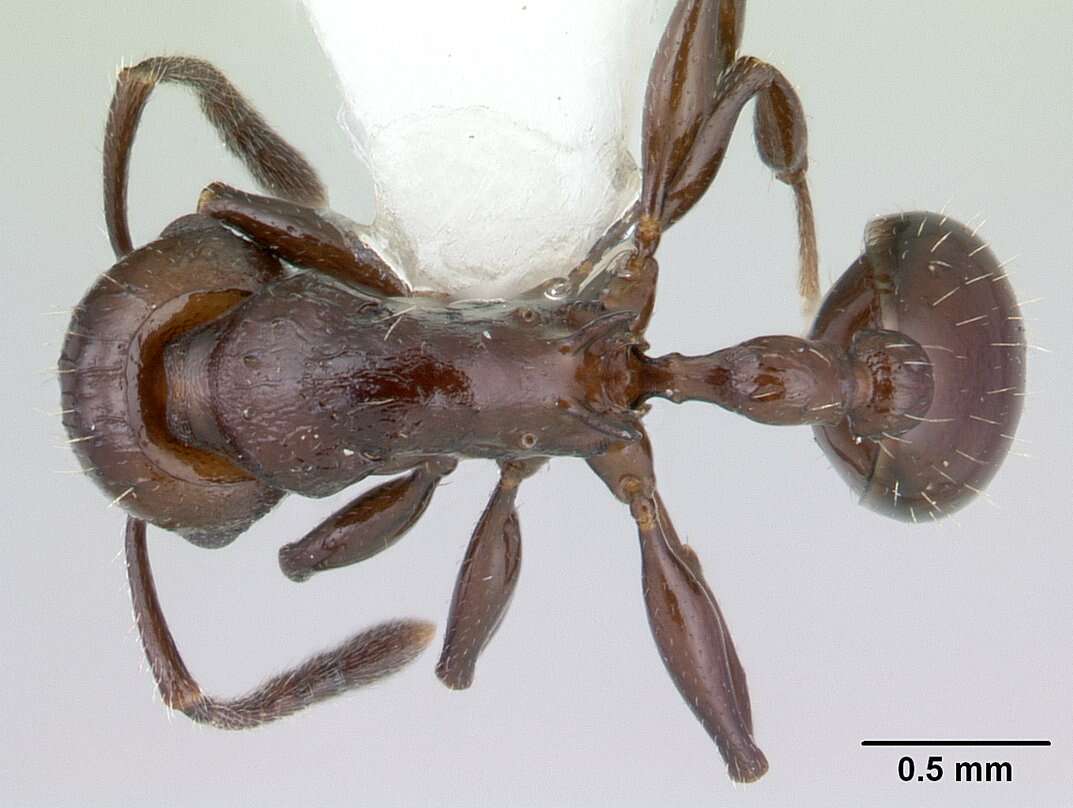
Vombisidris
Vombisidris is a genus of subarboreal and arboreal ants in the subfamily Myrmicinae. Its species are known from India to Queensland, Australia. Like most other arboreal ants, their biology remains unknown.
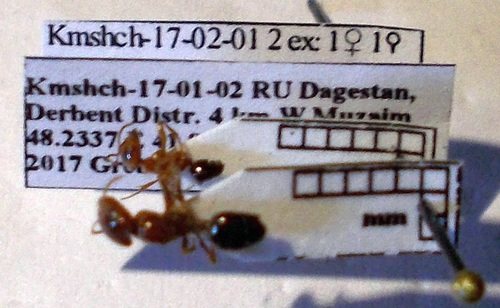
Rossomyrmex
Rossomyrmex is a genus of slave-making ant in the subfamily Formicinae. The genus consists of four species, each with a single host from the genus Proformica, and has a very wide range of distribution from China to southeastern Spain, from huge extended plains to the top of high mountains.
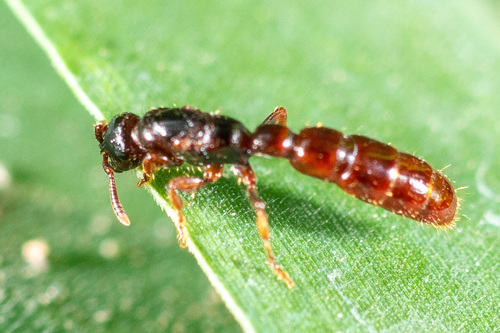
Acanthostichus
Acanthostichus is a predatory and predominantly subterranean genus of ant in the subfamily Dorylinae. They are found in the New World, from the southern United States to Uruguay, Paraguay and northern Argentina. They are probably common, but due to their subterranean nature, they are seldom collected or seen.
Cataulacus
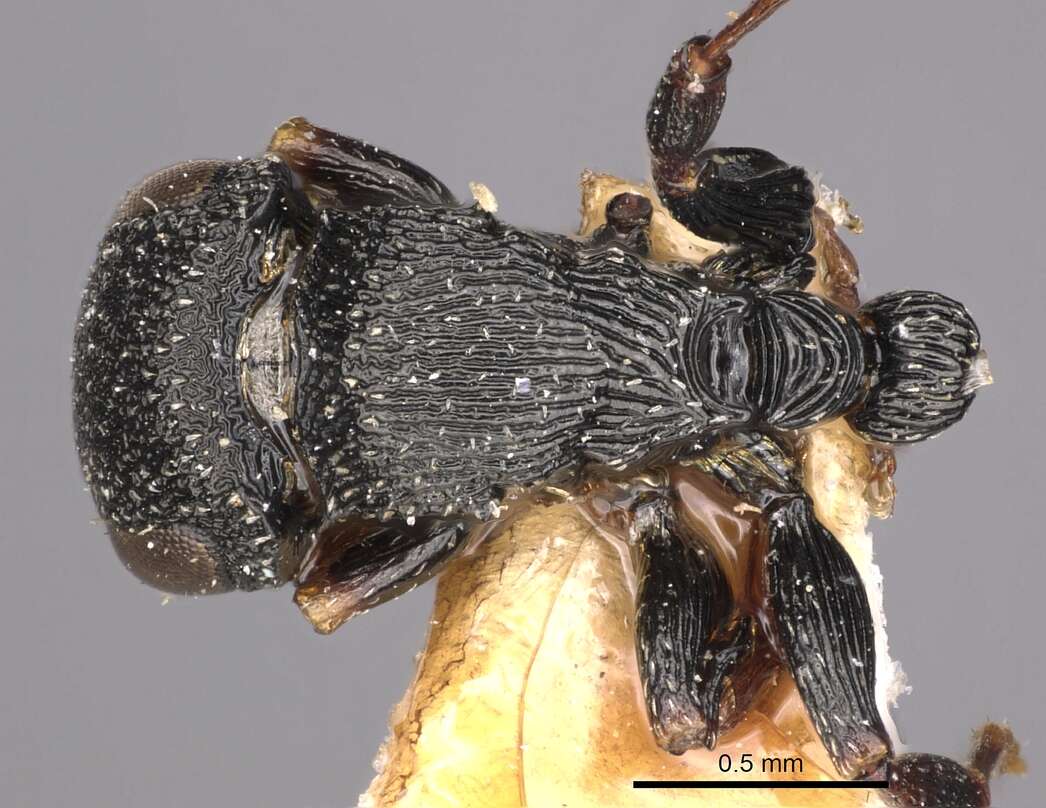
Cataulacus is a genus of ants in the subfamily Myrmicinae. The genus is distributed in the Paleotropical regions, mainly in the Afrotropics. Most species are found in forests, but a few are known from more open and arid habitats.

Myrmoteras
Myrmoteras is a genus of ants in the subfamily Formicinae and the sole member of the tribe Myrmoteratini. They have enormous eyes, a character found in other ancient genera, and extremely elongated mandibles with eight to 16 teeth. These work as trap-jaws and can open up to 270°.

Cerapachys
Cerapachys (common names include "raider ant" and "ant-raiding ant") is a genus of ants in the subfamily Dorylinae. Species are mainly myrmecophagous ants which raid the nests of other ants for prey. The genus is distributed widely throughout the Indomalayan region. The genus was revised by BoroWiec (2016) who split a number of previously synonymized genera out of Cerapachys, leaving only 5 species in the genus.

Harpagoxenus
Harpagoxenus is a genus of ants in the subfamily Myrmicinae. Found in the Palaearctic and Nearctic ecozones of the world, Harpagoxenus was first established as Tomognathus by Mayr (1861) to house the species Myrmica sublaevis (now Harpagoxenus sublaevis). However, the name had already been used (homonym) for a genus of fish, and was replaced with its current name by Forel (1893).

Ectatomma
Ectatomma is a Neotropical genus of ants in the subfamily Ectatomminae. The genus contains 17 described extant species and one extinct species.
Centromyrmex
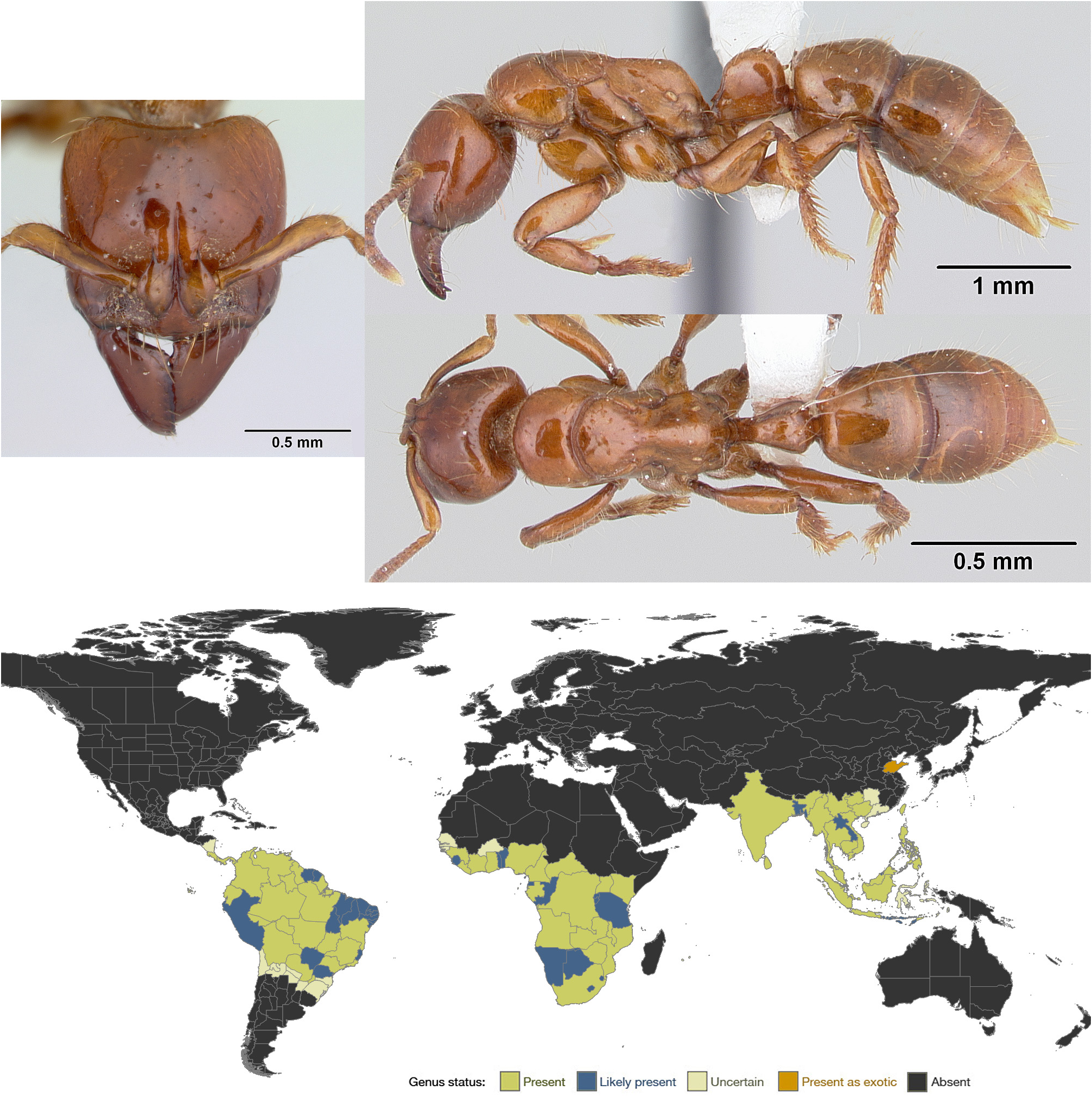
Centromyrmex is a pantropical, though mainly Afrotropical, genus of ants in the subfamily Ponerinae. This ponerine ant was recorded for the first time in French Guiana and the most northerly point of recording was in Costa Rica. The specimens reported here were collected in a region of Amazon Forest with flight interception traps.

Temnothorax
thumb|Temnothorax schaumii, Maryland
Temnothorax is a genus of ants in the subfamily Myrmicinae. It contains more than 500 species.

Melophorus
250px|thumbnail|Head view of ant Melophorus majeri specimen

Acanthognathus
Acanthognathus (Greek: = thorn, = jaw) is a genus of ants that are found in tropical Central and South America. There are 7 living species and 1 extinct species, Acanthognathus poinari, known only from fossil records.
Metapone
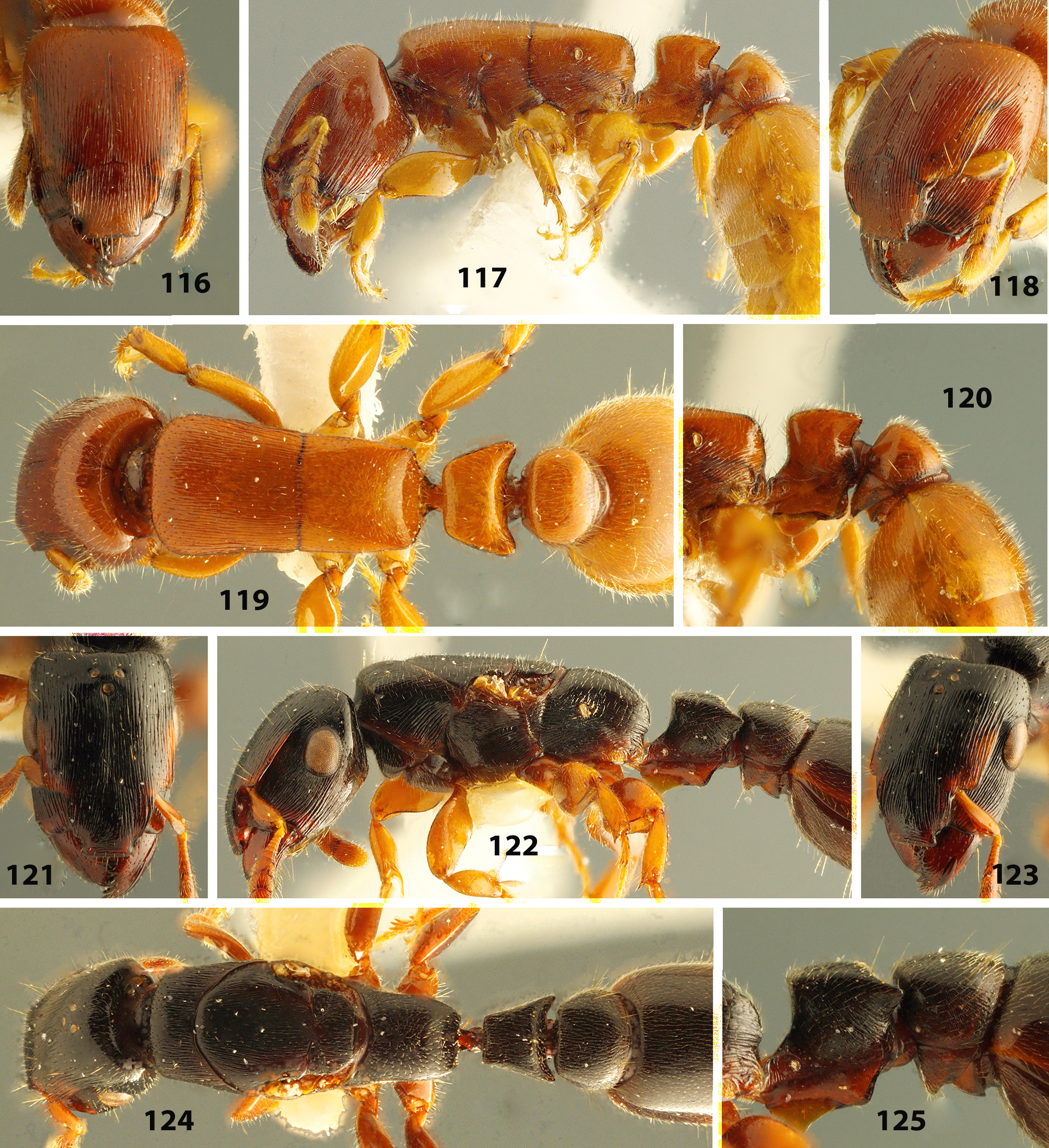
Metapone is an Old World genus of ants in the subfamily Myrmicinae. The genus is found in the Indo-Australian, Oriental and Malagasy regions. Most species are known only from a few specimens.

Cyphomyrmex
Cyphomyrmex is a genus of fungus-growing ants found primarily in South and Central America. However, some species do come up to the southern portion of North America. They grow a variety of fungi in the tribe Leucocoprineae. Most fungal gardens are grown in small nodules, some species to cultivate entire mycelium, though. Colonies are monogynous and are relatively small with about 100 workers on average.

Vollenhovia
Vollenhovia is a genus of ants in the subfamily Myrmicinae.

Stenamma
Stenamma is a genus of cryptic leaf-litter ants that occurs in mesic forest habitats throughout the Holarctic region, Central America, and part of northwestern South America (Colombia and Ecuador).
thumb|Stenamma chiricahua
Oxyopomyrmex
Oxyopomyrmex is a genus of ants in the subfamily Myrmicinae.
Technomyrmex
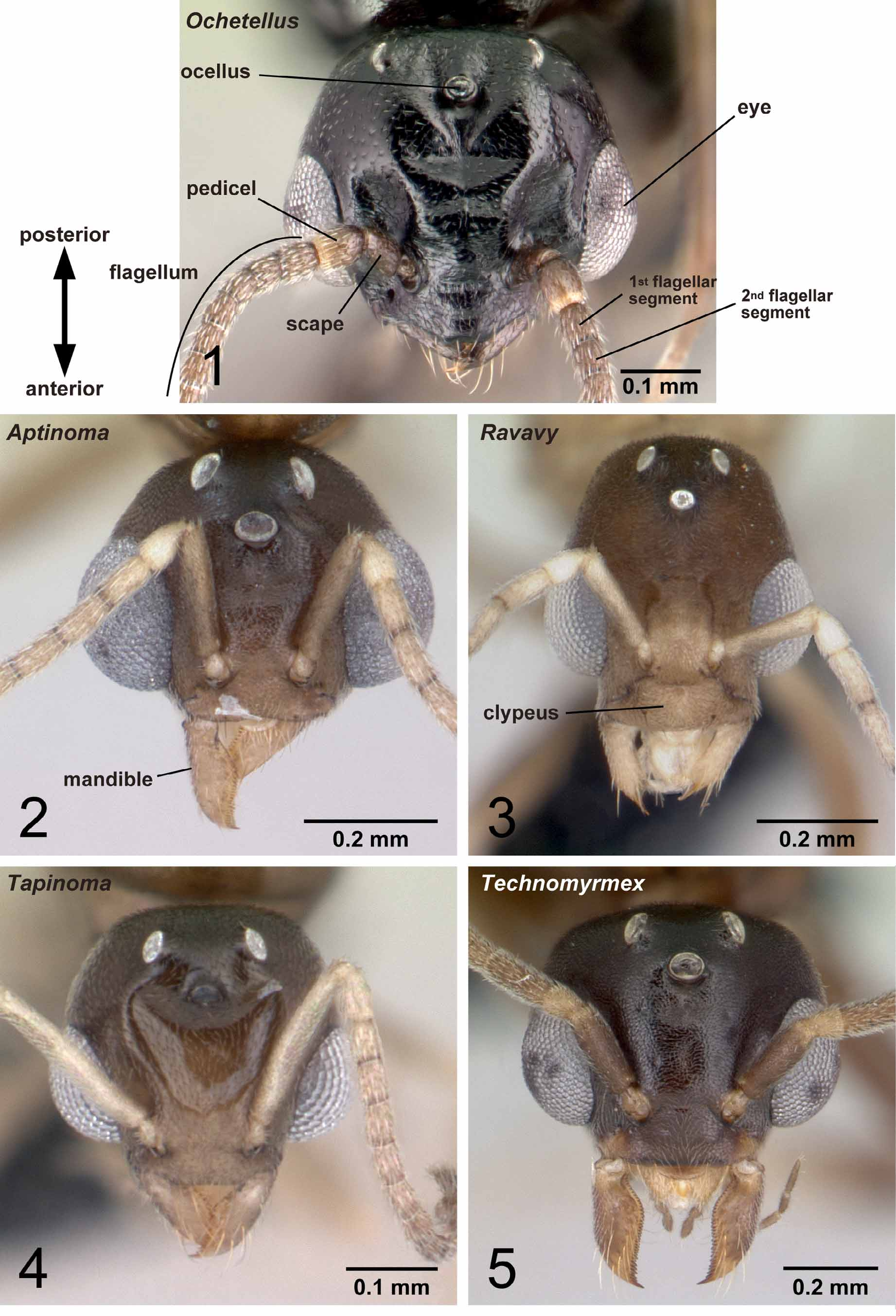
Technomyrmex is a genus of ants in the subfamily Dolichoderinae. With 98 species, it is one of the largest and most diverse ant genera in the Dolichoderinae. The genus distributed throughout the tropical and subtropical zones with most species occurring in the Oriental-Malesian and Afrotropical regions. One species, Technomyrmex albipes is a tramp ant now widespread throughout the tropics due to human activities.

Xenomyrmex
Xenomyrmex is a genus of small ants in the subfamily Myrmicinae. The genus is known from Florida (United States), the West Indies, and from Mexico to at least Panama. They nest in cavities of living or dead plants.

Melissotarsus
Melissotarsus is a rare African genus of ants in the subfamily Myrmicinae. They are known from the Afrotropics and Malagasy regions, where their nests are located in living wood, built by tunneling through the wood under the bark. They are rarely seen outside of their nests, which may contribute to their perceived rarity. However, they are considered pest insects because of damage they can cause to trees, including economically important ones such as mangos and trees in the family Burseraceae, including Aucoumea klaineana, Dacryodes buettneri, and Dacryodes edulis.
Cheliomyrmex
Cheliomyrmex is a New World genus of army ants in the subfamily Dorylinae. In Central America, C. morosus is known from Mexico to Honduras, and Panama. C. andicola, C. audax, C. ursinus and C. megalonyx are known from Colombia and further into South America.

Ocymyrmex
Ocymyrmex is an African genus of ants in the subfamily Myrmicinae, also commonly known as hotrod ants.

Myopias
Myopias is a genus of ants in the subfamily Ponerinae. The genus is known from the Oriental, Indo-Australian, and Australasian regions.
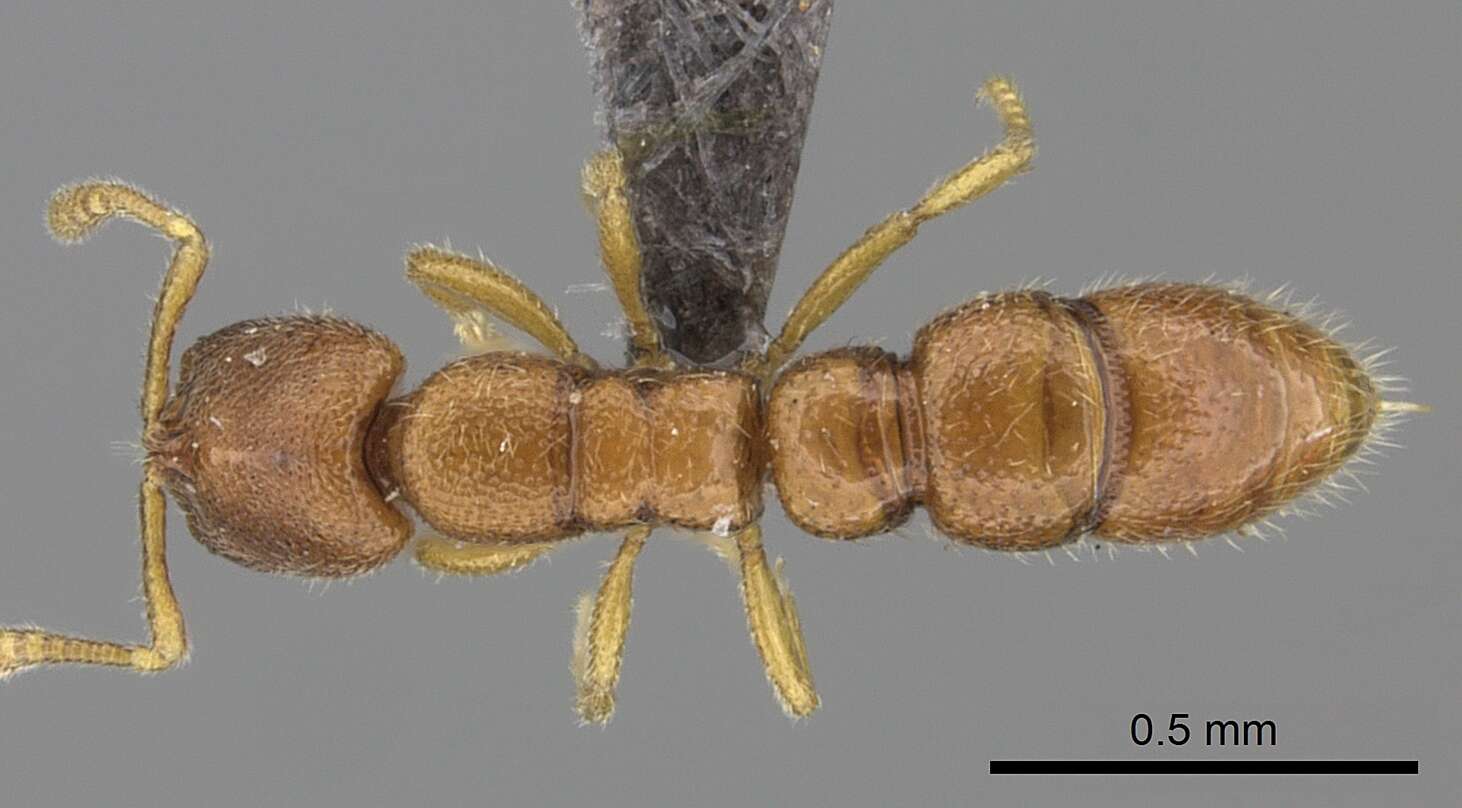
Prionopelta
Prionopelta is a genus of ants in the subfamily Amblyoponinae. Of its 15 species, four are known from Africa, five from the Americas and six from the Indo-Pacific region.
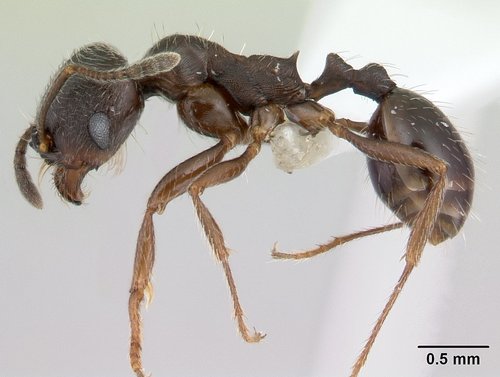
Goniomma
Goniomma is a genus of ants in the subfamily Myrmicinae.

Discothyrea
Discothyrea is a genus of small ants in the subfamily Proceratiinae. The genus is distributed in the tropics and subtropics throughout the world, where they usually nest in rotten wood, in the leaf litter, or under stones. Little is known about their biology, but ants in this genus are thought to be specialist predators of arthropod eggs and have been observed storing eggs in their nests (probably spider eggs).
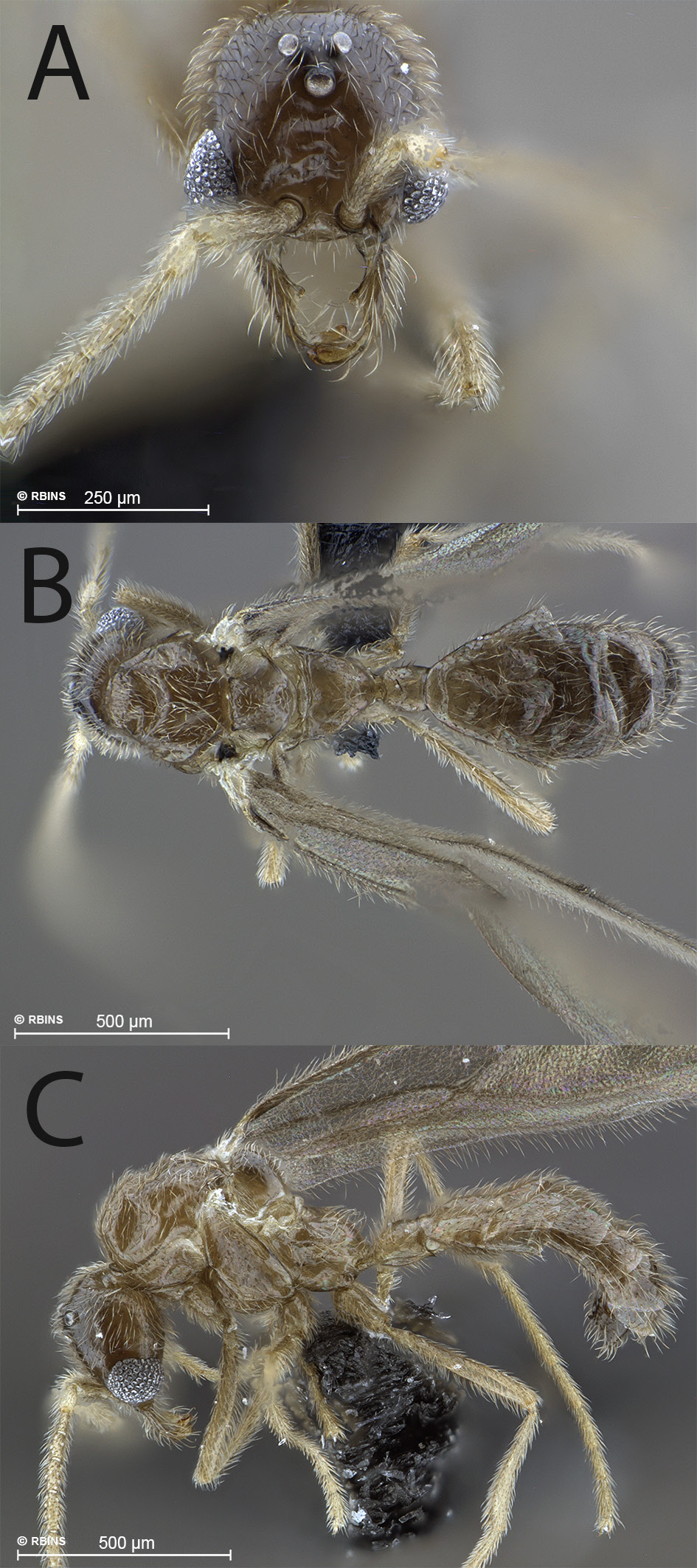
Leptanilloides
Leptanilloides is a genus of ants in the subfamily Dorylinae. Leptanilloides is an uncommonly collected genus with subterranean habits in the New World Andean and sub-Andean tropics.

Philidris
Philidris is a genus of ants in the subfamily Dolichoderinae. The genus is known from tropical forests from eastern India to northern Australia. It is similar to the genus Iridomyrmex, from where the type species was transferred from by Shattuck (1992).
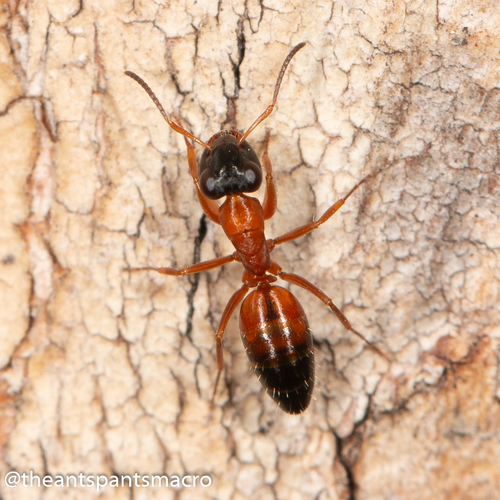
Opisthopsis
Opisthopsis is a genus of ants in the subfamily Formicinae. Its 13 species are found in Australasia.
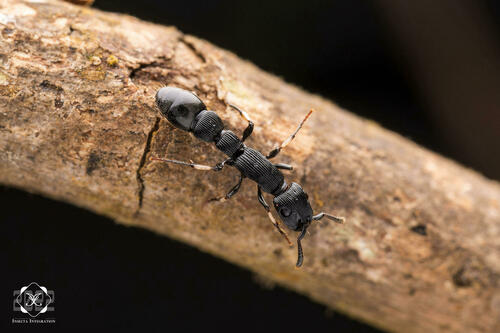
Cylindromyrmex
Cylindromyrmex is a Neotropical genus of ants in the subfamily Dorylinae.

Formicoxenus
Formicoxenus is a genus of ants in the subfamily Myrmicinae.
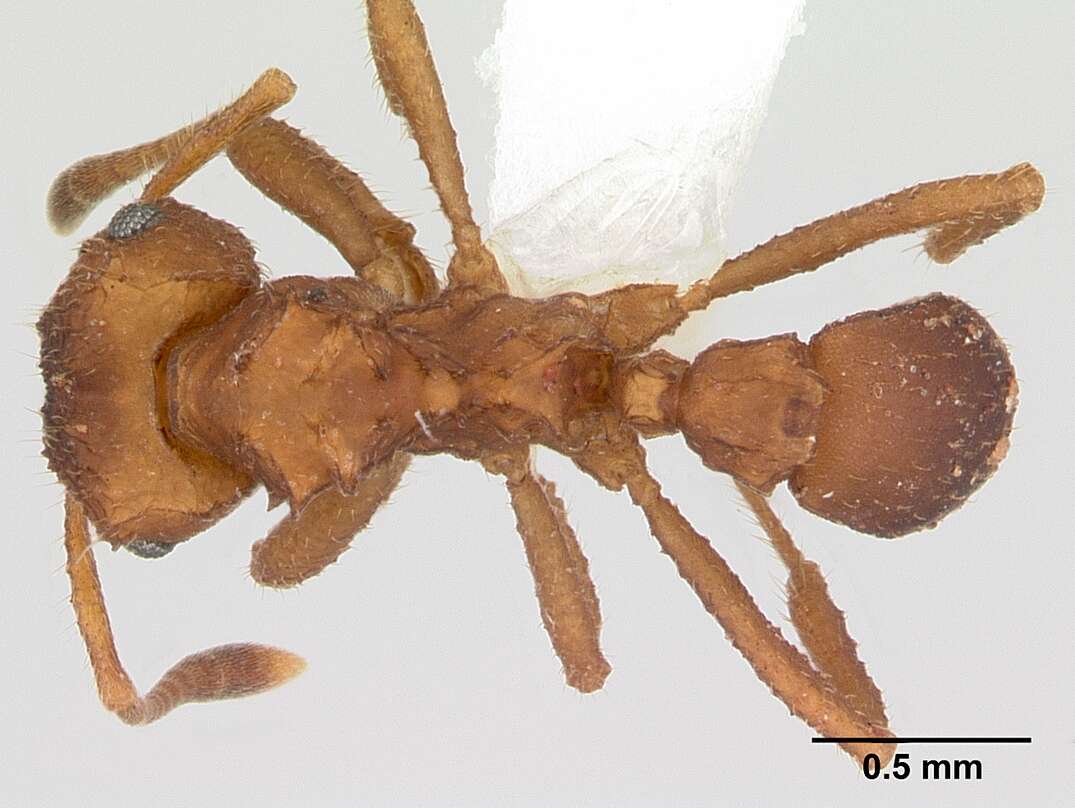
Mycocepurus
Mycocepurus is a Neotropical genus of fungus-growing ants (tribe Attini) in the subfamily Myrmicinae. The genus is known from Mexico, south to Brazil and Argentina. Like other attines, they primarily grow fungi of the tribe Leucocoprini (family Agaricaceae). They use many different substrates for growing their fungi, from dry leaves and caterpillar dung to fruit matter. One of its species, Mycocepurus smithii, which lives in South America, reproduces by cloning – all ants in a colony are clones of the queen. M. castrator is a parasite of M. goeldii.
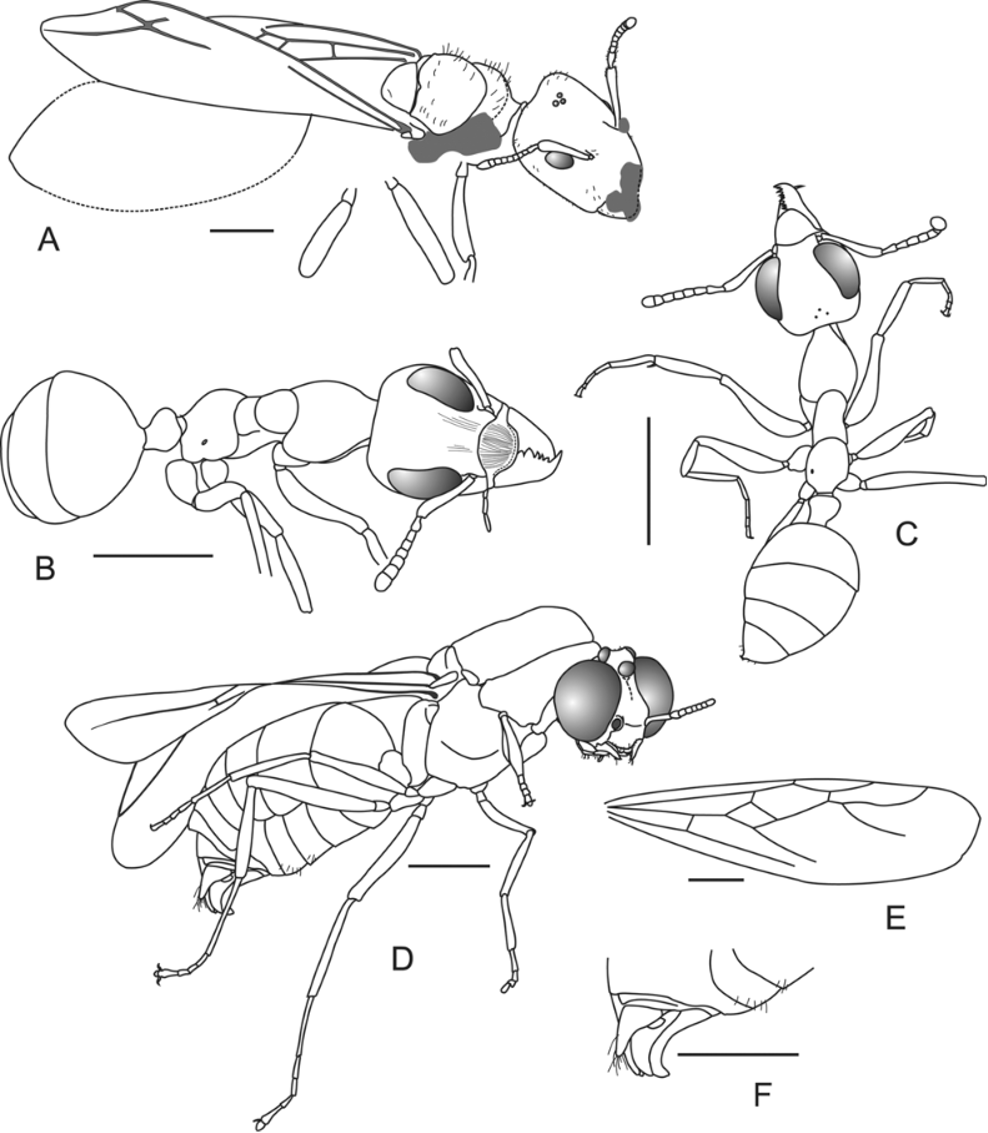
Gesomyrmex
Gesomyrmex is a genus of ants in the subfamily Formicinae. The genus contains six extant species, known from the Indomalayan realm, and nine fossil species. Of the extant species, four are known only from workers (G. chaperi, G. howardi, G. kalshoveni and G. spatulatus) and two only from females (G. luzonensis and G. tobiasi). The extinct species "G. expectans" and
"Gesomyrmex miegi", formerly placed in the genus, were excluded by Dlussky et al.., 2009.
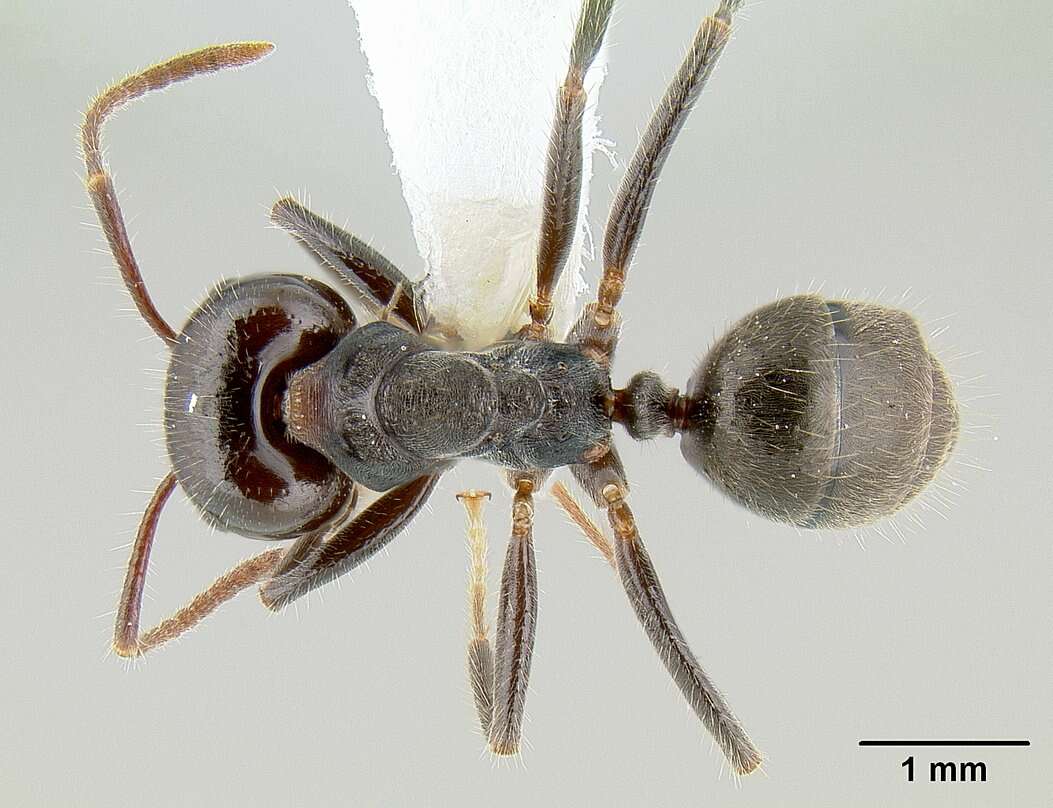
Notoncus
Notoncus is an Australian genus of ants in the subfamily Formicinae. The genus is known from Australia (one species is also known from Papua New Guinea), where the ants nest in the soil or on the ground under stones and logs in forested areas. The ants are also common in gardens and parks.
Myrmelachista
Myrmelachista is a Neotropical genus of ants in the subfamily Formicinae. The genus is found exclusively in the Neotropical realm. Little is known regarding their biology.

Labidus
Labidus is a genus of New World army ants in the subfamily Dorylinae. The genus is known from the United States to Argentina.
Allomerus
Allomerus is a Neotropical genus of small ants in the subfamily Myrmicinae. Its eight species are known from the forests of South America, where they live in plant cavities and structures.