Category
page 1Anti-Catholicism

Protestant Reformation
The Reformation, also known as the Protestant Reformation or the European Reformation, was a time of major theological movement in Western Christianity in 16th-century Europe that posed a religious and political challenge to the papacy and the authority of the Catholic Church hierarchy. Towards the end of the Renaissance, the Reformation marked the beginning of Protestantism. It is considered one of the events that signified the end of the Middle Ages and the beginning of the early modern period in Europe.
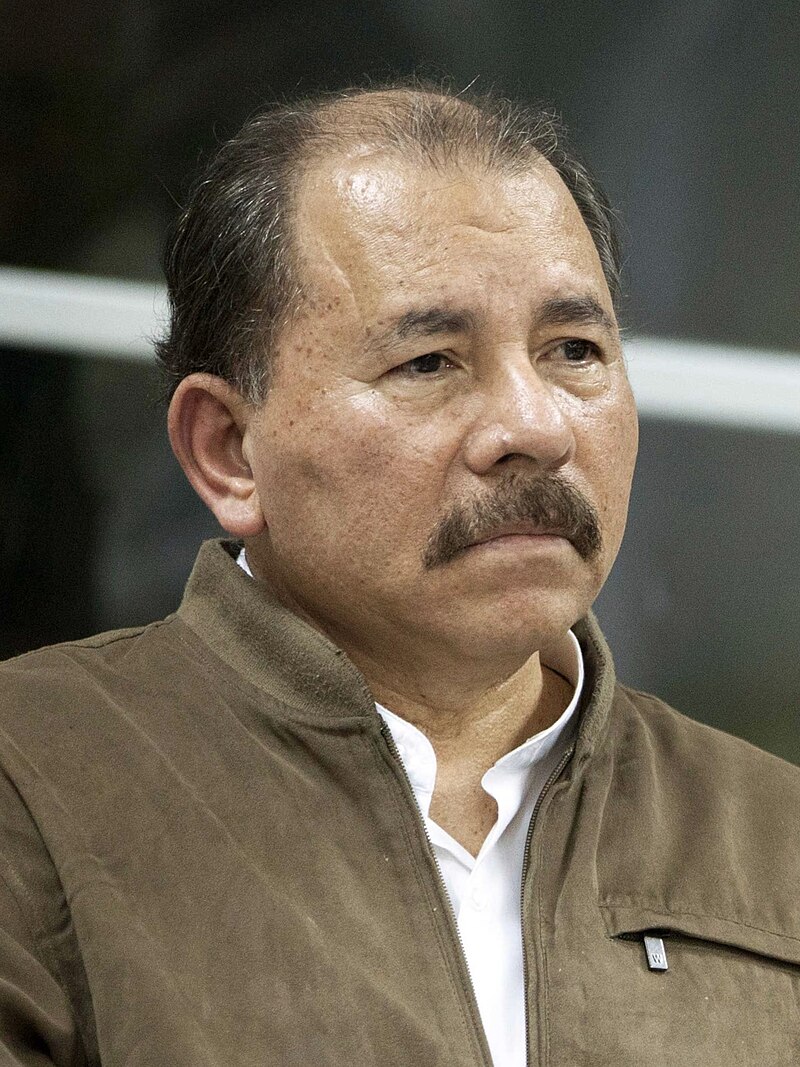
Daniel Ortega
Nicaraguan politician
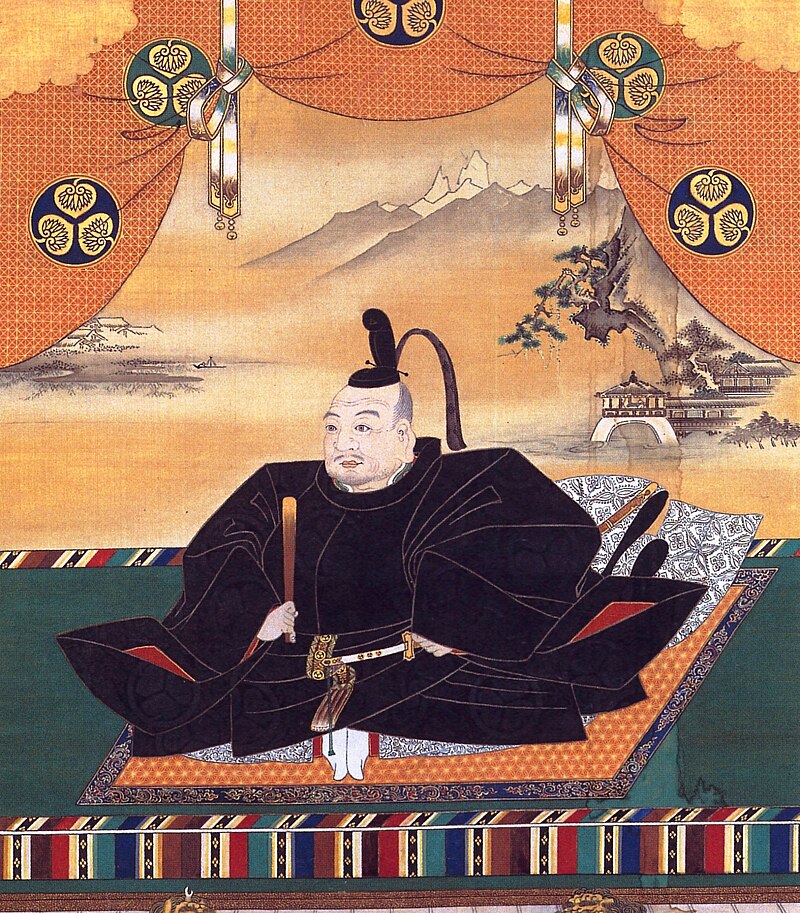
Tokugawa Ieyasu
founder and first shogun of the Tokugawa shogunate of Japan (1543–1616)
Elizabeth
1998 film by Shekhar Kapurr

Carbonari
The Carbonari () was an informal network of secret revolutionary societies active in Italy from about 1800 to 1831. The Carbonari may have further influenced other revolutionary groups in France, Portugal, Spain, Brazil, Uruguay, the Ottoman Empire, and Russia. Although their goals often had a patriotic and liberal basis, they lacked a clear immediate political agenda. They were a focus for those unhappy with the repressive political situation in Italy following 1815, especially in the south of the Italian peninsula. Members of the Carbonari, and those influenced by them, took part in importan
Islamic State – Khorasan Province
branch of the Islamic State operating in Afghanistan and Pakistan
slavophilia
Slavophilia () was a movement originating from the 19th century that wanted the Russian Empire to be developed on the basis of values and institutions derived from Russia's early history. Slavophiles opposed the influences of Western Europe in Russia. Depending on the historical context, the opposite of Slavophilia could be seen as Slavophobia (a fear of Slavic culture) or also what some Russian intellectuals (such as Ivan Aksakov) called zapadnichestvo (westernism).
For example:

Thomas Nast
American cartoonist (1840–1902)
Christian fundamentalism
British and American protestant movement opposed to modernist theology
.jpg)
anti-Catholicism
thumb|A notable 1875 editorial cartoon by Thomas Nast, a German immigrant to the United States who had been raised as a Catholic. It portrays bishops as crocodiles who are attacking public schools, with the connivance of Irish Catholic politicians. Published in Harper's Weekly, May 8, 1875|300x300px
Necip Fazıl Kısakürek
Turkish novelist, playwright, and Islamist conspiracy theorist (1904–1983)

fumi-e
thumb|A picture of Jesus used to reveal practicing Catholic Church|Catholics and sympathizers
thumb|A picture of the Virgin Mary
anti-Christian sentiment
hatred, or opposition toward Christianity and its practice
The Unholy
2021 film directed by Evan Spiliotopoulos
Red Terror
term used to talk about the repression in the republican zone during the Spanish Civil War
Pochvennichestvo
Pochvennichestvo ( ; , roughly "return to the native soil", from почва "soil") was a late 19th-century movement in Russia that tied in closely with its contemporary ideology, Slavophilia.
Great Apostasy
theory in some Christian churches
criticism of the Catholic Church
criticism of the doctrines and practices of the Catholic Church
Universal Church of the Kingdom of God
Brazilian Christian denomination (1977-)

Peshawar church bombing
Pakistani church bombing
Away from Rome!
anti-Catholic religious movement in Austria
Jesuit conspiracy theories
conspiracy theories about the members of the Society of Jesus
Black Legend of the Spanish Inquisition
Theory on propaganda
Turkish-Islamic synthesis
ideology involving Turkish nationalism and Islamism
Vatican conspiracy theories
various anti-Catholic conspiracy theories involving the Roman Catholic Church
historicism
Christianity
Mapuche Ancestral Resistance
Mapuche separatist organization
Catholic Persecution of 1801
mass persecution of Korean Catholics ordered by Queen Jeongsun during King Sunjo of Joseon's reign
Byeong-in Persecution
Korean Catholic persecution in 1866
Steven L. Anderson
American independent baptist pastor