Category
page 1Anti-Protestantism

Philippe Pétain
French military and political leader (1856–1951)

Vichy France
client state of Nazi Germany, administering the Free Zone in southern France and French colonial possessions (1940–1944)

Gunpowder Plot
failed assassination attempt against King James I of England and VI of Scotland

Joost van den Vondel
Dutch poet and writer (1587-1679)
Action Française
French royalist far-right movement
House of Guise
noble family
anti-Christian sentiment
hatred, or opposition toward Christianity and its practice
Pierre Gringore
French writer
Dumitru Stăniloae
Orthodox Christian theologian (1903-1993)
Russian Orthodox Army
insurgent group in Ukraine
Pochvennichestvo
Pochvennichestvo ( ; , roughly "return to the native soil", from почва "soil") was a late 19th-century movement in Russia that tied in closely with its contemporary ideology, Slavophilia.
Joseph MacRory
Catholic cardinal (1861-1945)
Irish Republican Army
1922-1969
Anti-Protestantism
thumb|The Protestants from the Tyrolean Zillertal valley who were forced to leave their home in 1837
Richard Rowlands
Anglo-Dutch antiquary, publisher, humorist and translator (1550–1640)
Vladimir Pecherin
Russian writer (1807-1885)
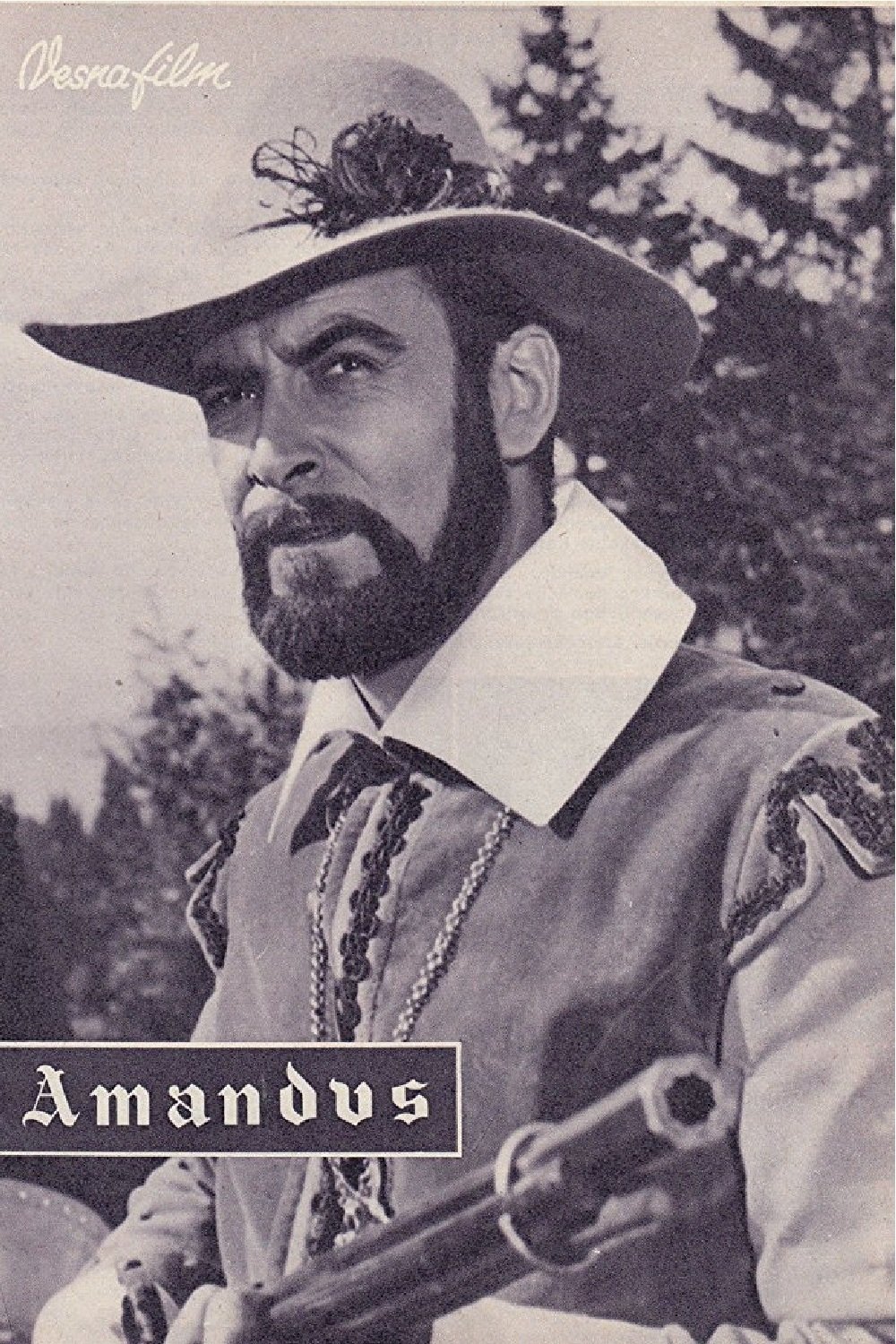
Amandus
1966 film by France Štiglic

Defenders
Roman Catholic agrarian secret society in 18th-century Ireland
Joaquín Sáenz y Arriaga
Mexican theologian
D. P. Moran
Irish journalist and activist (1869-1936)
Landmarkism
thumb|400px|Graph from The Trail of Blood, a popular Landmarkist book
Landmarkism, sometimes called Baptist bride theology, is a Baptist ecclesiology that emerged in the mid-19th century in the American South. It upholds the perpetuity theory of Baptist origins, which asserts an unbroken continuity and exclusive legitimacy of the Baptist movement since the apostolic period. Landmarkists hold a firm belief in the exclusive validity of Baptist churches and view non-Baptist liturgical forms and practices as invalid. This perspective caused significant controversy and division within the Baptist c