Category
page 1Antrodiaetidae
Antrodiaetidae
Antrodiaetidae, also known as folding trapdoor spiders or folding-door spiders, is a small spider family related to atypical tarantulas. They are found almost exclusively in the western and midwestern United States, from California to Washington and east to the Appalachian Mountains. Exceptions include Antrodiaetus roretzi and Antrodiaetus yesoensis, which are endemic to Japan and are considered relict species. It is likely that two separate vicariance events led to the evolution of these two species.
Antrodiaetus
Antrodiaetus is a genus of American and Japanese folding trapdoor spiders first described by Anton Ausserer in 1871. The name is a combination of the Greek "antrodiaitos" (αντροδιαιτος), meaning "living in caves", "antron" (αντρον), meaning "cave", and "diaita (διαιτα), meaning "way of life, dwelling".
Aliatypus
Aliatypus is a genus of North American folding trapdoor spiders first described by Chas. Piper Smith in 1908. They resemble members of Ctenizidae in morphology and behavior, but this is due to convergent evolution rather than direct relation. They are most closely related to members of Antrodiaetus, which build collar doors. It is likely that the shift from using collar doors to using trapdoors is what allowed them to survive in hot, dry conditions where their closest relatives could not.
Hexura
Hexura is a genus of American folding trapdoor spiders that was first described by Eugène Louis Simon in 1884.. Originally placed with Mecicobothriidae, it was moved to Antrodiaetidae in 2019.
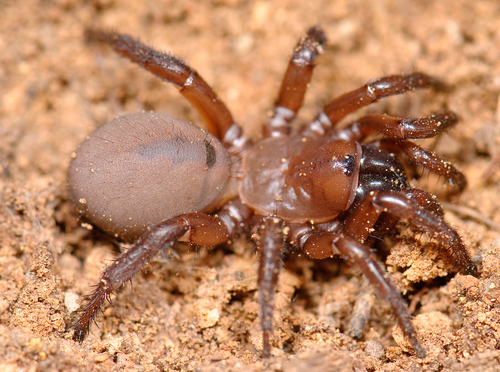
Antrodiaetus unicolor
species of arachnid

Antrodiaetus pugnax
species of arachnid
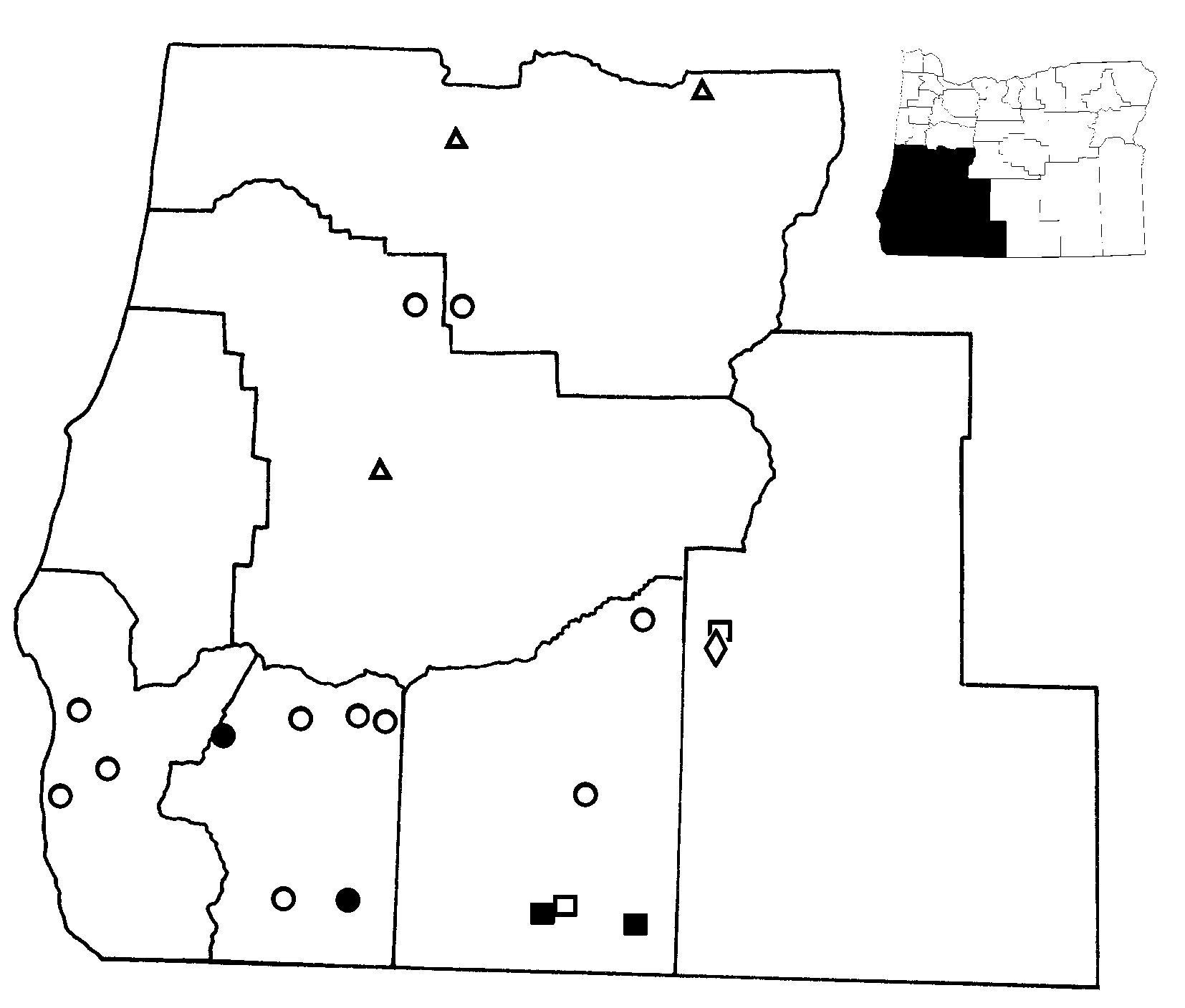
Antrodiaetus montanus
species of arachnid
Aliatypus californicus
species of arachnid
Antrodiaetus pacificus
species of arachnid
Antrodiaetus hageni
species of arachnid
Antrodiaetus gertschi
species of arachnid
Antrodiaetus lincolnianus
species of arachnid
Antrodiaetus microunicolor
species of arachnid