Category
page 1Apinae

Apinae
The Apinae are the subfamily that includes the majority of bees in the family Apidae. It includes the familiar "corbiculate" (pollen basket) bees—bumblebees, honey bees, orchid bees, stingless bees, and the extinct genus Euglossopteryx. It also includes all but two of the groups (excluding Nomadinae and Xylocopinae) that were previously classified in the family Anthophoridae.
Anthophora
The bee genus Anthophora is one of the largest in the family Apidae, with over 450 species worldwide in 14 different subgenera. They are most abundant and diverse in the Holarctic and African biogeographic regions. All species are solitary, though many nest in large aggregations. Nearly all species make nests in the soil, either in banks or in flat ground; the larvae develop in cells with waterproof linings and do not spin cocoons. Males commonly have pale white or yellow facial markings, and/or peculiarly modified leg armature and hairs. Anthophora individuals can be distinguished from the ve

Euglossini
The tribe Euglossini, in the subfamily Apinae, commonly known as orchid bees or euglossine bees, are the only group of corbiculate bees whose non-parasitic members do not all possess eusocial behavior.

Hairy-footed flower bee
species of insect
Anthophorini
The Anthophorini are a large tribe in the subfamily Apinae of the family Apidae. Species in this tribe are often referred to as digger bees, although this common name is sometimes also applied to members of the tribe Centridini. It contains over 750 species worldwide, all of which were previously classified in the obsolete family Anthophoridae along with members of several other tribes; the vast majority of species in the tribe Anthophorini are in the genera Amegilla and Anthophora.

Eucera longicornis
species of insect
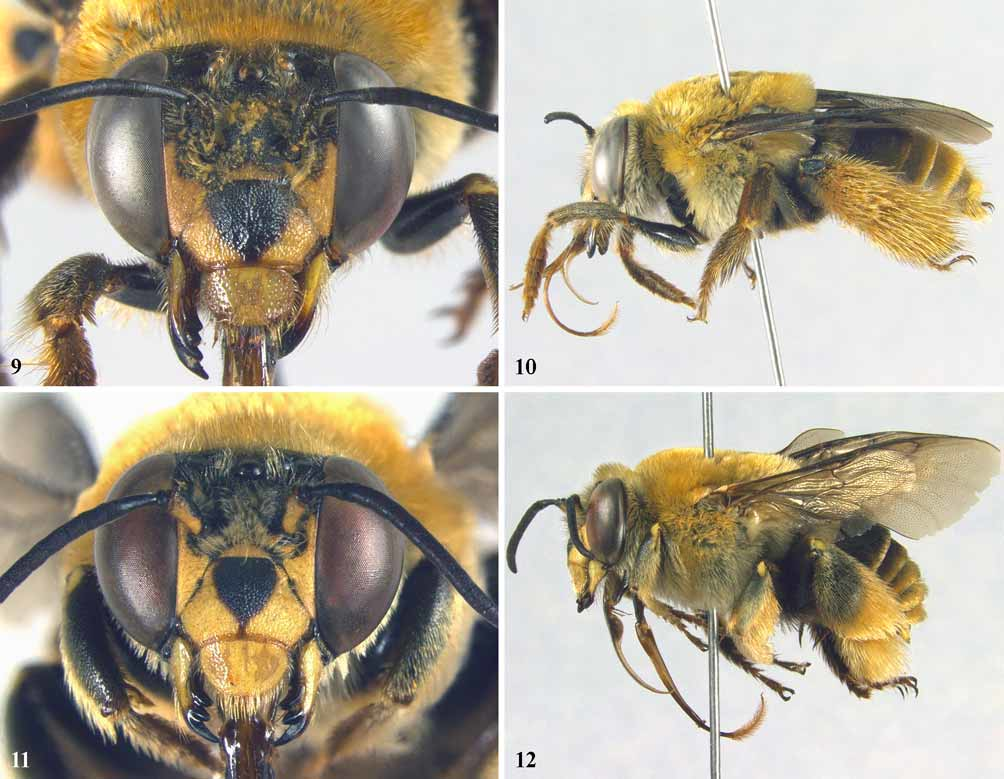
Centris
The genus Centris contains circa 250 species of large apid bees occurring in the Neotropical and Nearctic realms, from Kansas to Argentina. Most females of these bees possess adaptations for carrying floral oils rather than (or in addition to) pollen or nectar. They mainly visit plants of the family Malpighiaceae to collect oil, but also visit others such as Plantaginaceae, Calceolariaceae, and Krameriaceae. Recent studies have shown they are sister to the corbiculate bees, the most well-known and economically important group of bees.

Eucera
Eucera is a genus of bees in the family Apidae, which comprises more than 100 species. These bees are commonly known as long-horned bees due to their characteristically long antennae, especially in males. Eucera species can be found in diverse habitats, including meadows, fields, and urban gardens, primarily in the Palearctic and Nearctic regions, covering parts of Europe, Asia, North Africa, and North America.

Bombini
The Bombini are a tribe of large bristly apid bees which feed on pollen or nectar. Many species are social, forming nests of up to a few hundred individuals; other species, formerly classified as Psithyrus cuckoo bees, are brood parasites of nest-making species. The tribe contains a single living genus, Bombus, the bumblebees, and some extinct genera such as Calyptapis and Oligobombus. The tribe was described by Pierre André Latreille in 1802.

Anthophora bimaculata
species of insect
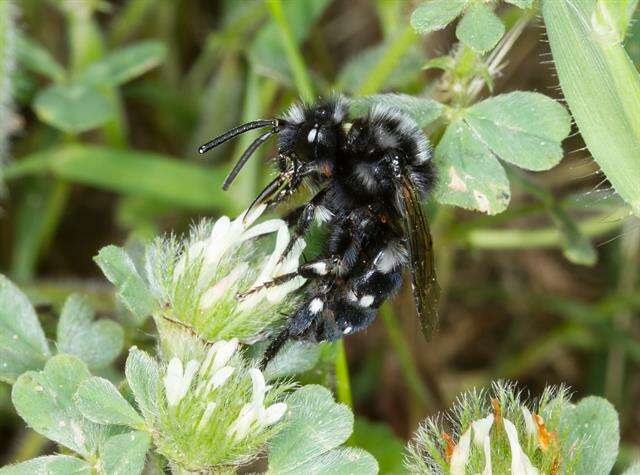
Melecta luctuosa
species of insect
.jpg)
Eucerini
The Eucerini (often called longhorn bees or long-horned bees) are the most diverse tribe in the family Apidae, with over 32 genera worldwide that were previously classified as members of the family Anthophoridae. All species are solitary, though many nest in large aggregations, and large "sleeping" aggregations of males are found occasionally. Most genera are distinctive in the unusually long male antennae from which the tribe derives its name (eucer- means true horned). They are most diverse in the Western Hemisphere.
Thyreus
Thyreus is an Old World genus of bees, one of many that are commonly known as cuckoo bees, or cloak-and-dagger bees, and are kleptoparasites of other species of bees, mostly in the genus Amegilla. They all have strongly contrasting patterns of coloration – three species from the Sydney region, Thyreus nitidulus, T. lugubris, and T. caeruleopunctatus are bright blue and black.
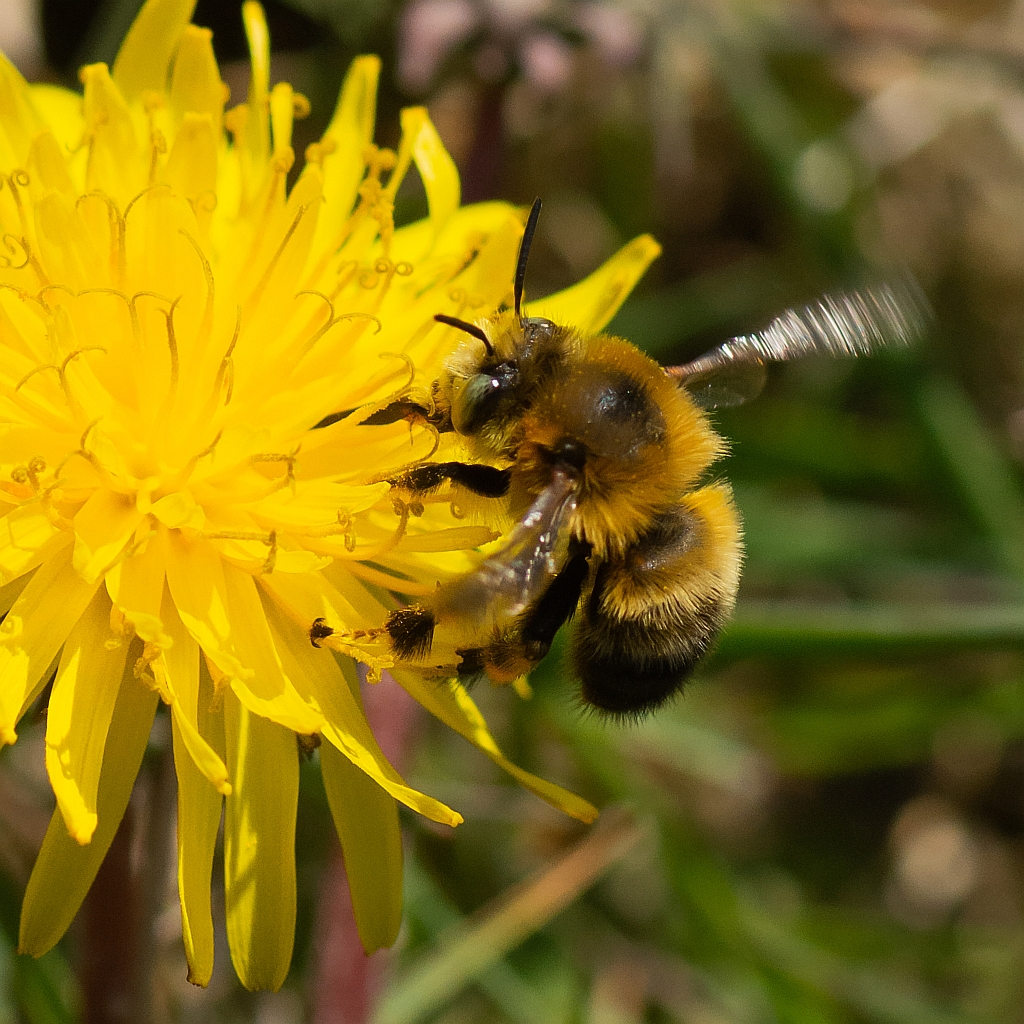
Anthophora retusa
species of insect
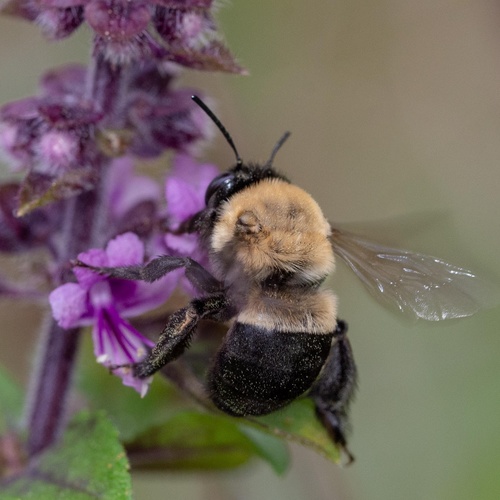
Habropoda laboriosa
species of insect

Centris pallida
species of insect

Melissodes bimaculata
species of insect

Melecta
thumb|Melecta albifrons
Melecta is a genus of cuckoo bees in the family Apidae. There are at least 50 described species in Melecta.

Xenoglossa strenua
species of insect

Melissodes tepaneca
species of insect
Melissodes rivalis
species of insect

Anthophora occidentalis
species of insect

Melissodes dentiventris
species of insect

Diadasia
Diadasia is a genus of bees in the family Apidae. Its species are oligolectic, specialized on a relatively small number of plant species.

Thyreus nitidulus
species of insect

Melissodes communis
species of insect

Leiopodus singularis
species of insect
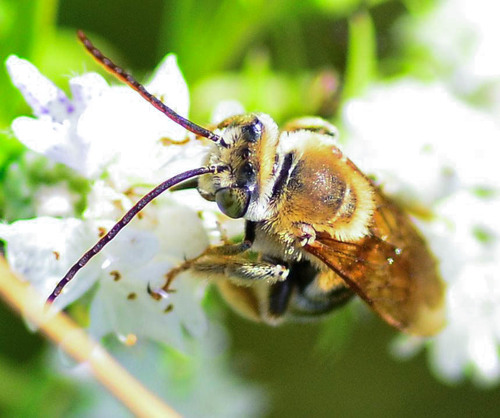
Melissodes comptoides
species of insect

Anthophora crotchii
species of insect
Eucera cinnamomea
species of insect

Svastra
Svastra is a genus of long-horned bees in the family Apidae. There are at least 20 described species in Svastra.
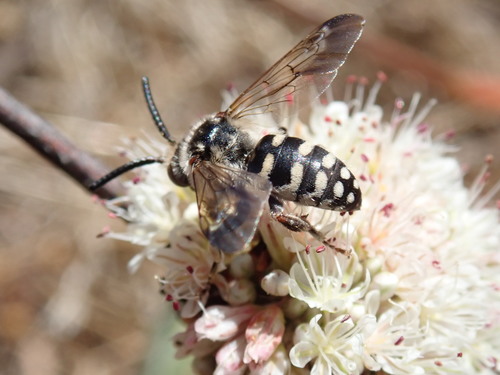
Xeromelecta californica
species of insect
Anthophora dispar
species of bee

Anthophora bomboides
species of insect
Thyreus elegans
species of bee

Melitoma
Melitoma is a genus of chimney bees in the family Apidae. There are about 13 described species in Melitoma. Found in the Nearctic and Neotropics.

Anthophora californica
species of insect
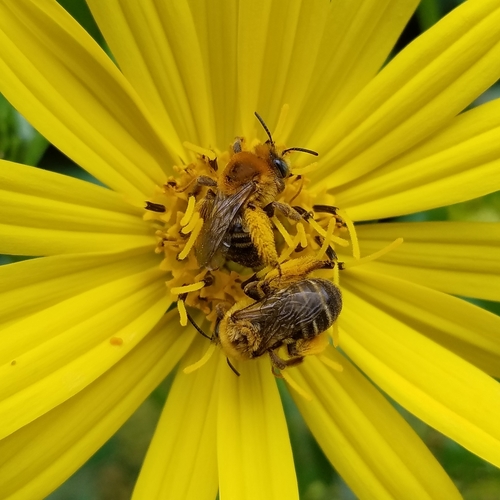
Melissodes trinodis
species of insect

Melissodes agilis
species of insect

Centris elegans
species of insect

Anthophora montana
species of insect

Melissodes druriella
species of insect

Anthophora abrupta
species of insect
Ptilothrix bombiformis
species of insect

Habropoda pallida
species of insect

Epicharis
genus of insects

Epeoloides
Epeoloides is a genus of cuckoo bees which lay their eggs in the nests of melittid bees of the genus Macropis. One species, Epeoloides pilosulus, is classified as Endangered by the State of Connecticut.
Centridini
The Centridini are a tribe of large apid bees, many of which possess adaptations for carrying floral oils rather than (or in addition to) pollen or nectar. The floral oils are often gathered from plants of the family Malpighiaceae, though other plants may be visited. The oil-collecting species typically have "combs" composed of closely spaced, flattened, blunt bristles on the margins of the first tarsal segments of the front and middle legs; others may have velvety "pads" to absorb the oils. They also commonly gather plant resins for use in nest cell construction. They have a tiny pterostigma
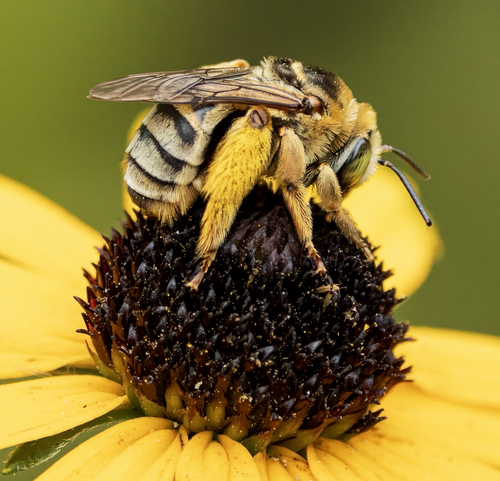
Svastra petulca
species of bee

Anthophora pacifica
species of insect
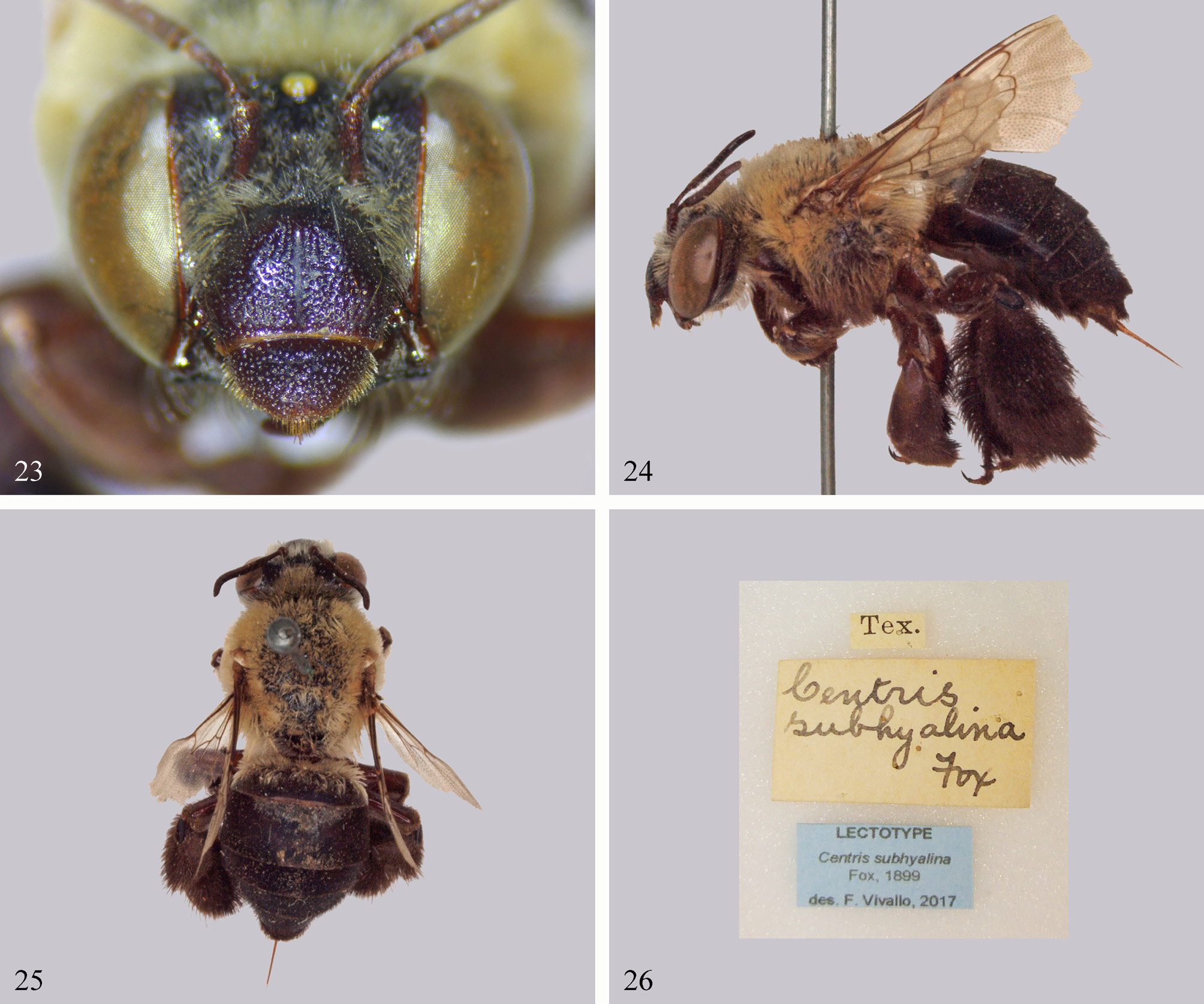
Centris lanosa
species of insect

Diadasia rinconis
species of insect
Anthophora fedorica
species of insect

Melissodes tristis
species of insect

Anthophora ursina
species of insect

Melissodes
Melissodes is the second largest genus of long-horned bees - named for the characteristically long antennae of males. Melissodes currently has 129 described species, all native to the Americas, from Canada in the North to Argentina in the South (though less common in the tropics).
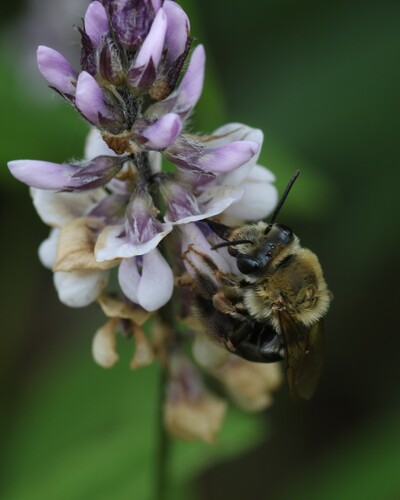
Eucera rosae
species of insect
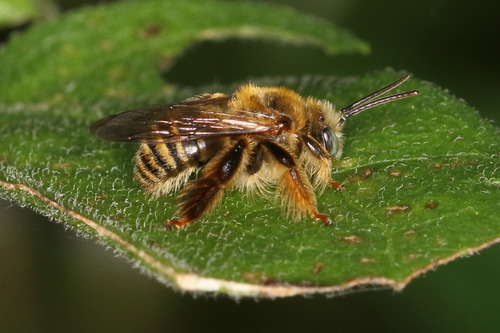
Exomalopsis mellipes
species of insect

Centris atripes
species of insect

Svastra texana
species of insect