Category
page 3Apinae
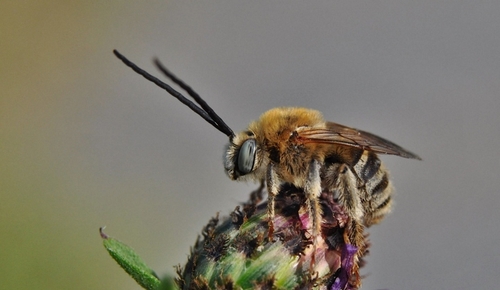
Tetraloniella dentata
species of insect
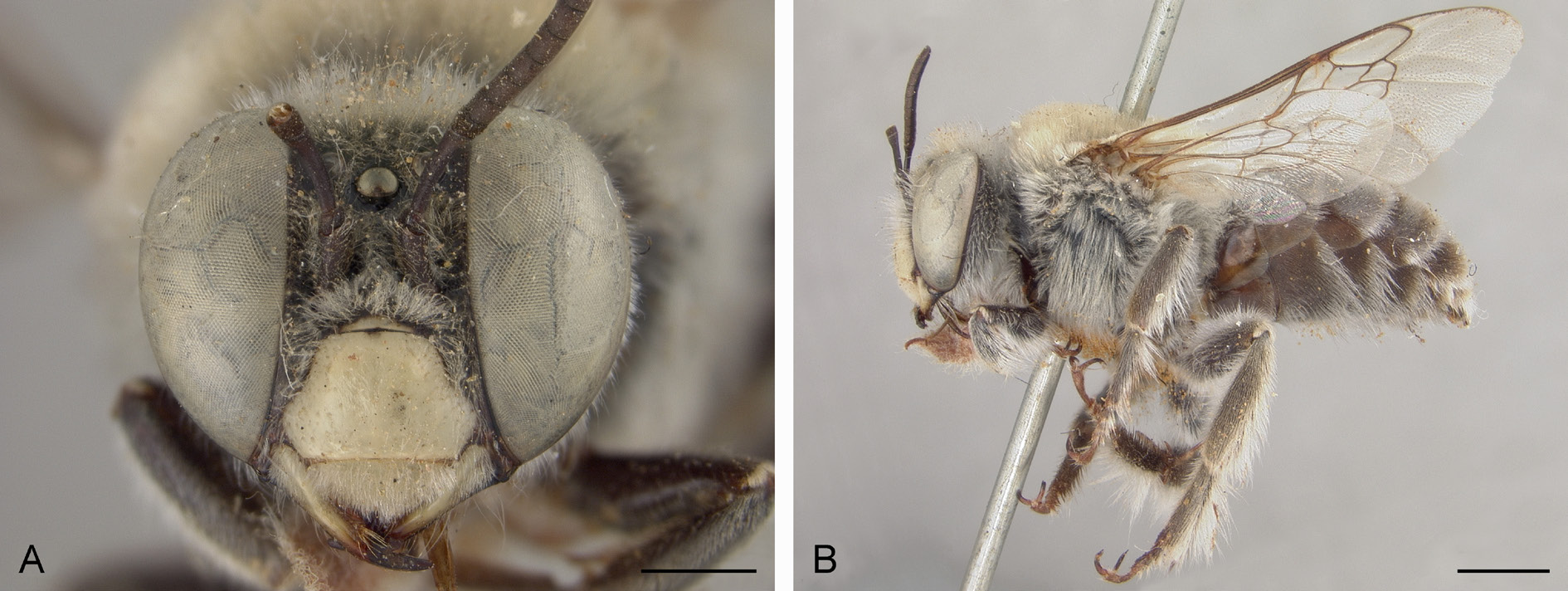
Centris hoffmanseggiae
species of insect
Syntrichalonia
Syntrichalonia is a genus of exquisite long-horned bees in the family Apidae. There are at least two described species in Syntrichalonia.

Anthophora centriformis
species of insect

Anthophorula completa
species of insect

Svastra machaerantherae
species of insect
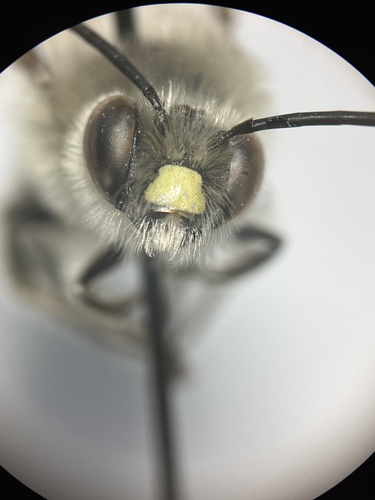
Eucera edwardsii
species of insect

Eucera cordleyi
species of insect
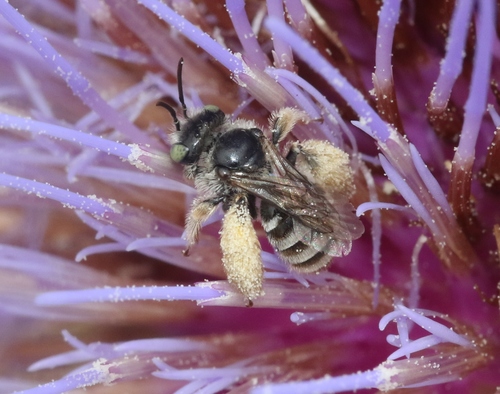
Anthophorula albicans
species of insect

Svastra sabinensis
species of insect
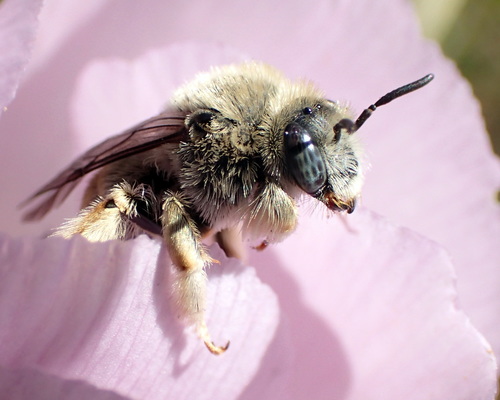
Diadasia ochracea
species of insect

Thyreus ramosellus
species of bee
Martinapis
Martinapis is a genus of long-horned bees in the family Apidae. There are at least three described species in Martinapis.
thumb|Martinapis luteicornis

Melecta edwardsii
species of insect
Osirini
The Osirini are a tribe of cuckoo bees in the family Apidae, all but one genus exclusively from the Neotropics, and laying their eggs in the nests of bees in the apid tribe Tapinotaspidini; the one exceptional genus is Epeoloides, which has one North American species and one European species, both of which attack the melittid genus Macropis.

Centris rhodopus
species of insect
Ctenoplectrini
The bee tribe Ctenoplectrini of the subfamily Apinae, with the two genera Ctenoplectra and Ctenoplectrina, comprises 9 species in tropical Africa, 10 in Asia, and 1 in Australia.

Anthophora edwardsii
species of insect

Habropoda tristissima
species of insect

Ericrocis lata
species of insect
Tetrapediini
The Tetrapediini are a tribe of apid bees.
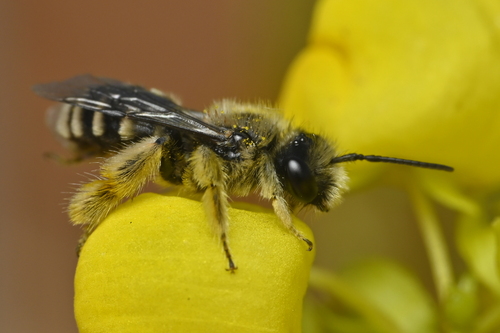
Chalepogenus
The genus Chalepogenus, consisting of 21 species of solitary oil-collecting apid bees, demonstrates oligolecty by foraging on oil-producing flowers from the families Calceolariaceae, Iridaceae and Solanaceae. These oil-flowers are abundant in South America, where Chalepogenus is endemic. In contrast to honey bees, Chalepogenus species do not collect nectar; instead, they gather floral oil for various purposes, including provisioning their larvae, constructing nests, and sustaining foraging adult bees. Although oil collection has been reported to be performed by females only, both males and fem
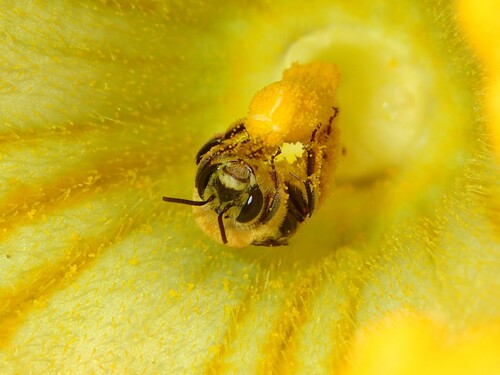
Xenoglossa kansensis
species of insect

Ericrocis
Ericrocis is a genus of cuckoo bees in the family Apidae. There are at least four described species in Ericrocis.
Thyreus insignis
species of bee

Anthophorula palmarum
species of insect
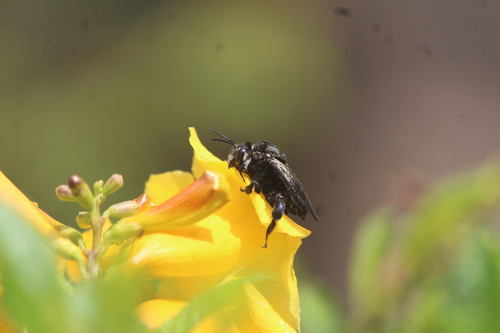
Mesoplia dugesi
species of insect

Tetraloniella eriocarpi
species of insect

Martinapis occidentalis
species of insect
Ptilothrix sumichrasti
species of insect

Xenoglossa
Xenoglossa is a genus of large squash bees in the family Apidae. There are about 11 described species in Xenoglossa.
Thyreus takaonis
species of bee

Tetraloniella lippiae
species of insect
Thyreus abdominalis
species of insect

Tetralonia fumida
species of bee
Melissodes verbesinarum
species of insect
Thyreus surniculus
species of bee
Tapinotaspidini
The 'Tapinotaspidini' are a tribe of apid bees. They belong to the order Hymenoptera and the family Apidae. The Tapinotaspidini tribe consists of 180 different species. Many species of Apidae are recognised as oil-collecting bees and Tapinotaspidini possess this oil-collecting behaviour. It is maintained that mutualism exists between oil secreting flowers and oil collecting Tapinotaspidini bees. Morphological and molecular phylogenies have found that the trait of oil-collecting is polyphyletic. Tapinotaspidini are solitary bees which collect oil sources from flowers belonging to the families o
Emphorini
The Emphorini are a tribe of apid bees.
Rhathymini
The Rhathymini are a tribe of kleptoparasitic apid bees ("cuckoo bees").
Nanorhathymus
Nanorhathymus is a genus of cuckoo bees belonging to the tribe Rhathymini.