Category
page 1Apoidea genera

Xylocopa
genus of insects

Ammophila
genus of insects

Sphex
Sphex is a genus of cosmopolitan wasp that sting and paralyze prey insects. Sphex is one of many genera in the old digger wasp family Sphecidae (sensu lato), though most apart from the Sphecinae have now been moved to the family Crabronidae. There are over 130 known Sphex species.
Sceliphron
thumb|thumbtime=8|A Sphecidae wasp, probably [[Sceliphron caementarium, investigates two squash bugs, but does not attempt capture to provision its nest.]]

Beewolf
Beewolves (genus Philanthus), also known as bee-hunters or bee-killer wasps, are solitary, predatory wasps, most of which prey on bees, hence their common name. The adult females dig tunnels in the ground for nesting, while the territorial males mark twigs and other objects with pheromones to claim the territory from competing males.
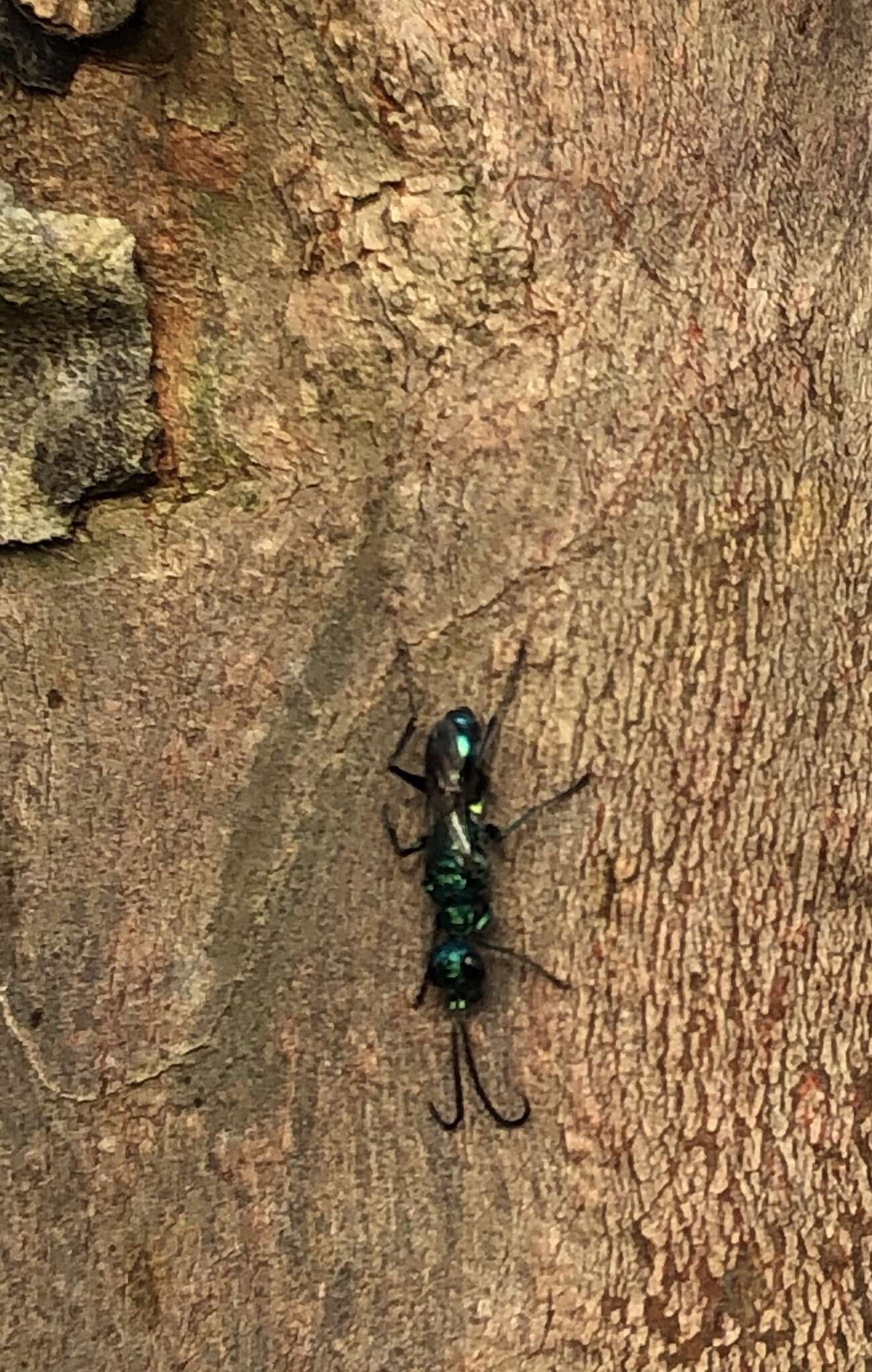
Ampulex
Ampulex is a large cosmopolitan genus of wasps belonging to the family Ampulicidae. Most of the >130 species occur in the tropics, particularly in the Old World, and fewer than 15 are known from the New World; fewer than 5 species are native to Europe or the United States, though the Old World species Ampulex compressa has spread to virtually everywhere that its host roaches (esp. the genus Periplaneta) can be found. The few species whose biology is known are parasitoids of cockroaches; they typically inject venom into the roach that subdues or immobilizes it, and then lay one to two eggs betw

Cerceris
__NOTOC__

Bembix
Bembix is a large cosmopolitan genus of large, often brightly colored predatory sand wasps, consisting of about 380 species.
thumb|left|Sand wasp in its habitat, Dar es Salaam, Tanzania
thumb|Bembix oculata female at her nest
.jpg)
Podalonia
Podalonia is a genus of parasitoidal wasps in the family Sphecidae.
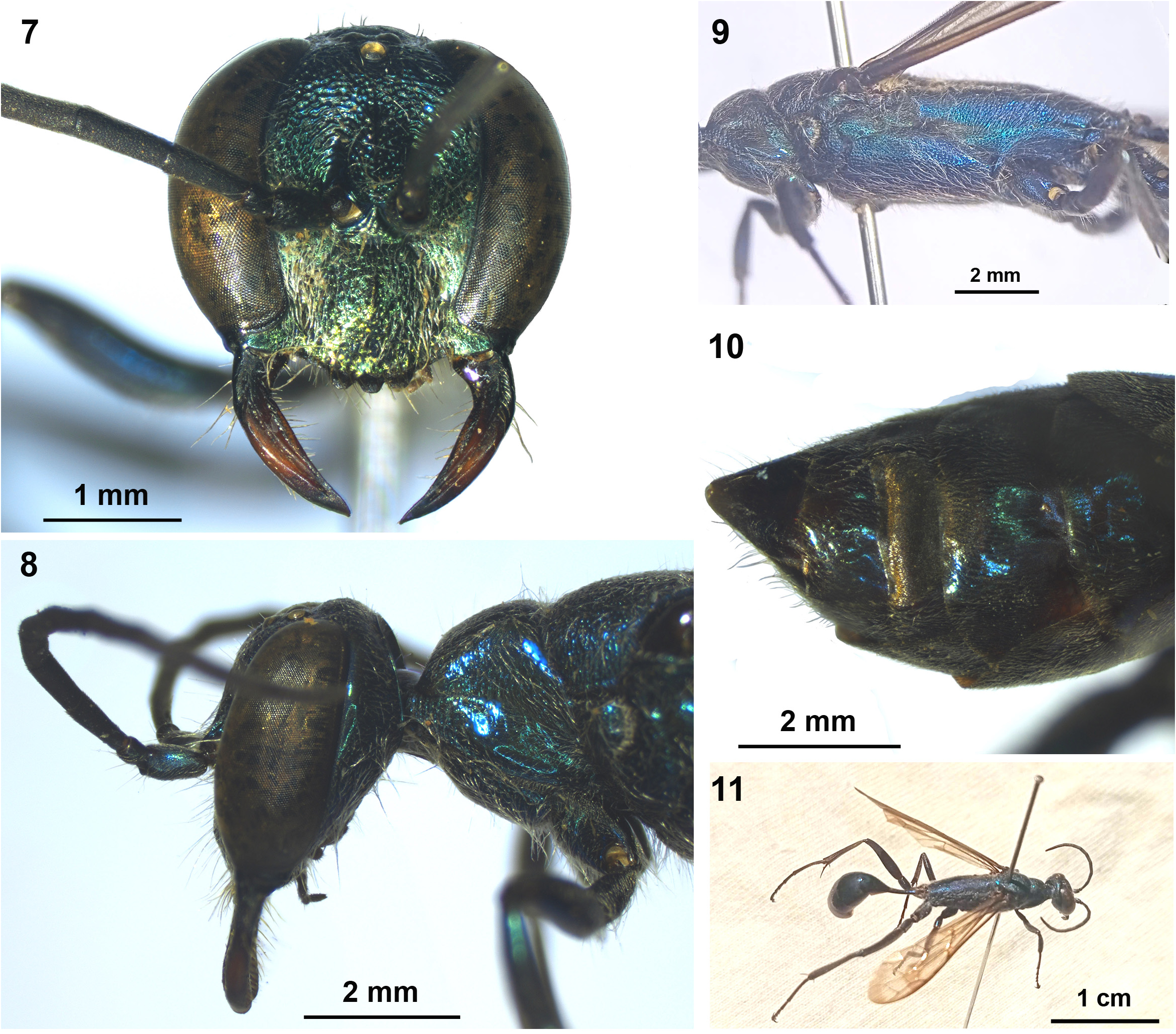
Chalybion
Chalybion is a genus of blue mud dauber wasps in the family Sphecidae. Chalybion species nest in a wide range of natural and artificial cavities such as holes in wood, walls, plant stems, etc., where they typically provision their brood cells with paralyzed spiders. They also reuse old nests of other wasps like Trypoxylon and Sceliphron.

Crossocerus
thumb|Crossocerus nitidiventris

Crabro
Crabro is a genus of square-headed wasps belonging to the family Crabronidae. There are at least 80 described species in Crabro, found in the Nearctic and Palaearctic (Holarctic).

Ectemnius
thumb|Ectemnius maculosus
thumb|Ectemnius cephalotes at a nest entrance
Ectemnius is a genus of wasps in the family Crabronidae. 188 species are known.
The genus is found around the world but Australia has only two species.

Prionyx
thumb
thumb
Prionyx is a genus of wasps in the family Sphecidae. They are known to hunt and feed on grasshoppers.
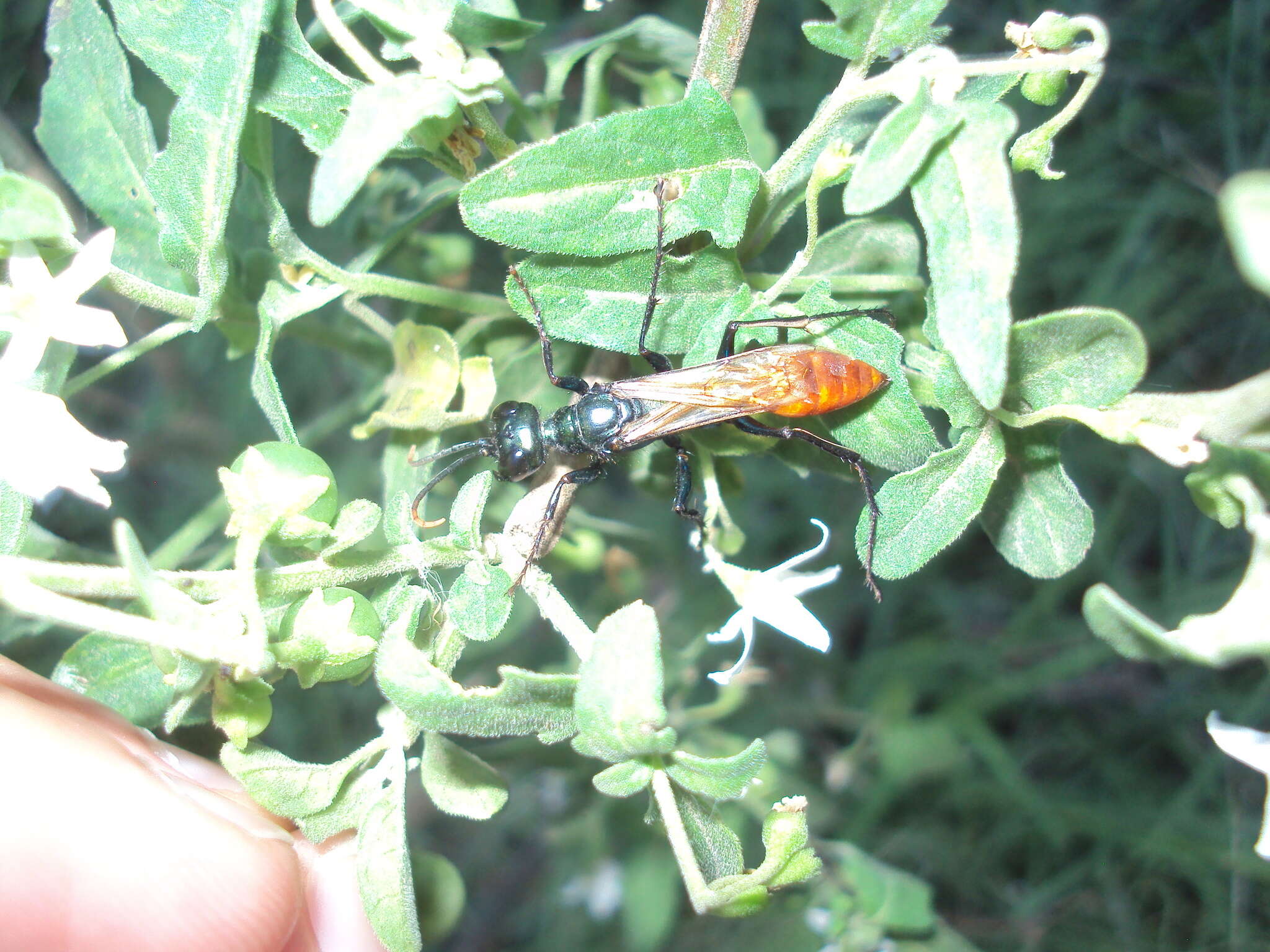
Chlorion
Chlorion is a genus of parasitoid wasps in the family Sphecidae. Species have been recorded from the Americas, Africa and tropical Asia through to Java; they appear to prey mostly on Orthopteran insects.

Trypoxylon
thumb|Trypoxylon collinum pupa
thumb|Trypoxylon collinum adult
Heterogyna
Heterogynaidae is a minor and disputed lineage (only eight described species in a single genus, Heterogyna) of small spheciform wasps occurring in Madagascar, Botswana, Turkmenistan, Oman, the United Arab Emirates, and the Eastern Mediterranean area. The majority are dark in color and range in size from approximately 1.5 to 5.0 mm. Most specimens have been collected in arid climates, but one species from Madagascar is known to occur in a humid forest habitat. Although males have functional wings, heterogynaid females are typically brachypterous, a trait which is unique among spheciform wa

Isodontia
thumb|right|Larva of Isodontia sp. found in twig nest with katydid prey

Podium
genus of insects

Palmodes
Palmodes is a genus of thread-waisted wasps in the family Sphecidae. There are more than 20 described species in Palmodes.
.jpg)
Gorytes
thumb|Gorytes laticinctus

Hoplisoides
Hoplisoides is a genus of sand wasps in the family Bembicidae. There are at least 70 described species in Hoplisoides.
thumb|Hoplisoides tricolor
thumb|Hoplisoides, prey of Xysticus, crab spider
Eremochares
Eremochares is a genus of wasps in the family Sphecidae.

Dolichurus
Dolichurus is a genus of cockroach wasps in the family Ampulicidae; they are generally found on dead wood, leaf litter, or on tree trunks. There are at least 50 described species in Dolichurus.

Nysson
Nysson is a Holarctic genus of kleptoparasitic wasps in the family Bembicidae. Over 100 species are known.

Tachysphex
Tachysphex is a genus of square-headed wasps in the family Crabronidae. There are over 450 described species in Tachysphex.
Astata
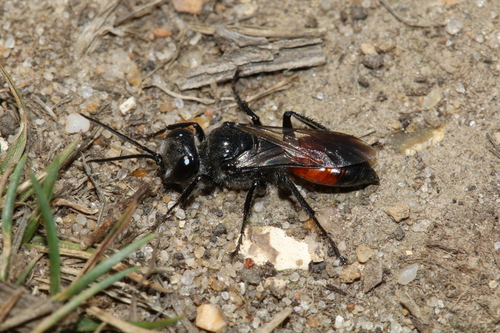
Astata is a cosmopolitan genus of solitary predatory wasps in the family Astatidae. They are known to prey on adults and nymphs of Pentatomidae. Astata is the largest genus in this subfamily, and is identified by features of its wing venation. The males of this genus and the related genus Dryudella have very large compound eyes that broadly meet at the top of the head.

Mellinus
thumb|Mellinus arvensis, the Netherlands

Psen
Psen is a genus of aphid wasps in the family Psenidae.
Dryudella
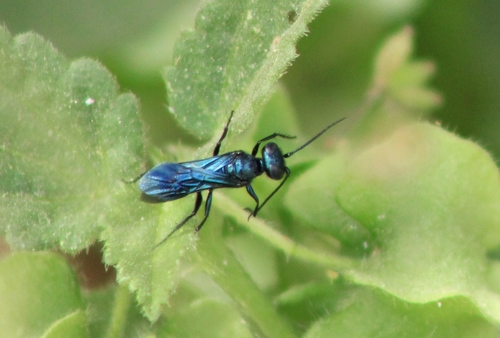
Dryudella is a genus of wasps in the family Astatidae. There are more than 50 described species in Dryudella.

Alysson
genus of insects
Mimumesa
Mimumesa is a genus of wasps in the family Psenidae.

Bembecinus
thumb|Bembecinus quinquespinosus
Stizus
thumb|S. fuscipennisKwa-Zulu Natal, [[South Africa]]
Stizus is a genus of sand wasps belonging to the family Bembicidae. There are over 100 species.
Lindenius
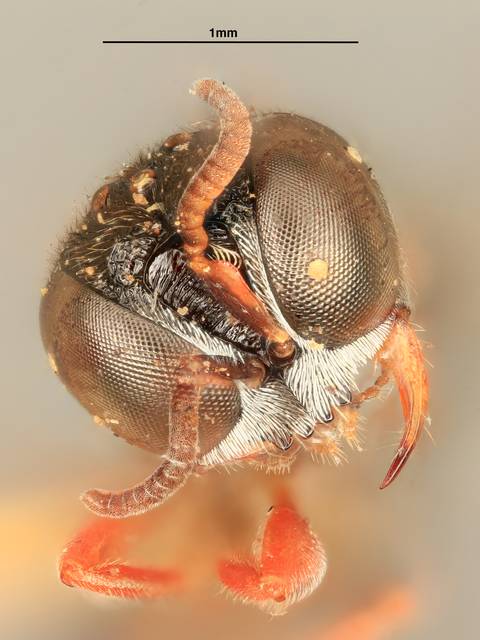
Lindenius is a genus of wasps in the family Crabronidae. Most species are found in the Palearctic; a few are Nearctic. 63 species are known
Harpactus
Harpactus is a genus of hunting wasps in the tribe Bembicini.
Liris
genus of insects
Psenulus
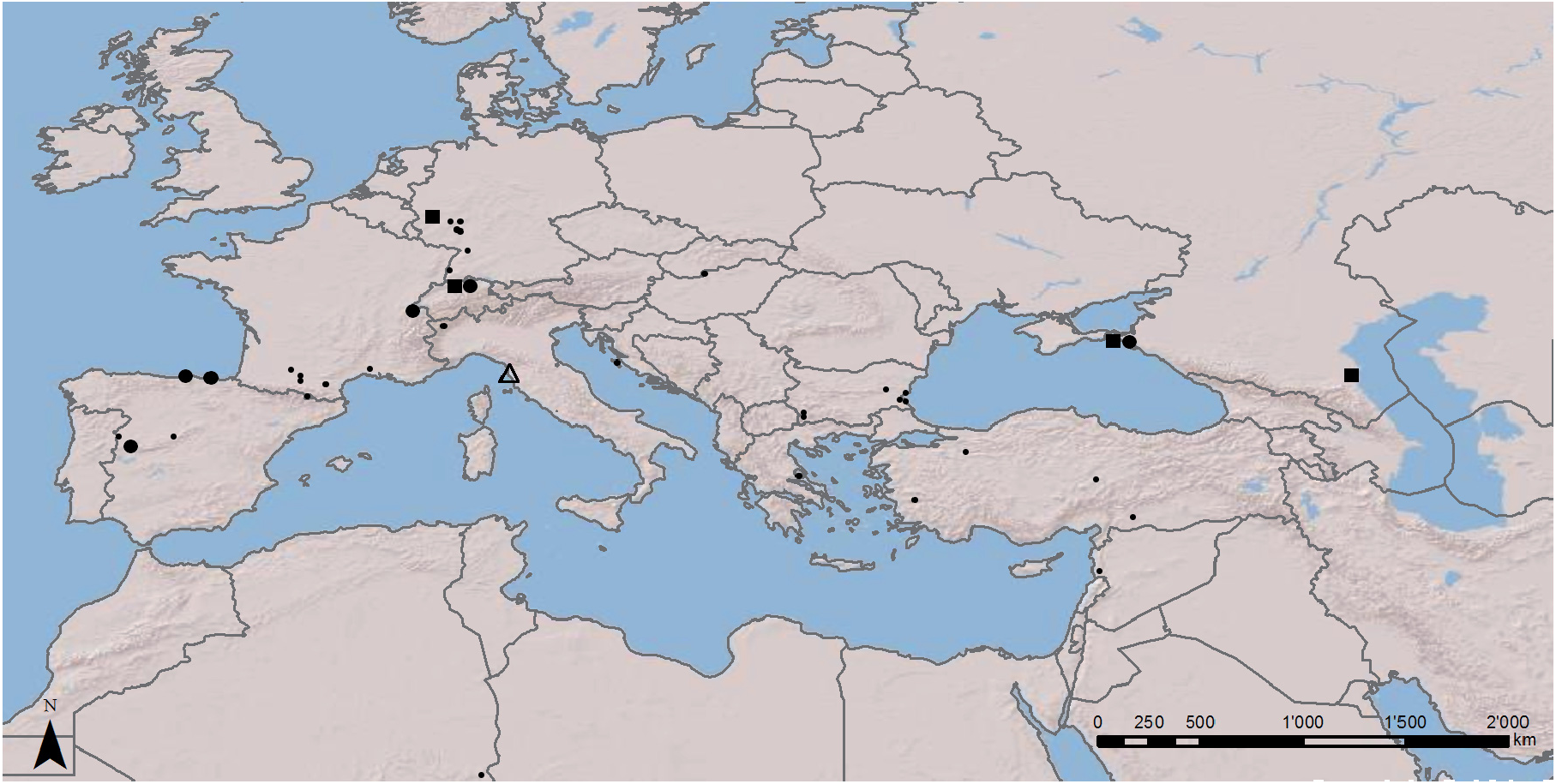
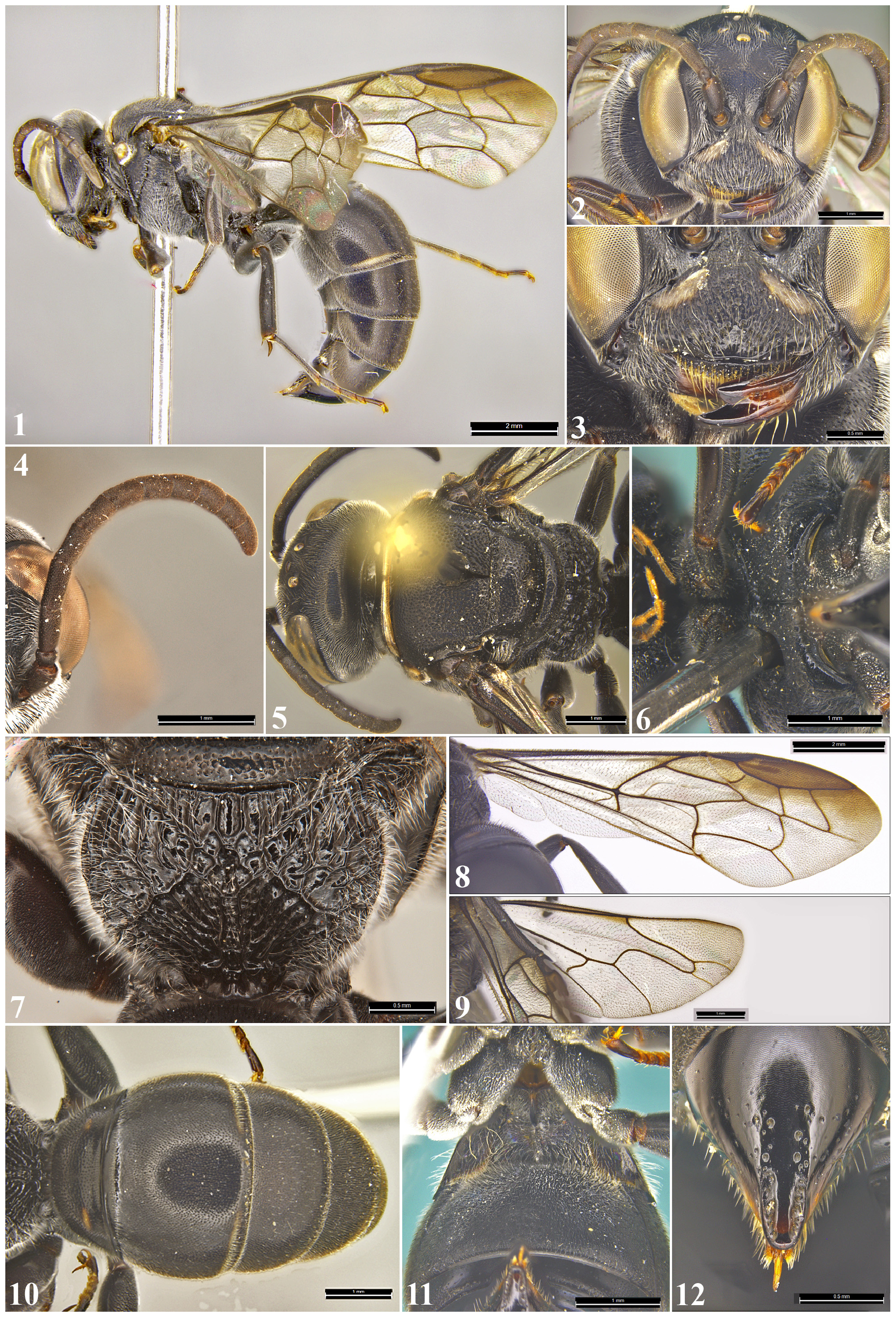
Psenulus is a genus of wasps in the family Psenidae. The 173 species are found worldwide, but are best represented in the Indomalayan realm with 68. The Palearctic has 26, the Nearctic 4, and the Australasian realm 3. Psenulus is largely absent from South America (1 species) and entirely absent from Melanesia and Polynesia. A recent phylogenetic analysis provided strong evidence that this genus is the closest living relative to bees.
Argogorytes
thumb|Argogorytes fargeii
Argogorytes is a genus of wasps in the family Bembicidae, with 31 known species. The genus is found around the world, with the exception of tropical Africa and Antarctica.
<!-- listed below
==European species==

Tachytes
thumb
thumb
Miscophus
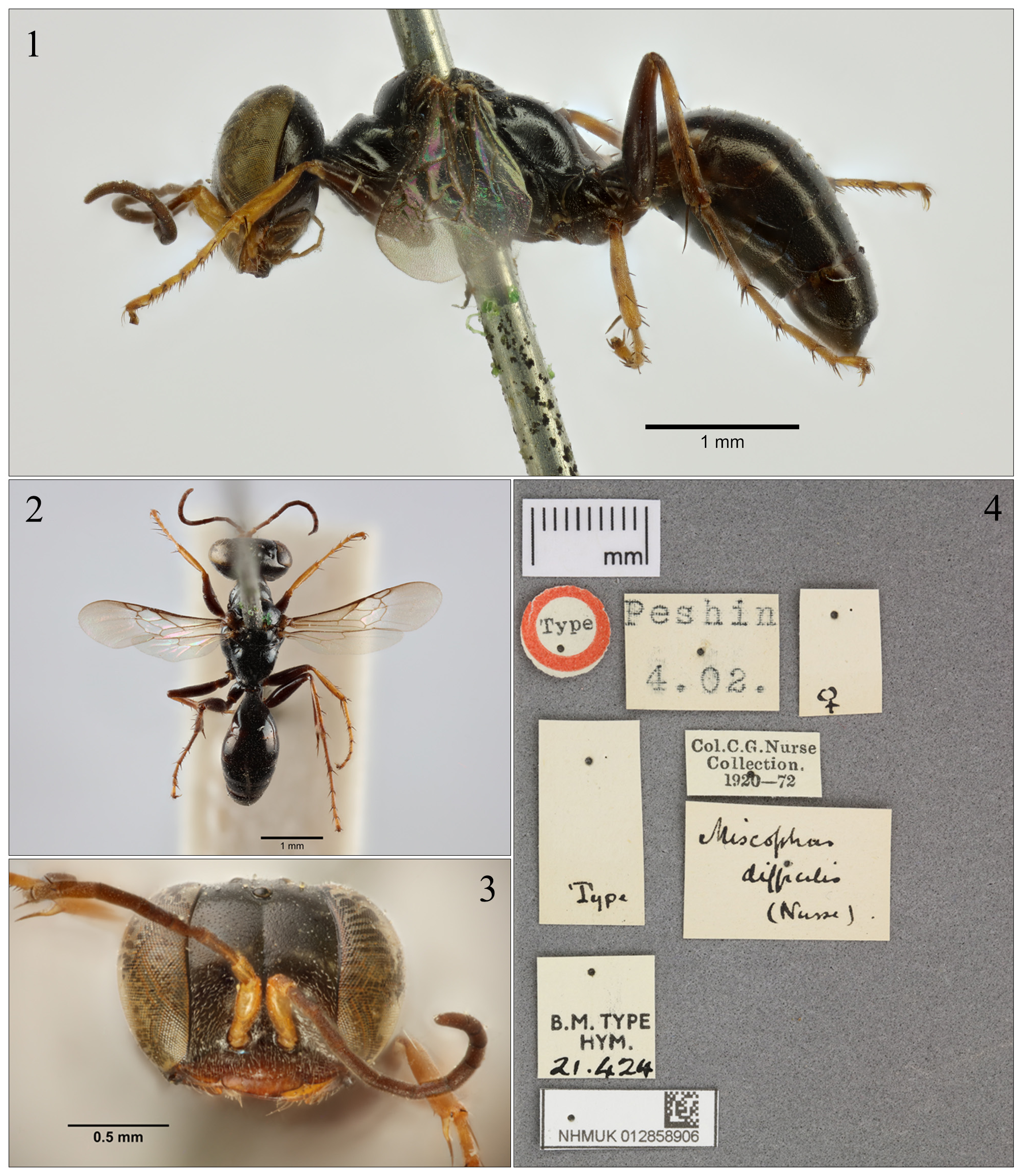
Miscophus is a genus of square-headed wasps in the family Crabronidae. There are more than 180 described species in Miscophus.
Stigmus
Stigmus is a genus of aphid wasps in the family Pemphredonidae. There are more than 20 described species in Stigmus.
Exeirus
The Australian cicada killer wasp, Exeirus lateritius, the sole member of the genus Exeirus, is a large, solitary, ground-dwelling, predatory wasp. It is related to the more common genus of cicada killers, Sphecius. In Australia, E. lateritius hunts over 200 species of cicada.
Didineis
Didineis is a genus of wasps in the family Bembicidae. There are more than 20 described species in Didineis.
Pemphredon
Pemphredon is a genus of digger wasps in the family Pemphredonidae. The genus is common in the Holarctic, with 12 species represented in Europe. Several species are considered beneficial because of their specialization in aphids.
thumb|Pemphredon depicted in Edward Saunders Hymenoptera Aculeata of the British Islands
Dalara
Dalara is a genus of wasp in the family Crabronidae, tribe Larrini.
Aha
genus of insects
Bicyrtes
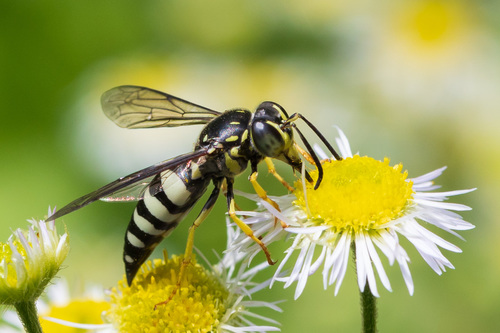
Bicyrtes is a genus of large, often brightly coloured predatory sand wasps. Many species in this genus provision their nests with paralyzed Pentatomidae, while other species make use of Reduviidae and Coreidae instead.

Clitemnestra
Clitemnestra is a genus of sand wasps in the family Bembicidae. There are at least 60 described species in Clitemnestra.

Foxia
The genus Foxia is a group of cleptoparasitic bembicine wasps that occur in xeric habitats in the New World. There are 10 described species, ranging from Chile and Argentina to the United States.

Editha
Editha is a small genus of large, brightly colored sand wasps, restricted to South America. They are specialized predators of butterflies, and after capturing and paralyzing their prey, they strip the wings off before placing the bodies in an underground cell to serve as food for the wasp larva.
Saygorytes
Saygorytes is a genus of sand wasps in the family Bembicidae. There are about seven described species in Saygorytes.

Lyroda
Lyroda is a genus of square-headed wasps in the family Crabronidae. There are more than 20 described species in Lyroda.

Ammoplanus
Ammoplanus is a genus of aphid wasps in the family Ammoplanidae. There are more than 50 described species in Ammoplanus.
Zyzzyx
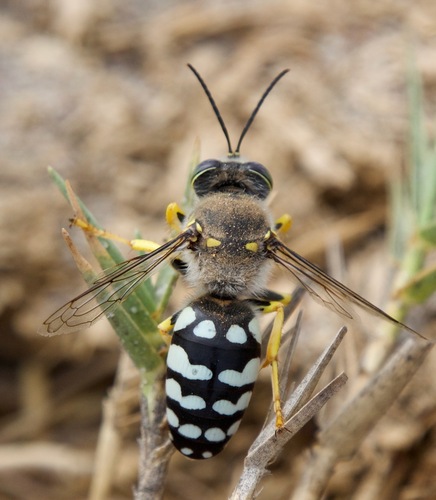
Zyzzyx is a monospecific genus of sand wasp, containing a brightly coloured, medium-sized species, Zyzzyx chilensis. It is primarily a predator on flies, but has been observed to consume skippers. "Zyzzyx" is a replacement name proposed in 1937 by V. S. L. Pate for Therapon, originally described by J. Parker in 1929.