Category
page 1April observances

Good Friday
Good Friday, also known as Holy Friday, Great Friday, Great and Holy Friday, or Friday of the Passion of the Lord, is a solemn Christian holy day commemorating the crucifixion of Jesus and his death at Calvary (Golgotha). It is observed during Holy Week as part of the Paschal Triduum.

Earth Day
Earth Day is an annual event on April 22 to demonstrate support for environmental protection. First held on April 22, 1970, it now includes a wide range of events coordinated globally through earthday.org including 1 billion people in more than 193 countries.

Mother's Day
celebration honoring mothers

April Fools' Day
April Fools' Day or April Fool's Day is an annual custom in many Western countries on the 1st of April consisting of practical jokes, hoaxes, and pranks. Jokesters often expose their actions by shouting "April Fool[s]!" at the recipient. Mass media can be involved with these pranks, which may be revealed as such the following day. The custom of setting aside a day for playing harmless pranks upon one's neighbor has been relatively common in the world historically.

Palm Sunday
commemoration of the triumphal entry of Jesus into Jerusalem

children's day
one of many public observances in honor of children
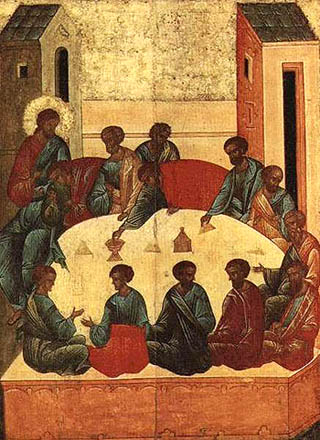
Maundy Thursday
Maundy Thursday, also referred to as Holy Thursday, or Thursday of the Lord's Supper, among other names, is a Christian feast during Holy Week that marks the beginning of the Paschal Triduum, and commemorates the Washing of the Feet (Maundy) and Last Supper of Jesus Christ with the Apostles, as described in the canonical gospels.

World Book Day and Copyright Day
annual event to promote reading, publishing, and copyright
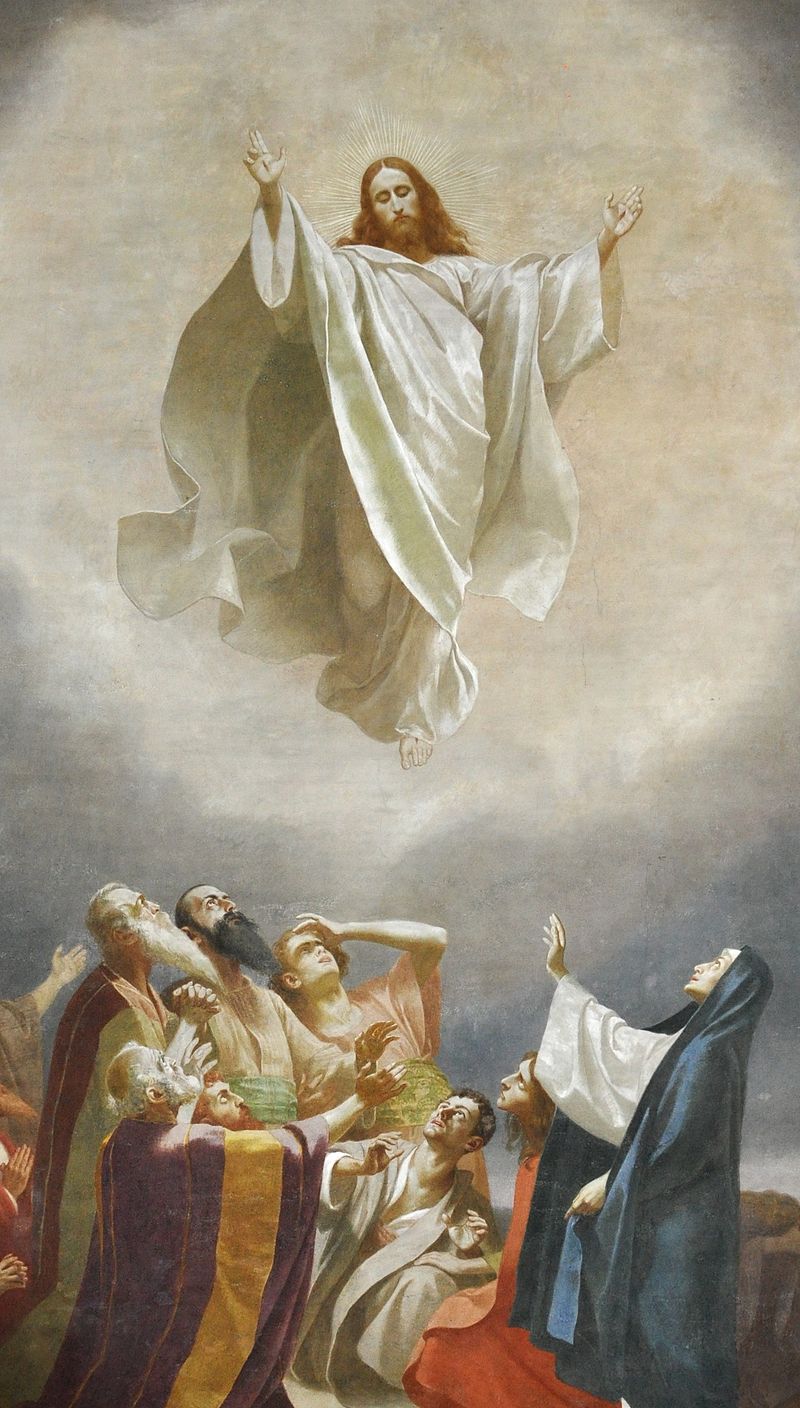
Feast of the Ascension
Christian religious holiday

national day
designated date on which celebrations mark the nationhood of a nation

Holy Saturday
Saturday before Easter Sunday

World Health Day
worldwide day of action organized by the WHO

Walpurgis Night
Germanic festival celebrating the start of summer

Vesak
Vesak (; Sanskrit: '), also known as Buddha Jayanti, Buddha Purnima, Visak Bochea and Buddha Day''', is a holiday traditionally observed by Buddhists in South Asia and Southeast Asia, as well as in Tibet and Mongolia. It is among the most important Buddhist festivals. The festival commemorates the birth, enlightenment (Pali: Nibbāna, Sanskrit: Nirvāṇa), and death (Parinirvāna) of Gautama Buddha in Theravada, Tibetan Buddhism, and Navayana.

Easter Monday
day after Easter Sunday
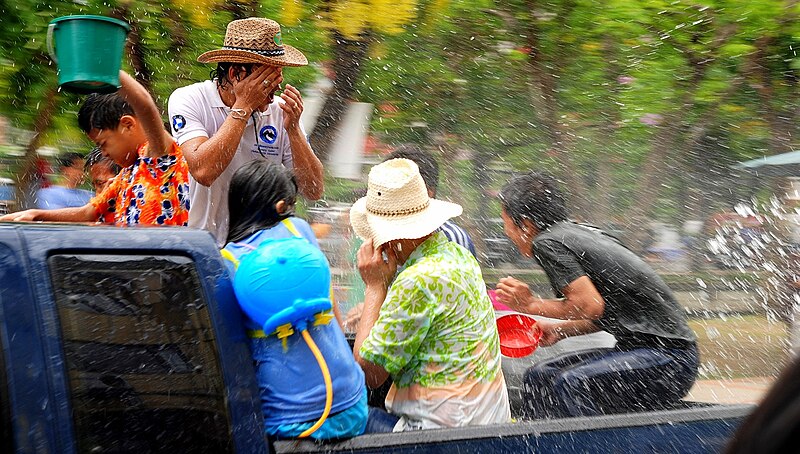
Songkran
traditional Thai New Year's holiday based on the sidereal year
World Autism Awareness Day
world day to raise autism awareness

feast of the Cross
type of feast that commemorate the cross used in the crucifixion of Jesus
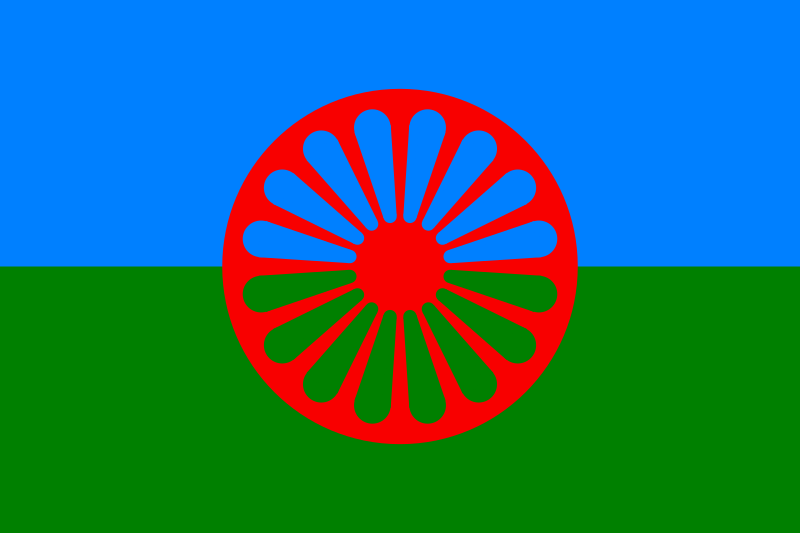
International Romani Day
world day

World Youth Day
event for young people organized by the Catholic Church

International Dance Day
world day

Cosmonautics Day
Russian holiday
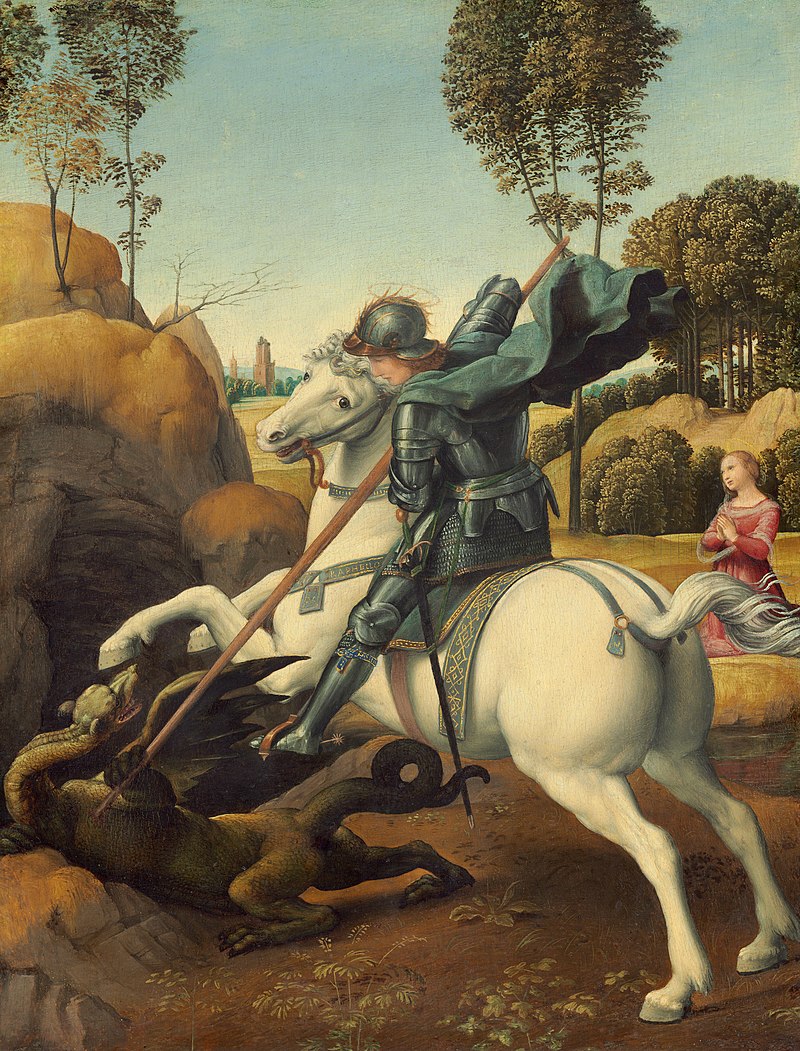
Saint George Day
Feast day of Saint George

Anzac Day
national day of remembrance in Australia and New Zealand on April 25
Qingming Festival
ancestors, grave sites visitation day in China, festival in East Asia
Friendship Day
day for celebrating friendship
World Intellectual Property Day
world day

Buddha's birthday
birthday of the Prince Siddhartha Gautama

Beltane
Beltane ( ) or Bealtaine () is the Gaelic May Day festival, marking the beginning of summer. It is traditionally held on 1 May, or about midway between the spring equinox and summer solstice.
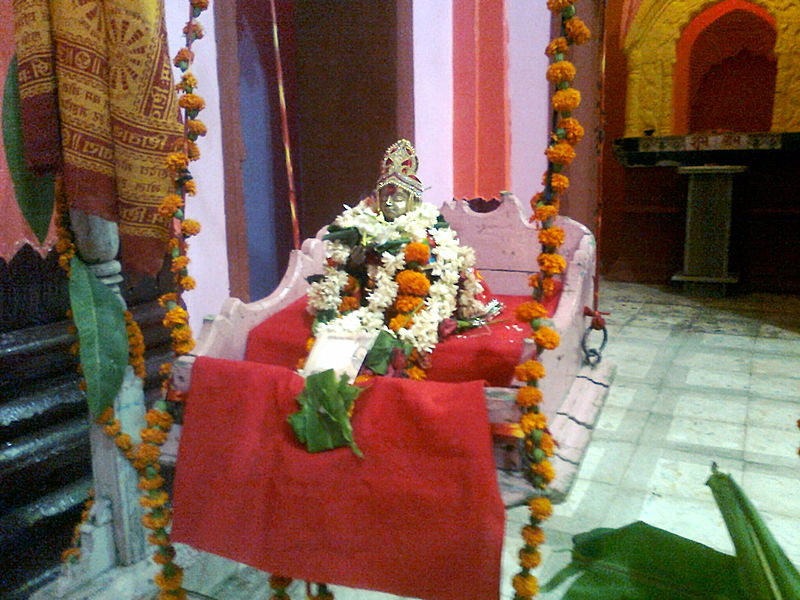
Rama Navami
spring festival that celebrates the birthday of the Hindu God Rama
420
code-term that refers to the consumption of cannabis

Vaisakhi
Vaisakhi (), also known as Baisakhi () or Mesadi or Basoa (), marks the first day of the month of Vaisakh and is traditionally celebrated annually on 13 April or sometimes 14 April.
It is seen as a spring harvest celebration primarily in Punjab and Northern India.
Whilst it is culturally significant in many parts of India as a festival of harvest, Vaisakhi is also the date for the Indian Solar New Year. However, Sikhs celebrate the new year on the first the month Chet, according to the Nanakshahi calendar.
King's Day
' () or Kingsday is a national holiday in the Kingdom of the Netherlands. Celebrated on 27 April (or, if that is a Sunday, on the 26th), the date marks the birth of King Willem-Alexander. When the Dutch monarch is female, the holiday is known as () or Queensday' and, under Queen Beatrix until 2013, was celebrated on 30 April. She prolonged the tradition that was born under her mother's reign: Queen Juliana's birthday was on 30 April.
International Children's Book Day
annual observance
International Day For Monuments and Sites
world day
Pohela Boishakh
New Year festival of the Bengali people (mid April)

Ugadi
Ugadi Pachadi|thumb|right
' (), (, ) or also known as Saṁvatsarādi' (), is the first day of the year on the Hindu calendar. It is traditionally celebrated by the Kannadigas and Telugu people in the Indian states of Andhra Pradesh, Karnataka and Telangana, in some parts of Tamil Nadu and Kerala, as well as by diaspora communities elsewhere. The cycle consists of 60 years—each year individually named. It is observed on the first day of the Hindu lunisolar calendar month of Chaitra. This typically falls in late March or early April of the Gregorian calendar. It also sometimes falls on the day aft

International Day of Human Space Flight
UN International Day
Armenian Genocide Remembrance Day
national holiday in Armenia; 24 April

International Jazz Day
international event for the promotion of jazz music
World Malaria Day
international observance commemorated every year on 25 April that recognizes global efforts to control malaria

International Coffee Day
international observance
Lazarus Saturday
day before Palm Sunday in the Orthodox Church
Golden Week
Japanese public holidays in May
Kanamara Matsuri
annual festival in Kawasaki, Japan
Yuri's Night
holiday to commemorate space exploration

Hıdırellez
Hıdırellez or Hıdrellez (; ; ; ) is a folk holiday celebrated as the day on which the prophets Al-Khidr (Hızır) and Elijah (İlyas) met on Earth. Hıdırellez starts on the night of May 5 and ends on May 6 in the Gregorian calendar, and April 23 (St. George's day for the Christians) in the Julian calendar. It is observed in Turkey, Crimea, Gagauzia, Syria, Iraq, the Caucasus, and the Balkans and celebrates the arrival of spring.

Radonitsa
Radonitsa (Russian: Ра́доница, Belarusian: Ра́даўніца "Day of Rejoicing"), also spelled Radunitsa, Radonica, or Radunica, in the Russian Orthodox Church is a commemoration of the departed observed on the second Tuesday of Pascha (Easter) or, in some places (in south-west Russia), on the second Monday of Pascha. In the Ukrainian tradition it is called Provody (Ukrainian: Прóводи).
Constitution Day
Wikimedia disambiguation page
Holy Monday
Christian day in Holy Week
Workers' Memorial Day
world day

Bihu
Bihu () is an important cultural festival unique to the Indian state of Assam and is of three types – 'Rongali' or 'Bohag Bihu' observed in April, 'Kongali' or 'Kati Bihu' observed in October or November, and 'Bhogali' or 'Magh Bihu' observed in January. The festivals present an admixture of Tibeto-Burman, Austroasiatic and Indo-Aryan traditions entwined so intricately that it is impossible to separate them—festivals which are uniquely Assamese are ones to which all communities of Assam had contributed elements. The Rongali Bihu is the most important of the three, celebrating spring festival.
Hanuman Jayanti
Birthday of Lord Hanuman
Holy Tuesday
christian festival
UN English Language Day
is celebrated every April 23

Floralia
The Floralia was a festival of ancient Roman religion in honor of the goddess Flora, held on 27 April during the Republican era, or 28 April in the Julian calendar. The festival included Ludi Florae, the "Games of Flora", which lasted for six days under the empire.
Elbe Day Torgau
day Soviet and American troops met for the first time in Nazi Germany
Record Store Day
annual event in April to celebrate independently-owned record stores
Day of the Sun
national day of North Korea commemorates the birthday of Kim Il-Sung on April 15

Ridván
Riḍván (; Bahá'í orthography: Rezván, ) is a twelve-day festival in the Bahá'í Faith commemorating Bahá'u'lláh's declaration that he was a Manifestation of God. In the Bahá'í calendar, it begins at sunset on the 13th of Jalál, which translates to the 20th or 21 April, depending on the date of the March equinox (exactly one month on the Gregorian calendar after the equinox). In 2025, it begins in the evening of 20 April. On the first, ninth and twelfth days of Ridván, work and school should be suspended.