Category
page 1Aquitanian genus first appearances

Manta
genus of fishes
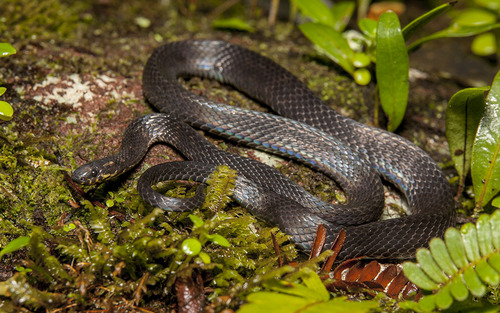
Oxynotus
thumb|253px|right|Prickly dogfish, Oxynotus bruniensis
thumb|253px|right|Angular roughshark, Oxynotus centrina

Amphicyon
Amphicyon is an extinct genus of large carnivorans belonging to the family Amphicyonidae (known colloquially as "bear-dogs"), subfamily Amphicyoninae, from the Miocene epoch. Members of this family received their vernacular name for possessing bear-like and dog-like features. They ranged over North America, Eurasia, and Africa.
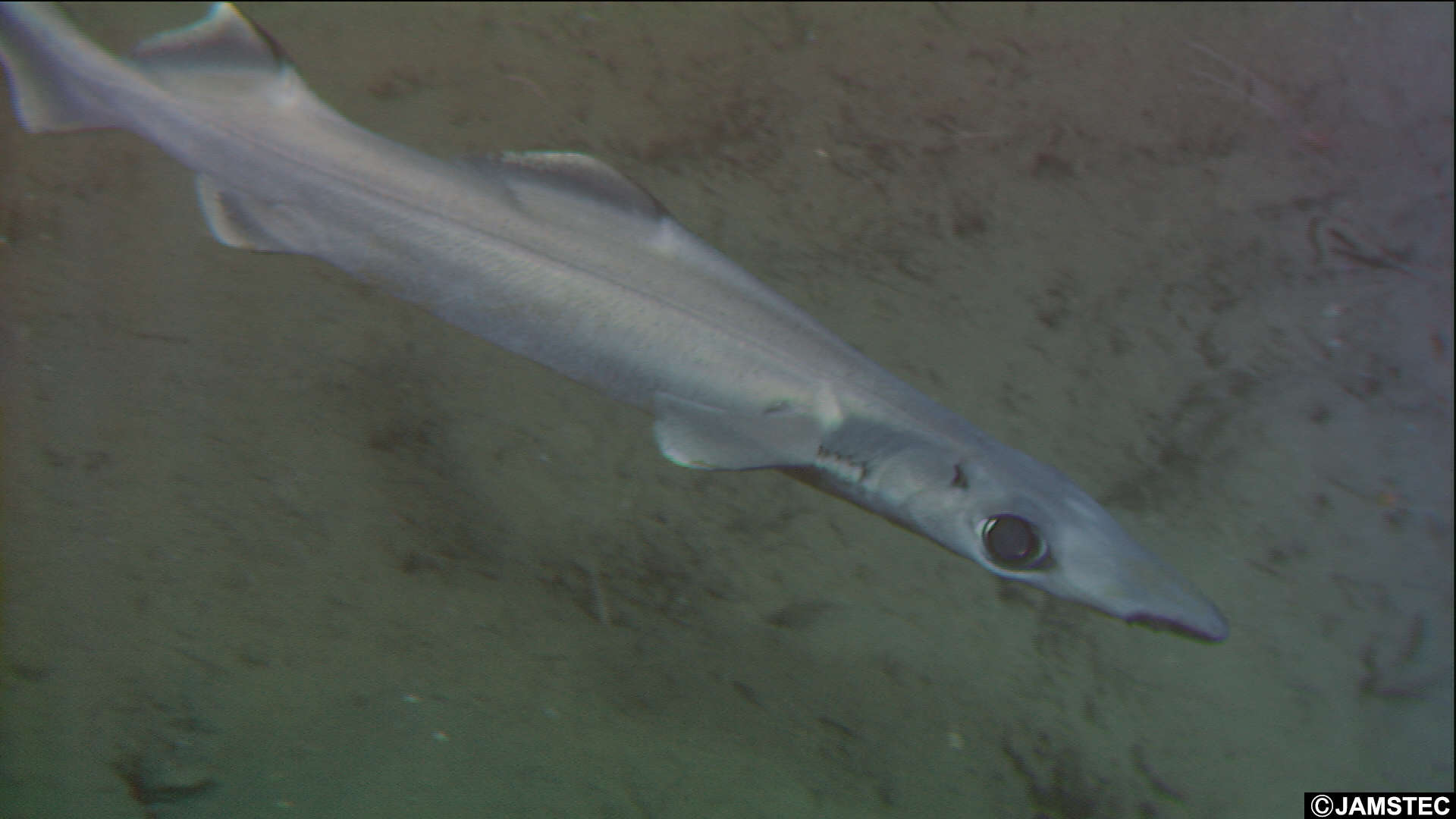
Deania
Deania is a genus of long-snouted, deepwater dogfish sharks in the family Centrophoridae.
sixgill sawshark
Pliotrema warreni

Ursavus
Ursavus is an extinct genus of bear that existed in North America, Europe, and Asia during the Miocene period, about 23–5.3 million years ago (Mya), existing for roughly . The genus apparently dispersed from Asia into North America about 20 Mya, becoming the earliest member of the subfamily Ursinae in the New World. Qiu points out that if a questionable 29 million-year-old specimen of Ursavus reported in North America is validated, Ursavus may have evolved in North America and dispersed westward into Asia. The higher number of fossils in Europe grading toward eastern Asia make t
Hooktooth shark
species of shark (Chaenogaleus macrostoma)

Potamotherium
Potamotherium ('river beast') an extinct genus of caniform carnivoran from the Miocene epoch of France and Germany. It has historically been assigned to the family Mustelidae (otters, weasels, etc.), but more recent studies suggest that it represents a primitive relative of pinnipeds (seals, sea lions, etc.)

Prodeinotherium
Prodeinotherium is an extinct representative of the family Deinotheriidae that lived in Africa, Europe, and Asia in the early and middle Miocene. Prodeinotherium, meaning "before terrible beast", was first named in 1930, but soon after, the only species in it, P. hungaricum, was reassigned to Deinotherium. During the 1970s, however, the two genera were once again separated, with Prodeinotherium diagnosed to include Deinotherium bavaricum (=P. hungaricum), Deinotherium hobleyi, and Deinotherium pentapotamiae, which were separated based on geographic location. The three species are from Europe,

Procamelus
left|thumb|188x188px|Mummified Procamelus head
Procamelus is an extinct genus of camel endemic to North America. It lived from the Middle to Late Miocene 16.3—5.3 mya, existing for approximately . The name is derived from the Greek πρό, meaning "before" or denoting priority of order, and κάμελος ("camel"), thus meaning "fore-camel", "early camel" or "predecessor camel".
Peraceras
Peraceras is an extinct genus of rhinocerotids endemic to North America. It lived during the Miocene, living from 16.0 to 10.3 mya, existing for approximately .
Protolabis
Protolabis is an extinct genus of camelid endemic to North America. It lived from the Early to Late Miocene 20.4—5.3 mya, existing for approximately . Fossil distribution is widespread from Nicaragua, Central America to Montana and throughout the western U.S.
Gracilidris
Gracilidris is a genus of dolichoderine ants with nocturnal behaviour; thought to have gone extinct 15-20 million years ago, they have been found in Paraguay, Brazil, and Argentina and were described in 2006.
Pliocyon
Pliocyon is an extinct genus of amphicyonids which inhabited North America during the Middle Miocene 16.0—13.6 Ma, existing for approximately . Fossils have been uncovered in South Florida, Oregon, and western Nebraska.