Category
page 2Arcade video games
Boulder Dash
1984 video game
Q*bert
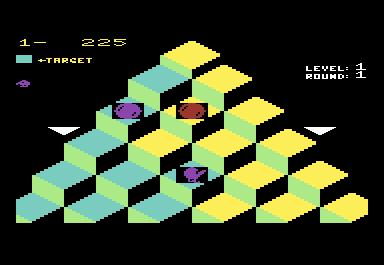
Q*bert () is a 1982 action video game developed and published by Gottlieb for arcades. It is a 2D action game with puzzle elements that uses isometric graphics to create a pseudo-3D effect. The objective of each level in the game is to change every cube in a pyramid to a target color by letting Q*bert, the on-screen character, hop on top of the cube while avoiding obstacles and enemies. Players also use a joystick to control the character.
Centipede
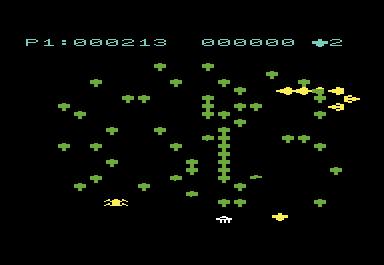
1981 video game
1943: The Battle of Midway
1987 arcade game

Soulcalibur III
2005 video game
Popeye
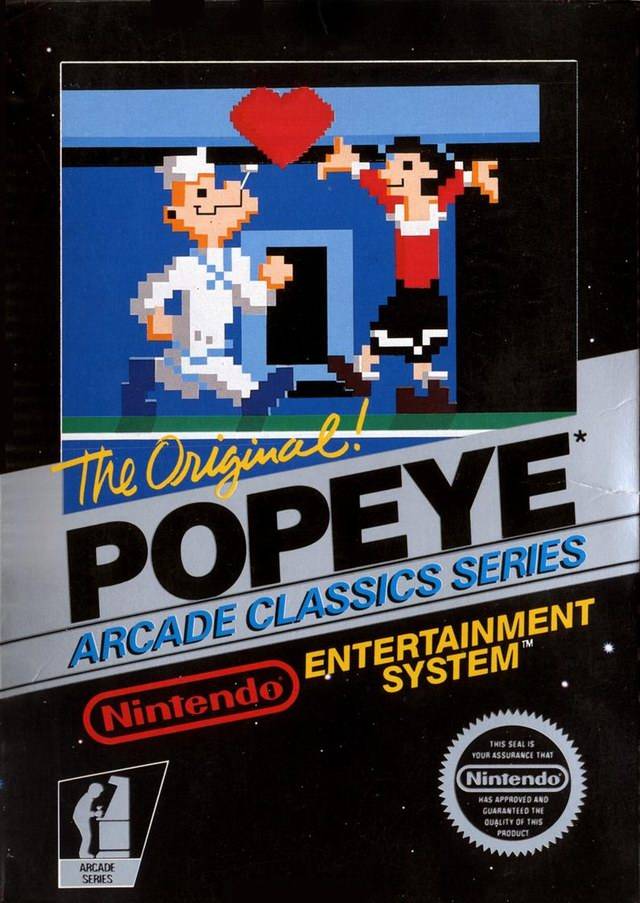
1982 arcade video game
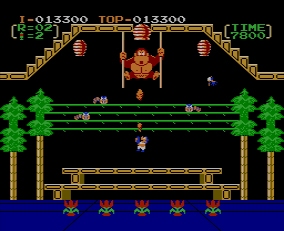
Donkey Kong 3
1983 video game
Q1326048
1994 arcade video game

10-Yard Fight
1983 American football video game
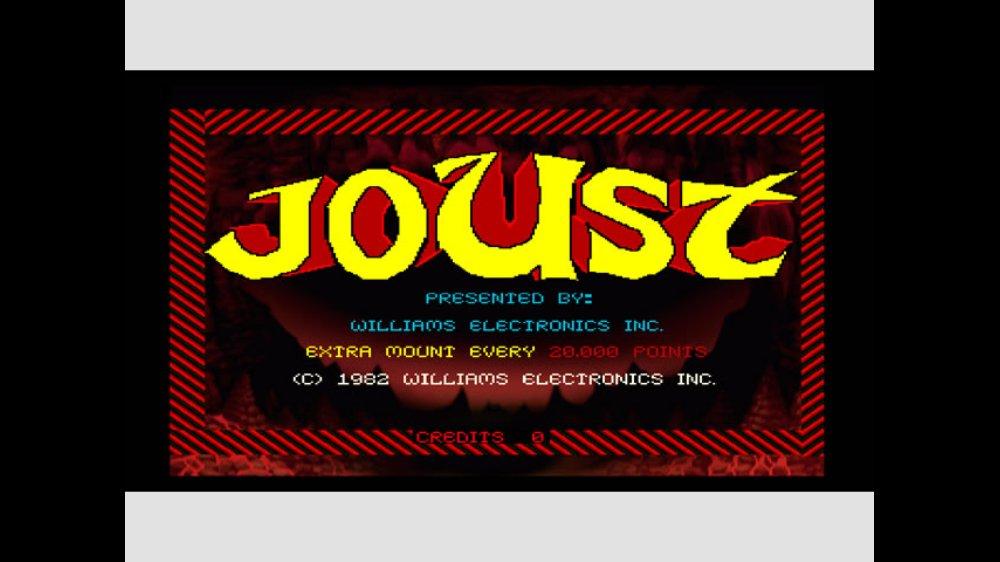
Joust
1982 video game
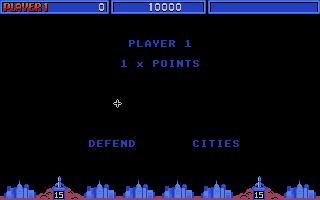
Missile Command
1980 video game
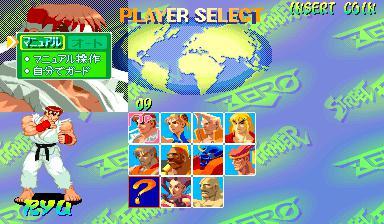
Street Fighter Alpha
1995 arcade video game
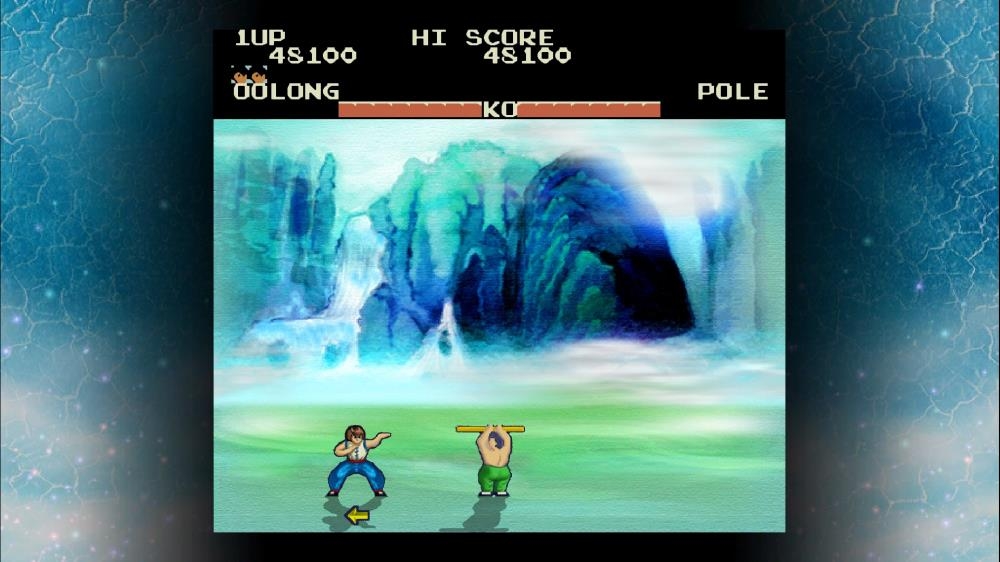
Yie Ar Kung-Fu
1985 video game
Soulcalibur II
2002 video game
Super Contra
1988 run and gun video game
Paperboy
1985 arcade game

Chip 'n Dale Rescue Rangers
1990 NES game
Q1514023
1985 arcade game
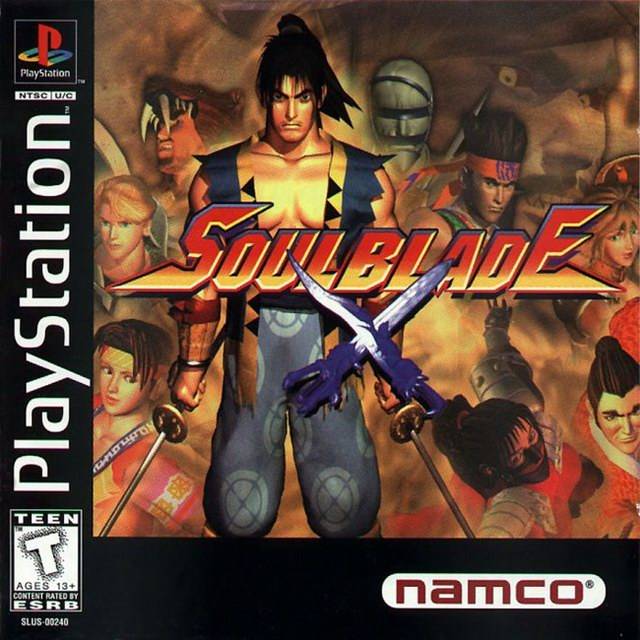
Soul Edge
1995 video game
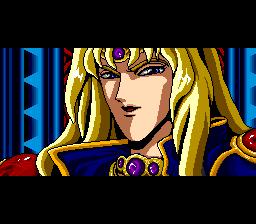
Zero Wing
1989 side-scrolling shoot 'em up arcade game
Out Run
1986 video game

Street Fighter 6
2023 fighting game developed by Capcom
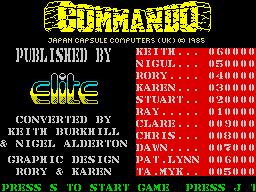
Commando
1985 video game
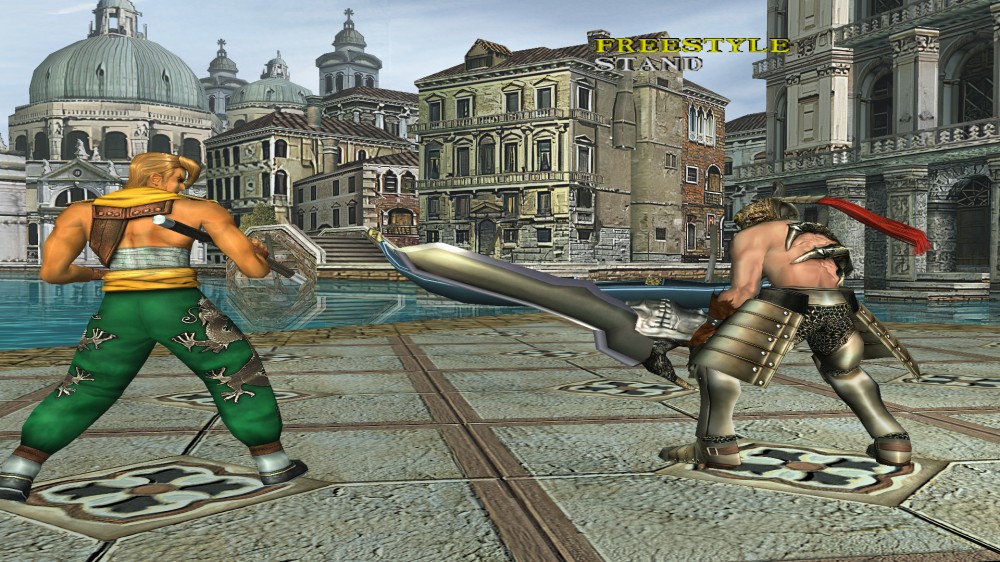
Soulcalibur
1998 video game

Puzzle Bobble
1994 video game
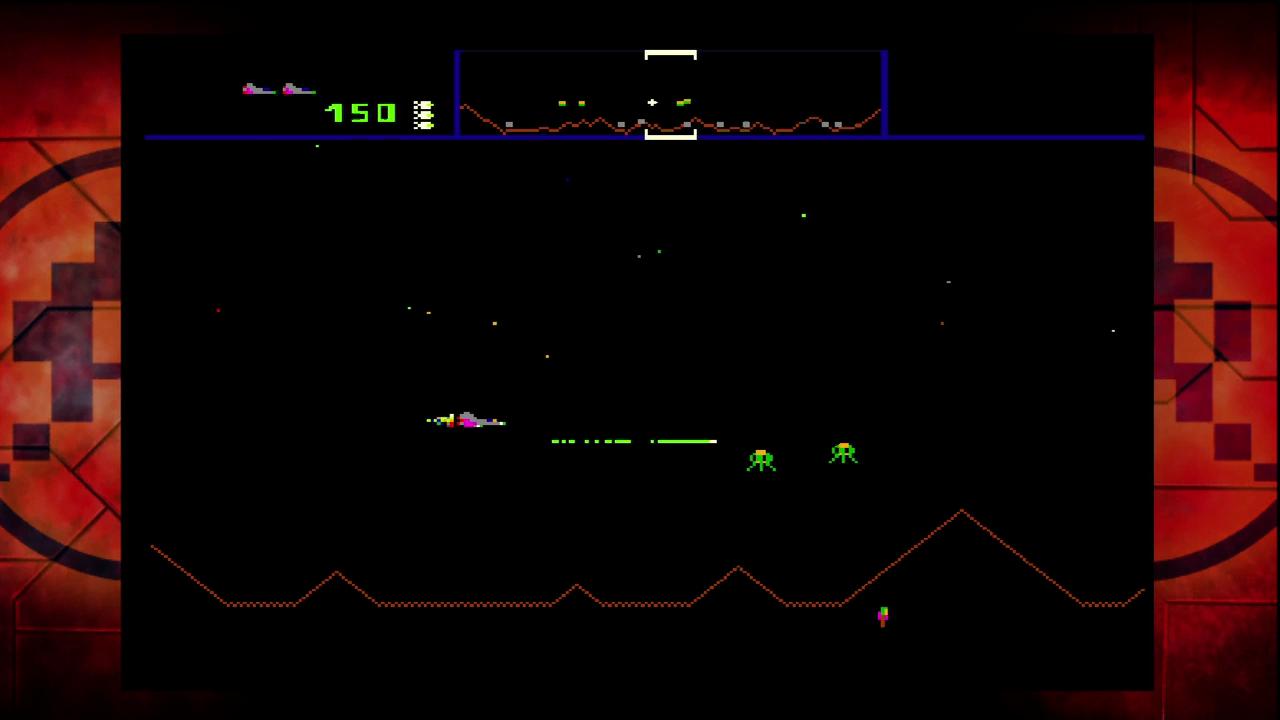
Defender
1981 video game
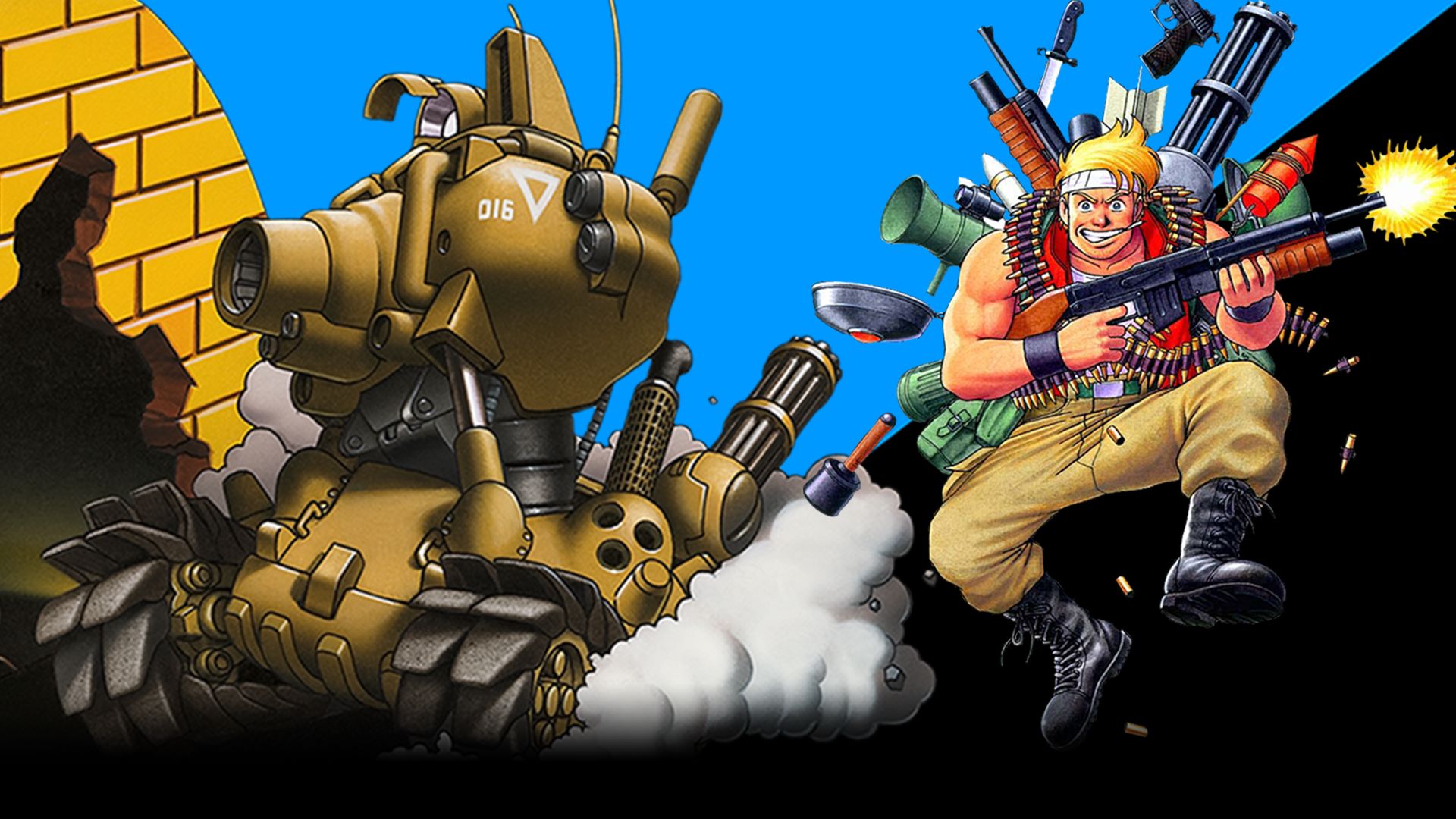
Metal Slug
1996 video game
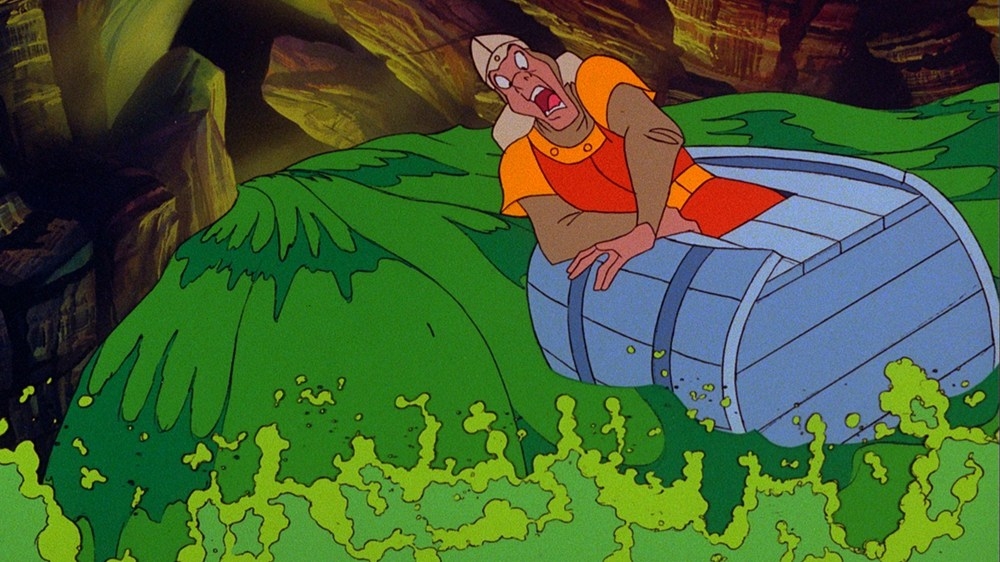
Dragon's Lair
1983 video game developed by Advanced Microcomputer Systems

Q1327963
is a 1983 vertically scrolling shooter video game developed and published by Namco for arcades. It was released in Japan and in North America by Atari, Inc. in February 1983. Controlling the Solvalou starship, the player attacks Xevious forces before they destroy all of mankind. The Solvalou has two weapons at its disposal: a zapper to destroy flying craft, and a blaster to bomb ground installations and enemies. It runs on the Namco Galaga arcade system.
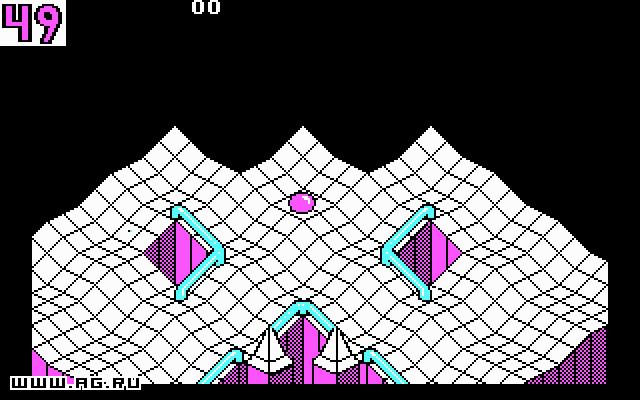
Marble Madness
1984 arcade video game
Ghosts 'n Goblins
1985 video game
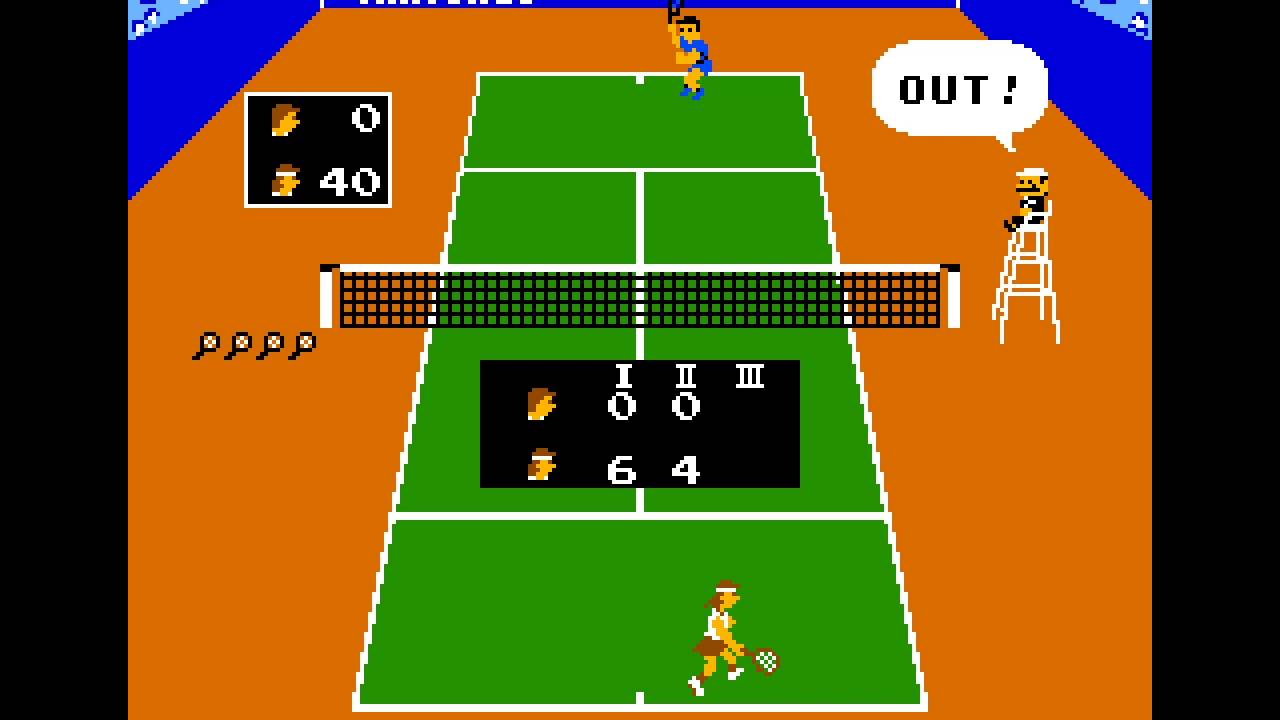
Tennis
1984 sports video game
Q2468410
1987 arcade video game
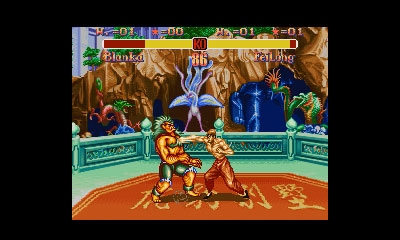
Super Street Fighter II: The New Challengers
1993 arcade video game
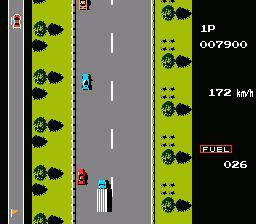
Road Fighter
1984 racing video game
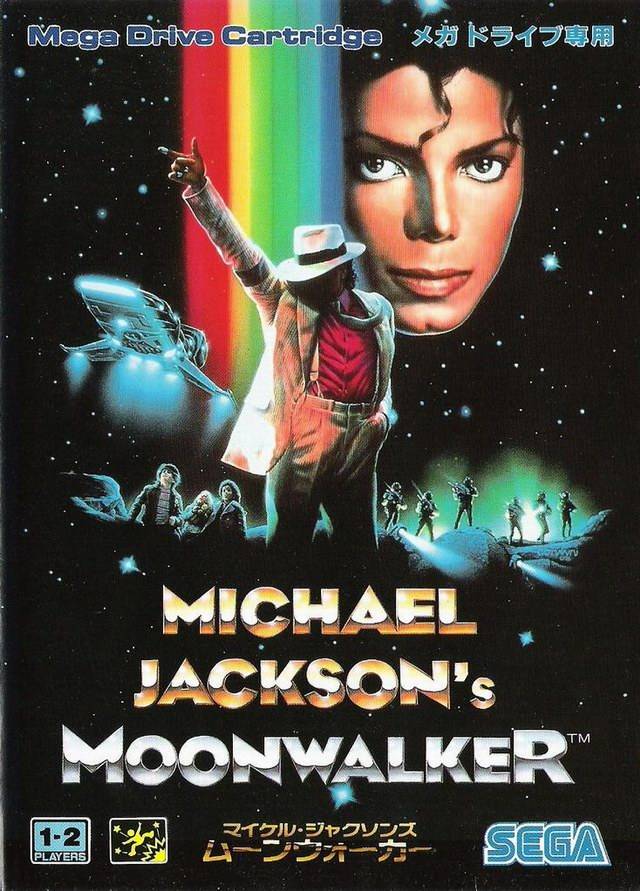
Michael Jackson's Moonwalker
1989 video game
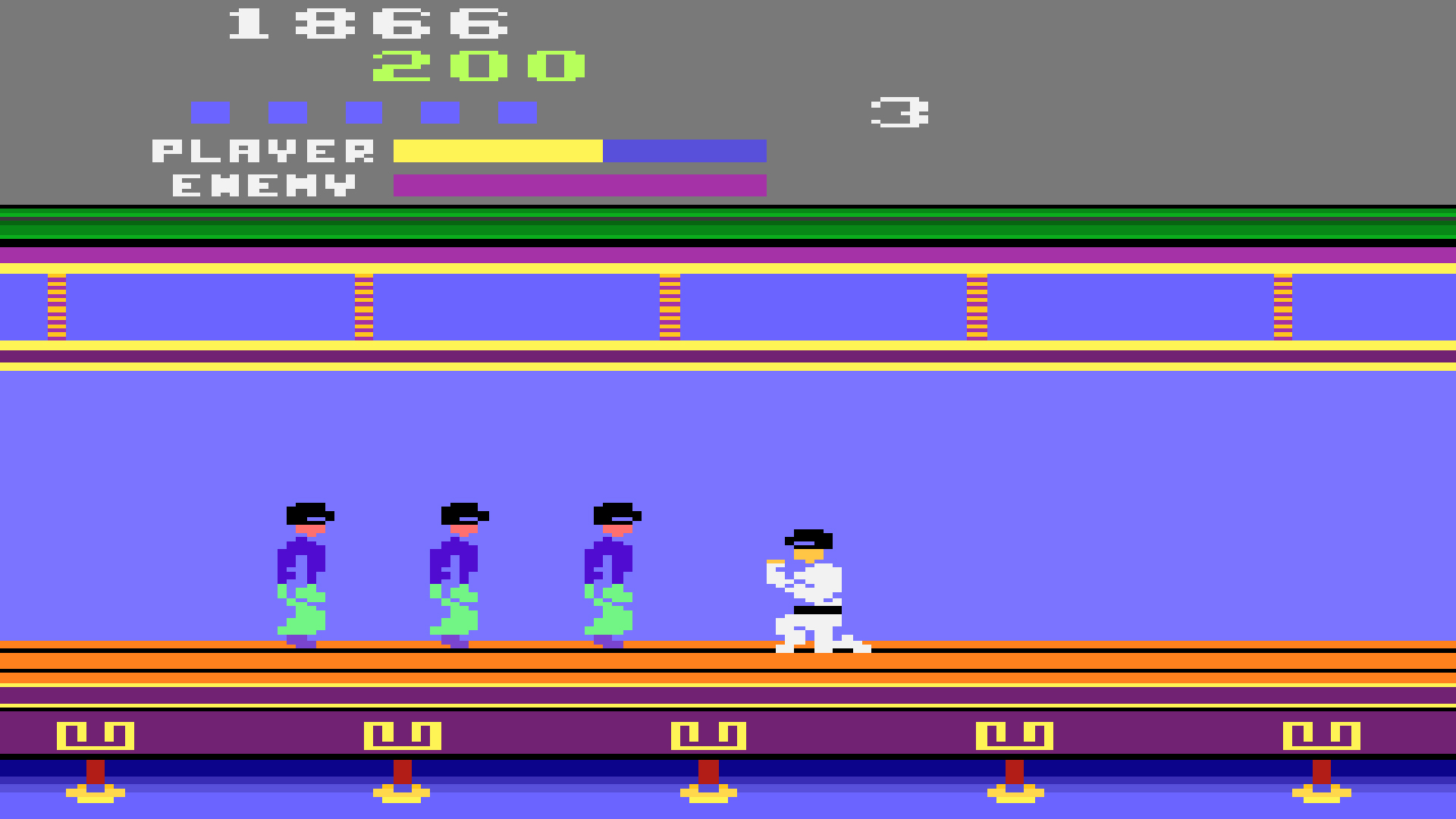
Kung-Fu Master
1984 video game
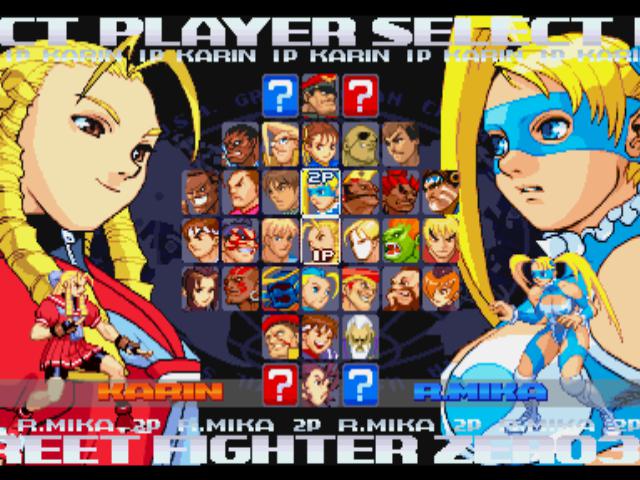
Street Fighter III
1997 arcade video game

R-Type
is a 1987 horizontally scrolling shooter video game developed and published by Irem for arcades. The player controls the R-9 "Arrowhead" starship in its efforts to destroy the Bydo, a powerful alien race bent on wiping out all of mankind. The R-9 can acquire a glowing orb called a "Force", giving limited protection from enemy fire and providing additional firepower.
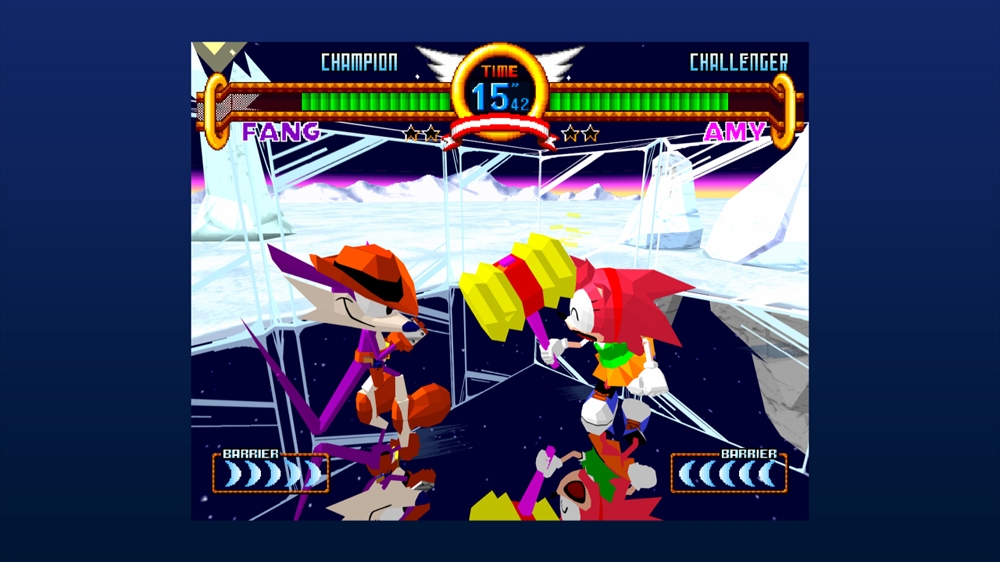
Sonic the Fighters
1996 fighting game developed by Sega AM2
Pole Position
1982 Formula 1 racing video game
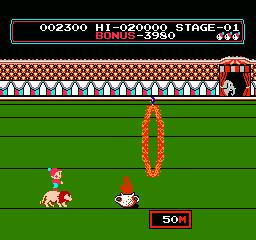
Circus Charlie
1984 computer and video game
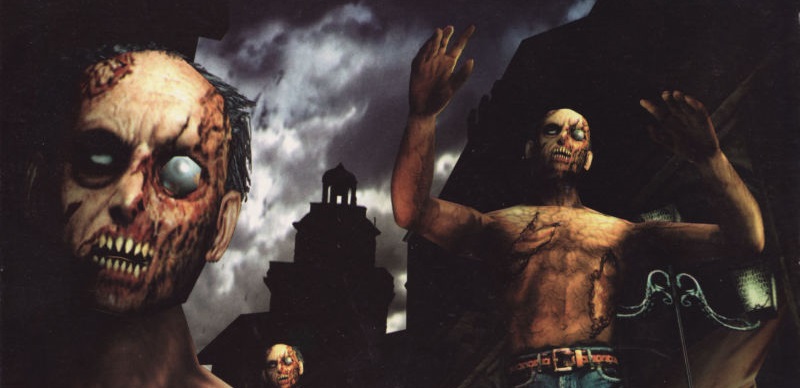
The House of the Dead 2
1999 video game
Samurai Shodown
1993 video game
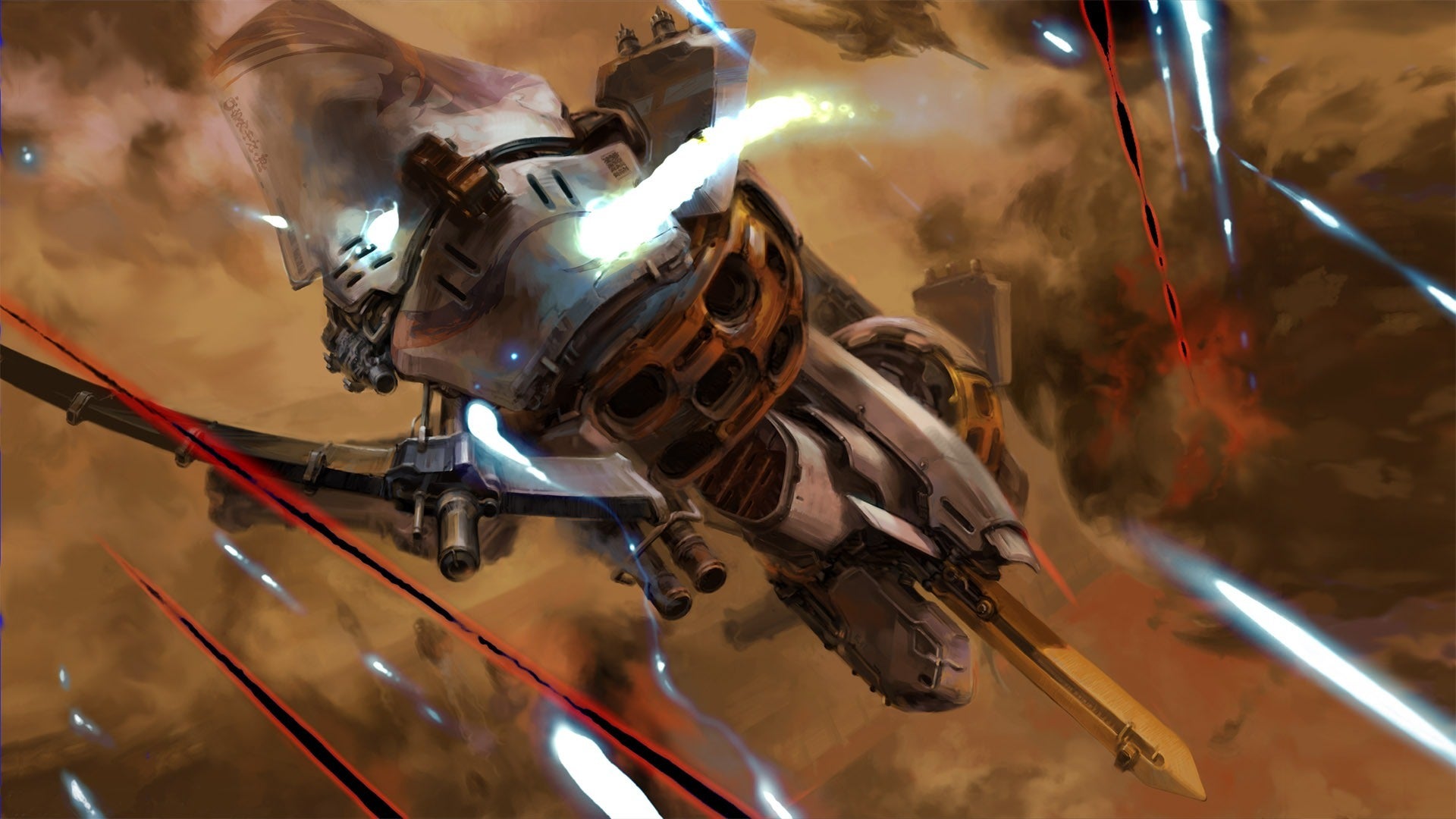
Ikaruga
is a bullet hell shoot 'em up developed by Treasure. It is the spiritual sequel to Radiant Silvergun (1998) and was originally released in Japanese arcades in December 2001. The story follows a rebel pilot named Shinra as he battles an enemy nation using a specially designed fighter called the Ikaruga which can flip between two polarities, black and white. This polarity mechanism is the game's key feature and the foundation for its stage and enemy design. All enemies and bullets in the game are either black or white. Bullets which are the same color as the player are absorbed while the others
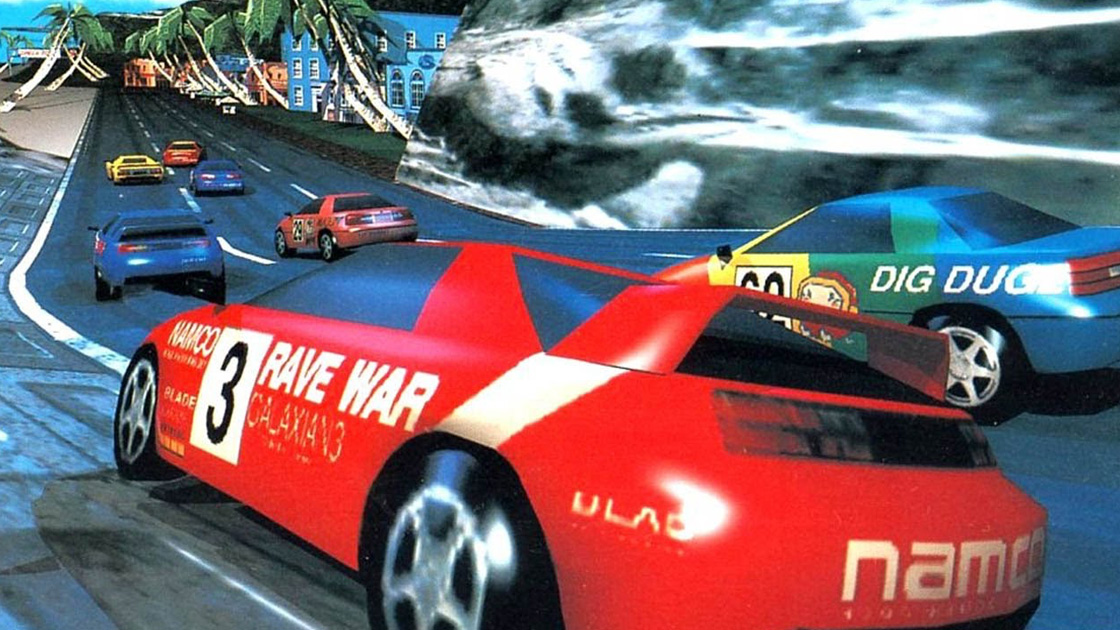
Ridge Racer
1993 racing video game

Sunset Riders
1991 arcade video game

Pooyan
is a 1982 fixed shooter video game developed and published by Konami for arcades. It was released in North America by Stern Electronics. The player controls "Mama", a pig whose babies have been kidnapped by a group of wolves. It was later ported to home consoles and personal computers.
Q1970425
1994 arcade video game
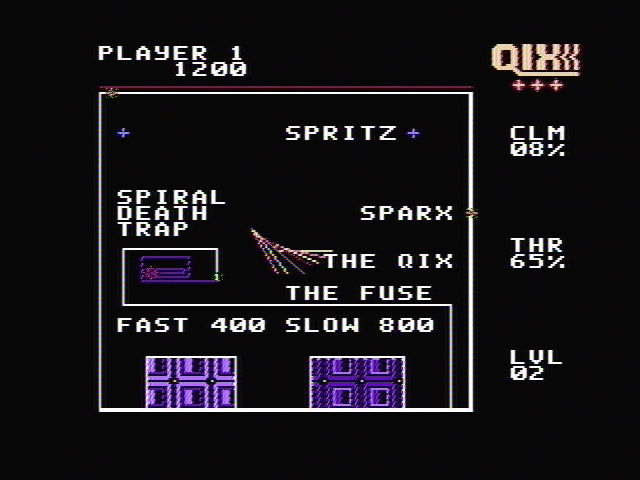
Qix
( ) is a 1981 puzzle video game developed and published by Taito for arcades. Designed by husband and wife team Randy and Sandy Pfeiffer, Qix is one of a handful of games made by Taito's American division (another is Zoo Keeper). At the start of each level, the playing field is a large, empty rectangle, containing the Qix, an abstract stick-like entity that performs graceful but unpredictable motions within the confines of the rectangle. The objective is to draw lines that close off parts of the rectangle to fill in a set amount of the playfield.

Hang-On
is a 1985 racing video game developed and published by Sega for arcades. In the game, the player controls a motorcycle against time and other computer-controlled bikes. It was one of the first arcade games to use 16-bit graphics and uses the Super Scaler arcade system board, created with design input from Yu Suzuki, as technology to simulate 3D effects. The deluxe cabinet version also introduced a motion-controlled arcade cabinet, where the player's body movement on a large motorbike-shaped cabinet corresponds with the player character's movements on screen.
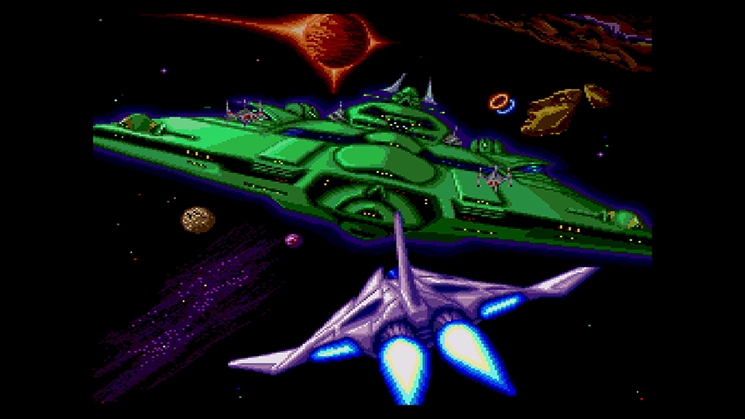
Gradius
1985 arcade game
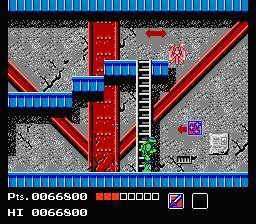
Teenage Mutant Ninja Turtles
1989 arcade game

Baseball
1983 baseball video game for the NES
Q388929
1987 video game
Q6113095
1996 video game
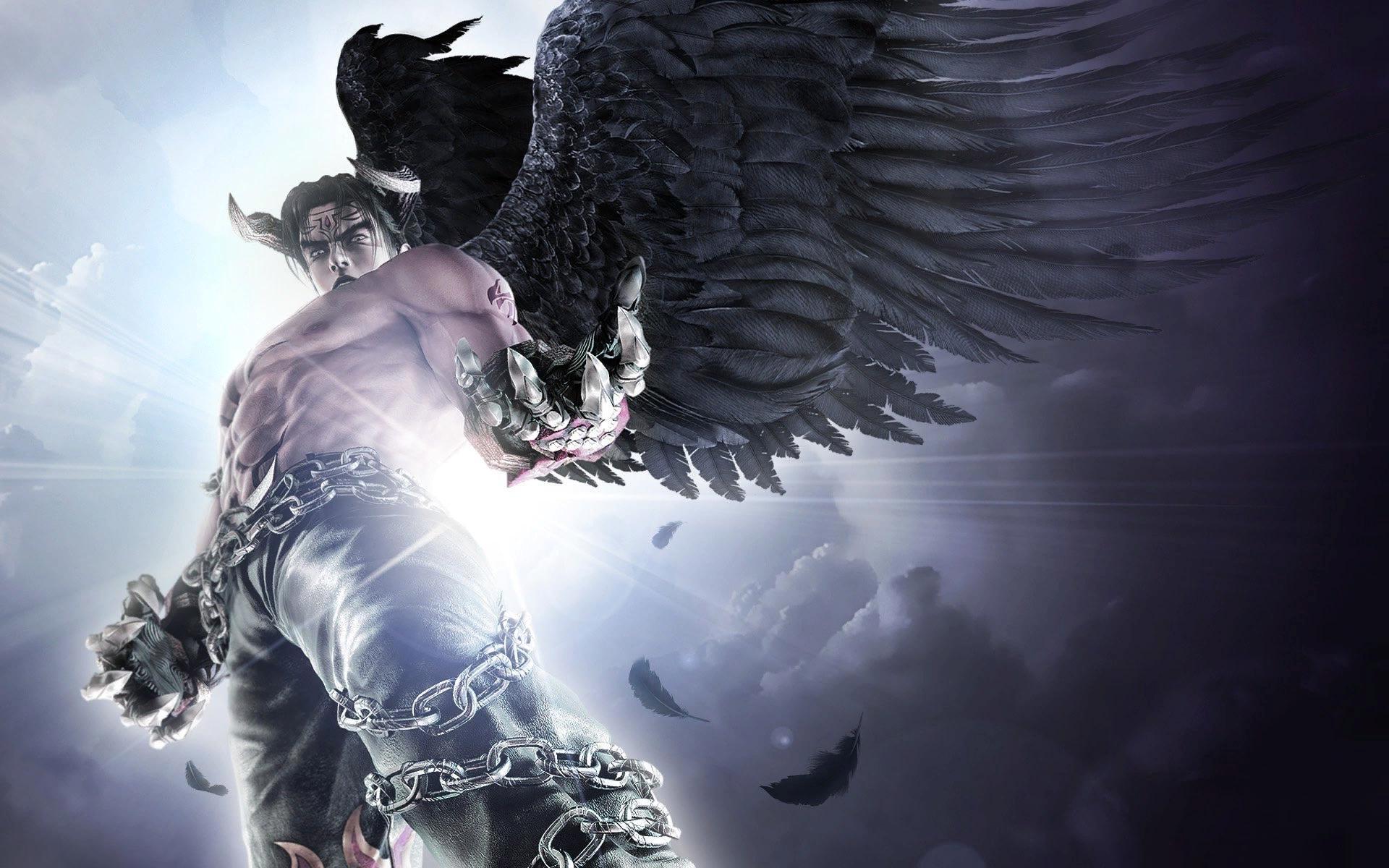
Tekken 5: Dark Resurrection
2005 video game
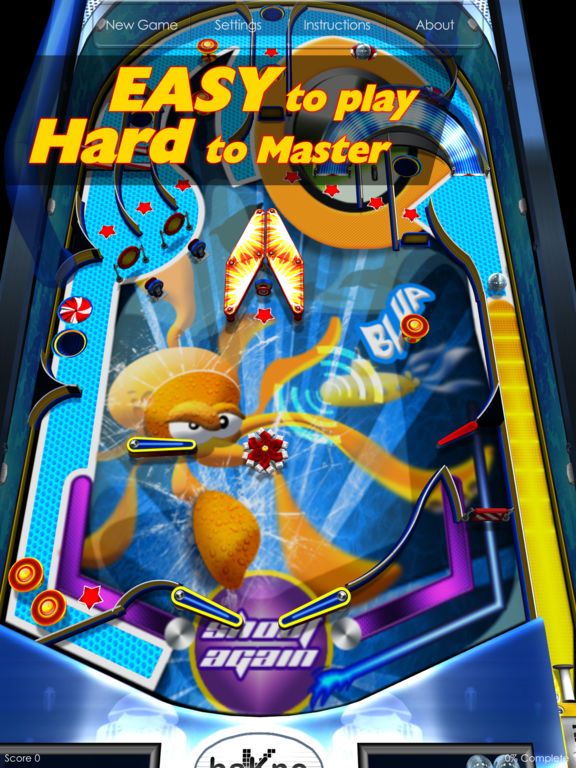
Pinball
1984 video game
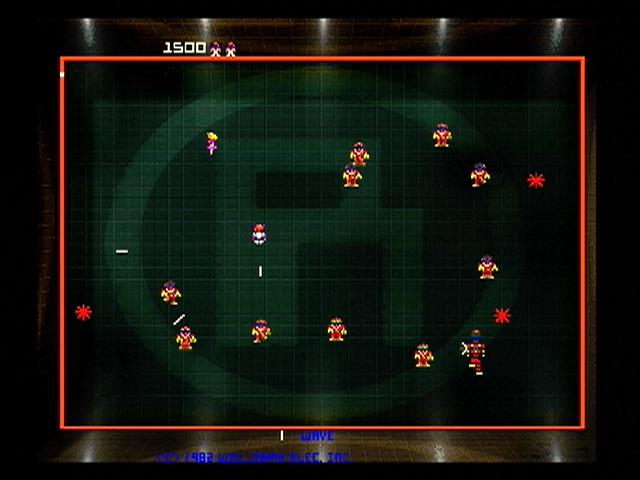
Robotron: 2084
1982 video game
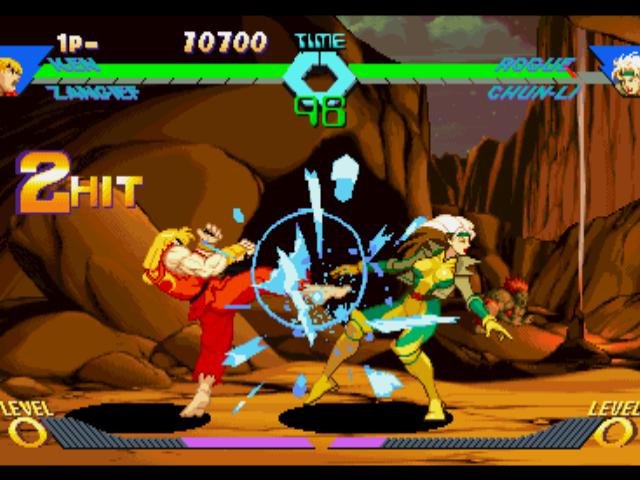
X-Men vs. Street Fighter
1996 video game