Category
page 1Architectural history
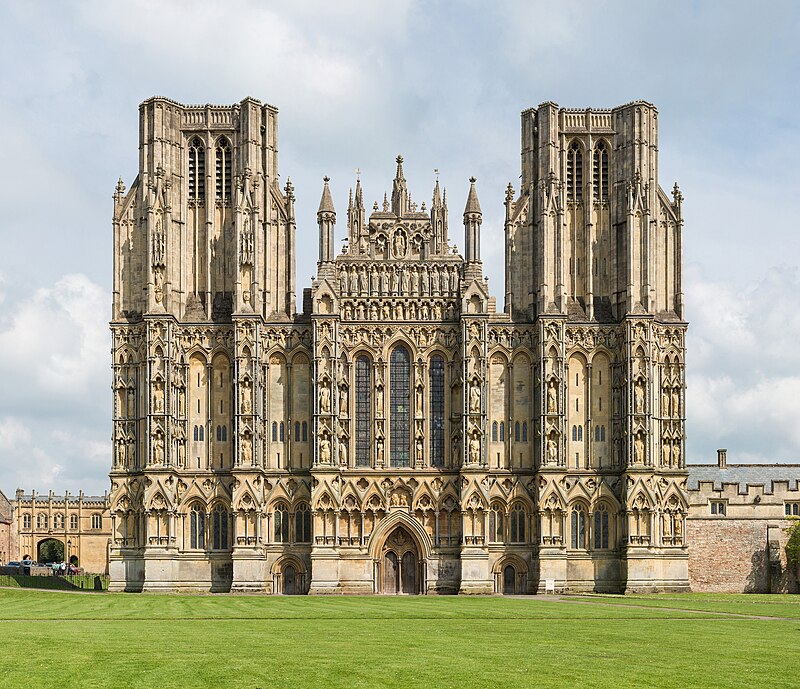
Gothic architecture
style of architecture

Castellane
Castellane (; Provençal Occitan: Castelana) is a commune in the Alpes-de-Haute-Provence department in the Provence-Alpes-Côte d'Azur region in Southeastern France. With a population of 1,470 (2019), it has the distinction of being France's least populated subprefecture, ahead of Largentière in Ardèche.

villa
thumb|right|300px|The Villa Medici in Fiesole with early terraced hillside [[landscape by Leon Battista Alberti]]
thumb|The Tamminiemi|Villa Tamminiemi, an [[Art Nouveau styled villa and house museum in Helsinki, Finland]]

ancient Roman architecture
architecture of the ancient Romans

Renaissance architecture
architectural style

modern architecture
type of architecture

ancient Greek architecture
era of architecture

Italian Renaissance
cultural movement from the 14th to 17th century

baroque architecture
building style of the Baroque era
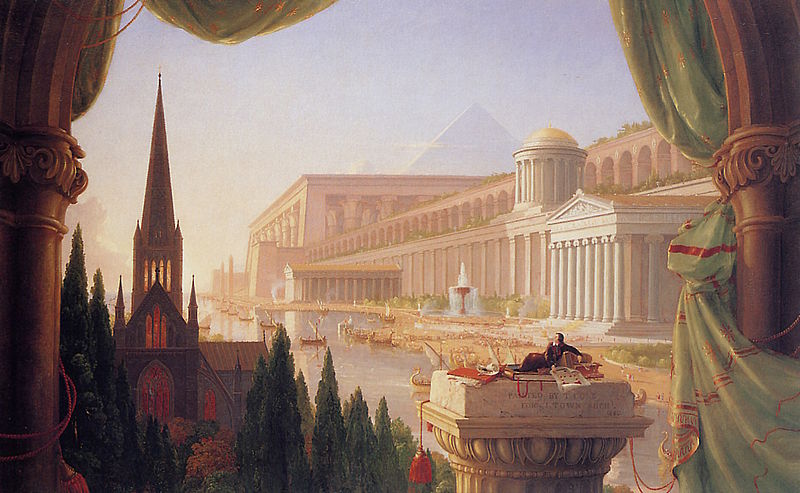
architectural style
visual characteristics of a building

vihara
thumb|Mahabodhi Temple in India.
Vihāra generally refers to a Buddhist temple or Buddhist monastery for Buddhist renunciates, mostly in the Indian subcontinent. The concept is ancient and in early Pali texts, it meant any arrangement of space or facilities for dwellings. The term evolved into an architectural concept wherein it refers to living quarters for monks with an open shared space or courtyard, particularly in Buddhism. The term is also found in Jain monastic literature, usually referring to temporary refuge for wandering monks or nuns during the annual Indian monsoons. In modern Jaini

Chinese architecture
style of architecture

history of architecture
field of history focused on architecture
ancient Egyptian architecture
aspect of architecture

Palladian architecture
architectural style derived from the work of Andrea Palladio

baluster
thumb|upright|Illustration of various examples of balusters, in A Handbook of Ornament, by Franz S. Meyer
thumb|upright|The term derives from the swelling form of the half-open flower of Punica granatum, in Italian balaustra

open-air museum
type of museum; museum that exhibits collections of buildings and artifacts out-of-doors

Manueline
The Manueline (, ), occasionally known as Portuguese late Gothic, is the sumptuous, composite Portuguese architectural style originating in the 16th century, during the Portuguese Renaissance and Age of Discoveries. Manueline architecture incorporates maritime elements and representations of the discoveries brought from the voyages of Vasco da Gama and Pedro Álvares Cabral. This innovative style synthesizes aspects of Late Gothic Flamboyant architecture with original motifs and influences of the Plateresque, Mudéjar, Italian, and Flemish architecture. It marks the transition from Late Gothic t
Roman concrete
building material used in construction during the late Roman Republic
atlas
architectural support
dzong
kind of fortress
high-tech architecture
architectural style that emerged in the 1970s
Victorian architecture
series of architectural revival styles
architectural theory
the act of thinking, discussing, and writing about architecture
expressionist architecture
architectural style
pre-Romanesque art
art style of Europe between the fall of Rome and the 11th century
Norman architecture
sub-type of Romanesque architecture
Moorish architecture
architectural style historically developed in the western Islamic world
historic preservation
preservation of items of historical significance
Athens Charter
proceedings of a conference
rustication
masonry technique of texturing

adyton
thumb|right|Location of the adyton within a temple
thumb|The adyton in the Temple of Apollo in Didyma
Metabolism
architectural style

trilithon
thumb|upright|Trilithon at Stonehenge

voussoir
thumb|William Henry Playfair, [[University of Edinburgh: bevelled edges of each stone block emphasise the voussoirs, which have a curved base and together form a semi-circle at the top of each arch.]]
A voussoir (UK: ; US: ) is a wedge-shaped element, typically a stone, which is used in building an arch or vault.
thumb|Joggled voussoir arch, located at the Mausoleum of Theodoric in [[Ravenna, Italy. (520 CE)]]
Each voussoir is formed in a specific way to fit within the arch or vault created. Normally, different colored stones are shaped to fit together in a curved way that relies on the balanc
Merovingian art
art of the Franks under the Merovingian dynasty
cour d'honneur
principal courtyard of a mansion or palace
Ferdowsi Mausoleum
mausoleum in Tus, Iranian national heritage site
semicircular arch
arches with intradoses that are full semicircles; shape common in ancient Roman architecture
Antonia Fortress
military barracks in Jerusalem
Venice Charter
international charta for the conservation and restoration of historic buildings

I quattro libri dell'architettura
Italian treatise on architecture by the architect Andrea Palladio (1508–1580)
Maya architecture
architecture style
villa rustica
Roman villa set in the open countryside, often as the hub of a large agricultural estate

Churrigueresque
thumb|Cathedral of Santiago de Compostela in [[Spain. Churrigueresque Obradoiro façade]]
thumb|Basilica and Convent of Nuestra Señora de la Merced, Lima
Churrigueresque (; Spanish: Churrigueresco), also but less commonly "Ultra Baroque", refers to a Spanish Baroque style of elaborate sculptural architectural ornament which emerged as a manner of stucco decoration in Spain in the late 17th century and was used until about 1750, marked by extreme, expressive and florid decorative detailing, normally found above the entrance on the main façade of a building.

Brusselisation
thumb|In Brussels, many historic buildings were demolished and replaced with generic modern ones. This high-rise stands on the site of [[Victor Horta's Maison du Peuple/Volkshuis.]]

facadism
thumb|upright=1.3|In the early 1920s, the Anglo-Czechoslovak Bank tore down its head office, the in [[Prague, and had it rebuilt behind the preserved façade on a design by architect Josef Gočár, visible in the background]]
Neolithic architecture
structures dated about 10,000 to 2,000 BC
Inca architecture
pre-Columbian architecture in South America
Carolingian architecture
architectural style
architecture of Mesopotamia
Western Asian architectural style
Nordic Classicism
architectural style
revivalism
use of visual styles in architecture that echo the style of a previous architectural era
Ottonian architecture
architectural style which evolved during the reign of Emperor Otto the Great
colonial architecture
architectural style in current or former colonies
Achaemenid architecture
architecture of the Achaemenid Empire
Visigothic art
art of the Visigoths
Athens Charter
manifesto on restoration of historic monuments

Ophel
300px|thumb|The ophel of Jerusalem. The Kidron Valley and [[Mount of Olives are in the background.]]
Isabelline
late-Gothic architectural style in the Spain of Ferdinand and Isabella