Category
page 1Arthropod suborders

Dendrobranchiata
Dendrobranchiata is a suborder of decapods, commonly known as prawns (though this may be ambiguous). There are 540 extant species in seven families, and a fossil record extending back to the Devonian. They differ from related animals, such as Caridea and Stenopodidea, by the branching form of the gills (hence their scientific name Dendrobrachiata) and by the fact that they do not brood their eggs, but release them directly into the water. They may reach a length of over and a mass of , and are widely fished and farmed for human consumption.

Mesothelae
The Mesothelae are a suborder of spiders (order Araneae). The division of extant members of the suborder into families has varied. A single extant family Liphistiidae may be accepted, with two subfamilies: Liphistiinae, containing only the genus Liphistius, and Heptathelinae, with seven genera. Alternatively, the two subfamilies may be treated as separate families, Liphistiidae and Heptathelidae. , the World Spider Catalog accepted the single family approach. There are also a number of extinct families.
Pleocyemata
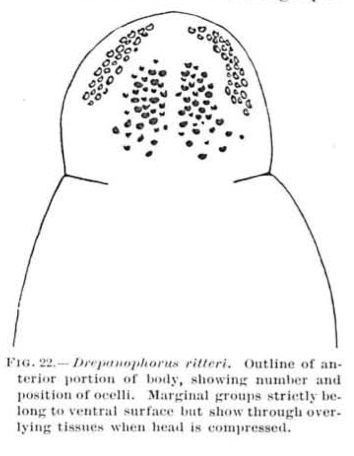
Pleocyemata is a suborder of decapod crustaceans, erected by Martin Burkenroad in 1963. Burkenroad's classification replaced the earlier sub-orders of Natantia and Reptantia with the monophyletic groups Dendrobranchiata (prawns) and Pleocyemata. Pleocyemata contains all the members of the Reptantia (including crabs, lobsters, crayfish, and others), as well as the Stenopodidea (which contains the so-called "boxer shrimp" or "barber-pole shrimp"), and Caridea, which contains the true shrimp.
Opisthothelae
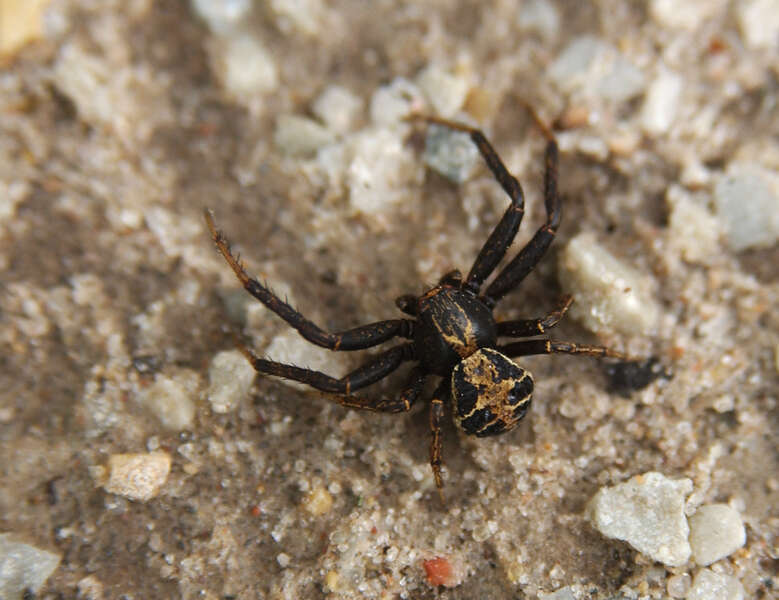
Opisthothelae is a suborder of spiders within the order Araneae, containing Mygalomorphae and Araneomorphae, but excluding Mesothelae. The Opisthothelae are sometimes presented as an unranked clade and sometimes as a suborder of Araneae. In the latter case, Mygalomorphae and Araneomorphae are treated as infraorders.
.jpg)
Prostigmata
thumb|Trombidium holosericeum (family [[Trombidiidae)]]
Prostigmata is a suborder of mites belonging to the order Trombidiformes, which contains the "sucking" members of the "true mites" (Acariformes).

Hyperiidea
The Hyperiidea is one of the six suborders of amphipods, small aquatic crustaceans. Unlike some other suborders of Amphipoda, hyperiids are exclusively marine and do not occur in fresh water. Hyperiids are distinguished by their large eyes and planktonic habitat. Most species of hyperiids are parasites or predators of salps and jellyfish in the plankton, although Themisto gaudichaudii and a few relatives are free-swimming predators of copepods and other small planktonic animals.
Cymothoida
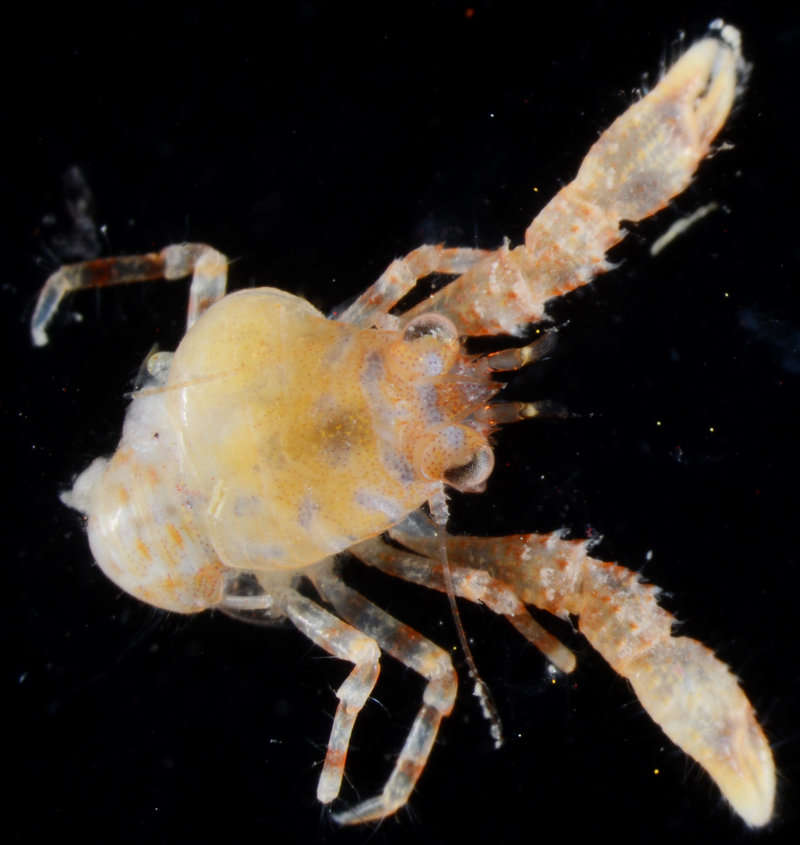
Cymothoida is a suborder of isopod crustaceans with a mostly carnivorous or parasitic lifestyle. It contains more than 2,700 described species in four superfamilies. Members of the suborder are characterised by their specialised mouthparts which include a mandible with a tooth-like process which is adapted for cutting or slicing.
Laniatores
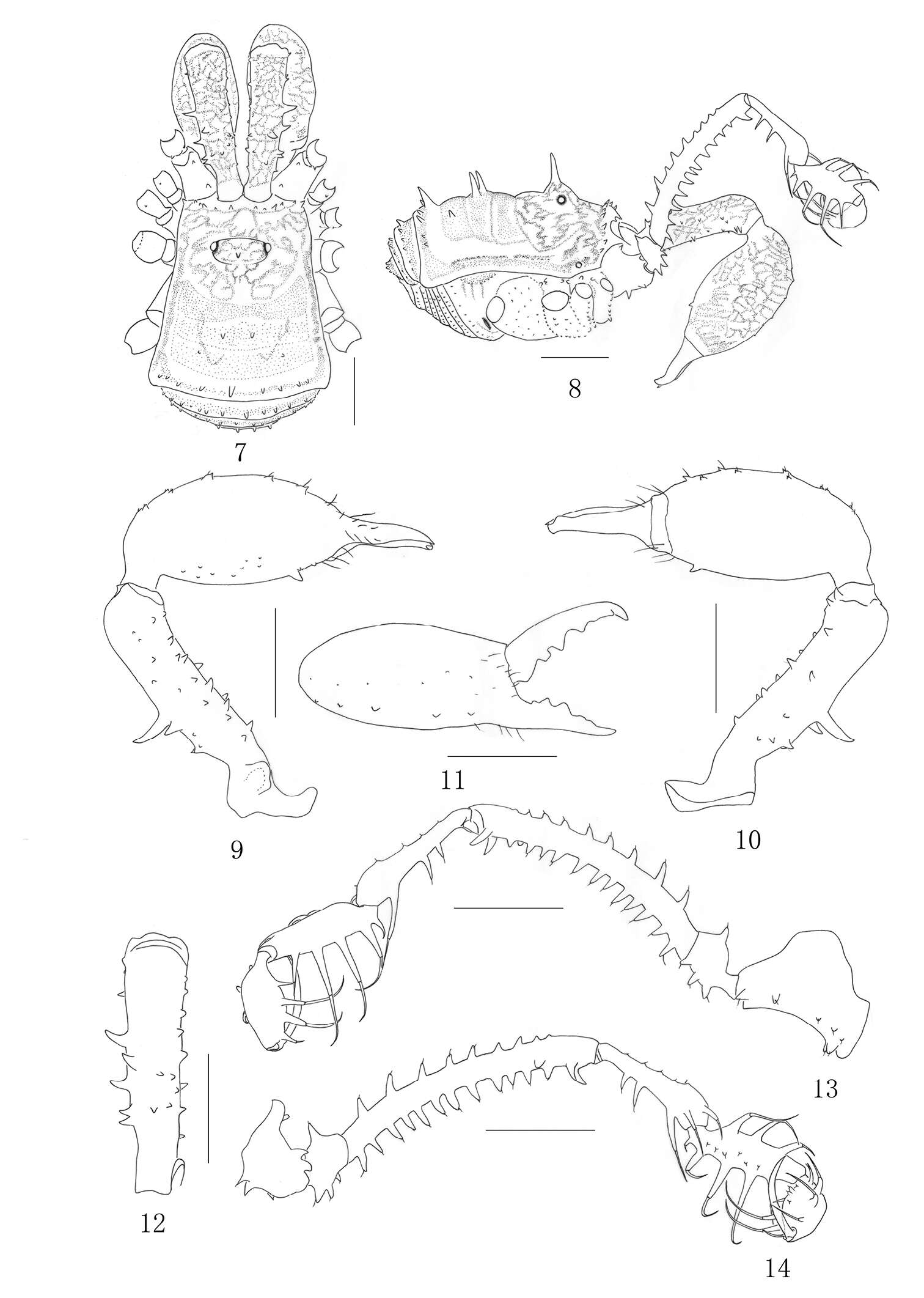
Laniatores is the largest suborder of the arachnid order Opiliones with over 4,200 described species worldwide. The majority of the species are highly dependent on humid environments and usually correlated with tropical and temperate forest habitats.
Cyphophthalmi
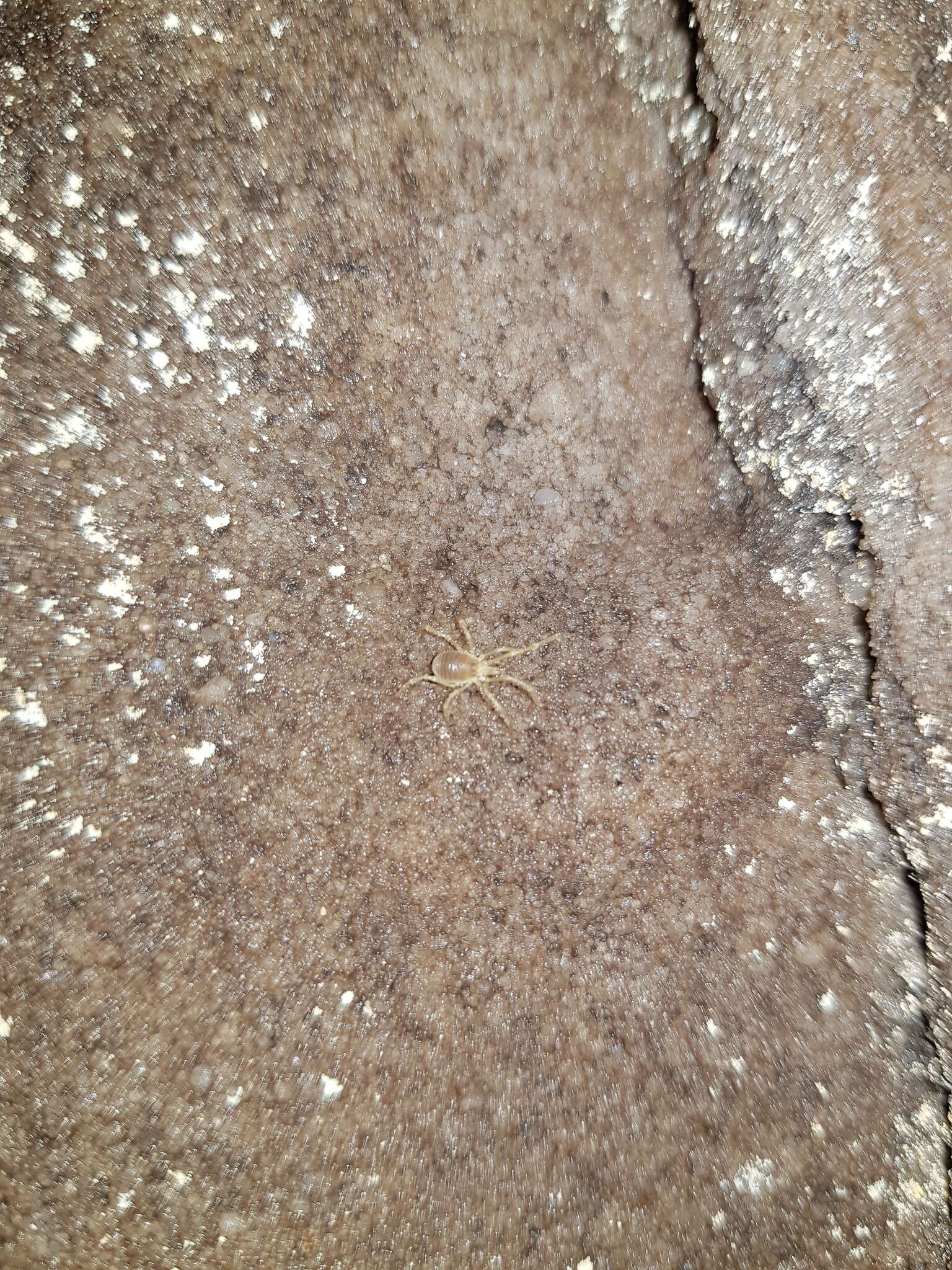
Cyphophthalmi is a suborder of harvestmen, colloquially known as mite harvestmen. Cyphophthalmi comprises 36 genera, and more than two hundred described species. The six families are currently grouped into three infraorders: the Boreophthalmi, Scopulophthalmi, and Sternophthalmi.

Eupnoi
The Eupnoi are a suborder of harvestmen, with more than 200 genera, and about 1,700 described species.

Asellota
Asellota is a suborder of isopod crustaceans found in marine and freshwater environments. Roughly one-quarter of all marine isopods belong to this suborder. Members of this suborder are readily distinguished from other isopods by their complex copulatory apparatus. Other characteristics include six-jointed antennal peduncle, the styliform uropods (a character shared with some other isopod groups), the fusion of pleonites 5, 4 and sometimes 3 to the pleotelson, and absence of the first pleopod in females.
Ingolfiellidea
Ingolfiellida is an order of Peracaridan crustaceans, containing one suborder, Ingolfiellidea; both of these are monotypic, containing just one subordinate group. Subordinate to these is infraorder Ingolfiellidamorpha.
Dyspnoi
Dyspnoi is a suborder of harvestmen, currently comprising 43 extant genera and 356 extant species, although more species are expected to be described in the future. The eight families are currently grouped into three superfamilies: the Acropsopilionoidea, Ischyropsalidioidea, and Troguloidea.

Senticaudata
Senticaudata is one of the six suborders of the crustacean order Amphipoda (the group of scuds or sideswimmers). It includes some 6000 species, which is more than 50% of the currently recognized amphipod diversity.
Sphaerolichida
The Sphaerolichida is a suborder of mites belonging to the order Trombidiformes.
Valvifera
The Valvifera are marine isopod crustaceans. Valviferans are distinguished, however, by the flat, valve-like uropods which hinge laterally and fold inward beneath the rear part of their bodies, covering the pleopods. Some species are omnivorous, and serve as effective scavengers in the economy of the sea.

Poecilostomatoida
Poecilostomatoida is a suborder of copepods. Although it was previously considered a separate order.
Cypridocopina
Cypridocopina is a suborder of ostracods in the order Podocopida. It is divided into three superfamilies – Cypridoidea, Macrocypridoidea and Pontocypridoidea.
Sphaeromatidea
Sphaeromatidea is a suborder of isopod crustaceans.
Olenellina
Olenellina is a suborder of the order Redlichiida of trilobites that occurs about halfway during the Lower Cambrian, at the start of the stage called the Atdabanian. Olenellina are arguably the earliest trilobites in the fossil record as members of Redlichiina, although Ptychopariida and Eodiscina follow soon after. The suborder died out when the Lower Cambrian passed into the Middle Cambrian, at the end of the stage called Toyonian. A feature uniting the Olenellina is the lack of rupture lines (or sutures) in the headshield, which in other trilobites assist the periodic moulting (or ecdysis),
Eodiscina
Eodiscina is trilobite suborder. The Eodiscina first developed near the end of the Lower Cambrian period (late Atdabanian) and became extinct at the end of the Middle Cambrian. Species are tiny to small, and have a thorax of two or three segments. Eodiscina includes six families classified under one superfamily, Eodiscoidea.
Phacopina
The Phacopina comprise a suborder of the trilobite order Phacopida. Species belonging to the Phacopina lived from the Lower Ordovician (Tremadocian) through the end of the Upper Devonian (Famennian). The one unique feature that distinguishes Phacopina from all other trilobites are the very large, separately set lenses without a common cornea of the compound eye.
Anomopoda
Anomopoda is an order of the superorder Diplostraca. These crustaceans, a type of water flea, are members of the class Branchiopoda. The Anomopoda typically have five pairs of thoracic limbs, but sometimes have six pairs. The head of the Anomopoda lacks a clear separation from the trunk and the posterior, while the abdomen area gradually merges with the anterior of the trunk.
Stylonurina
Stylonurina is one of two suborders of eurypterids, a group of extinct arthropods commonly known as "sea scorpions". Members of the suborder are collectively and informally known as "stylonurine eurypterids" or "stylonurines". They are known from deposits primarily in Europe and North America, but also in Siberia.
Redlichiina
Redlichiina is a suborder of the order Redlichiida of trilobites. The suborder contains three superfamilies: Emuelloidea, Redlichioidea and Paradoxidoidea. These trilobites are some of the oldest trilobites known. They originated at the beginning of the Cambrian Period and disappeared (possibly by evolving into members of the Ptychopariida order) at the end of the middle Cambrian.
Phreatoicidea
Phreatoicidea is a suborder of isopod crustaceans. Extant species are confined to freshwater environments in South Africa, India, and Oceania. This seemingly Gondwana-derived distribution belies the fact that the group once had a cosmopolitan distribution; fossils which can be assigned to the Phreatoicidea are the oldest isopod fossils, and are found throughout the world. In the intervening 325 million years, phreatoicideans have changed little, and are thus considered living fossils.
Eurypterina
Eurypterina is one of two suborders of eurypterids, an extinct group of chelicerate arthropods commonly known as "sea scorpions". Eurypterine eurypterids are sometimes informally known as "swimming eurypterids". They are known from fossil deposits worldwide, though primarily in North America and Europe.
Halocypridina
Halocypridina is a suborder of seed shrimp in the order Halocyprida. Ostracods of this group often have a dorsoposterior spine on the carapace. The adductor muscle scars show various patterns, in contrast to those of the Cladocopina, which are in a triangular pattern (three scars) or a half-rosette (15 scars). A sixth limb is present (absent in Cladocopina). The group is divided into the Halocypridae and the Thaumatocyprididae.
Ctenopoda
Ctenopoda, from Ancient Greek κτείς (kteís), meaning "comb", and πούς (poús), meaning "foot", are an order of the superorder Diplostraca, comprising the three families Holopediidae, Pseudopenilidae, and Sididae. Its members mostly live in fresh water, but Penilia is marine. Some Ctenopoda have accidentally been introduced by humans to areas outside of their native range.
Calymenina
Calymenina is a suborder of the trilobite order Phacopida.
Brachypylina
thumb|Tereticepheus palmicinctum (Cepheidae)
Brachypylina is a group of oribatid mites, variously listed as a suborder, infraorder, or a cohort.
Myodocopina
Myodocopina is a suborder of ostracods.