Category
page 1Asphodelaceae genera

Aloe
thumb|180px|Succulent plants, such as this aloe, store water in their enlarged fleshy leaves, stems, or roots, as shown in this split aloe leaf. This allows them to survive in arid environments.
thumb|alt=Aloe Vera houseplant|Spikes on an Aloe Vera houseplant

Asphodelus
thumb|right|Asphodelus ramosus
Asphodelus is a genus of mainly perennial flowering plants in the asphodel family Asphodelaceae that was first described by Carl Linnaeus in 1753. The genus was formerly included in the lily family (Liliaceae). The genus is native to temperate Europe (mostly the south of Europe), the Mediterranean, Africa, the Middle East, and the Indian subcontinent, and some species have been introduced to, and are now naturalized in, other places such as New Zealand, Australia, Mexico and southwestern United States. Many asphodels are popular garden plants, which grow in well-

Hemerocallis
A daylily, day lily or ditch-lily is a flowering plant in the genus Hemerocallis , a member of the family Asphodelaceae, subfamily Hemerocallidoideae, native to Asia. Despite the common name, it is not taxonomically classified in the lily genus. Gardening enthusiasts and horticulturists have long bred Hemerocallis species for their attractive flowers; a select few species of the genus have edible petals, while some are extremely toxic. Thousands of cultivars have been registered by the American Daylily Society, the only internationally recognized registrant according to the International Code

Xanthorrhoea
Xanthorrhoea () is a genus of about 30 species of succulent flowering plants in the family Asphodelaceae. They are endemic to Australia. Common names for the plants include grasstree, grass gum-tree (for resin-yielding species), kangaroo tail, balga (Western Australia), yakka (South Australia), yamina (Tasmania, from the palawa kani language), and black boy (or "blackboy"). The most common species is Xanthorrhoea australis, and some of these names are applied specifically to this species.

Gasteria
Gasteria is a genus of succulent plants, native to South Africa and the far south-west corner of Namibia.

Eremurus
Eremurus is a genus of deciduous perennial flowers in the family Asphodelaceae. They are also known as the foxtail lilies or desert candles. They are native to eastern Europe (Russia and Ukraine), and temperate Asia from Turkey to China, with many species in Central Asia.
.jpg)
Haworthia
Haworthia is a large genus of small succulent plants endemic to Southern Africa
(Mozambique, Namibia, Lesotho, Eswatini and South Africa).

Kniphofia
Kniphofia (, , ) is a genus of perennial flowering plants in the family Asphodelaceae, first described as a genus in 1794. All species of Kniphofia are native to Africa. Common names include tritoma, red hot poker, torch lily and poker plant.

Phormium
Phormium is a genus of two plant species in the family Asphodelaceae. One species is endemic to New Zealand and the other is native to New Zealand and Norfolk Island. The two species are widely known in New Zealand as flax or their Māori names wharariki and harakeke respectively, and elsewhere as New Zealand flax or flax lily, but they are not closely related to the Northern Hemisphere's flax (Linum usitatissimum), which is native to the region extending from the eastern Mediterranean to India and has been used by humans since 30,000 B.C.

Bulbine
Bulbine is a genus of plants in the family Asphodelaceae and subfamily Asphodeloideae, named for the bulb-shaped tuber of many species. It was formerly placed in the Liliaceae. It is found chiefly in Southern Africa, with a few species extending into tropical Africa and a few others in Australia and Yemen.
Trachyandra
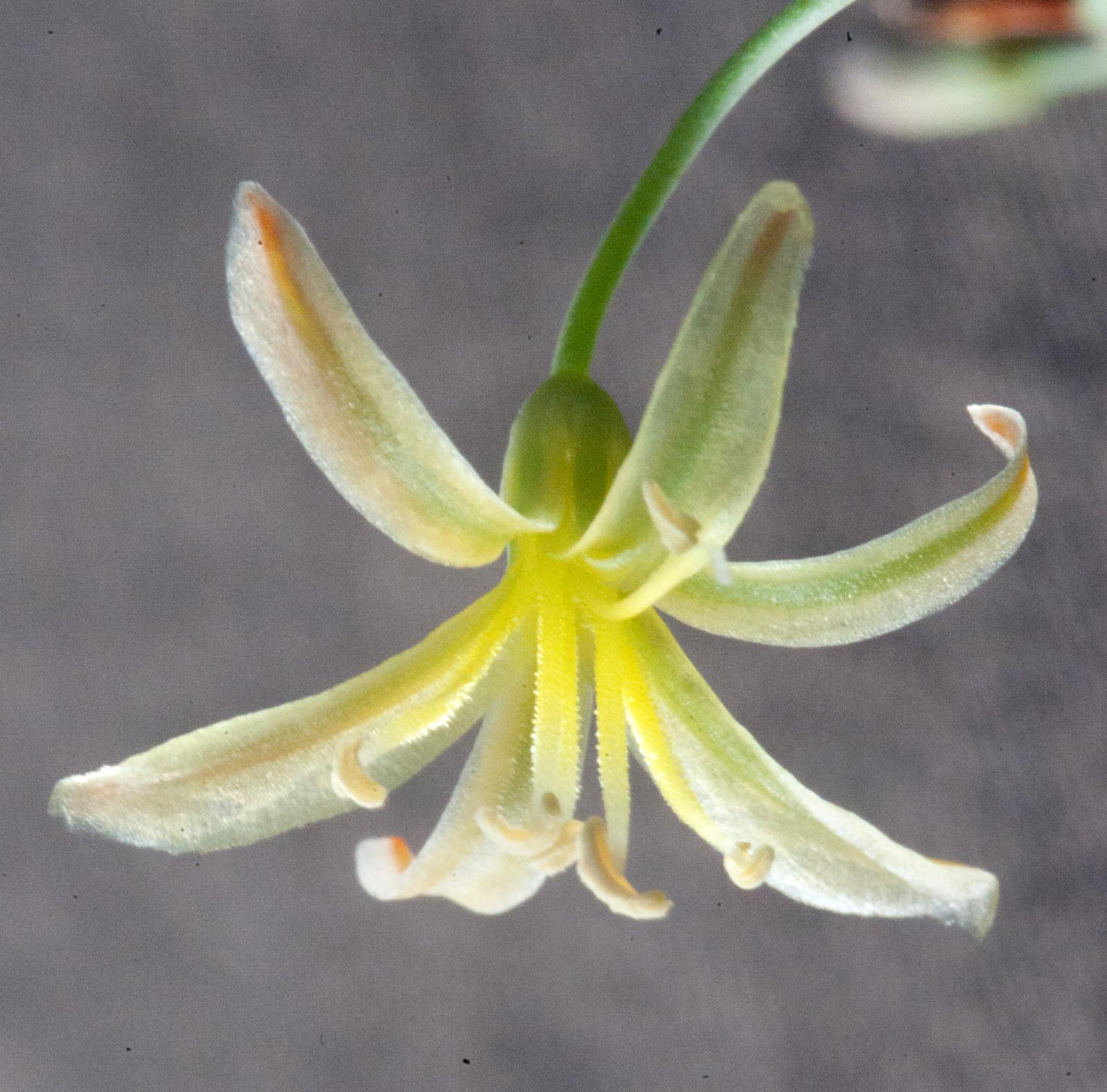
Trachyandra is a genus of plant in the family Asphodelaceae, subfamily Asphodeloideae, first described as a genus in 1843. It is native to eastern and southern Africa, as well as to Yemen and Madagascar. Many of the species are endemic to South Africa.

Dianella
genus of plants

Astroloba
Astroloba is a genus of flowering plants in the family Asphodelaceae, subfamily Asphodeloideae, native to the Cape Province of South Africa.

Aloidendron
Aloidendron is a genus of succulent plants in the subfamily Asphodeloideae. It was split off from the much larger genus Aloe in 2013.

Bulbinella
Bulbinella is a genus of plants in the family Asphodelaceae, subfamily Asphodeloideae, first described as a genus in 1843. Many species are endemic to Cape Province in western South Africa, confined to the winter rainfall area. Other species are endemic to New Zealand, where they are most common in the central Otago region which enjoys a similar climate to the Cape Region of South Africa.
Thelionema
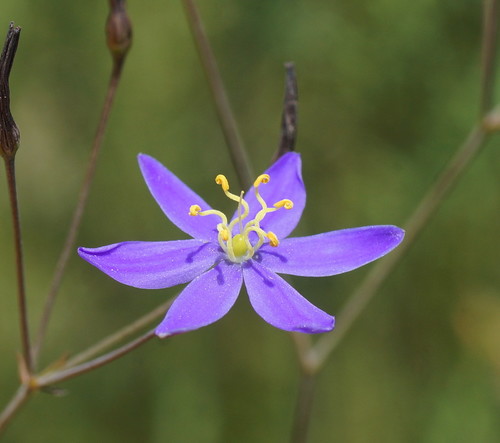
Thelionema is a small genus of tufted perennials in the family Asphodelaceae, subfamily Hemerocallidoideae. All three species, which were previously placed in the genus Stypandra, are native to Australia. These are:
Stypandra
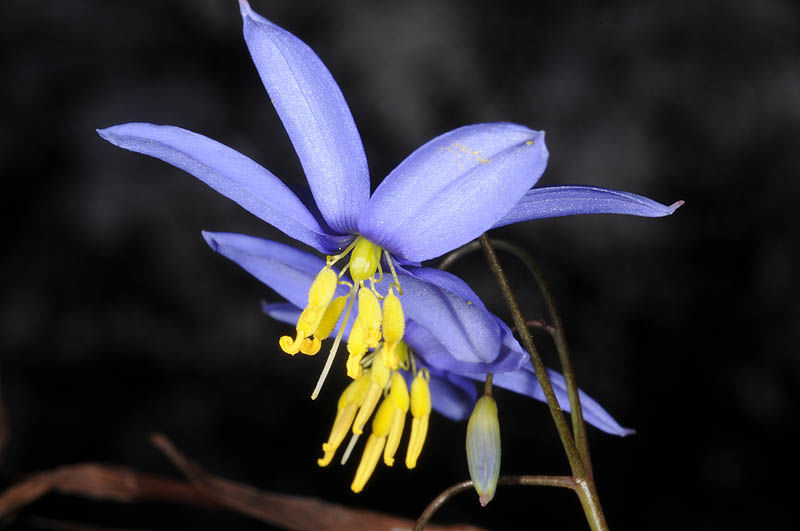
Stypandra is a small genus of rhizomatous perennials in the family Asphodelaceae, subfamily Hemerocallidoideae. They are native to Australia and New Caledonia.
Chamaescilla
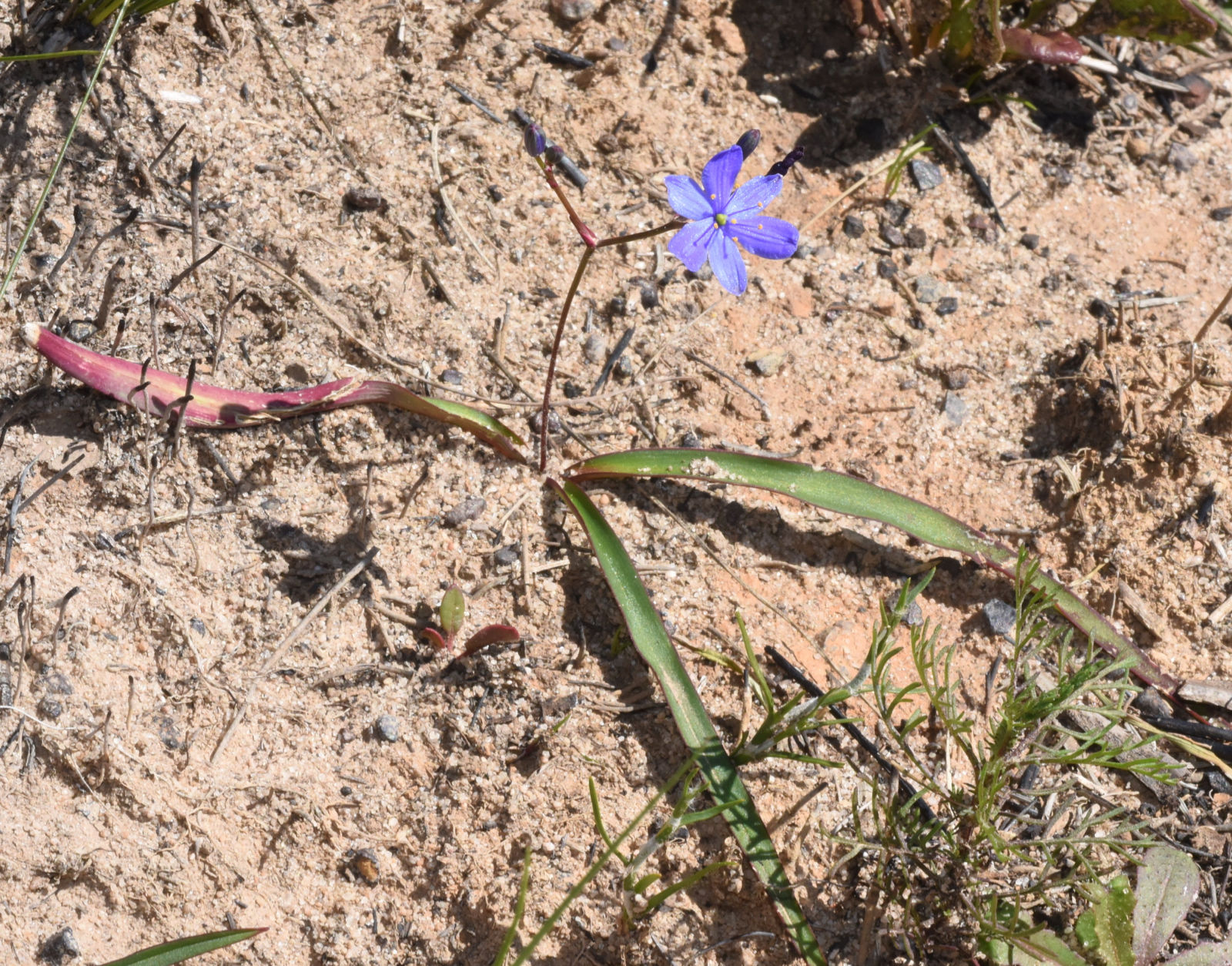
Chamaescilla is a genus of Australian herbs in the subfamily Hemerocallidoideae within the asphodel family. They have grass-like basal leaves and tuberous roots. The flowers have six petals (each with three nerves) and six stamens. The seed capsules contain black, glossy seeds.
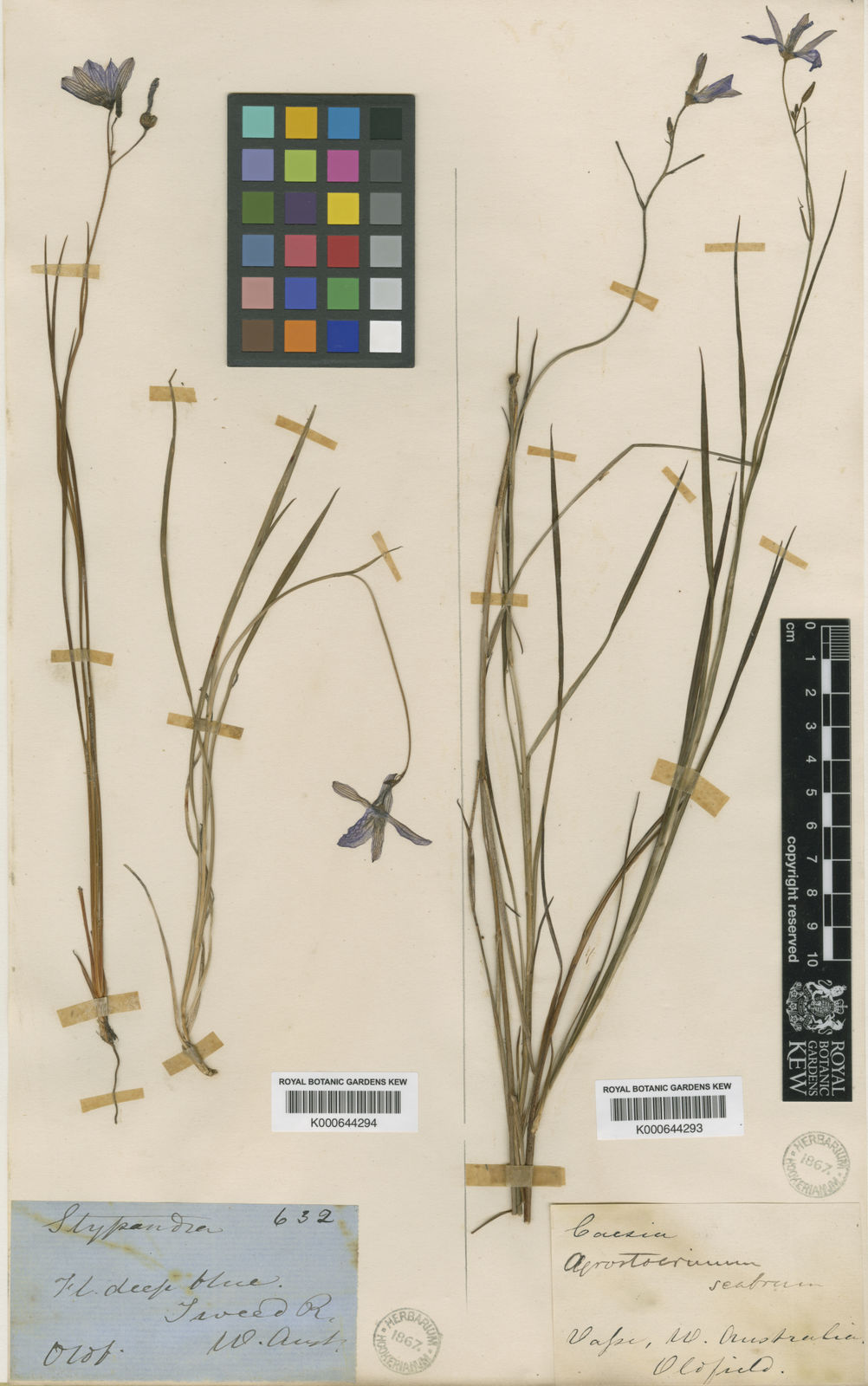
Agrostocrinum
Agrostocrinum is a genus of herbs in the family Asphodelaceae, subfamily Hemerocallidoideae, first described by Ferdinand von Mueller as a genus in 1860. The entire genus is endemic to the State of Western Australia.

Gonialoe
Gonialoe (the partridge aloes) is a small genus of three succulent plant species—Gonialoe dinteri, Gonialoe sladeniana and Gonialoe variegata—endemic to coastal South Africa, Namibia and Angola. They were formerly included within the larger, related genus Aloe.
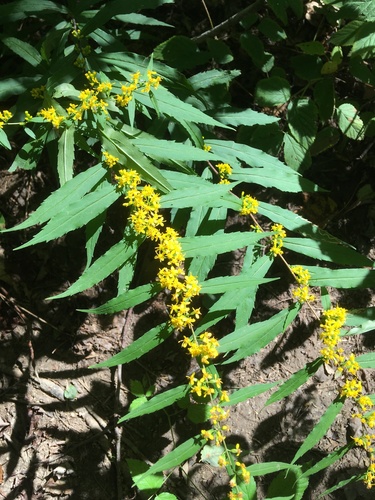
Caesia
Caesia is a genus of herbs in the family Asphodelaceae, subfamily Hemerocallidoideae, native to Australia, New Guinea, Madagascar and Southern Africa. The mostly 3-lobed seed capsules contain rounded black seeds. The genus was named in honour of Federico Cesi (1585–1630), an Italian scientist.

Corynotheca
Corynotheca is a genus of herbs in the family Asphodelaceae, subfamily Hemerocallidoideae, first described as a genus in 1878. The entire genus is endemic to Australia.
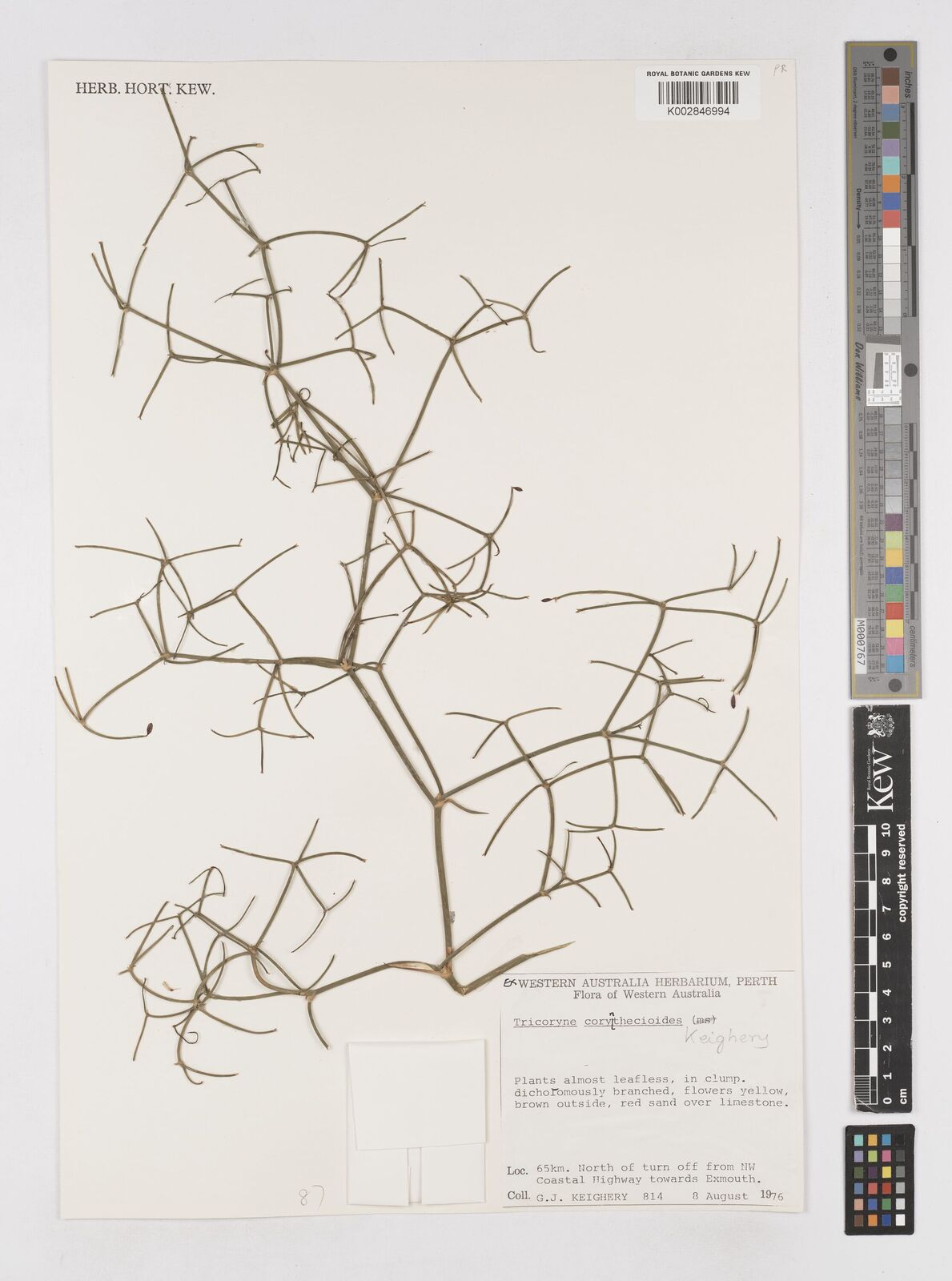
Tricoryne
Tricoryne is a genus of perennial herbs in the family Asphodelaceae, subfamily Hemerocallidoideae. All species are native to Australia with two species extending to New Guinea; within Australia they occur in all 6 states and the Northern Territory.
Johnsonia
genus of plants
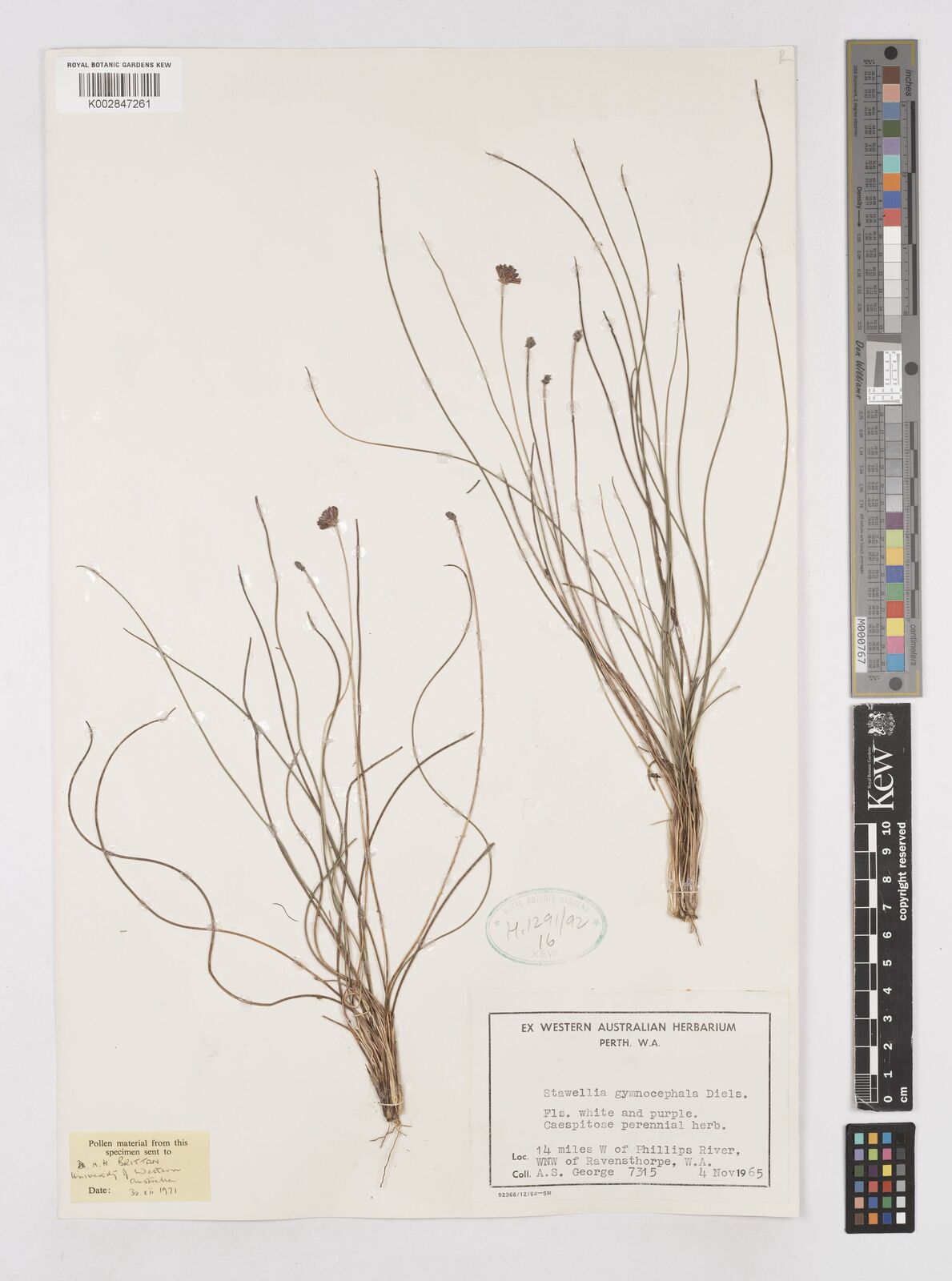
Stawellia
Stawellia is a genus of herbs in the family Asphodelaceae, subfamily Hemerocallidoideae, first described as a genus in 1870. The entire genus is endemic to the State of Western Australia.
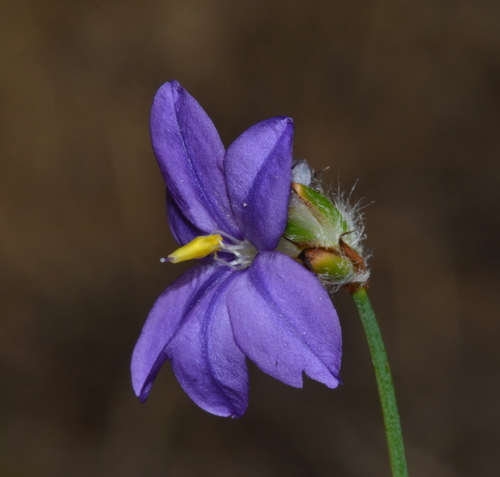
Arnocrinum
Arnocrinum is a genus of herbs in the family Asphodelaceae, first described as a genus in 1846. The entire genus is endemic to the state of Western Australia.

Kumara
genus of plants
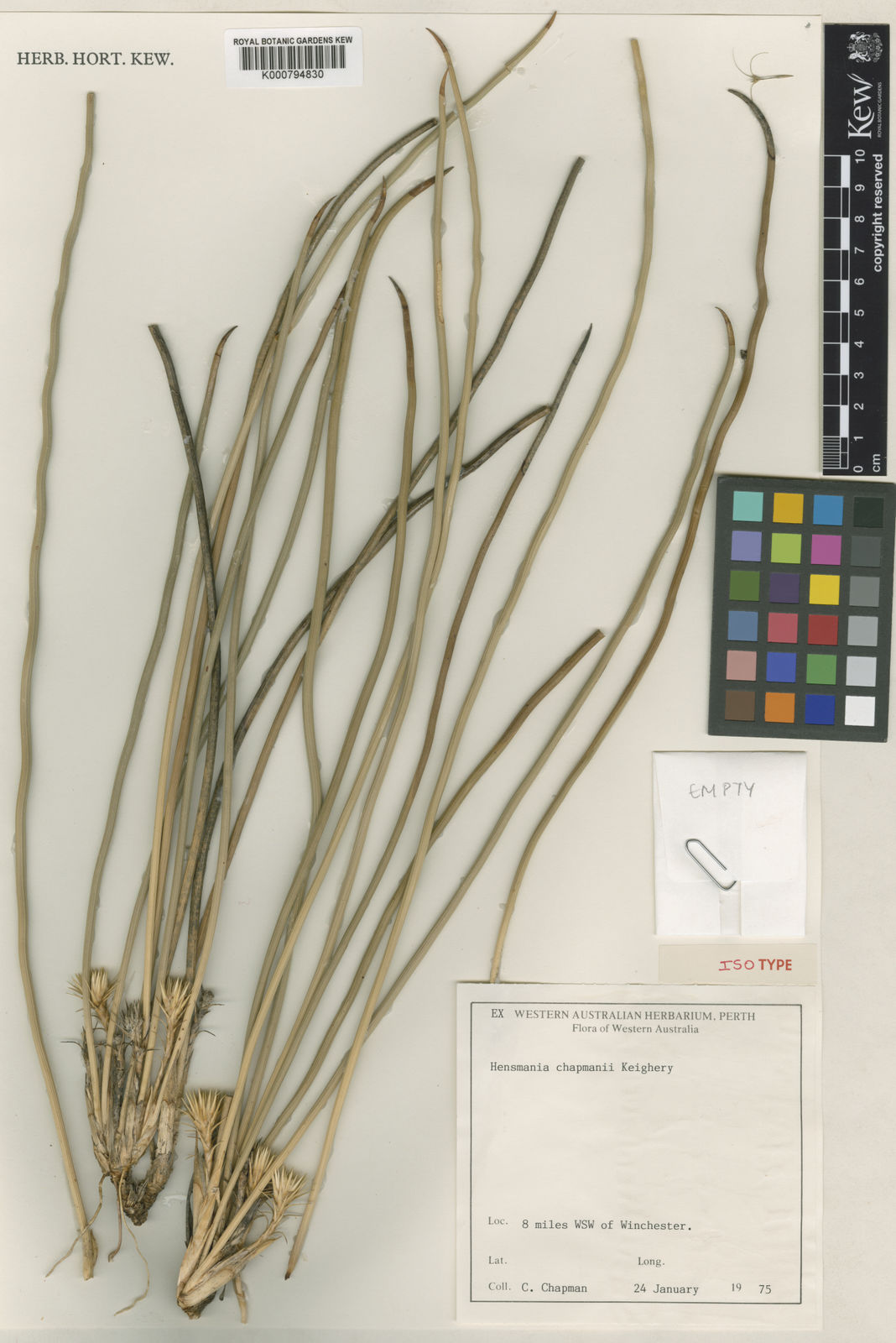
Hensmania
Hensmania is a genus of herbs in the family Asphodelaceae, first described as a genus in 1903 by William Vincent Fitzgerald. The entire genus is endemic to the state of Western Australia.

Jodrellia
Jodrellia is a genus of flowering plants in the family Asphodelaceae, first described as a genus in 1978.
The genus is native to eastern + south-central Africa, and has two recognized species.
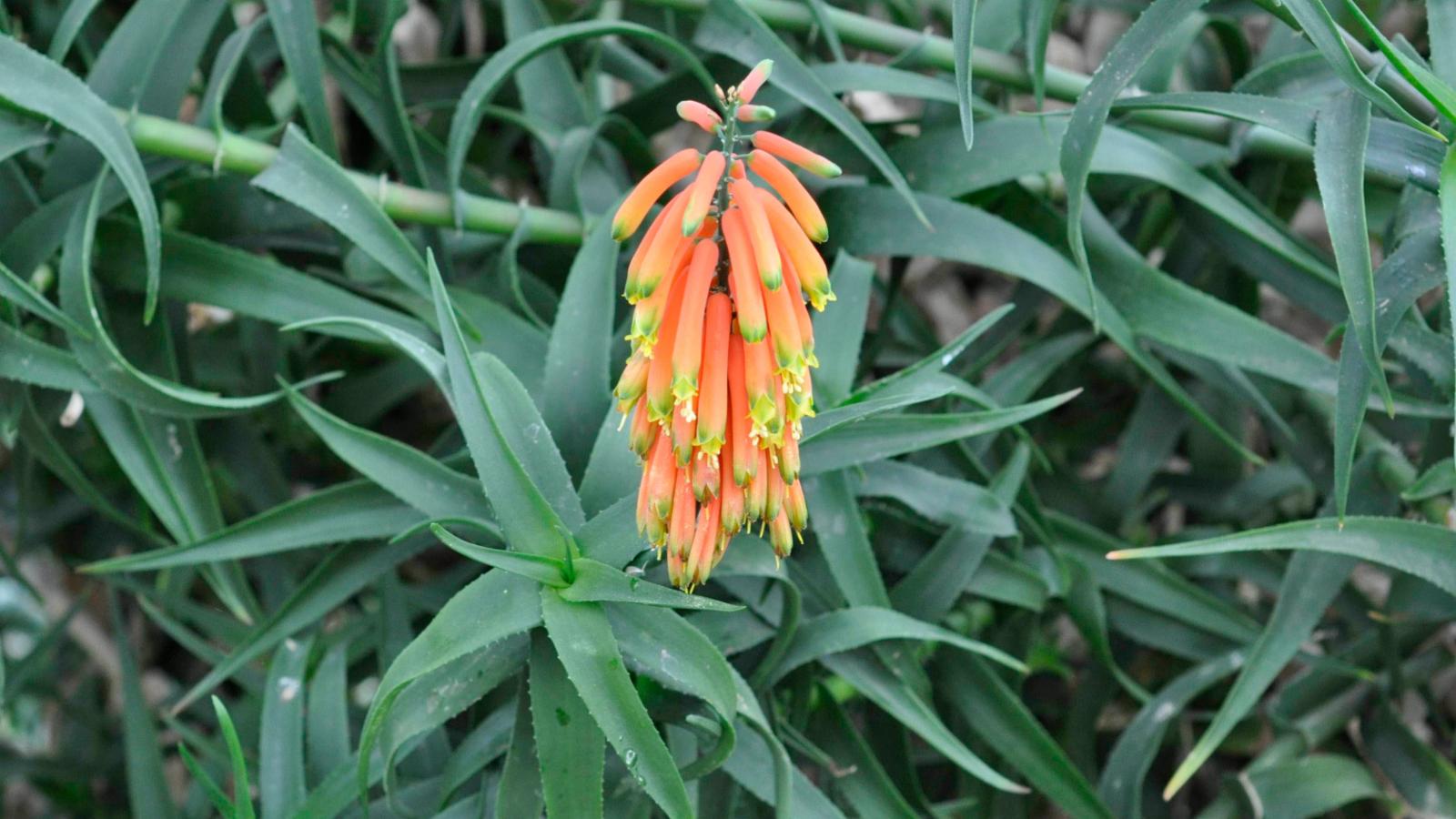
Aloiampelos
Aloiampelos (combination of 'Aloe' and 'ampelos'=vine or creeper), formerly '''Aloe ser. Macrifoliae (the climbing-aloes''') is a genus of succulent plants in the subfamily Asphodeloideae, comprising seven species found in Southern Africa. They are typically multi-branched climbing or sprawling shrubs, with long spindly stems and a large woody base on the ground. These characteristics, as well as their soft, narrow, triangular leaves whose lower part ensheathes the stem, make them easy to distinguish.
Tulista
Tulista is a small genus of succulent plants endemic to the Cape Provinces of South Africa. They were formerly included within the genus Haworthia.

Haworthiopsis
Haworthiopsis is a genus of succulent plants in the subfamily Asphodeloideae. The genus was previously included in Haworthia. Species in the genus are typically short perennial plants, with leaves often arranged in a rosette and frequently having raised white markings. The two-lipped flowers are borne on a tall stalk and are small – less than long – and pale in colour. Many species are cultivated as house plants or by succulent enthusiasts.
×Gasteraloe
nothogenus of plants
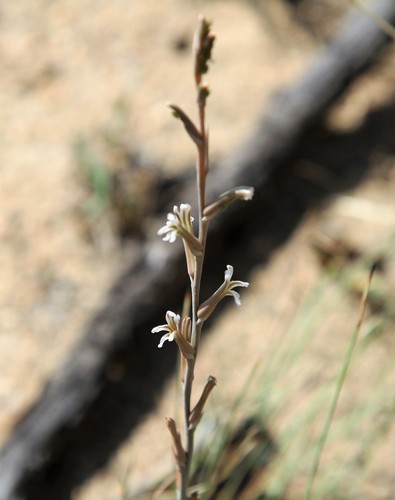
Chortolirion
Chortolirion (Gk. 'chortos' = 'pasture', 'lirion' ='lily') is a genus of perennial plants in the family Asphodelaceae, subfamily Asphodeloideae, first described as a genus in 1908. It is native to Southern Africa.