Category
page 1Astarte
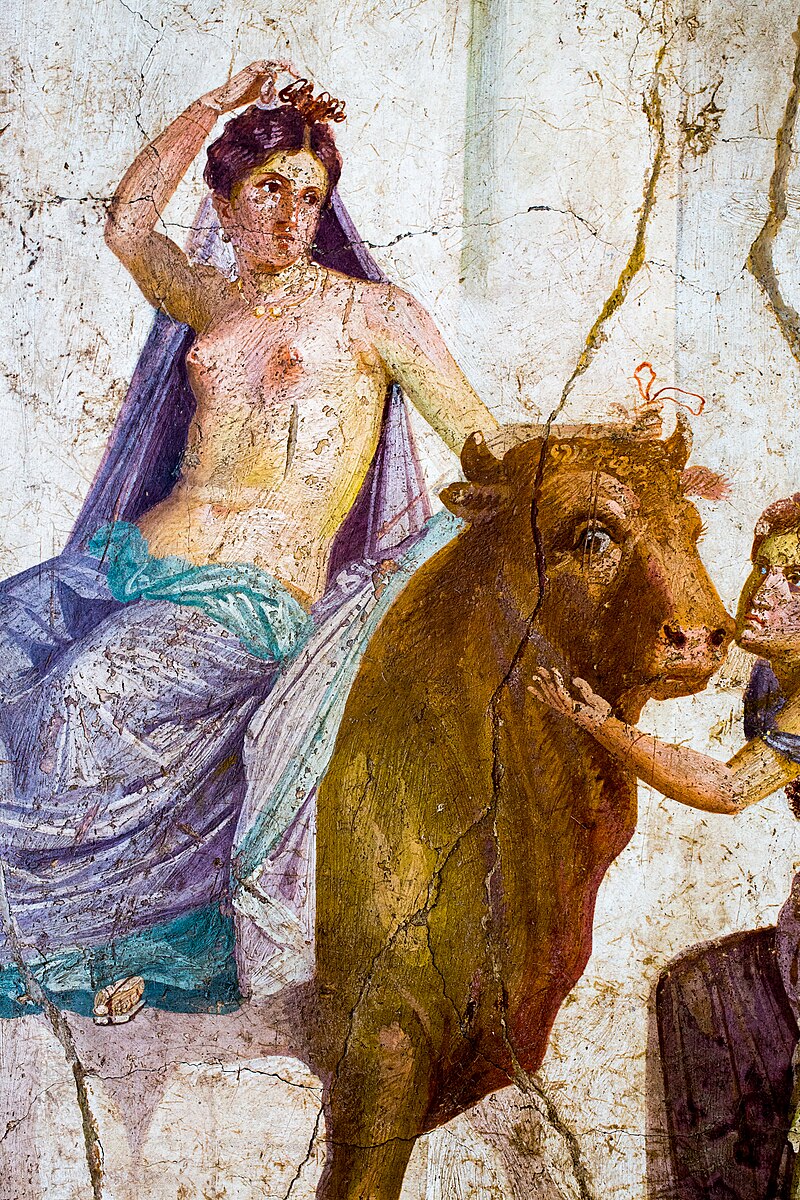
Europa
Phoenician character in Greek mythology, daughter of Agenor

Astarte
Astarte (; ) is the Hellenized form of the Ancient Near Eastern goddess ʿAṯtart. ʿAṯtart was the Northwest Semitic equivalent of the East Semitic goddess Ishtar.

Atargatis
Atargatis (known as Derceto by the Greeks) was the chief goddess of northern Syria in Classical antiquity. Primarily she was a fertility goddess, but, as the baalat ("mistress") of her city and people she was also responsible for their protection and well-being. Her chief sanctuary was at Hierapolis, modern Manbij, northeast of Aleppo, Syria.

Astaroth
right|thumb|Astaroth illustration from the Dictionnaire Infernal (1818) by [[Louis Le Breton.]]

The Scorpion King 2: Rise of a Warrior
2008 film by Russell Mulcahy
Uni
Etruscan goddess of love and marriage
The High Priestess
second Major Arcana tarot card, simbolising wisdom and intuition
Pyrgi Tablets
three golden plaques inscribed with a bilingual Phoenician–Etruscan dedicatory text ca. 500 B.C.
Snake Goddess
Minoan goddess figurine

Ulalume
thumb|right|The first page of Ulalume, as the poem first appeared in the The American Review: A Whig Journal|American Review in 1847
"Ulalume" () is a poem written by Edgar Allan Poe in 1847. Much like a few of Poe's other poems (such as "The Raven", "Annabel Lee", and "Lenore"), "Ulalume" focuses on the narrator's loss of his beloved due to her death. Poe originally wrote the poem as an elocution piece and, as such, the poem is known for its focus on sound. Additionally, it makes many allusions, especially to mythology, and the identity of Ulalume herself, if a real person, has been a subject
Temple of Eshmun
temple in Lebanon
Ithobaal I
Phoenician king (1 Kings 16)

Divinity: Original Sin
2014 video game

Shub-Niggurath
Shub-Niggurath is a fictional deity created by H. P. Lovecraft. She is often associated with the phrase "The Black Goat of the Woods with a Thousand Young". The only other name by which Lovecraft referred to her was "Lord of the Wood" in his story The Whisperer in Darkness.

The Principle of Evil Made Flesh
album by Cradle of Filth
Aisha Qandicha
female mythological figure in northern Moroccan folklore
Ba‘alat Gebal
Phoenician deity
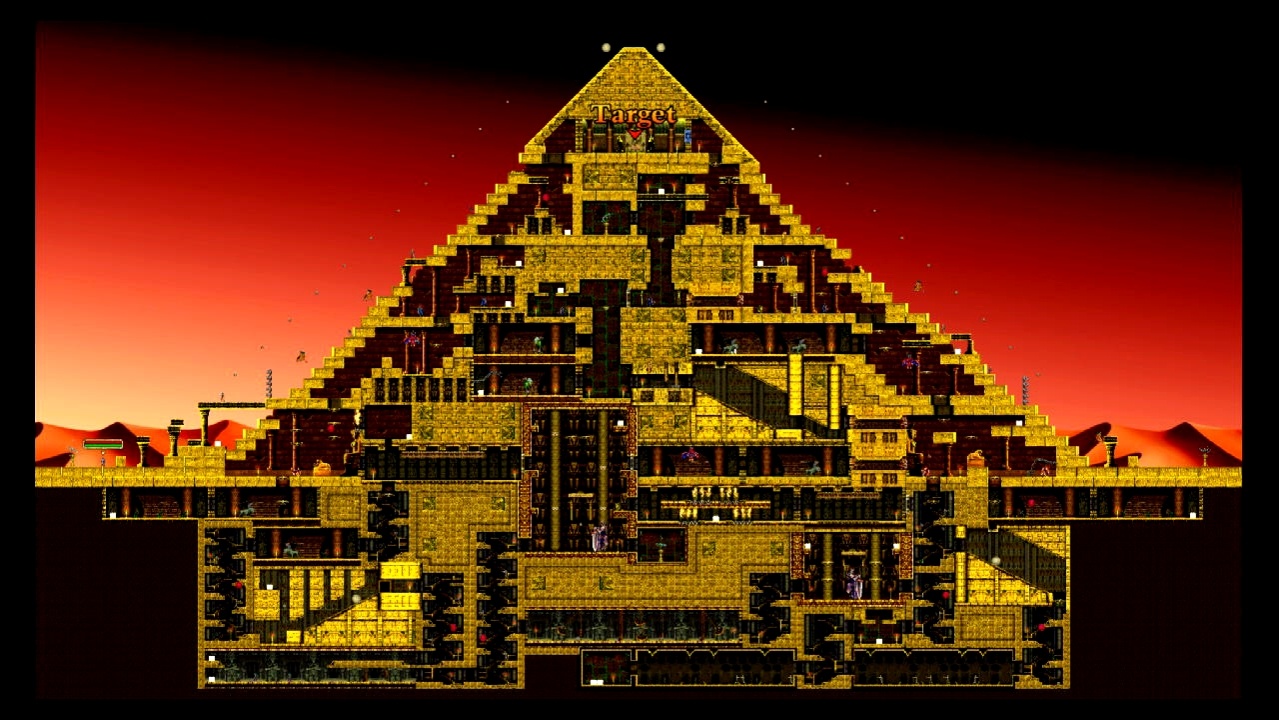
Castlevania: Harmony of Despair
2010 video game

necropolis of Kerkouane
necropolis in Tunisia
Cancho Roano
Archaeological site in Zalamea de la Serena, Spain

Lady of Galera
alabaster female figurine, made in the 7th century BC
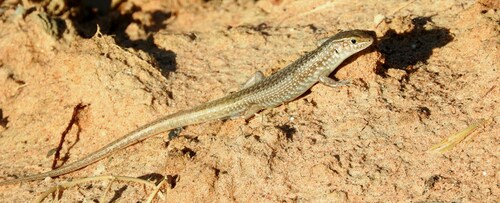
Ctenotus astarte
species of reptile

The Prodigal
1955 film by Richard Thorpe
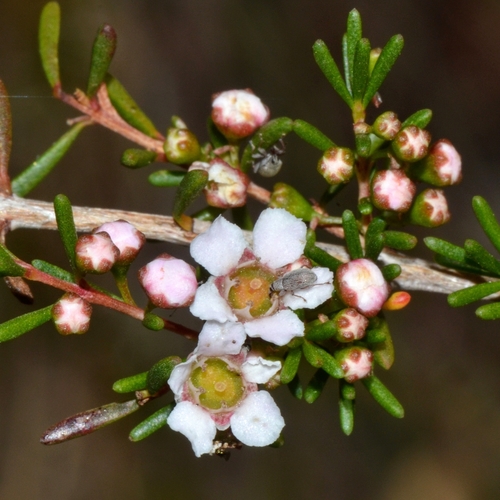
Astartea
Astartea is a genus of flowering plants in the myrtle family, Myrtaceae. The genus is endemic to southwestern Western Australia. The genus name was inspired by Astarte, the Greek name for the goddess Ishtar.
Ininthimeus
Ininthimeus (), also known as Ininthimaios, Ininthimeos or Ininthimaeus, was the king of the Bosporan Kingdom, a Roman client state, from 234 to 239. His origin and lineage are uncertain; he might have been a member of the ruling Tiberian-Julian dynasty or alternatively perhaps a foreign usurper. Inintimeus's reign was marked by large-scale construction projects for defensive structures throughout the kingdom.
Ashteroth Karnaim
city in the land of Bashan east of the Jordan River

Charge of the Goddess
inspirational text often used in the neopagan religion of Wicca
Afqa
Afqa (; also spelled Afka) is a village and municipality located in the Byblos District of the Keserwan-Jbeil Governorate, northeast of Beirut in Lebanon. It has an average elevation of 1,200 meters above sea level and a total land area of 934 hectares. Its inhabitants are predominantly Shia Muslims.
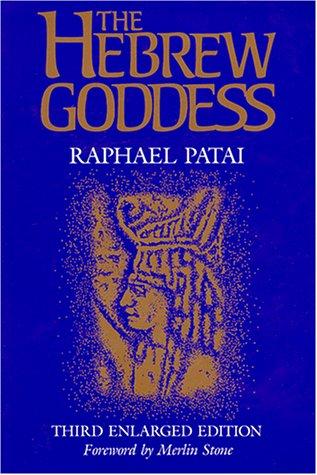
The Hebrew Goddess
non-fiction work by Raphael Patai
Thrones of Astarte
phoenician votive thrones
Our Lady of Mantara
shrine in Lebanon
Ashkelon dog cemetery
Burial ground for dogs in Ashkelon
Astarte Horn
Peak associated with Venus and Astarte
Dea Gravida
phoenician figurines
The Mistress of the World
silent film