Category
page 1Astronomical imaging

telescope
thumb|The 100-inch (2.54 m) Hooker reflecting telescope at [[Mount Wilson Observatory near Los Angeles, used by Edwin Hubble to measure galaxy redshifts and discover the general expansion of the universe.]]

radio telescope
form of directional radio antenna used in radio astronomy

radio astronomy
subfield of astronomy that studies celestial objects at radio frequencies

astrophotography
thumb|upright=1.15|An image of Orion's Belt composited from digitized black-and-white photographic plates recorded through red and blue astronomical filters, with a computer synthesized green channel. The plates were taken using the [[Samuel Oschin Telescope between 1987 and 1991.]]

charge-coupled device
device for the movement of electrical charge
X-ray astronomy
branch of astronomy that uses X-ray observation

infrared astronomy
observational astronomy of emissions over the wavelength band 0.75 to 300 micrometers

adaptive optics
Technique used to improve performance of optical systems by compensating for distortions
ultraviolet astronomy
observational astronomy performed over the ultraviolet range from 10 nm to 400 nm
thermographic camera
imaging device using infrared radiation
first light
first use of a new instrument to take an astronomical image after it has been constructed
active optics
shaping technology for reflecting telescopes
transient lunar phenomenon
short-lived light, color, or change in appearance on the surface of the Moon
very-long-baseline interferometry
type of astronomical interferometry used in radio astronomy
astronomical seeing
amount of apparent blurring and twinkling of astronomical objects due to atmospherical effects
visible-light astronomy
astronomical observation via telescopes using visible light
blink comparator
Astronomical instrument used to measure movements or variations in the brightness of celestial objects
astronomical survey
general map or image of a region of the sky with no specific observational target

Flexible Image Transport System
Flexible Image Transport System (FITS) is an open standard defining a digital file format used for storage, transmission and processing of data: formatted as multi-dimensional arrays (for example a 2D image), or tables. FITS is the most commonly used digital file format in astronomy. The FITS standard was designed specifically for astronomical data, and includes provisions such as describing photometric and spatial calibration information, together with image origin metadata.
aperture synthesis
mixing signals from many telescopes to produce images with high angular resolution
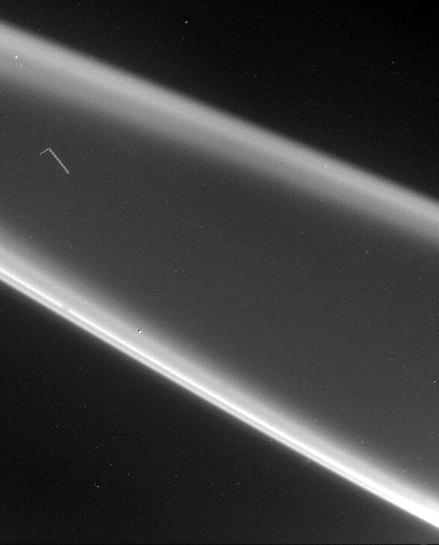
star trail
trail left by star as the Earth rotates during long exposure photograph
National Geographic Society – Palomar Observatory Sky Survey
astronomical survey, that took almost 2,000 photographic plates of the night sky
laser guide star
artificial star image created for use in astronomical adaptive optics imaging.
air mass
optical path length through Earth’s atmosphere for light from a celestial source
submillimetre astronomy
astronomy with terahertz (< 1 mm)-range light
Strehl ratio
proportion of observed intensity to ideal intensity, in astronomical imaging
Herschel wedge
optical prism used in solar observation
sodium layer
layer within the Earth's mesosphere
Lucky imaging
form of speckle imaging used for astrophotography
Greenland Telescope
radio telescope located in Greenland
list of telescope types
Wikimedia list article
Aperture masking interferometry
astronomical filter
telescope accessory used to improve details of viewed objects

Stanford Dish (Stanford Radio Telescope)
radio telescope in California
Reverberation mapping
astrophysical technique
dynameter
A dynameter is an instrument that measures the magnification of a telescope. It is usually a double-image micrometer used to measure the diameter of the image of the object glass. The magnifying power is found by comparing the actual diameter of the glass with the measured diameter of the image of the glass.
thumb|350px|left|thumb|350px|center|
HIPASS
The H I Parkes All Sky Survey (HIPASS) is a large survey for neutral atomic hydrogen (H I). Most of the data was taken between 1997 and 2002 using CSIRO's 64 m Parkes Telescope. HIPASS covered 71% of the sky and identified more than 5000 galaxies; the major galaxy catalogs are: the "HIPASS Bright Galaxy Catalog" (HIPASS BGC), the southern HIPASS catalog (HICAT), and the northern HIPASS catalog (NHICAT) Discoveries include over 5000 galaxies (incl. several new galaxies), the Leading Arm of the Magellanic Stream and a few gas clouds devoid of stars.
Far-infrared astronomy
Spectro-Polarimetric High-Contrast Exoplanet Research
adaptive optics system and coronagraphic facility at the Very Large Telescope
Spitzer Infrared Nearby Galaxies Survey
survey of 75 galaxies using the Spitzer Space Telescope